
Before Jord, I worked on the animal gut microbiome. A chicken’s gut and a soybean field look nothing alike, but they taught me the same lesson. When you introduce a microbe into an established community, the community gets a vote.
That lesson shapes how we screen microbes for use in products at Jord. Screens usually come down to two questions. Does the microbe do the job I need? Will it stay alive long enough to do it, through the seed treatment, the bag, the planter and a cold, wet first few weeks in the ground?
We ask both, and a candidate that fails either one goes no further with us. What those two questions leave out is whether the microbe can thrive among its new community, and that’s the one we’ve built our process around.
Selected by Nature, Thriving in a New Community
Native soil microbes have an advantage. Nature selected them for their place in the soil community. Our founder, Dr. Linda Kinkel, likes to point out that soil is not a blank slate. Every seed goes into a community that was there first. We want microbes that can join that community, establish in the root zone and keep working with it to the plant’s benefit as moisture and temperature swing.
SignalSelect™, our discovery and development platform, is built to find those microbes before they reach a field. It puts microbial activator technology to work by scoring microbes on ecological competence, or whether a microbe can colonize the plant-associated environment, persist through variable field conditions and function alongside the microbes, plants, nutrients and chemistry already there.
From a Few Hundred Leads to Two or Three
We start with a collection of more than 6,500 isolates that Dr. Kinkel and her team curated over three decades. Each isolate comes with records of where it was found, the soil and cropping system it came from and how it behaves around other microbes. Many came from the same kinds of plant systems we develop products for, so they’ve already lived in the conditions a partner’s seed will face.
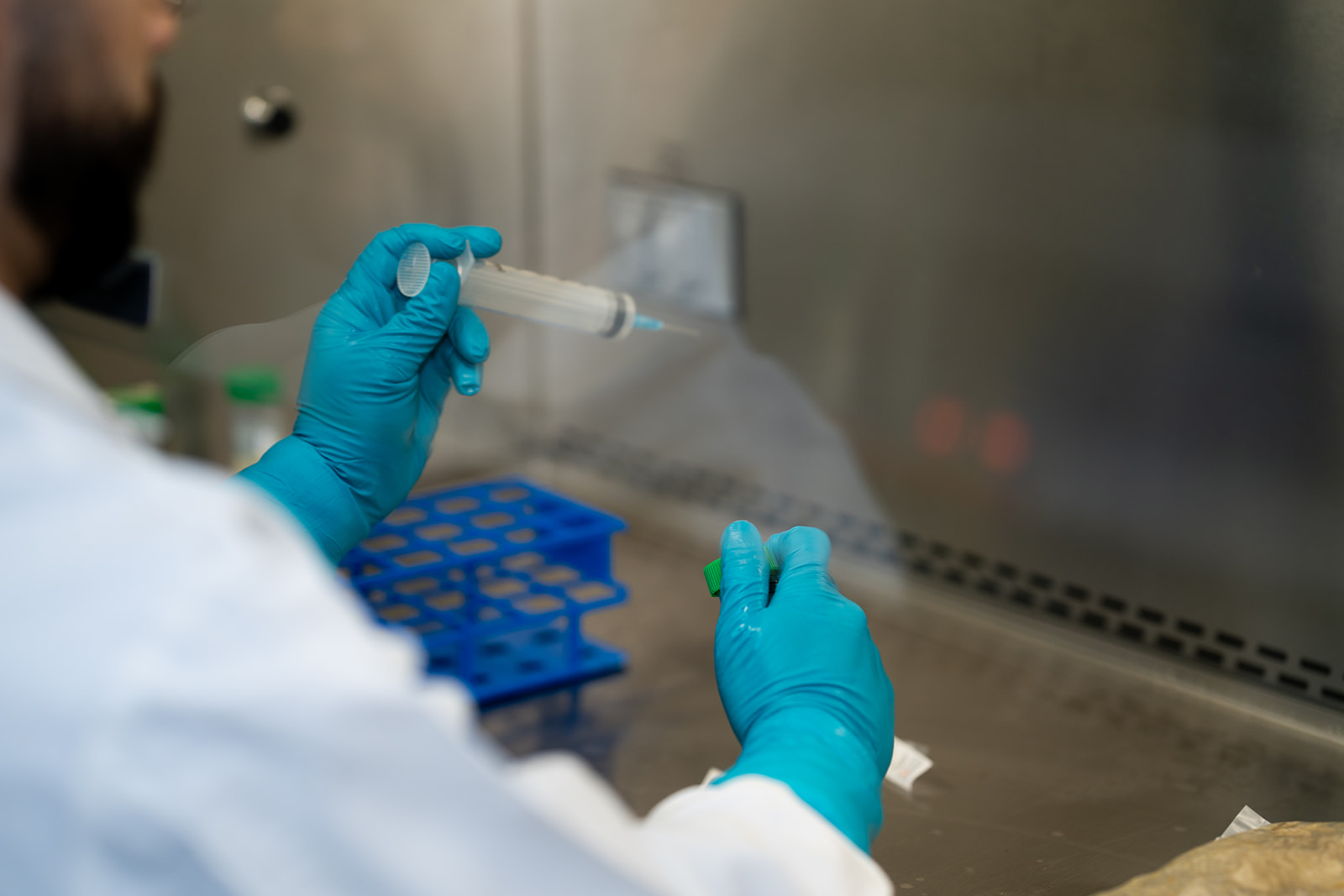
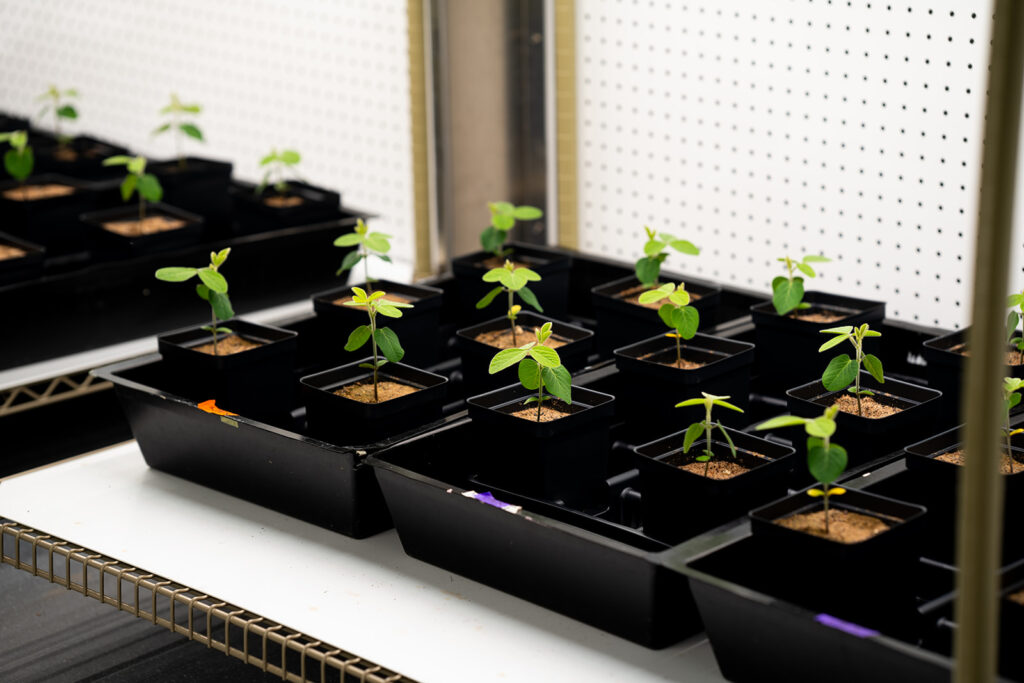
We pre-select with genomic, ecological and functional data together, which takes us down to a few hundred lead candidates to evaluate. From there, screening identifies leads that can demonstrate every attribute a product needs. Around ten move into controlled-environment testing in the target crop, and two or three earn field trials. The microbes that make it through are what microbial activator technology looks like in practice.
Why We’re This Strict
We use upstream screening to eliminate candidates that may have limitations before they get to the field. Then we validate what’s left in the field, repeatedly. A seed company puts its brand on every bag, and when a biological underperforms, that company gets the call. I want to know before a product leaves our hands that it will hold up on the acres it was built for.
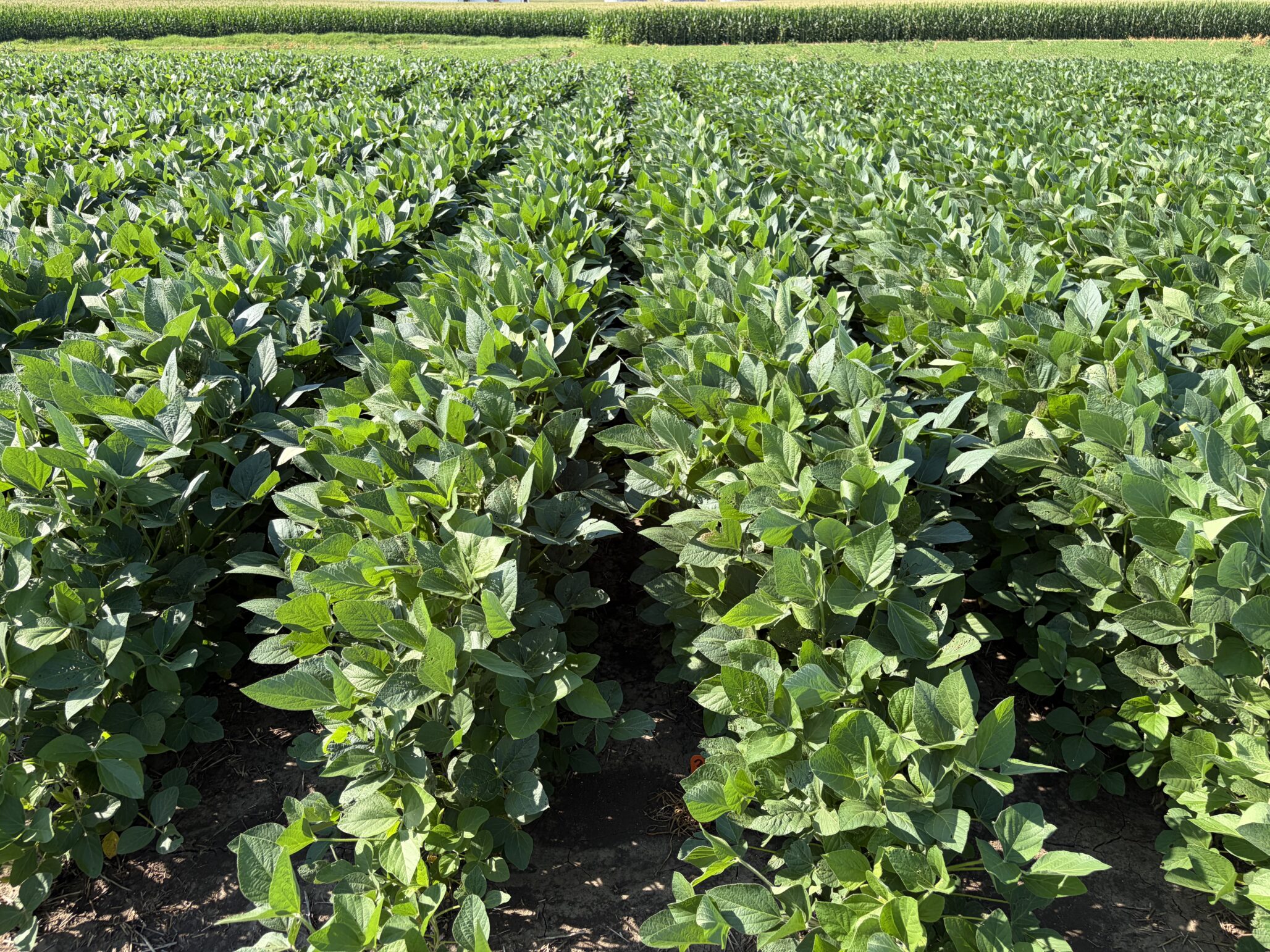
9311, our first commercial product, came through that process. Over three years of soybean trials (a dry 2023, a wet 2024 and a mixed 2025), it delivered a 2.6 bushel per acre average yield advantage over elite industry-standard seed treatments and biologicals and won 79 percent of the time. We count a win only when the yield gain is more than 0.5 bushel per acre over the elite program already in the field. The trials also measured a 30 percent increase in early-season biomass compared with an elite commercial treatment base.
If your team has a gap in its portfolio, we’d be glad to put candidates through their paces with you to find the best match.