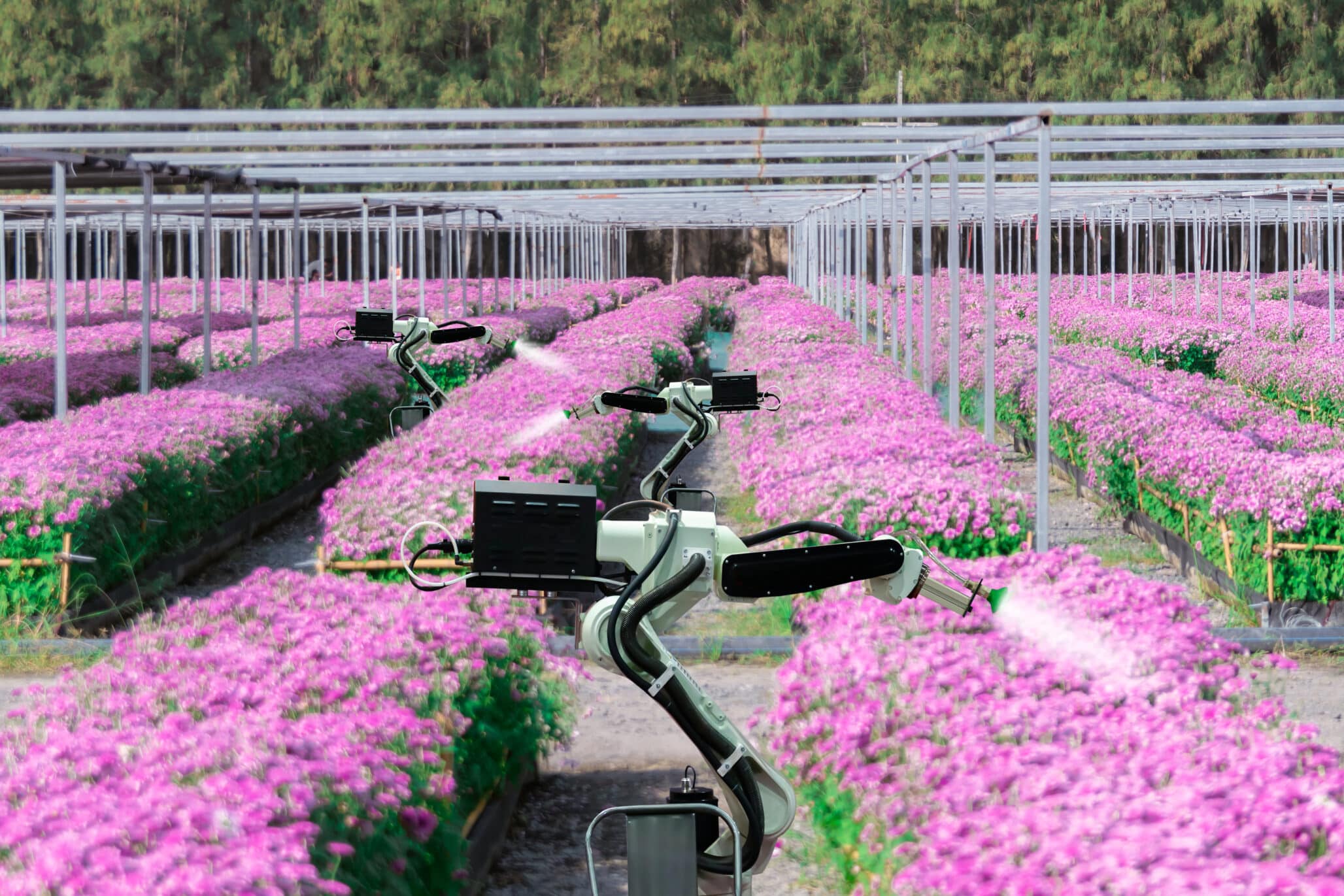
Discussions at the Kunming International Flower Expo explored how stronger variety protection and advances in cultivation technology could support breeding innovation and market access.
Protecting new plant varieties and applying artificial intelligence and robotics were central to discussions between Chinese and Dutch industry representatives at the 24th China Kunming International Flower Expo.
Organised by the Embassy of the Kingdom of the Netherlands in China, the dialogues brought together more than 130 breeding experts, business leaders and intellectual property professionals from China, the Netherlands and other countries.
Participants examined policy, breeding technology, judicial protection, financial implications and commercial implementation, with variety rights emerging as a key consideration for breeders entering international markets, according to a press release.
Variety Protection Supports Market Access
Tsjeard Hoekstra, deputy ambassador at the Dutch embassy in China, emphasised that an internationally aligned variety rights system is a prerequisite for breeders to bring their best varieties to market.
Dutch experts outlined developments in their country’s variety rights protection and regulatory approach. Discussions also highlighted that responsibility for protecting varieties extends beyond breeders to businesses involved in sales and distribution.
Li Shenchong, director of the Flower Research Institute at the Yunnan Academy of Agricultural Sciences, called for greater respect for breeding innovation, standardised variety trading, stronger protection of breeding achievements and deeper cooperation. These priorities form part of China’s Initiative on Innovation and Protection of New Plant Varieties (Flowers).
For breeders navigating the lengthy process from initial selection to commercial launch, a stable protection system helps create the conditions needed to introduce new varieties.
AI and Robotics Build on Cultivation Expertise
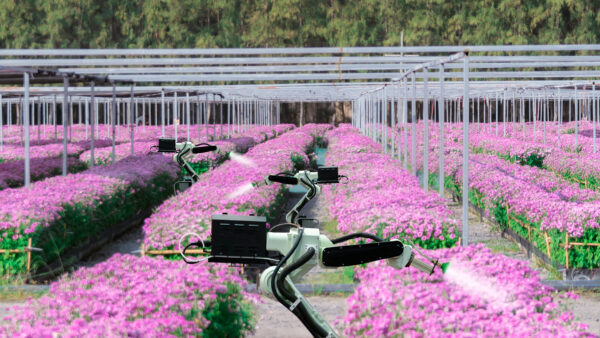
A separate discussion explored the application of AI and robotics in floriculture, with Chinese and Dutch experts sharing practical experience with AI crop models.
Limited land availability has helped drive the Netherlands’ investment in efficient cultivation. Over decades, Dutch greenhouse technology has combined sensors, algorithms and growing expertise to reduce inputs and increase output. AI and robotic systems could accelerate that progress.
Erik Smidt, counsellor for agriculture, fisheries, food security and nature at the Dutch embassy in China, emphasised the importance of trusted partners when doing business in China.
He pointed to more than two decades of cooperation between Dutch and Chinese floriculture businesses as a foundation for combining cultivation expertise with emerging technologies.
Across both discussions, participants identified cooperation as essential to advancing the flower sector, through stronger protection for breeding innovations and technologies that help growers produce more efficiently.