Tighter access in Washington slows the facts agriculture’s stakeholders needs.
The access fight may be playing out at the Pentagon, but every ag reporter should feel the tremor. Today it’s defense. Tomorrow it could be any civilian agency that manages labels, traits, market reports, inspections or export rules. If one department normalizes tighter terms for entry and questions, others may copy and paste. When that happens, it won’t just be journalists who lose. It’ll be seed companies, farmers and everyone who depends on quick, factual guidance.
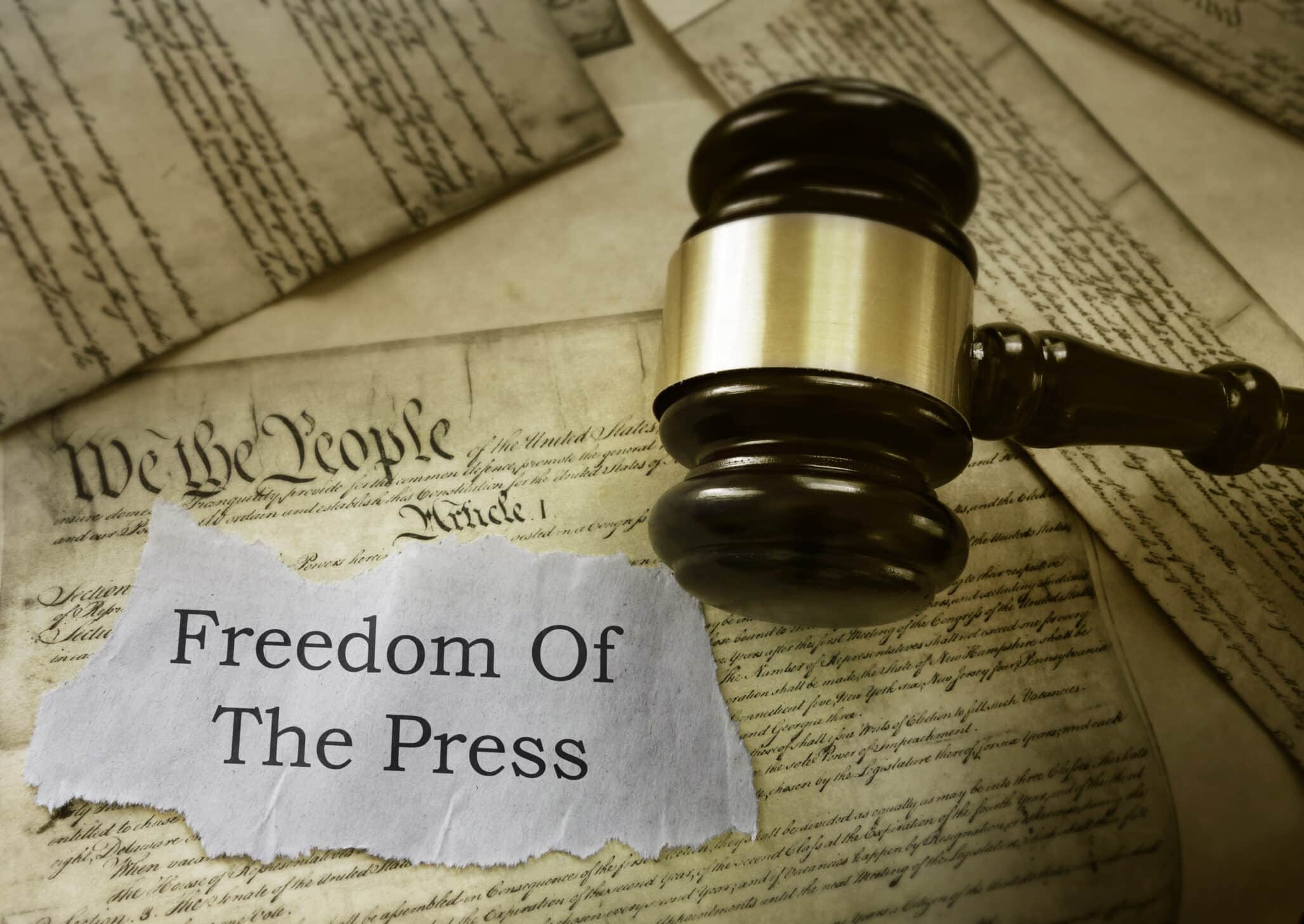
For context, the First Amendment protects a free press because the framers understood that public decisions depend on public scrutiny. The Constitution doesn’t mention agriculture, but it anticipates our problem: if questioning power requires permission from power, facts slow down. In our business, slow is costly.
What disappears first is the translation layer. Labels still carry the force of law. Rule tweaks still drop mid-season. Market signals still swing on a few words in a guidance document. But the on-the-record clarifiers that make a story precise — the follow-up in a quick meeting, the email question that forces a straight answer, the collaborative notes that capture nuance — get scarce. That slows our work, and delay is not neutral in agriculture.
If you’ve seen the USDA’s press page during the current government shutdown, you are probably as concerned as I am right now. In a dark red box, it says “Due to the Radical Left Democrat shutdown, this government website will not be updated during the funding lapse. President Trump has made it clear he wants to keep the government open and support those who feed, fuel, and clothe the American people.”
Delay means someone plants the wrong hybrid under the wrong stewardship rule. Delay means a dealer misses a revised buffer and a load gets rejected. Delay means a seed exporter ships under an older certificate and eats the penalty.
When access narrows, national outlets can still secure some answers. Ag journalists and trade editors — the people who press for the practical stuff — get squeezed. Vendors will fill the silence with their interpretations. Some will be helpful. Some will be self-interested. None will replace independent verification.
So yes, even if the restriction is only about military coverage today, the precedent matters to our beat. Agriculture runs on timing. We don’t get to write think pieces a week late while a season waits. Our readers need to know before a window closes, before a label changes practice, before a contract clause bites.
This isn’t about taking sides. It’s about how information moves from Washington to a shop floor in Iowa, a conditioning plant in Kansas or a seed field in Montana. The First Amendment isn’t a press perk. It’s the mechanism that keeps facts moving on time to the people who feed and seed the country.