SSGA says shutting down key Agriculture and Agri-Food Canada research stations and reducing staffing puts regional variety trials and long-term crop development at risk.
The Saskatchewan Seed Growers’ Association (SSGA) is the latest organization to voice strong opposition to the federal government’s decision to scale back Agriculture and Agri-Food Canada (AAFC) research capacity across the Prairies, warning the move could undermine crop innovation, variety development, and long-term competitiveness in Canadian agriculture.
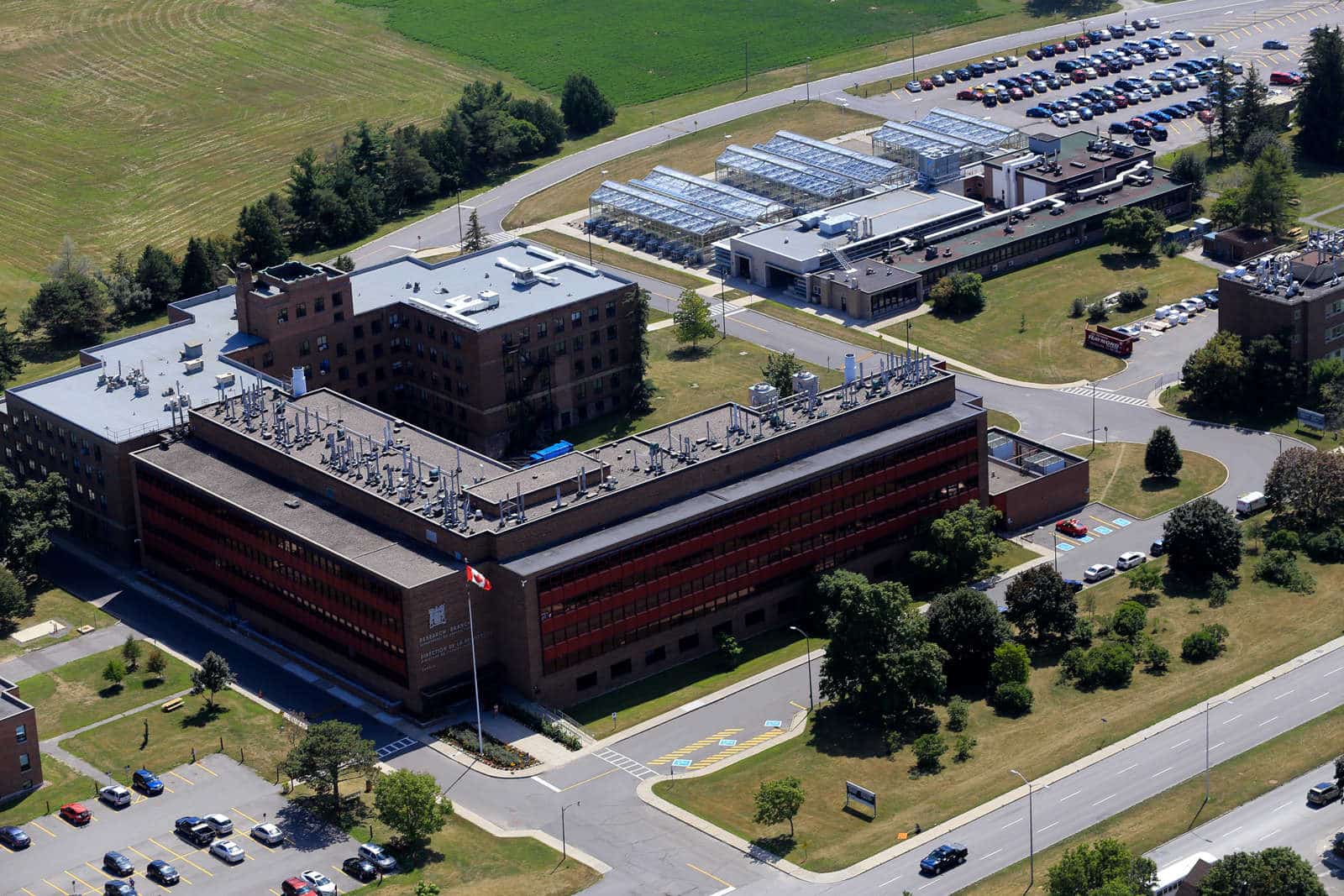
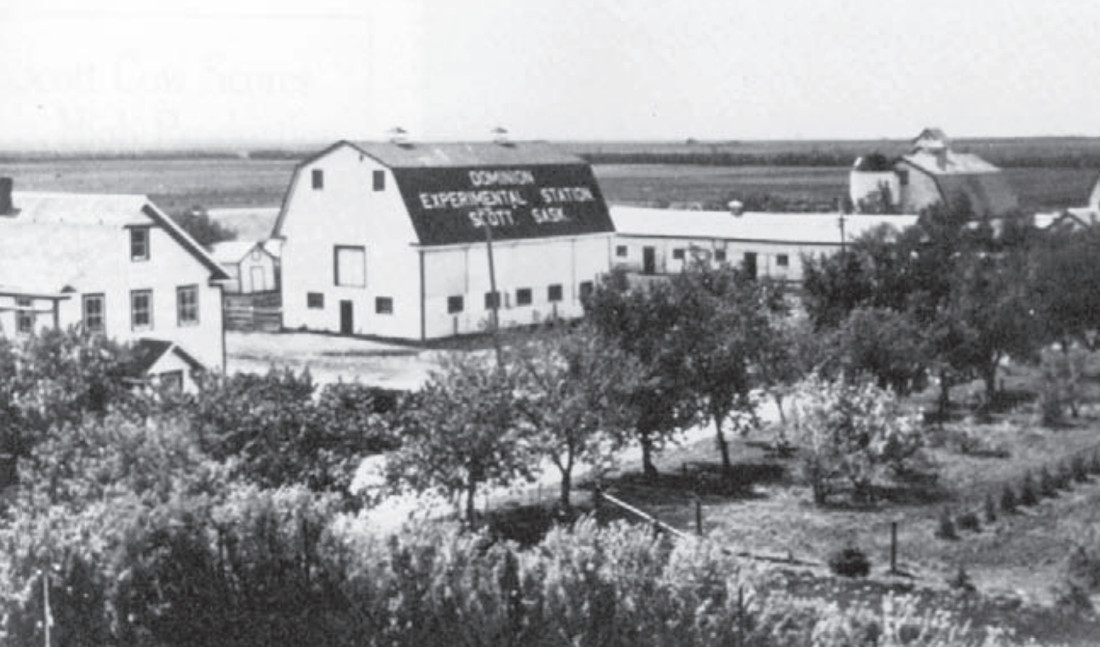
In a statement, the association is expressing “deep concern over the federal government’s decision to significantly reduce AAFC research capacity,” including the closure of AAFC research farms in Indian Head and Scott and the loss of scientific staff across the region.
SSGA emphasized the historic importance of Saskatchewan’s public research system, describing it as central to the development of disease-resistant genetics, regionally adapted agronomic practices, and improved crop varieties for Prairie farmers.
“For more than a century, Saskatchewan’s public research network has been essential to the development of new crop varieties, disease-resistant genetics, and regionally adapted agronomic practices,” the association states in a press release.
SSGA notes that the Indian Head and Scott stations have played a critical role in maintaining breeder seed and supporting research programs that directly serve the province’s seed growers and producers.
“The Indian Head and Scott stations maintain invaluable stocks of breeder seed, supports breeding programs and regional variety trials, programs that directly underpin the success of pedigreed seed growers and the farmers they serve,” the statement says.
According to SSGA, closing the facilities would weaken Saskatchewan’s seed sector and disrupt the science-based research pipeline needed to ensure new varieties are properly tested for Prairie growing conditions.
“The loss of these research sites represents a major setback for Saskatchewan’s seed sector,” the association says. “Our members rely on strong, science-based public research to ensure that new varieties are well-tested, regionally adapted, and ready to meet the agronomic and environmental challenges facing Prairie farmers.”
SSGA also warns that reduced federal research capacity threatens several key areas of agricultural development, including variety development, regional trials, and pest management research.
“Saskatchewan’s seed growers depend on a robust research pipeline to maintain Canada’s global competitiveness in cereals, pulses, oilseeds, and specialty crops,” the statement reads. “Reduced federal capacity threatens variety development and pre-breeding programs, which require long-term, stable public investment. Regional variety trials, essential for ensuring that new genetics perform reliably under Prairie conditions. Agronomic and pest-management research, which supports sustainable production and environmental stewardship.”
SSGA stresses that seed growers are central to translating innovation into results on the farm, and that disruptions to public research will ripple across the broader agricultural value chain.
In response, SSGA is calling on Ottawa to reverse course and to work directly with stakeholders on a long-term research strategy.
SSGA joins other Saskatchewan and national organizations in urging the federal government to:
- Reverse the decision to close AAFC research stations in Indian Head and Scott.
- Restore staffing levels necessary to maintain core research programs.
- Engage directly with producer groups and seed sector stakeholders to develop a long-term, stable plan for public agricultural research in Canada.
- Ensure that Prairie-based research capacity is strengthened, not diminished, given the region’s critical role in national food security and export markets.
Looking ahead, SSGA says it will continue advocating for a modernized research framework and noted that as funding models shift, the association is focused on supporting a transition where industry plays a stronger role in sustaining public research capacity.
The association added it will remain engaged with policymakers to ensure producers and seed growers have the scientific tools and support required to remain competitive.