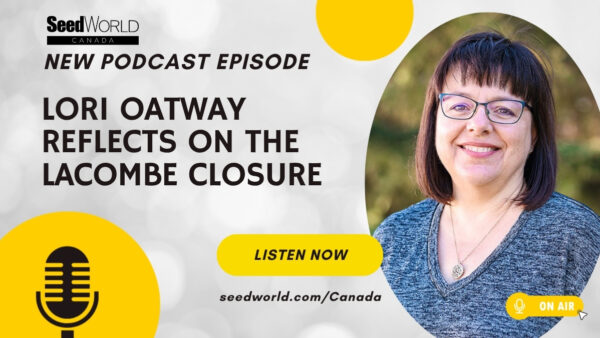
From relocation decisions to talent retention, Lori Oatway of Western Crop Innovations outlines the human side of research system changes.
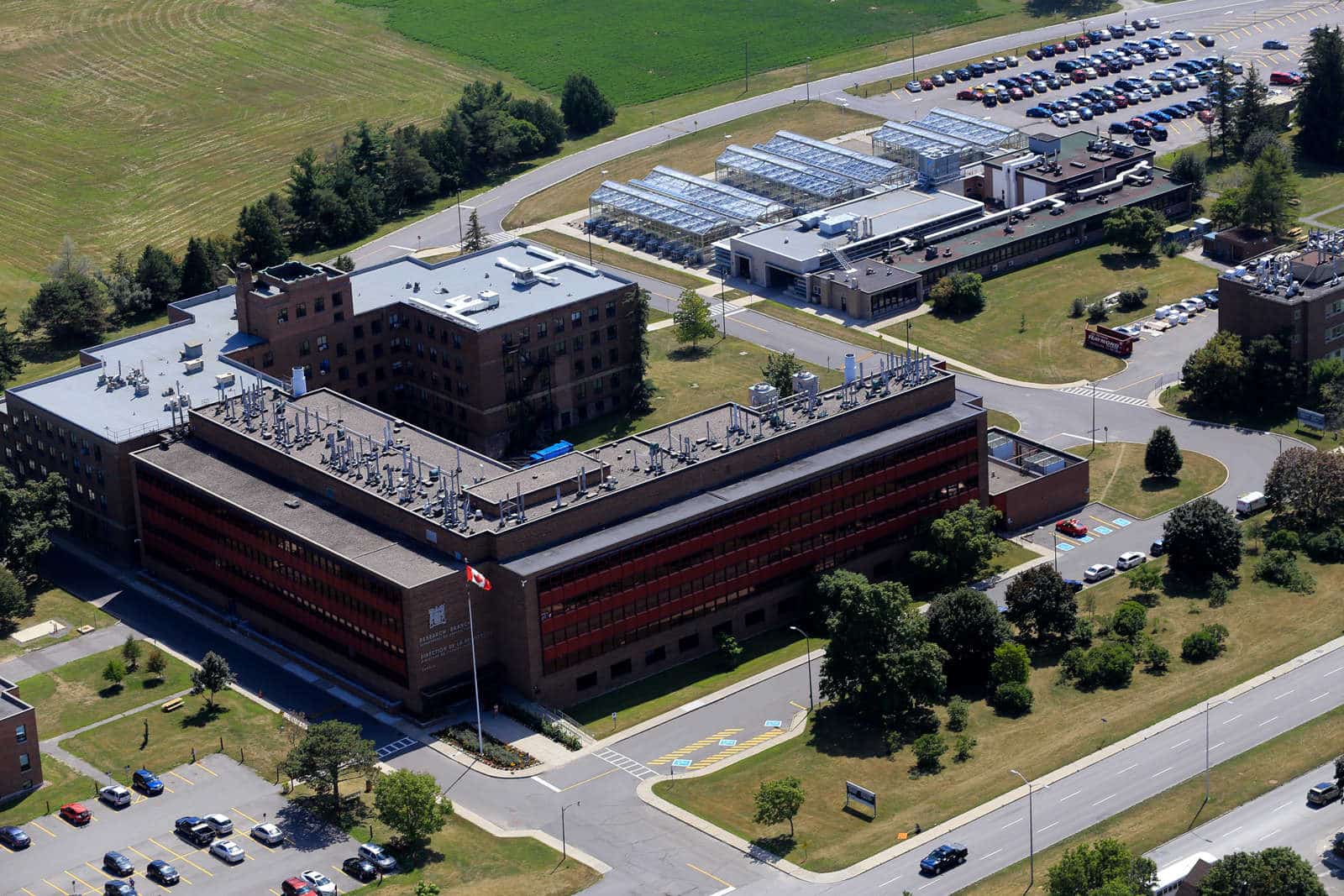
News of the planned closure of Agriculture and Agri-Food Canada’s Lacombe research station earlier this year is prompting reflection across Canada’s agricultural sector, particularly around research capacity, collaboration and long-term expertise.
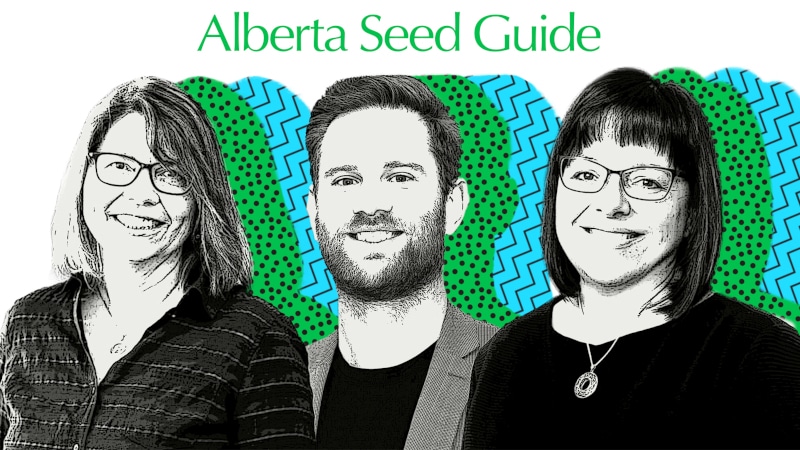
In a new Seed World Podcast conversation, Lori Oatway, quality research scientist with Western Crop Innovations (WCI) in Lacombe, Alta., shares how the change is being felt at both a professional and community level.
Oatway, who both lives and works in Lacombe, said the news was difficult given the longstanding relationships tied to the station.
“These are people that we’ve worked with for 30 years, maybe even longer,” she says. “They’re friends, they’re colleagues… it’s a huge blow to our community.”
She noted that Canada’s agricultural research system is highly interconnected. Research conducted at one location often supports programs across the country, making closures difficult to absorb.
“We don’t just stand alone; our research goes throughout Canada,” she explains. “We don’t know how we’re going to replace that, or the people.”
The timing adds complexity. After several years of transition, Western Crop Innovations has recently reached a more stable footing, with clearer funding and direction. At the same time, the Lacombe closure introduces new uncertainty.
“We feel like we’re in a spot where we see a path forward,” Oatway says. “And then this comes, and you’re kind of asking all over again — how are we going to make this work?”
A key concern is the potential loss of expertise built over decades. Oatway emphasizes that research programs rely heavily on people, not just infrastructure.
“We’re hoping there’s a path forward for most of them,” she says. “Because these programs have taken decades to build.”
Oatway also brings a producer perspective. Alongside her husband, she grows seed in Lacombe, helping move new varieties from breeder seed into commercial production. That connection reinforces the importance of practical outcomes.
“It’s not just your farm — it’s everybody’s farm,” she says. “You have to think beyond what works for you.”
The closure is also affecting individuals directly, as researchers consider whether to relocate or leave their roles. That reality raises broader questions about the future of agricultural careers in Canada.
“Agriculture is a small community,” Oatway says. “But is it getting too small? Where are the opportunities for young people coming in?”
While the full impact of the closure is still unfolding, the conversation highlights the importance of maintaining a strong, connected research system to support innovation across Canadian agriculture.
To hear more from Lori Oatway, listen to the full conversation on the Seed World Podcast.
Podcast: Play in new window | Download