Starting a business is a risk. Starting one knowing the first revenue could be 10 to 12 years away takes a different level of commitment.
That’s the challenge facing independent plant breeders, says Jodi Souter, plant breeder and co-founder of Saskatchewan-based J4 Agri-Science.
In Season 3, Episode 7 of On The Brink, Souter explains why she believes Canada has barely scratched the surface of its private plant breeding potential, and what it will take to turn that potential into varieties farmers can grow.
The Cost of Starting a Private Plant Breeding Company
Land, buildings and equipment all need to be paid for long before a new variety reaches the market. Even the smaller machinery used in breeding programs can carry a price tag close to full-size farm equipment, Souter says.
Meanwhile, a new breeding company can be years away from generating revenue.
“So it’s a big hill to climb to get to a point where you can have varieties hitting the marketplace,” she says.
The challenge extends beyond securing money for individual research projects. Breeders need enough stability to maintain their operations through years of development, testing and selection.
In her Nuffield report, Opportunities and Obstacles for Private Plant Breeding in Canada, Souter identifies a mismatch between short-term project funding and the longer timelines needed to sustain a breeding program. Funding tied to a specific project may also leave out essential equipment costs.
For an independent breeder, those gaps can make it difficult to turn promising research into a viable business.
Why Independent Breeding Faces Barriers in Canada
Private plant breeding already has a strong presence in Canada, but its role varies by crop.
In a 2023 Seed World discussion about public and private breeding, Seeds Canada’s Lauren Comin explained that private companies lead breeding in canola, corn and soybeans. Western Canadian wheat and pulses, meanwhile, have historically relied heavily on public institutions, supported by farmer contributions and government funding.
Comin identified widespread farm-saved seed use, gaps in royalty collection and registration requirements as factors limiting greater private participation in those crops.
For a company investing years in a new variety, that raises a basic business question: how does it earn enough from a successful product to pay for developing the next one?
Souter’s Nuffield research also identifies registration delays as a concern for independent companies. When market entry is delayed, the opportunity to earn revenue is pushed back with it.
Changing Perceptions of Private Plant Breeders
Souter argues that the industry also needs a broader understanding of what a private breeding company can look like.
In her Nuffield report, she describes a Canadian perception shaped heavily by large multinational companies. Her international research revealed a wider mix, including family-run breeding businesses, startups, seed companies with breeding operations and groups of industry partners investing together.
Her own connection to the work starts on the farm.
Souter grew up on a Saskatchewan farm and continues to farm with her family. In On The Brink, she describes wanting to develop products she can look back on and say, “We helped.”
She sees an opportunity for more people with similar backgrounds to bring plant breeding into rural communities.
As she told Alberta Seed Guide in its December 2024 profile, A New Kind of Plant Breeder, “If we don’t change that perception, we’re going to hold back innovation, and that innovation will go elsewhere.”
Long-Term Funding and Grower Support Are Taking Shape
Some partnerships are already putting long-term support behind independent breeding.
In June 2025, FP Genetics announced a funding agreement with J4 Agri-Science covering work in peas, lentils, flax and faba beans. The agreement provides ongoing financial support in exchange for priority access to new varieties.
Saskatchewan Pulse Growers has also partnered with J4 on faba bean breeding, providing upfront investment toward priorities including earlier maturity, improved yield and disease resistance.
According to Saskatchewan Pulse Growers, varieties from that collaboration could begin reaching growers as early as 2030. Those varieties will carry royalties, with the collection mechanism determined on a variety-by-variety basis.
The partnerships offer examples of how grower priorities, sustained investment and a route to market can support independent breeding.
For Souter, expanding that opportunity will require commitment beyond a single growing season. In On The Brink, she calls for grower support over the next decade or 15 years as more independent breeders work to establish themselves.
“We haven’t even scratched the surface of what private plant breeding can do in Canada,” she says.
Subscribe To On The Brink
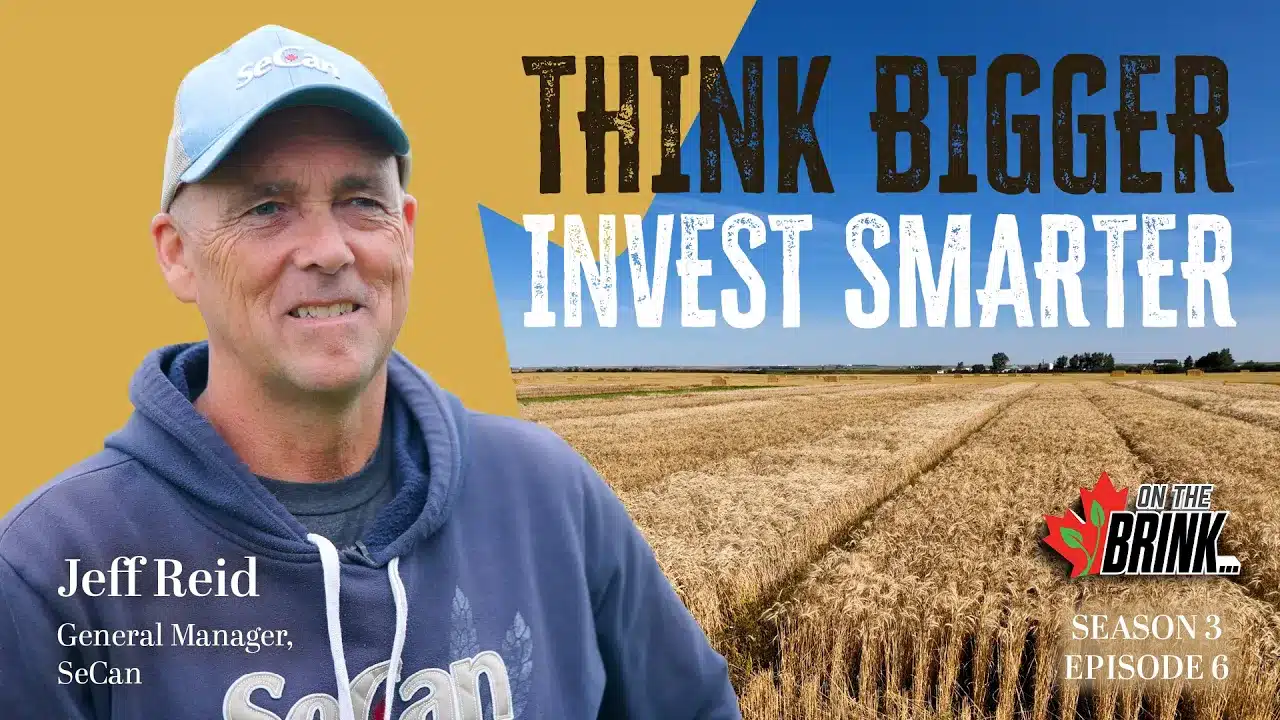
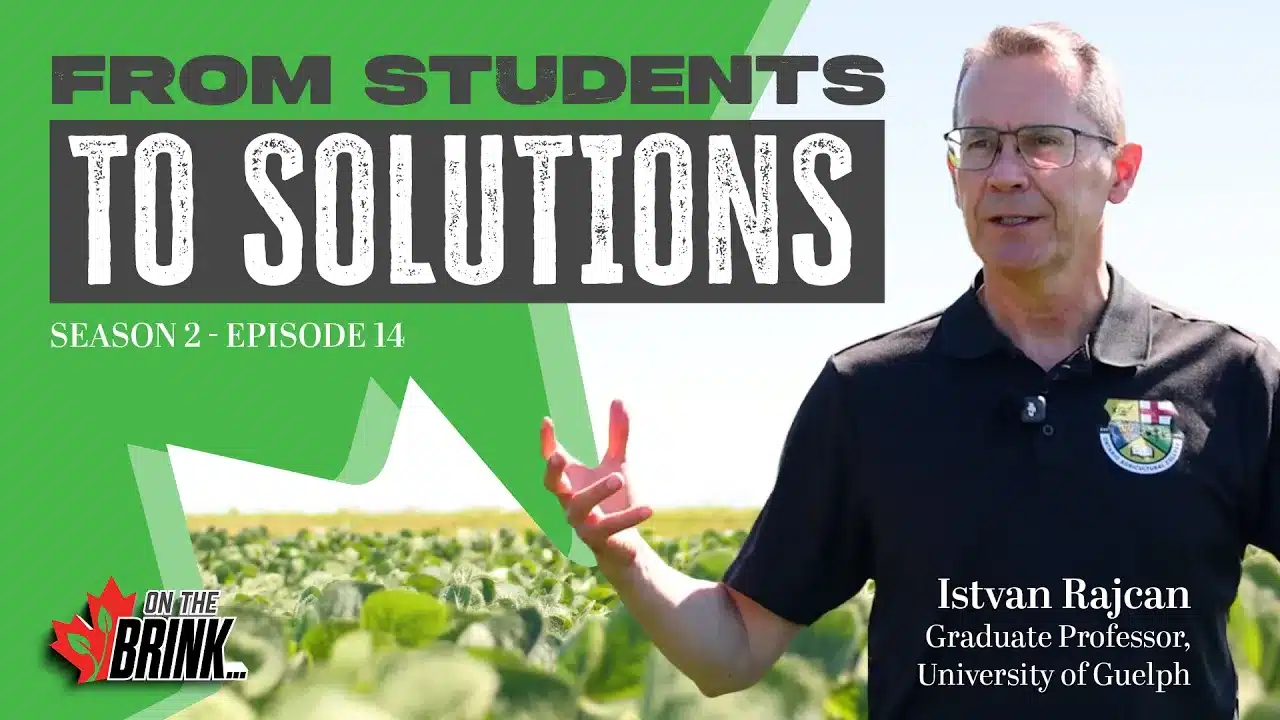
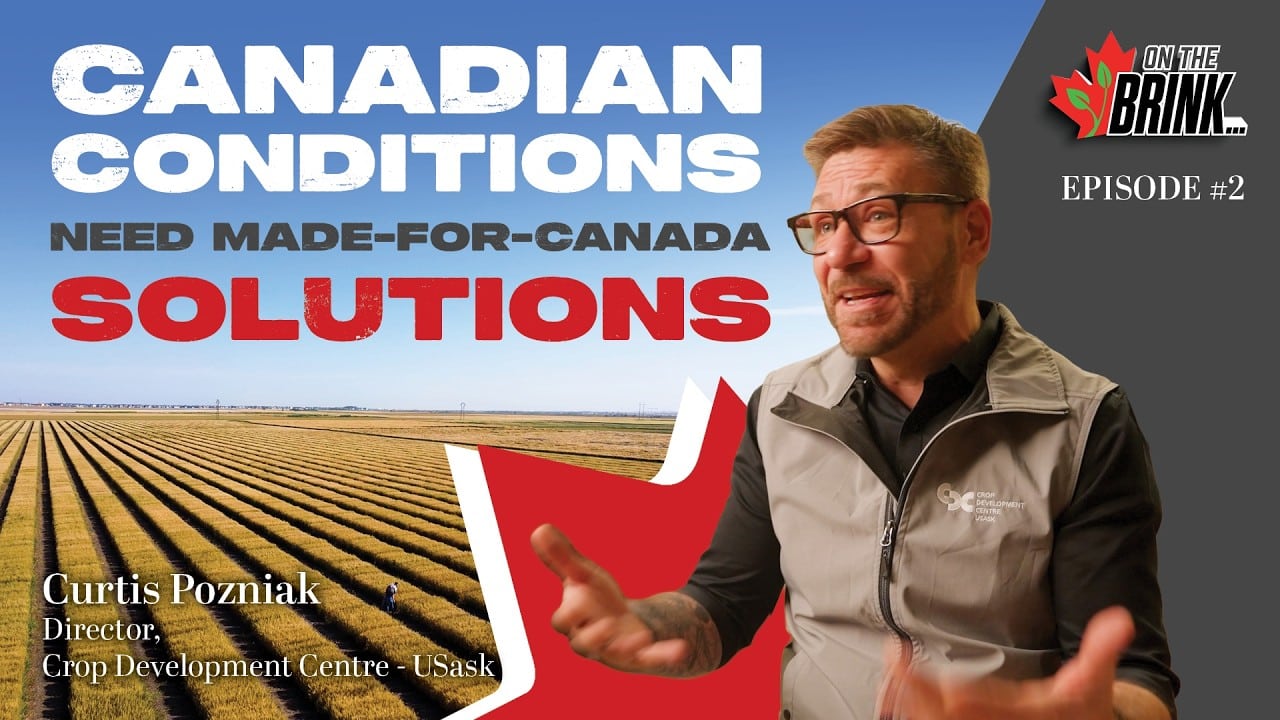
On the Brink is a cross-country storytelling project about plant breeding in Canada. The goal is to spark an open, multi-perspective, ongoing conversation about what’s possible, what’s at stake, and how to seize opportunities ahead. On the Brink releases new episodes every Wednesday. Watch Episode 6 featuring Andrew Campbell and subscribe to have future episodes delivered directly to your inbox.
More Episodes
Be Part of this Conversation
We need your help to grow and evolve this conversation!
- Nominate individuals you think should be part of the On the Brink video series. Know someone who would add to the conversation? Email us at OnTheBrink@seedworldgroup.com
- Help expand the conversation by liking and sharing weekly episodes across LinkedIn, Instagram, X, and Facebook.