Dear readers of Seed World Europe,
Another year has flown by in the seed sector — and what a year it was. Over the past 12 months, we published hundreds of stories covering innovation, debate, policy twists and the people shaping our sector. Some articles quietly did their job, others sparked conversation, and a select few clearly struck a chord, racking up the clicks and climbing to the top of our charts. So, which stories captured your attention the most in 2025? Buckle up as we count them down. From number 10 to the undisputed number 1, here are the most-read stories on Seed World Europe this year. Click the titles to dive back in.
10. Europe’s New NGT Agreement: What the Trilogue Deal Means for Plant Breeding
December 2025
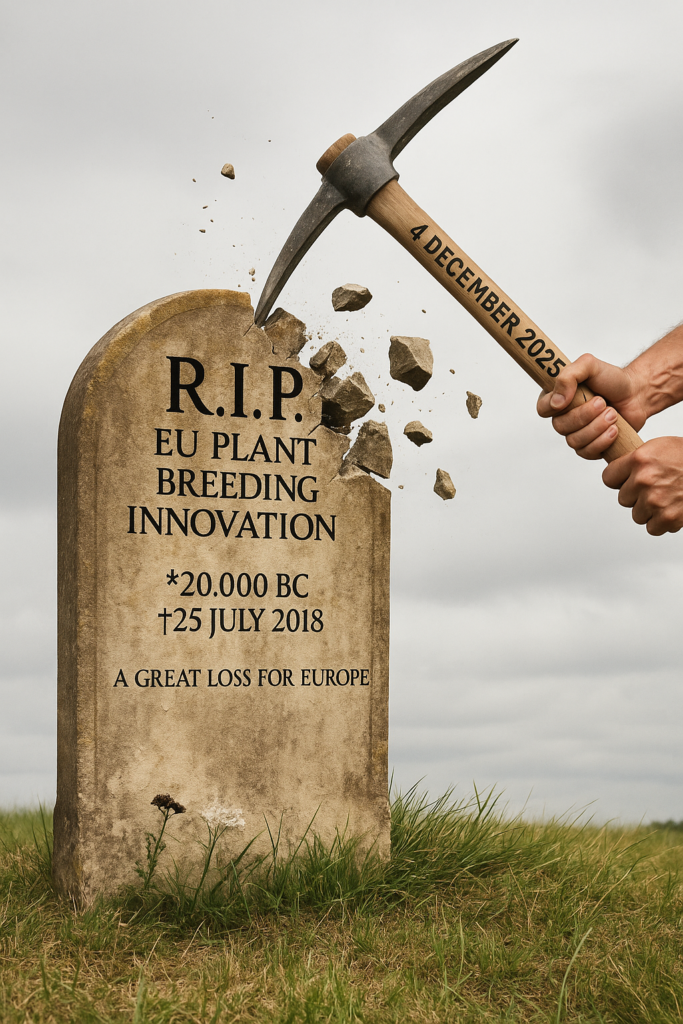
In 2025 the EU reached a long-awaited trilogue agreement on New Genomic Techniques (NGTs), creating a modern regulatory framework that separates NGT plants into two distinct categories — recognising some as biologically equivalent to conventional breeding.
This shift ends years of regulatory limbo under outdated GMO rules, unlocking faster, more precise and climate-resilient crop innovation for European breeders and farmers.
While the deal marks a major step forward for competitiveness and sustainability, its success now hinges on consistent implementation, clear patent protection and effective communication about what NGTs are — and aren’t.
9. 10 Most Influential EU Politicians for the Plant Breeding and Seed Sector
April 2025

Political decisions in Brussels have a direct impact on how Europe’s seed sector innovates, competes and grows, and this story spotlights the policymakers with the greatest influence over its future. We highlighted the European policymakers most shaping the future of plant breeding and seeds in 2025, from EU Commissioners to Members of the European Parliament and national ministers. We profiled 10 influential figures whose decisions, leadership and legislative work affect agriculture, innovation, sustainability and regulatory frameworks in Europe. The piece explains how these politicians influence key issues such as plant reproductive material rules, new genomic techniques, food security and climate resilience — and includes personal reflections from some of them on their role in supporting Europe’s seed sector.
September 2025
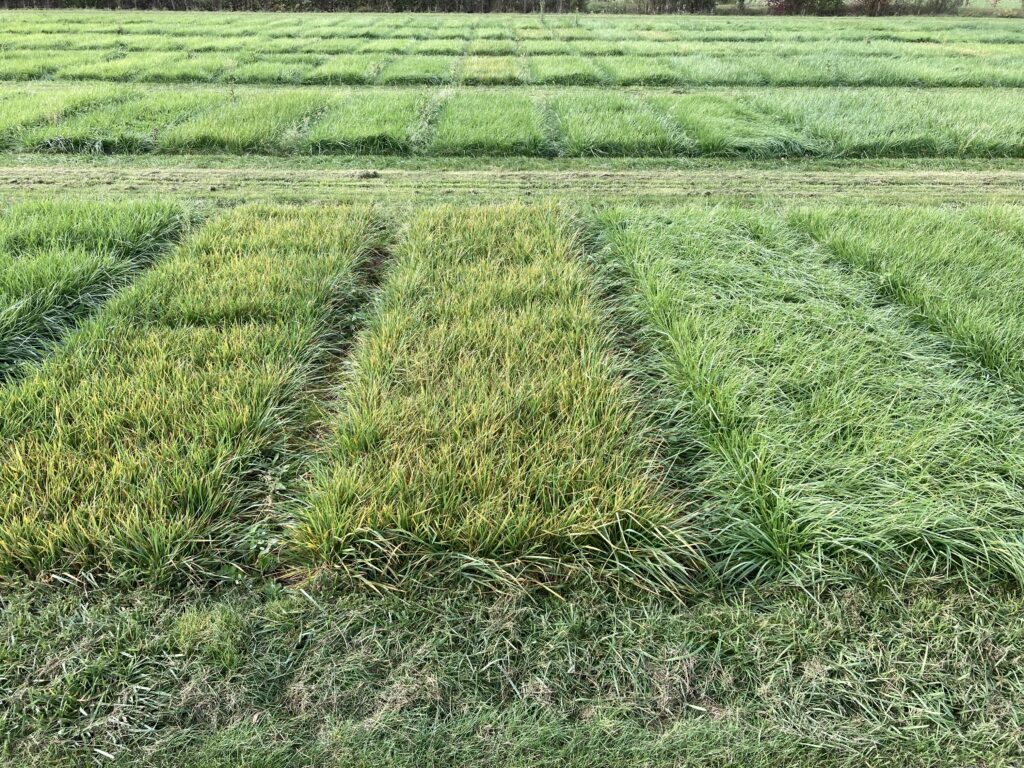
Once seen as a supporting act to ryegrass, fescue is stepping into the spotlight, as breeders unlock its potential for more resilient forage and turf systems in a changing climate. The article explores how fescue, a versatile grass long valued for livestock grazing, is rising to prominence across Europe and beyond, gaining traction in both forage and professional turf markets thanks to modern breeding advances. New varieties combine durability with drought tolerance, disease resistance and improved digestibility, making fescue an attractive alternative to traditional species like ryegrass. Breeders are focusing on multiple Festuca species tailored for different uses and climates, while navigating long development timelines and regulatory challenges. With climate change increasing demand for resilient grasses, fescue’s genetic diversity and adaptability position it as a key player in the seed sector’s future.
7. What Makes the Vegetable Seed Sector So Unique?
April 2025
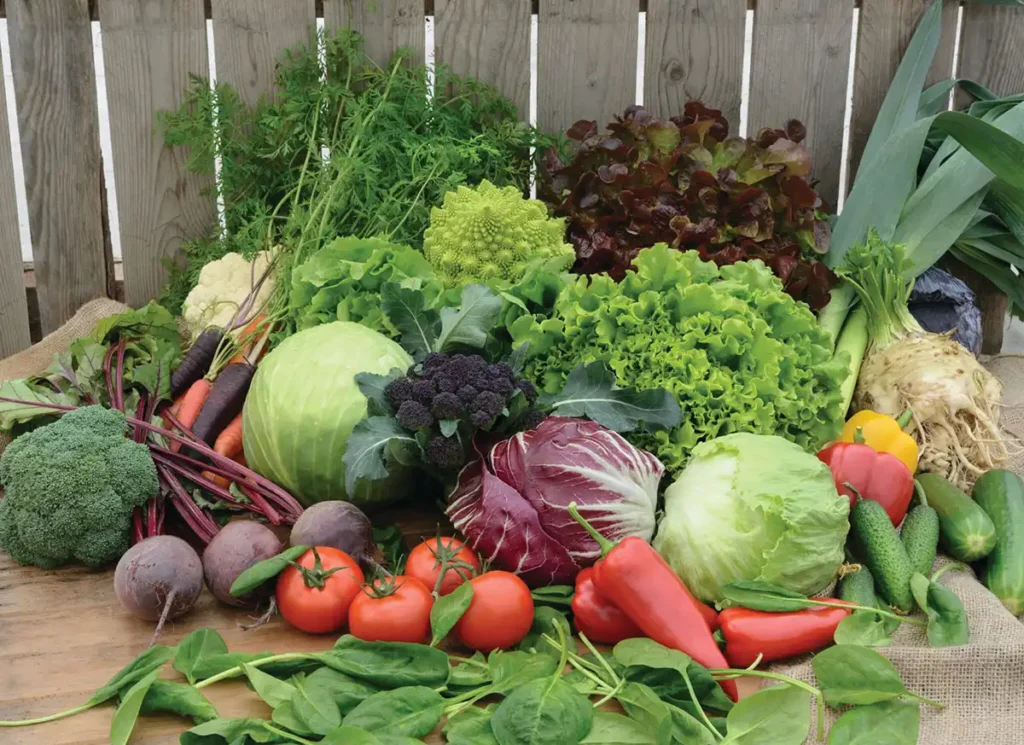
Few parts of the seed sector are as diverse, fast-moving and closely connected to consumers as vegetable seeds, making this segment unlike any other in global agriculture. In this article we dive into the distinctive dynamics of the vegetable seed sector, highlighting its complexity, high economic value and crucial role in food security and nutrition. Europe leads global innovation, with breeders working across more than 50 species to improve traits like disease resistance, climate tolerance and crop quality. Vegetable seeds often go straight from seed to the consumer’s plate, creating tight links with growers, retailers and consumers. The sector’s diversity, international trade and regulatory challenges shape how breeders respond to evolving climates, consumer preferences and sustainability goals, underlining why this segment stands apart in the seed world.
6. Rooted in Progress: Reinventing the Carrot for a Changing World
November 2025
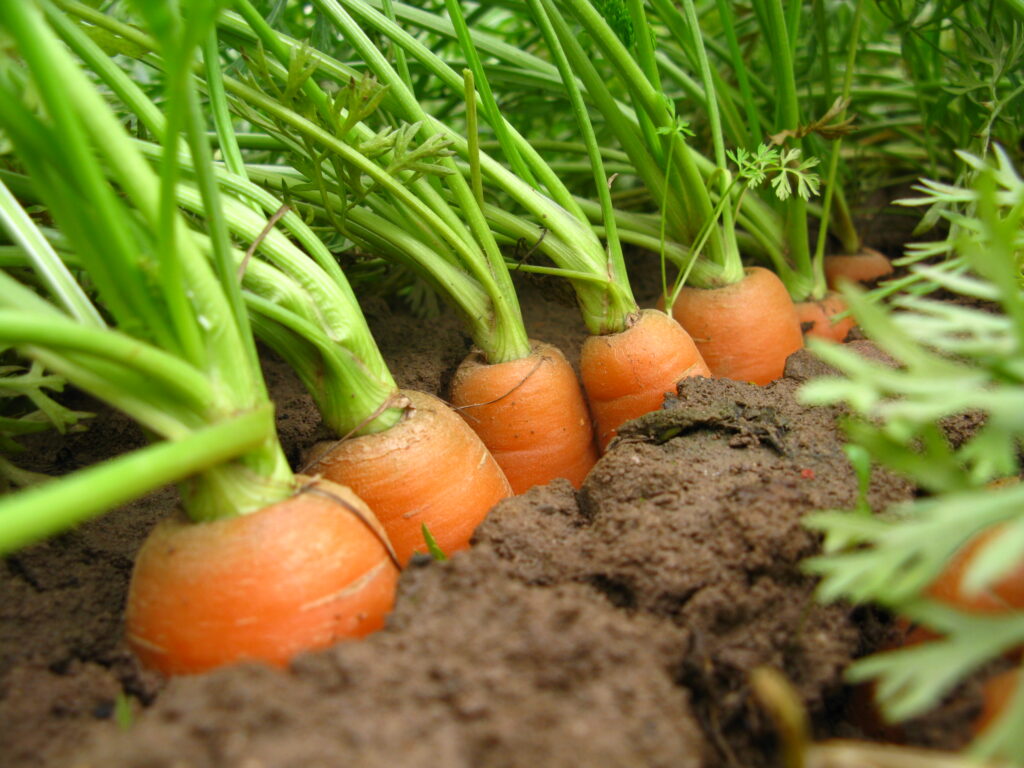
Carrot breeding is undergoing a quiet reinvention, driven by climate pressure, changing consumer preferences and rapidly advancing breeding tools. Breeders from leading companies including BASF | Nunhems, Bakker Brothers, Bejo, Vilmorin-Mikado and Bayer explain how they’re using data-driven techniques, expanded germplasm and advanced breeding strategies to boost yield, disease resistance, sustainability and sensory traits across a range of carrot types. This article highlights carrots’ global importance, the science behind breeding cycles, and how innovation keeps this humble crop resilient and relevant in a changing world.
5. How Cover Crops Could Change Everything for Ukraine’s Fields
September 2025
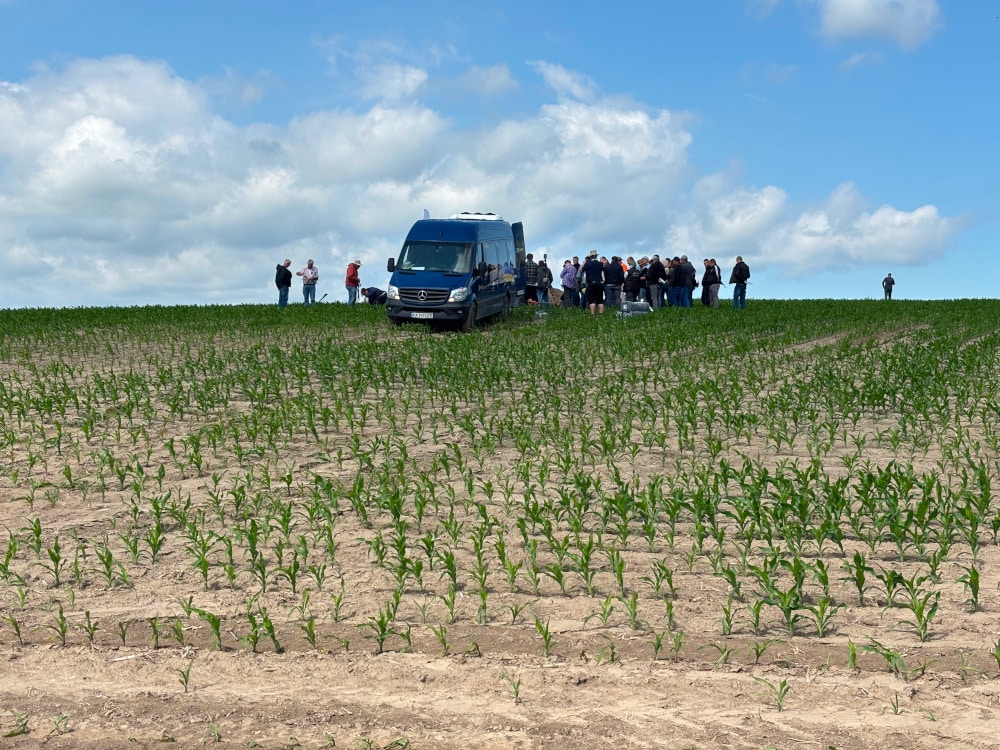
Cover crops are emerging as a potential game-changer for Ukraine’s fields, offering a practical way to rebuild soil health, improve moisture retention and boost long-term resilience. Visiting farms with agronomists and soil experts, the author highlights how intensive tillage and lack of cover crops have left soil compacted, biologically depleted and reliant on synthetic inputs. Demonstrations showed how simple soil cover dramatically improved moisture retention and reduced evaporation, pointing to cover crops as a tool to rebuild soil structure, boost biodiversity and support more sustainable systems. With Ukraine’s agricultural landscape facing climate pressures and resource constraints, cover crops offer a promising path to long-term productivity and resilience.
4. Building Trust for Fair Access to Patented Traits
October 2025
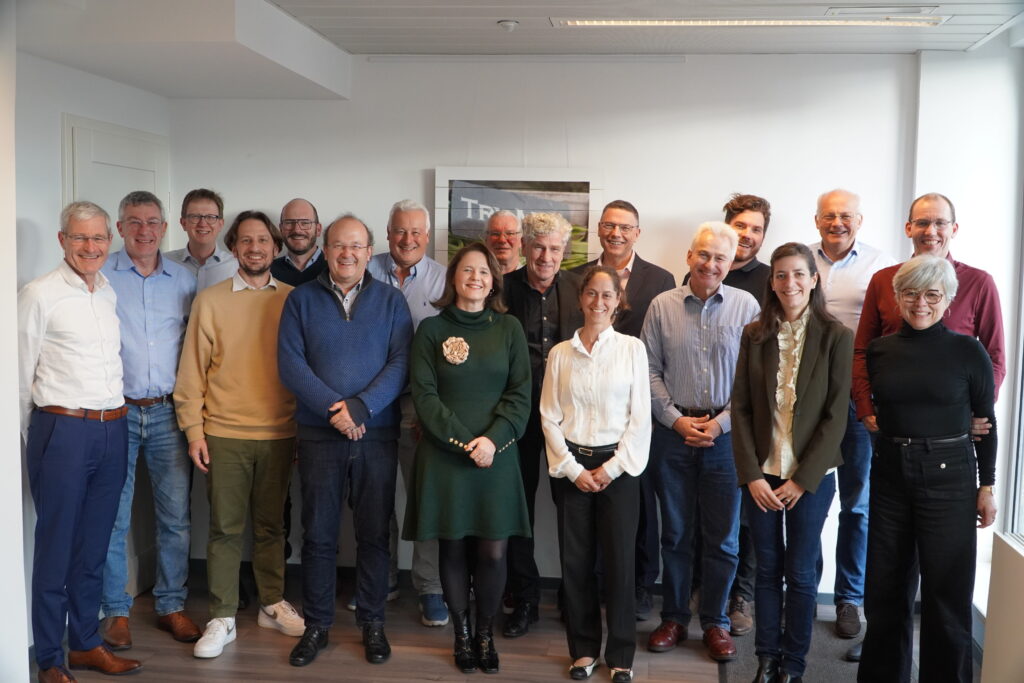
Fair access to patented traits sits at the heart of today’s plant breeding debate, raising questions about innovation, competition and collaboration. This article tackles the complex challenge of ensuring fair access to patented traits in plant breeding, a topic at the intersection of innovation, competition and sector trust. It highlights how patented technologies can drive crop improvements, but also how unclear licensing practices and limited transparency risk disadvantaging smaller breeders and weakening collaboration. Voices from industry, legal experts and associations argue that clearer frameworks, better communication and equitable licensing models are needed to maintain a competitive, innovative seed sector. Ultimately, building trust around trait access is presented as essential for sustaining innovation while keeping the sector open and fair for all players.
3. The Future of Potatoes: True Seeds, Hybrid Breeding and a New Commercial Era
April 2025
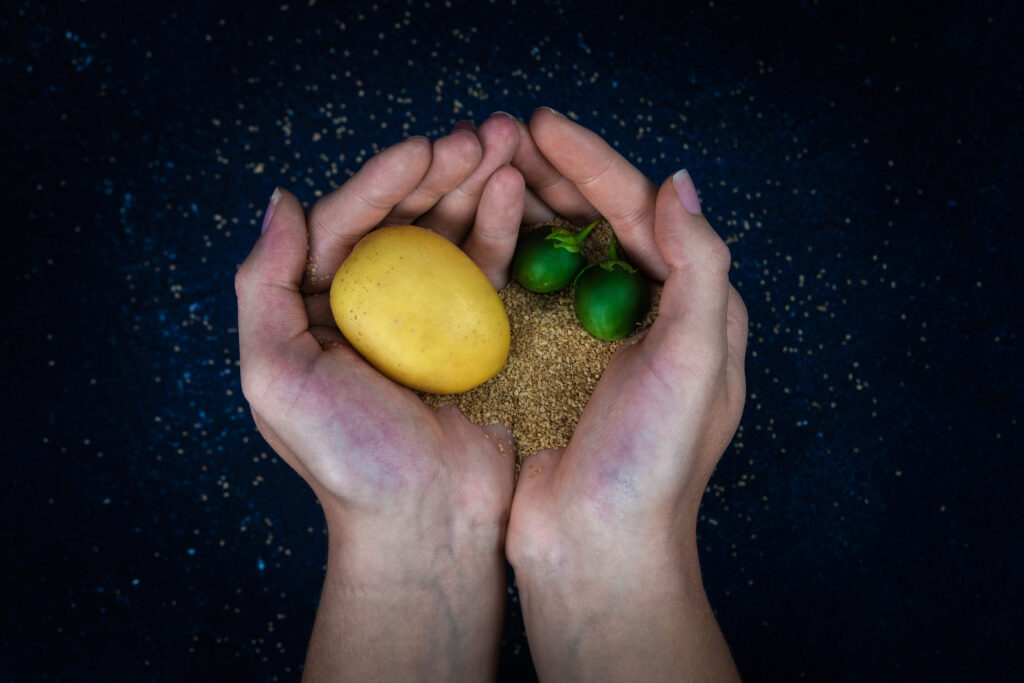
Potato innovation is entering a new commercial era, driven by hybrid breeding and true seed technologies that promise greater efficiency, uniformity and easier global distribution. Traditional potato propagation via tubers has long constrained breeding progress and increased disease risk, but hybrid approaches overcome these limitations by enabling uniform, robust plants from true seed. This article highlights the science behind hybrid potatoes, their potential to reduce costs and carbon footprints, and the early commercial players bringing these advances to market. For growers, processors and breeders alike, these developments could reshape how potatoes are bred, sold and grown in the years ahead.
2. Stop Penalizing Breeders for Their Own Success
September 2025
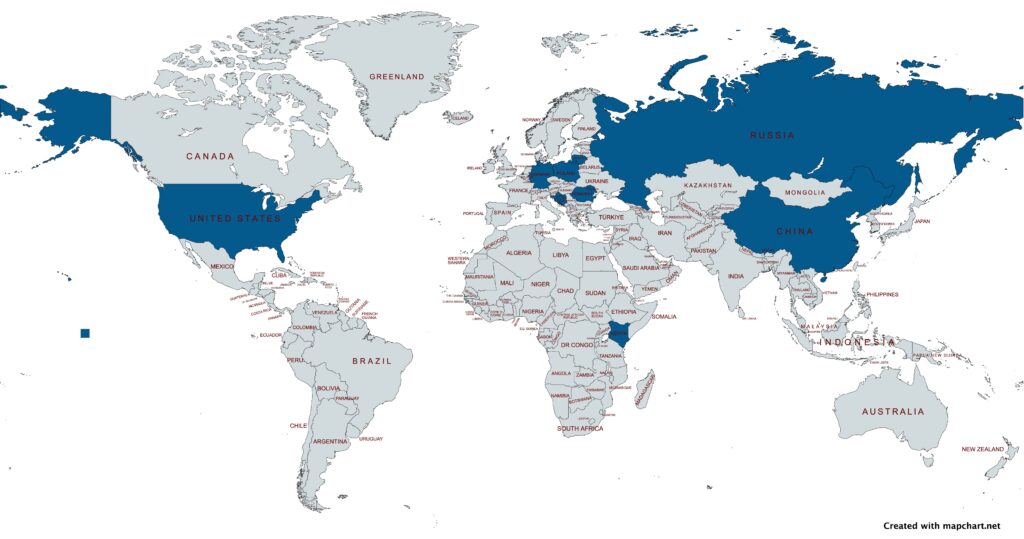
Outdated interpretations of novelty rules in a handful of UPOV countries are putting breeders’ rights at risk, by treating the commercialisation of a hybrid variety as destroying the novelty of its parent lines — even when those lines were never sold or disclosed. This article explains why this approach contradicts UPOV 1991 guidance, scientific reality and global practice. Hybrids and parent lines are legally and biologically distinct and should qualify independently for protection. Without legal clarity, innovation is discouraged. The piece calls for legislative updates, clearer guidance and better alignment to ensure breeders are rewarded — not penalised — for successful hybrid development.
1. Denmark’s EU Council Presidency Puts PRM and NGT in the Spotlight

August 2025
As Denmark took over the EU Council Presidency, two pivotal seed-sector files moved to centre stage: Plant Reproductive Material (PRM) and New Genomic Techniques (NGT). Building on progress made under Poland, Denmark was tasked with steering both dossiers through complex trilogue negotiations. PRM reform aims to modernise long-standing seed legislation, while NGT talks focussed on enabling gene-editing innovation amid unresolved debates on IP, traceability and oversight. With competitiveness, food security and climate resilience at stake, Denmark’s success depended on brokering pragmatic compromises that translate political momentum into innovation-friendly regulation.