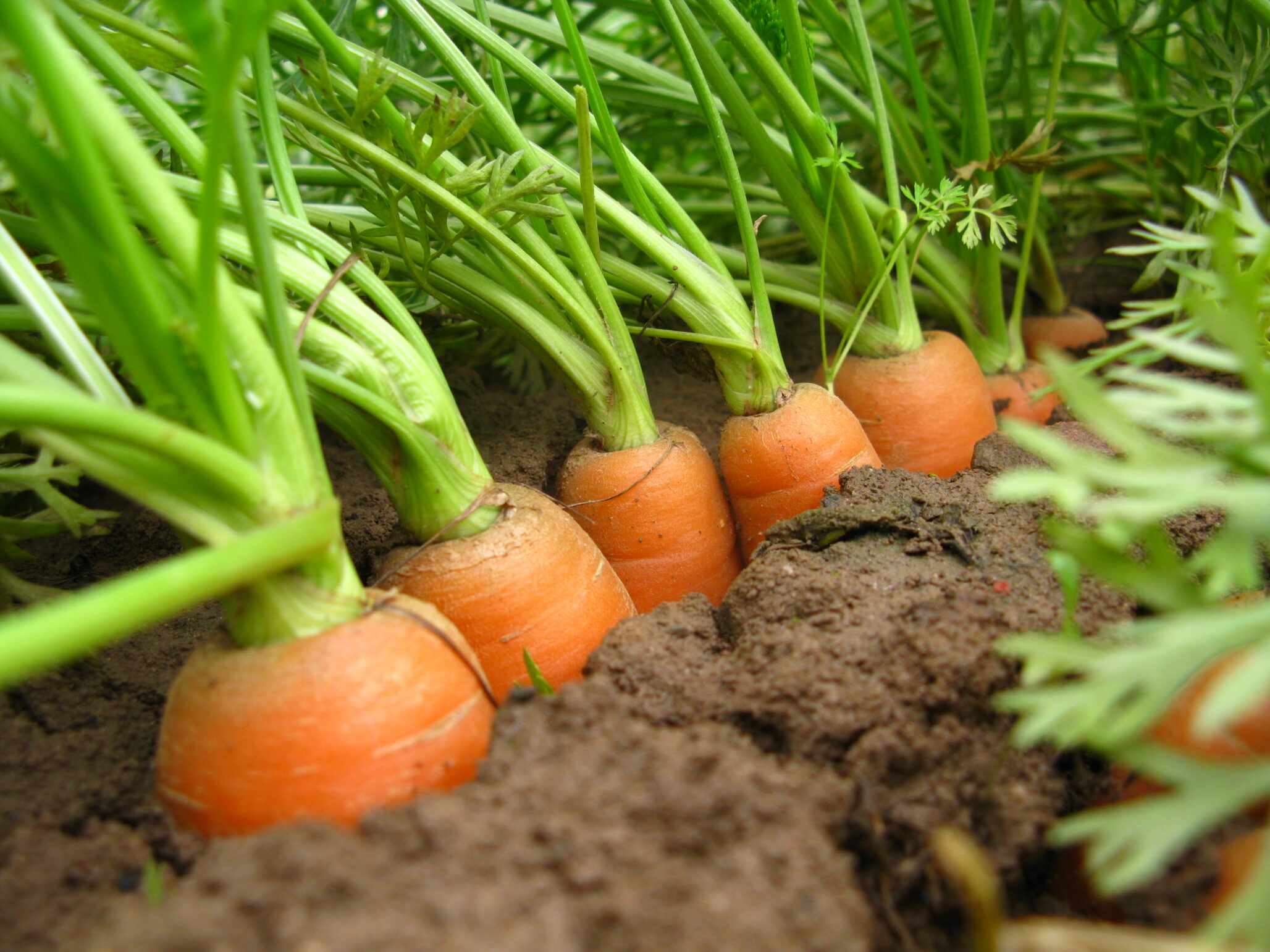
Carrots (Daucus carota) are so familiar that their humble appearance belies a complex and evolving breeding landscape. Today they are grown and consumed in virtually every corner of the globe — a staple crop in both fresh and processed markets. In 2022, global production of carrots and turnips combined exceeded 42 million tonnes annually, with increases in recent years pushing that figure toward ≈ 44.8 million tonnes in some estimates.
Beyond volume, carrots are prized for their nutritional value. A 100-g serving of raw carrot delivers about 41 kcal and is rich in beta-carotene (a precursor of vitamin A), dietary fibre, and antioxidants — nutrients linked to eye health, immune support, and reduced risk of chronic disease. In public health terms, carrots play a role in preventing micronutrient deficiency and supporting the dietary “five-a-day” fruit and vegetable goals promoted by WHO and FAO.
Yet despite its ubiquity, carrot breeding is far from static. Crop breeders now face tightening regulations on agrochemicals, accelerating climate stress, and shifting consumer preferences — especially around appearance, flavour, and novel pigmentation. To dig into how breeding is adapting, Seed World Europe interviewed five leading carrot companies: BASF | Nunhems, Bakker Brothers, Bayer Vegetable Seeds, Vilmorin-Mikado and Bejo Zaden. Their responses reveal a carrot-breeding world that is increasingly data driven, genetically diverse, and intimately connected to growers on the ground.
Breeding Targets
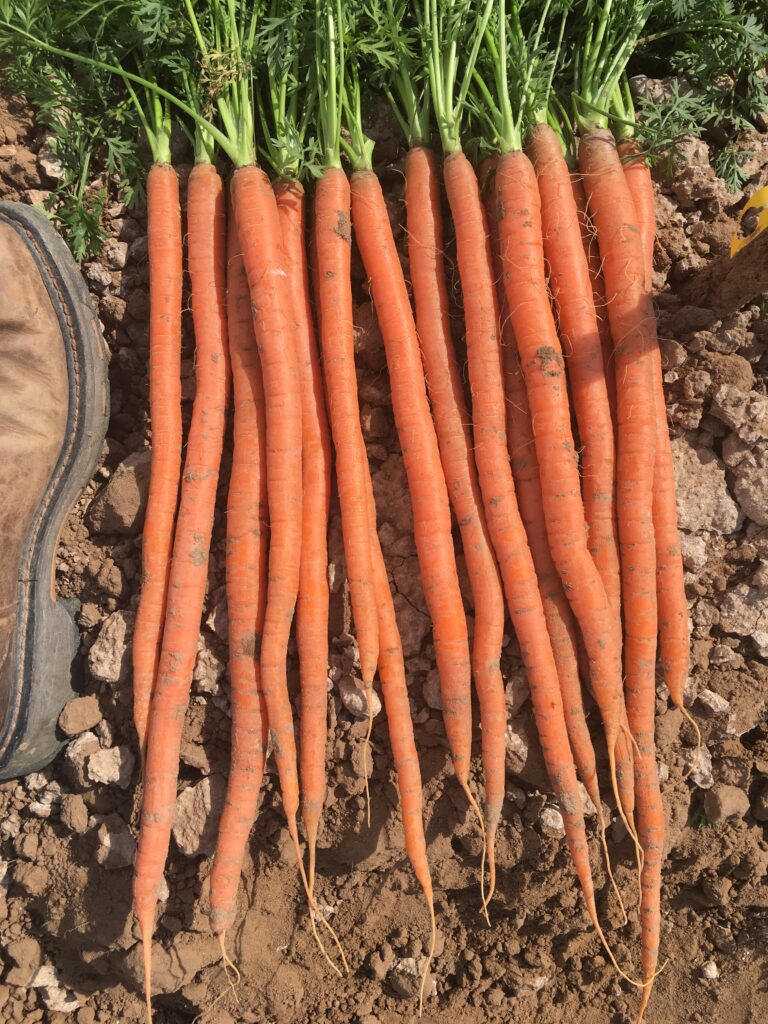
For Bakker Brothers, breeding efforts centre on F1 Nantes-type carrots — cylindrical, uniform, and brightly coloured. “Our main objectives are yield, root uniformity, colour intensity, flavour, disease resistance, and adaptability to diverse climates,” explains breeder Rik Wittink. Crop manager Anatolii Yanchuk adds that while hybrids are their primary focus, the company continues to improve its open-pollinated (OP) Nantes varieties to bridge the gap for developing markets.

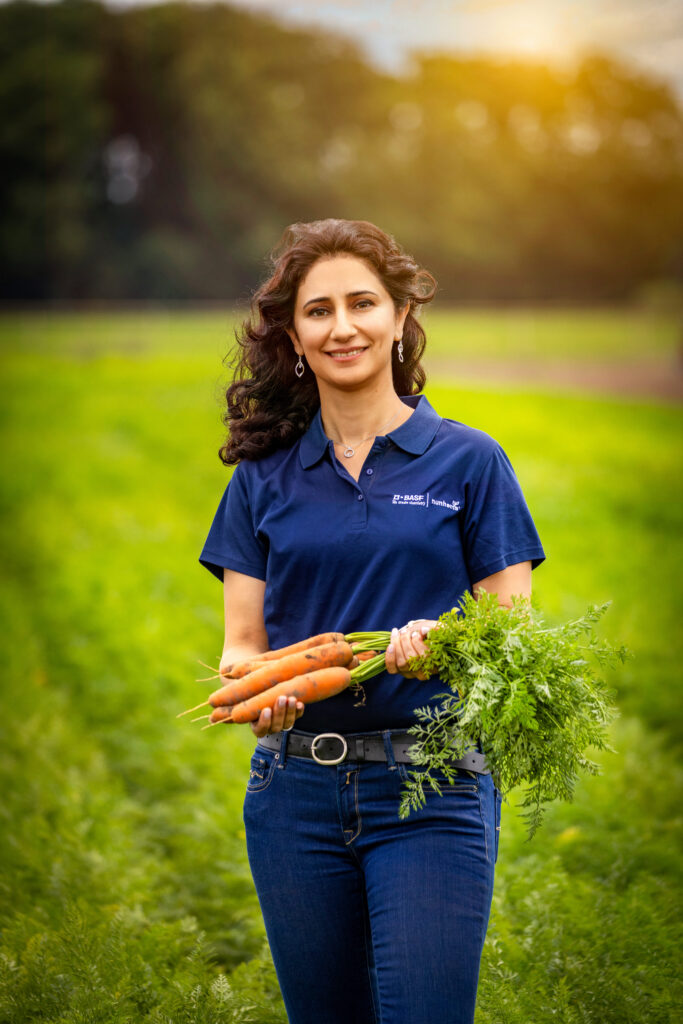
Arwa Shahin, global crop manager for carrot at BASF | Nunhems, emphasises a balance between broad agronomic performance and type-specific excellence. “Across all carrot types, our core targets include durable disease resistance, high and economical yield, resistance to splitting and wash cracking, reliable seed production, bolting resistance, and suitability for mechanised harvesting.”
She adds that specific priorities differ by type: “For Nantes, we focus on field and storage robustness and smooth root finish; for Imperator, it’s all about eating quality — flavour, sweetness, and colour.”
At Bejo, head of root crops Mathieu Fasola summarises their mission as “reliability and quality across the value chain.” Bejo’s objectives include high yield and uniformity, strong foliage for mechanical harvesting, excellent storability, and resistance to major diseases such as Alternaria, cavity spot, powdery mildew, and nematodes. “We validate our goals through extensive global trial fields to ensure consistent performance under very different growing conditions,” he notes.
Breeding by Carrot Type
Every carrot type — from long Imperators to compact Chantenays — brings its own market logic and agronomic demands. “While all share foundational goals like yield and bolting resistance,” explains Shahin, “each type also has distinct market priorities. Our strategy combines universal performance with targeted innovation.”

For Imperator types destined for cut-and-peel markets, BASF focuses on deep orange colour, uniformity, crisp texture, and long-distance storability. For Nantes, uniform shoulders, blunt tips, resistance to cracking, and field-holding strength are crucial. “Other types, have their own trait packages,” she says.
Yanchuk notes that while Nantes remains their cornerstone, they are expanding into Chantenay and other segments to address emerging markets such as India and Mexico.
Bejo takes the multi-type approach even further. “Our assortment spans early to late Nantes, Imperator, Flakkee, Berlicum, Amsterdam, Chantenay, Kuroda, and coloured carrots,” says Fasola. “We tailor breeding goals for each segment — taste and appearance for the fresh market, and uniformity, colour, and dry matter for processing.”
A World Beyond Orange
Orange may still dominate, but the colour palette of carrots is widening fast. Shahin confirms: “Demand for coloured carrots — purple, yellow, red, white, and bi-colour — is growing in snacking formats and as natural pigment sources for the food industry.”
Yet the path to commercial success isn’t easy. “The main challenge is bringing coloured germplasm up to the same standards as orange carrots — in yield, uniformity, storability, and disease tolerance,” she says. “Genetic linkages mean certain colour traits can come with drawbacks like weaker bolting resistance.”
To address this, BASF runs dedicated breeding pipelines for each colour class, ensuring pigment traits progress without slowing the main orange programs. Strict isolation distances and rigorous rogueing protect purity during seed production.
“Breeding for coloured carrots is complex and time-consuming,” Shahin concedes, “but the potential rewards are good”
Coping with Climate Change
All five companies agree that climate volatility is reshaping carrot breeding priorities. “Changing weather conditions increasingly influence our strategies,” says Yanchuk. “By running carrot trials in Egypt and Tanzania, we can identify genotypes that tolerate heat, drought, and soil stress — resilience is now a key breeding target.”
Rudie Steentjes, breeding manager carrot breeding at Bejo, describes his company’s response as a full-spectrum approach: “We screen early generations for drought and heat tolerance, test in regions with high abiotic stress, and use drone technology to monitor germination and seedling vigour.” Bejo also integrates wild carrot species through backcrossing to introduce new resilience traits.
These investments aim to ensure carrots remain a viable crop under the pressures of higher temperatures, water scarcity, and shifting disease patterns.
Working Around a Two-Year Breeding Cycle
Carrots are biennial, typically taking two years to complete a seed cycle — a serious constraint on genetic progress. Bakker Brothers accelerates breeding using winter nurseries and controlled environments to generate more cycles per year. “Controlled pollination with houseflies in isolation cages allows efficient hybrid production,” says Wittink.
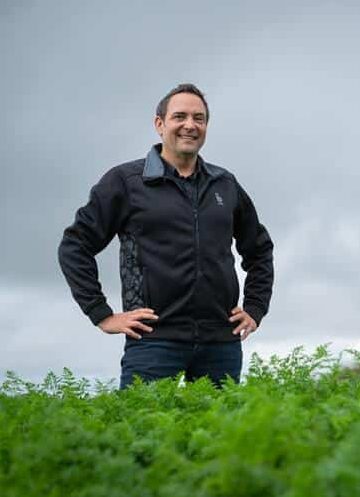
At Bayer, Laura Maupin, carrot breeder, explains how they have shortened the traditional cycle. “We’ve developed an annualised process where we grow roots in a California winter nursery, then vernalise them artificially for two months before transplanting them to Idaho for seed production. This lets us go seed-to-seed in one year and dramatically speeds up product development.”
Keeping Seed Pure
Because carrots easily cross-pollinate, seed purity is both an art and a science. Maupin describes Bayer’s dual system: “For research seed, we use netted cages to exclude outside pollinators; for commercial production, we coordinate large-scale isolations across Washington, Idaho, and Oregon using a virtual pinning map shared among companies.”
The use of cytoplasmic male sterility (CMS) ensures that only the chosen male parent contributes pollen. “We follow up with rigorous grow-outs to verify hybrid and parental purity,” he says. “Uniformity starts with seed integrity.”
The Disease Challenge
For Wittink, disease resistance remains “one of the greatest challenges in carrot breeding.” Bakker Brothers targets resistance to Alternaria leaf blight, powdery mildew, and cavity spot, while staying vigilant for emerging pathogens. “With fewer crop protection products available globally, breeders must deliver stronger in-built resistance,” he adds.
At BASF, Shahin notes a similar trend. “Reduced chemical tools — especially in Europe — have pushed us to develop varieties that perform with minimal inputs.”
The company is keen on exploring and implementing, where feasible, breeding technologies such as molecular breeding, doubled haploids, and gene-editing research to accelerate resistance discovery. “Ultimately, the solution is holistic — durable genetics combined with biological control and sound agronomic practices,” she says.
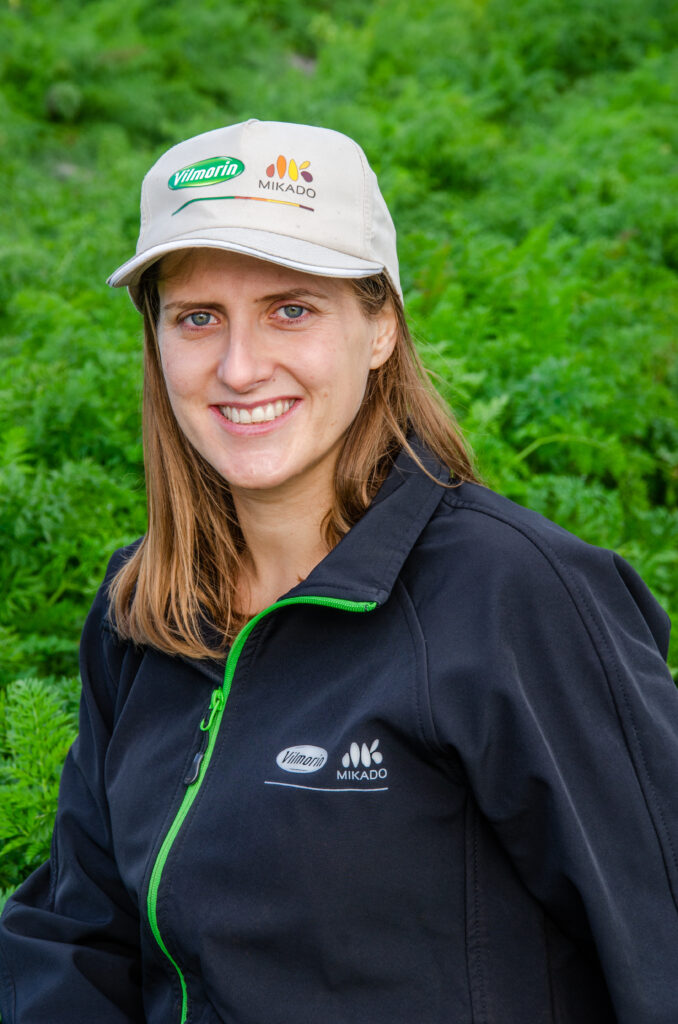
Amélie Theriez, carrot expert at Vilmorin-Mikado, underscores that shrinking access to crop protection tools has prompted the company to intensify efforts to strengthen its disease-resistance package, particularly for leaf blight and black spot.
She adds that her company has shifted to biological seed treatments and increased its focus on seed vigor to ensure strong early establishment in production systems where chemical options are expected to disappear.
Time, Cost, and Commitment
How long does it take to bring a new carrot to market? According to Wittink, “Developing a new variety generally takes eight to ten years of breeding, selection, and multi-location testing — from the Netherlands to Egypt and Tanzania.” Each cycle yields dozens of new F1 hybrids, but only a few reach the commercial stage.
Staying Aligned with Growers
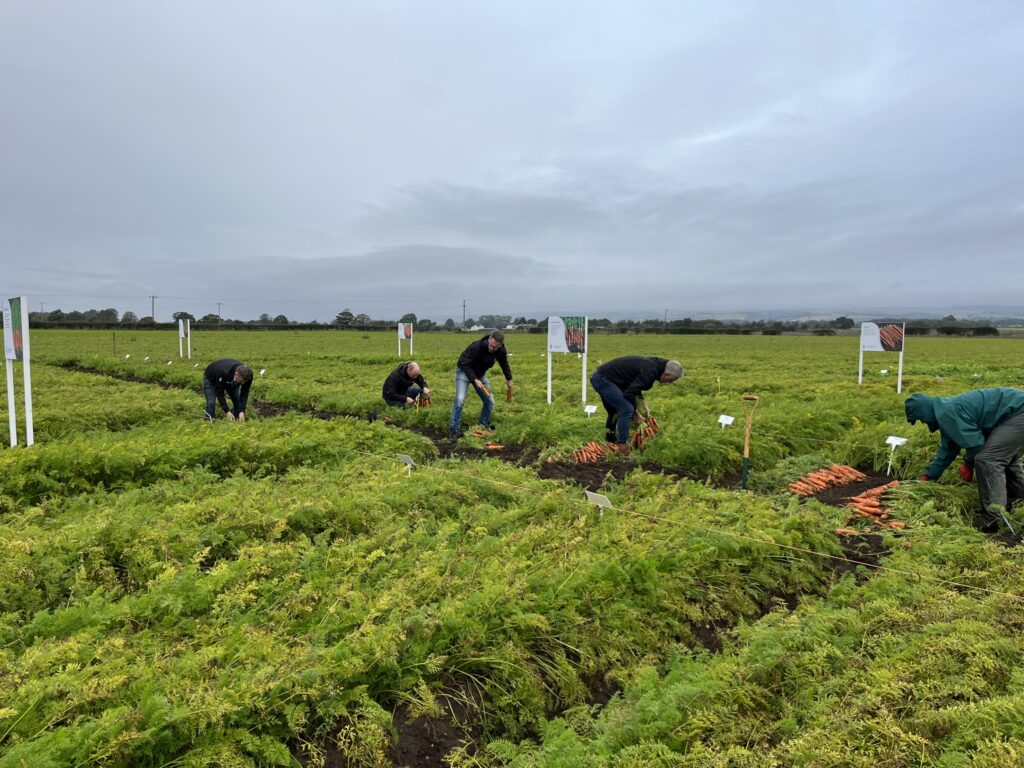
Breeding goals mean little without field validation. “We engage closely with the entire carrot supply chain — from growers to retailers,” says Shahin. “Regular consultations, demo trials, and on-farm days ensure our pipeline delivers varieties that fit real-world conditions.”
Maupin stresses the same at Bayer: “Growers are at the centre of everything we do. Our breeding, product supply, and commercial teams collaborate globally to align short- and long-term strategies.”
Fasola highlights Bejo’s ‘boots-on-the-ground’ approach: “Our local representatives and crop specialists gather feedback from growers and processors worldwide. Cooperation with research institutes like Wageningen University supports studies on taste and nutrition.”
Theriez adds that the company’s strong on-the-ground network of carrot experts ensures daily connection with growers to stay aligned with their needs. She notes that Vilmorin-Mikado places its breeding trials directly in growers’ conditions and adapts its strategy to the specific requirements of each market, whether Nantes, Kuroda, Chantenay, or others.
This constant dialogue keeps breeding programs responsive to evolving production systems, mechanisation trends, and consumer preferences.
Access to Germplasm
New regulations on Access and Benefit Sharing (ABS) have made sourcing germplasm more complex. “Yes, ABS has added bureaucracy,” says Yanchuk, “but we continue to strengthen our genetics through partnerships with universities, gene banks, and licensing agreements.”
At Bayer, Maupin points to one of the world’s strongest carrot gene pools: “Our germplasm builds on the legacy of Asgrow, Petoseed, and Royal Sluis. We also regularly introduce new material from the USDA’s Carrot Genetics and Breeding Program and collaborate with UC Davis and the Foundation for Food & Agriculture Research to tap wild carrot diversity for disease and drought tolerance.”
These collaborations not only ensure continued genetic progress but also support the wider industry through open contributions to public collections.
Integrating New Breeding Technologies
Advanced tools are accelerating progress. Bejo employs marker-assisted selection for disease and quality traits, digital phenotyping via drones, and hybrid purity control for consistent performance. “We’re always innovating through partnerships,” says Steentjes, “to deliver improved varieties faster and with greater precision.”
At BASF, molecular breeding is becoming standard. Shahin confirms, “These tools don’t replace classical breeding, but they make it much more efficient.”
Looking Ahead
Carrot breeding is changing rapidly — and yet its core mission remains the same: delivering healthy, high-performing varieties that make life easier for growers and more colourful for consumers.
From the seedbeds of Tanzania to the high-tech greenhouses of the Netherlands, today’s breeders are bridging tradition and technology to prepare the crop for tomorrow’s challenges: hotter summers, fewer pesticides, and a marketplace hungry for colour, taste, and sustainability.
As Wittink sums up, “Whether we’re breeding for Africa or Europe, the essentials don’t change — strong roots, vibrant colour, and resilience. That’s what defines a good carrot.”