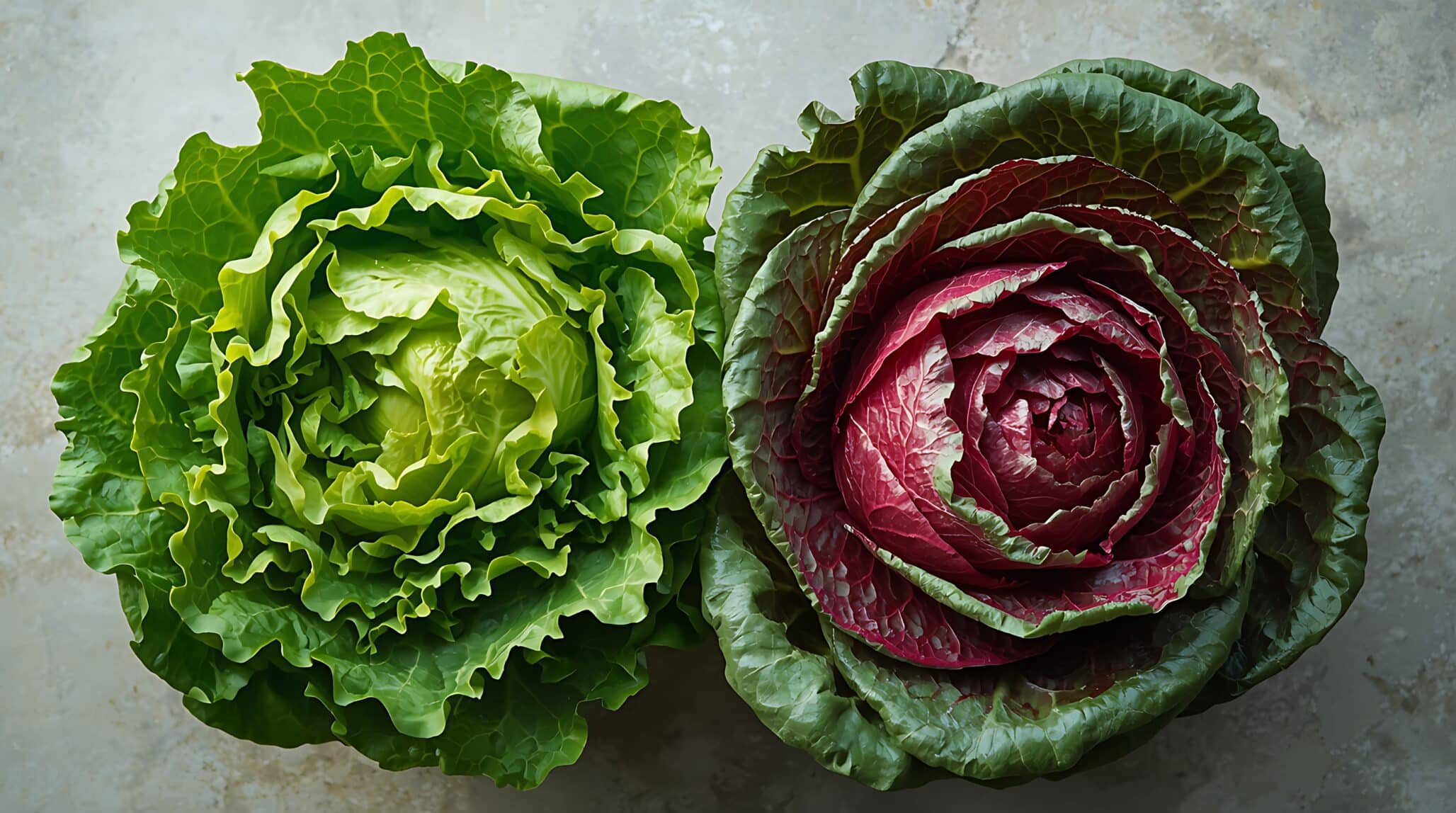
Red-leaf lettuce gets its color from anthocyanins, plant pigments known for their antioxidant properties. These compounds are produced through the flavonoid biosynthesis pathway, which begins with the amino acid phenylalanine and generates a range of plant metabolites before producing anthocyanins.
In this study, researchers used genome editing to inactivate the gene responsible for dihydroflavonol 4-reductase, an enzyme that controls a key step just before anthocyanin production in red lettuce. Disrupting this gene removed the crop’s red pigmentation. Metabolite analysis also showed increased levels of other flavonoids, including quercetin, suggesting that the plant redirected its metabolic activity toward different beneficial compounds, according to a press release.
Importantly for crop development, the genetic change did not significantly affect lettuce growth. This suggests breeders may be able to adjust flavonoid composition in lettuce while maintaining normal plant performance and yield.
The findings point to a promising strategy for developing lettuce cultivars with tailored nutritional and functional traits. Because flavonoid production is strongly affected by growing conditions such as light and temperature, the research may also support new lettuce varieties designed for controlled-environment agriculture and plant factories, where crop quality can be managed more precisely.