Seed priming with a natural plant defense molecule may help crops withstand insect and mite damage without slowing growth.
Pest control remains one of agriculture’s major challenges, driving interest in more sustainable alternatives to conventional chemical approaches. One promising strategy is seed priming, a pre-germination treatment that prepares plants to respond more effectively to stress.
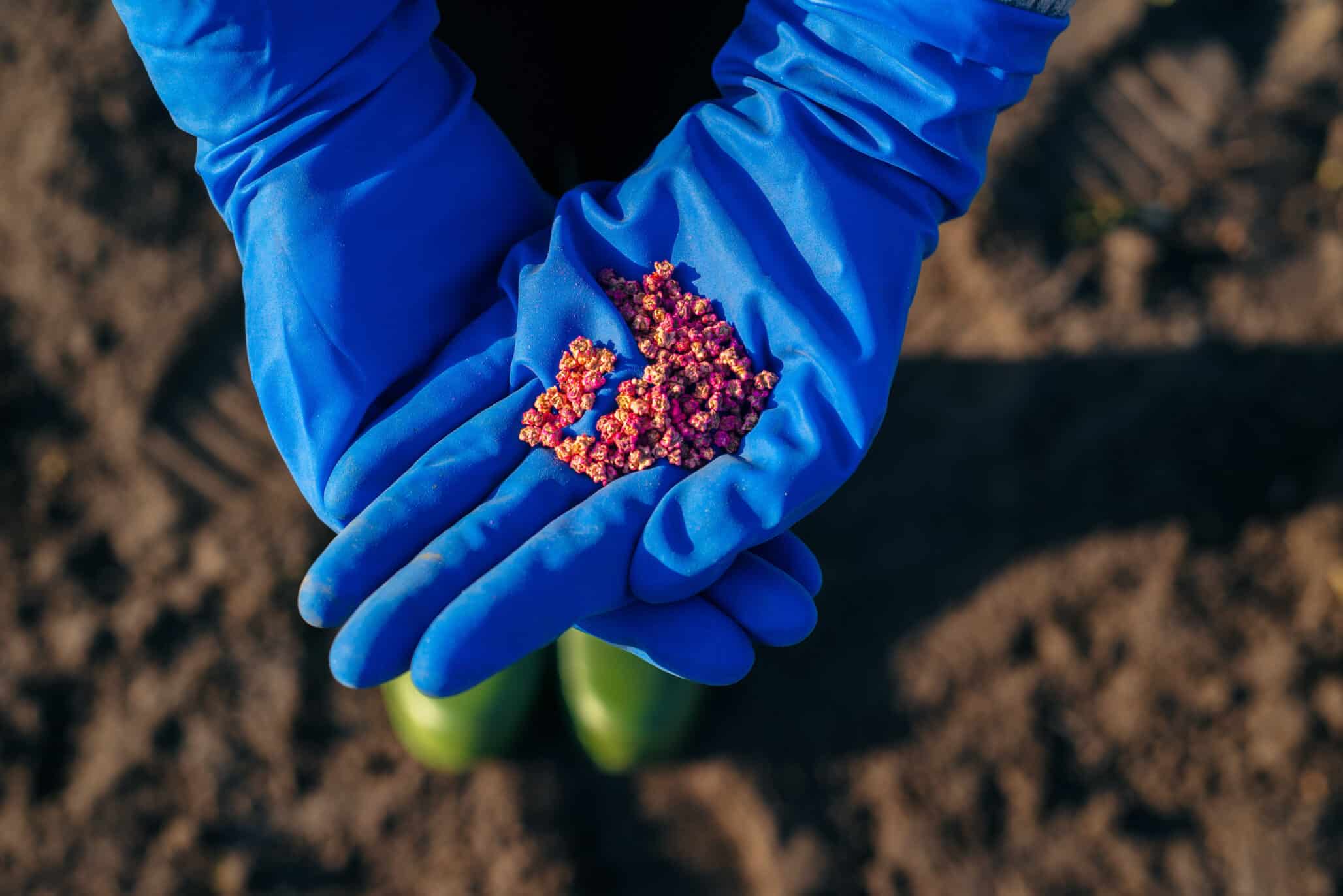
Researchers from the Center for Biotechnology and Plant Genomics, working with the Max Planck Institute for Chemical Ecology in Germany, have shown that treating seeds with methyl jasmonate, a natural molecule involved in plant defense, can increase resistance to different pests without reducing plant growth, according to a press release.
A Natural Signal for Stronger Plant Defenses
The study found the approach was effective in both Arabidopsis thaliana, a widely used model plant, and Brassica rapa, an agronomically important crop in the same botanical family. In both species, plants grown from treated seeds showed greater resistance to two herbivores with different feeding strategies: the two-spotted spider mite, Tetranychus urticae, and the cabbage white caterpillar, Pieris brassicae.
Similar Protection, Different Mechanisms
The researchers also examined the molecular changes behind the response. Although the protective effects were similar in both species, the underlying mechanisms differed significantly, depending on both the plant species and the pest involved.
The findings add to evidence that seed priming could become a useful tool for more sustainable crop protection, helping reduce reliance on chemical pesticides.