CREW warns that drought could affect river flows twice as often by 2050 as climate change brings longer and more frequent dry periods.
Farmers and growers in Scotland are being encouraged to prepare for future water shortages as climate change disrupts rainfall patterns and increases the frequency of dry weather.
The warning comes from the Centre of Expertise for Waters, or CREW, a Scottish Government-funded centre based at The James Hutton Institute.
Drought Risks Expected to Increase
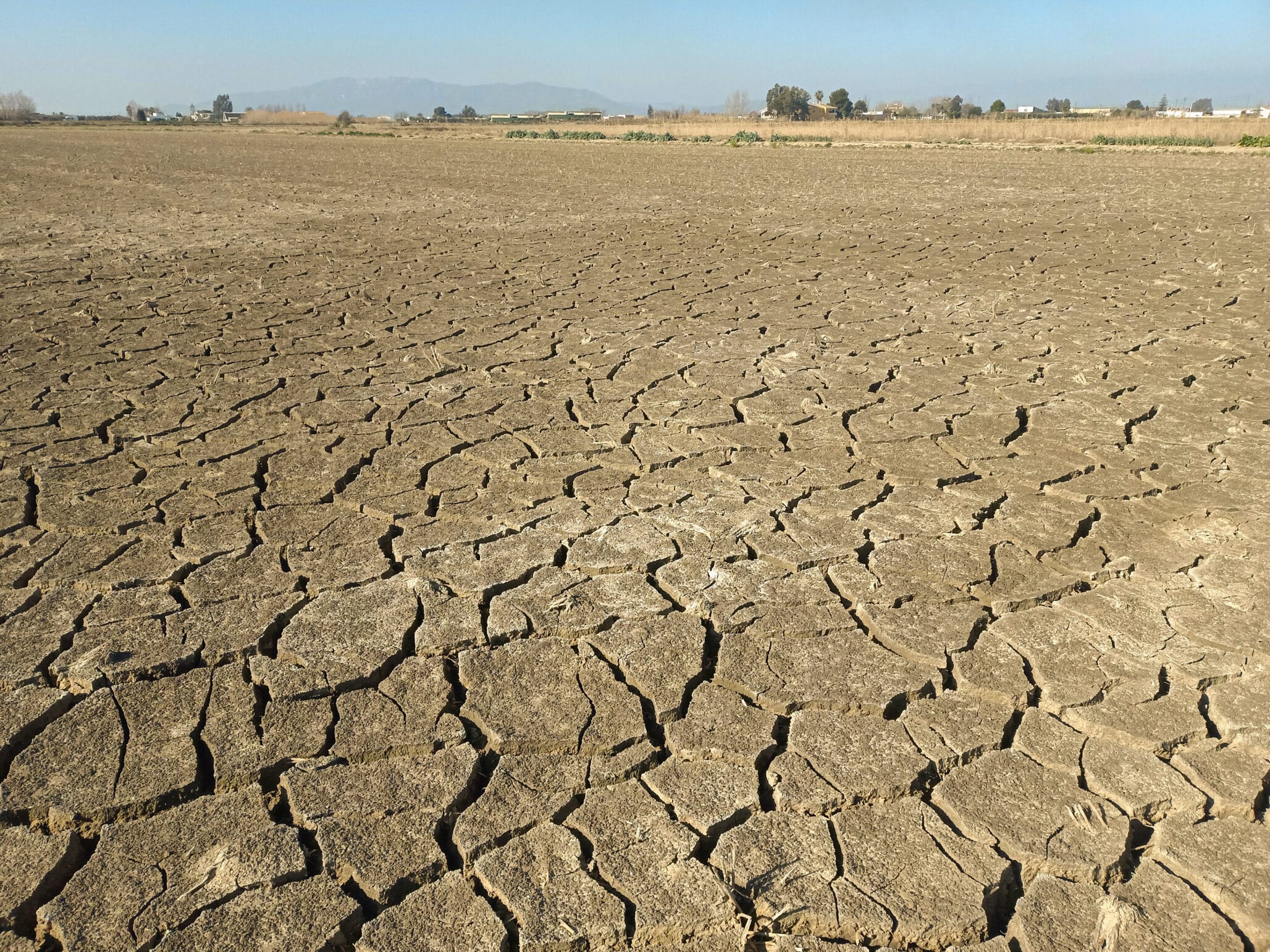
Water can no longer be assumed to be consistently plentiful in Scotland, according to CREW. Longer dry periods could place increasing pressure on crop production, livestock, freshwater habitats and wildlife.
Dr Miriam Glendell, Director of CREW, said, “Farmers are already seeing the impacts of climate change in their day-to-day practice. Research has shown that by 2050, we can expect to see drought affecting river flows twice as often than we are used to. It’s therefore important for businesses and individuals to prepare for these more frequent dry periods and plan for resilient water supplies.”
Research cited by CREW suggests the number and duration of surface water droughts could double by 2050. Eastern Scotland is also expected to experience greater summer rainfall deficits, while concerns remain about groundwater supplies in areas with limited storage and reduced recharge, according to a press release.
Guidance Helps Farms Assess Risk
CREW has published Planning for Water Scarcity, a practical guide for Scottish farmers and growers.
Developed with SRUC, The James Hutton Institute, the University of Aberdeen and SAOS, the guide outlines expected changes in water availability and options for alternative or supplementary supplies.
It also helps producers assess their exposure to water scarcity and identify measures to protect livestock welfare and crop yields.
Farms Encouraged to Build Resilience
The guide includes advice on irrigation, water use and storage, supported by examples of farms already improving management practices and strengthening drought resilience.
Farmers can also use the included tools to develop a drought risk profile and create a tailored plan for their businesses.
The guidance is referenced in the Scottish Government’s Code of Practice on Sustainable and Regenerative Agriculture.