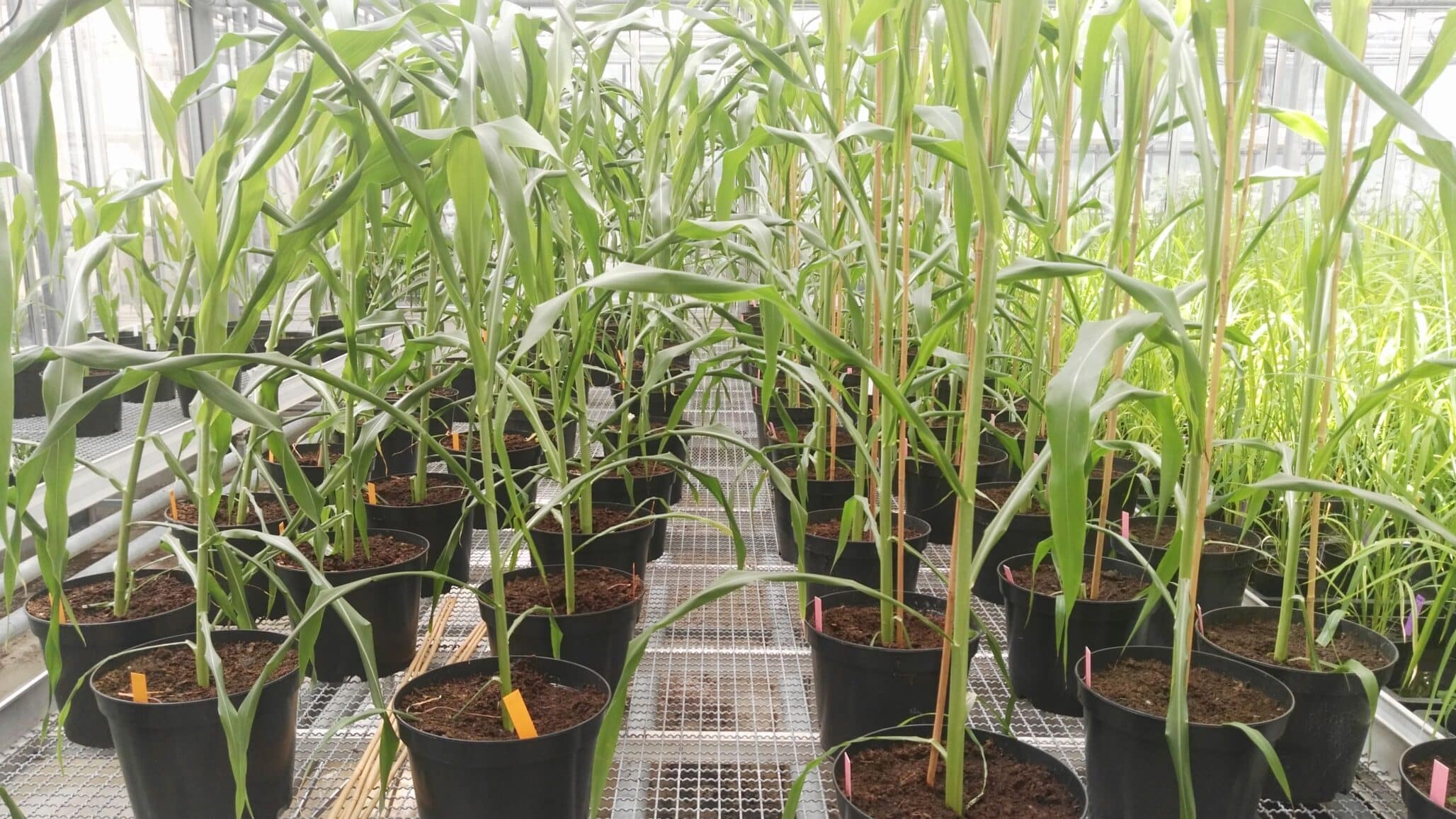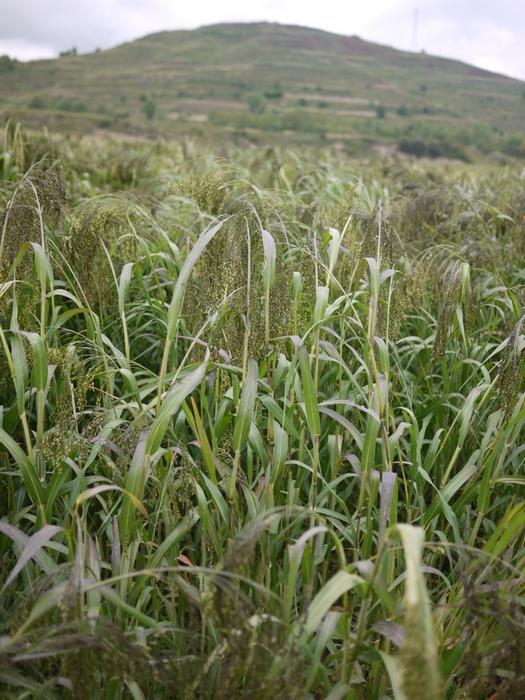
Researchers found the resilient summer crop allowed communities to cultivate drier, poorer soils while helping meet growing food demand.
The gradual adoption of broomcorn millet reshaped how Bronze Age communities used agricultural land in Central Europe, according to new research led by Vilnius University.
Researchers found that millet entered diets in southeastern Poland around 1590 BCE — more than a century earlier than previously estimated. The crop was initially consumed by only a small number of people before becoming an important food source.
The findings suggest millet was adopted locally rather than introduced through large-scale migration. Its short growing season and tolerance of dry conditions and poor soils allowed farmers to expand crop production into areas unsuitable for traditional cereals such as wheat and barley.
Tracking Millet Through Human Diets
Researchers used carbon, nitrogen, oxygen and strontium isotope analyses of human remains, along with radiocarbon dating, archaeological evidence, genetic data and other methods.
By examining tissues formed during different stages of life, the team determined when individuals began eating millet and whether they were local to the region, according to a press release.
Several early millet consumers had eaten diets dominated by wheat and barley during childhood before incorporating millet later in life. This allowed researchers to more precisely identify when the crop became part of existing farming and food systems.
Millet was not initially consumed by everyone in the communities studied.
“And the different strontium isotope compositions in the skeletal tissues of millet consumers versus non-consumers likely point to the use of distinct geological zones within the same territory, rather than to different places of birth”, explains co-author Prof Snoeck from the Vrije Universiteit Brussel (Belgium).
A Crop for Marginal Land
Because millet grows quickly and performs under relatively dry conditions and on poor soils, its cultivation gave Bronze Age farmers new land-use options.
“In response to increasing food demand and potential changes in climatic conditions, Bronze Age societies adopted a new resilient staple crop to optimise the use of previously marginal parts of their environment and improve food security”, explains lead author Dr Depaermentier from Vilnius University (Lithuania).
Millet consumers and non-consumers shared broadly similar archaeological and genetic backgrounds. The earliest consumers also had isotope signatures consistent with local origins, providing little evidence that migration was responsible for the crop’s spread.
Instead, millet cultivation appears to have changed how existing communities divided and used their agricultural landscapes.
Adoption Crossed Social Boundaries
Millet was not associated with a single demographic or social group.
“Millet consumption was not restricted to a particular sex, age group or social status”, says co-author Prof Makarowicz from the Adam Mickiewicz University in Poznań (Poland).
The researchers concluded that access to different areas of the landscape played a greater role in millet adoption than social identity.
“The study is the first to link such division of the landscape to the cultivation of a new summer crop, and to the exploitation of areas that had previously seen little agricultural use”, summarises senior author Prof Motuzaitė Matuzevičiūtė from Vilnius University (Lithuania), who is also a PI of the ERC-CoG MILWAYS project.
The findings offer historical insight into how introducing resilient crops can diversify agricultural production and help farming communities adapt to environmental pressures.