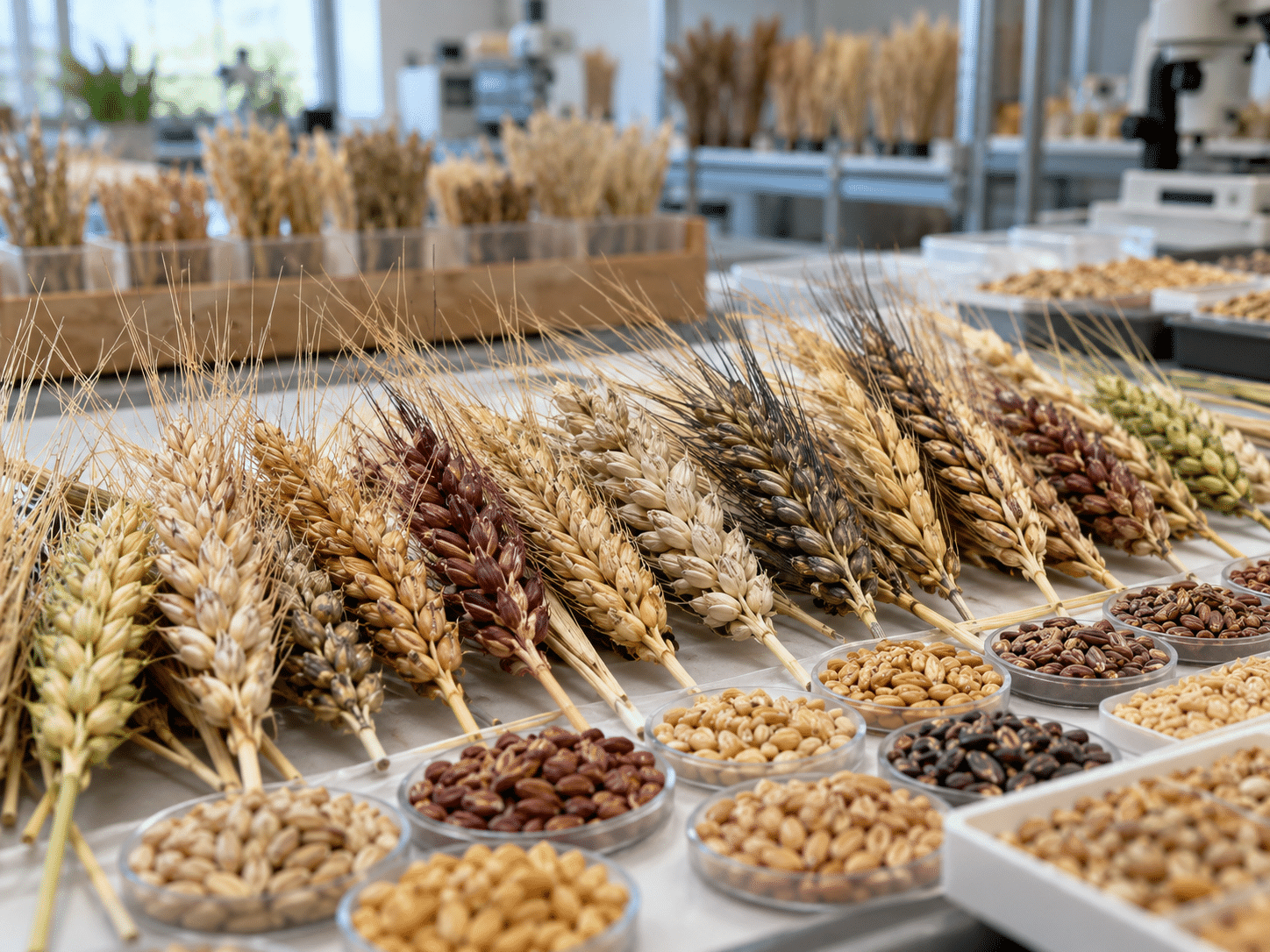
A global review of GLU B1 shows that many supposedly distinct alleles were duplicates, prompting researchers to rebuild the resource around verified genetic diversity.
Researchers at the University of Córdoba in Spain have revised the catalogue of variants of a wheat gene important to gluten quality, finding that its recorded genetic diversity was less than half what previously reported entries suggested.
The team also assembled a collection of wheat representing the gene’s verified variation, giving breeders a resource to support improvements in end-use quality.
Gluten helps bread develop a spongy crumb, gives pizza dough its elasticity and allows pasta to hold together during cooking. Glutenins are central to those properties, making them an important focus of wheat breeding.
Checking Decades of Genetic Records
Over more than 40 years, researchers identified numerous variants, or alleles, of GLU-B1, which encodes two high-molecular-weight glutenin subunits. The Catalogue of Gene Symbols for Wheat listed 98 alleles, but these had not all been compared directly, according to a press release.
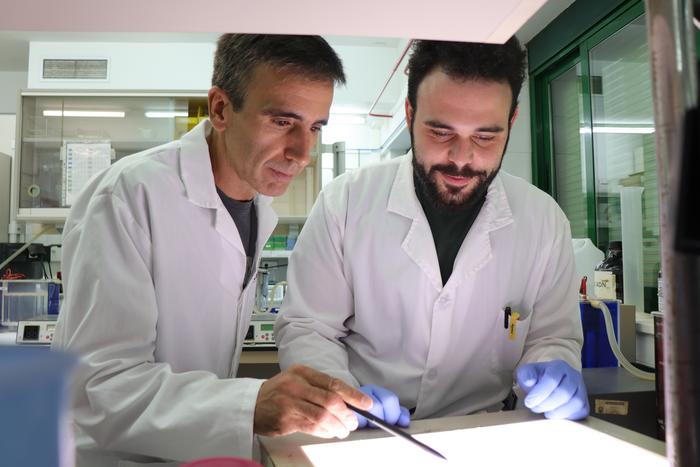
University of Córdoba researchers Francisco Andrade, Juan Bautista Álvarez and Carlos Guzmán examined whether those records accurately reflected the gene’s diversity.
“We collected wheats carrying these alleles from all over the world, studied their GLU-B1 variants, and compared them with each other,” said Guzmán.
The comparison revealed substantial duplication.
“we found that this variability was overestimated and that many of the alleles were duplicated or triplicated when we compared them with each other. Of the 98 alleles recorded, the actual variability is less than half,” said Andrade.
Building a Reference Collection
The researchers traced scientific publications and contacted germplasm banks worldwide to obtain wheat originating from 33 countries, including Nepal, Ethiopia and Mexico.
They reviewed and organised the material into a representative collection with identified alleles and duplicate entries removed.
“Now, teams that are going to conduct studies with the different versions of this gene will only have to go to a germplasm bank, where the genetic material representing the variability of that gene will be held. All the wheats will be available together as a single collection with their alleles identified and without duplication,” said Guzmán.
The collection gives researchers a common reference for studying how different alleles influence wheat quality and incorporating useful variation into breeding programmes.
Turning Gene Identification into Breeding Tools
The team previously conducted similar work on GLU-A1, another gene involved in glutenin production. That research highlighted a rare allele associated with improved baking quality and increased grain protein content.
Estonian researcher Marina Tikhonova subsequently collaborated with the Córdoba team to develop a molecular marker for the allele, helping breeders identify and select it more efficiently.
Both studies form part of the Hardiwheat project, led by Guzmán, which aims to identify, validate and make genetic variation available to breeding programmes developing higher-yielding, higher-quality wheat.