From Cold War markets and early China to California seed enhancement and global crop teams, one career crossed more than four decades of change.
In 1962, international vegetable seed business still depended heavily on letters, telexes, personal relationships and people willing to spend weeks travelling from one market to another. Breeding companies were often relatively small, many were family owned, and the global vegetable seed sector that exists today was only beginning to take shape.
That was the world Pieter van Kesteren entered when he joined Sluis Brothers in Enkhuizen. He had no particular ambition to build a career in seeds. What attracted him was something else entirely: the possibility of travelling, learning languages and seeing countries he had never visited before.
“I took the job in the seed industry for the opportunity to travel and visit other countries and learn other languages and face challenges,” he recalled. “The actual interest in seeds came later.”
It came at an opportune moment. During the four decades that followed, the vegetable seed sector would become vastly more international, technologically sophisticated and consolidated. Van Kesteren’s career moved through many of those changes, from building markets behind the Iron Curtain and travelling to China in the early 1970s, to establishing Royal Sluis in California, helping commercialise advanced seed coating technologies and eventually leading Nunhems as a global vegetable seed company.
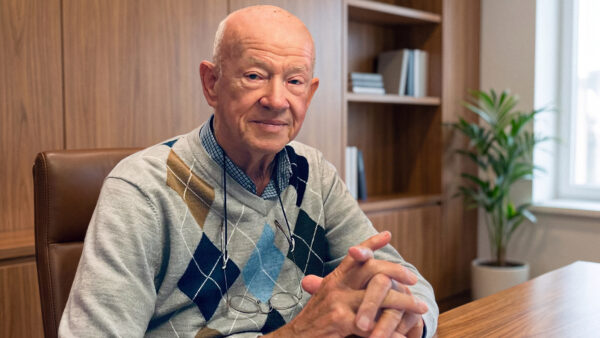
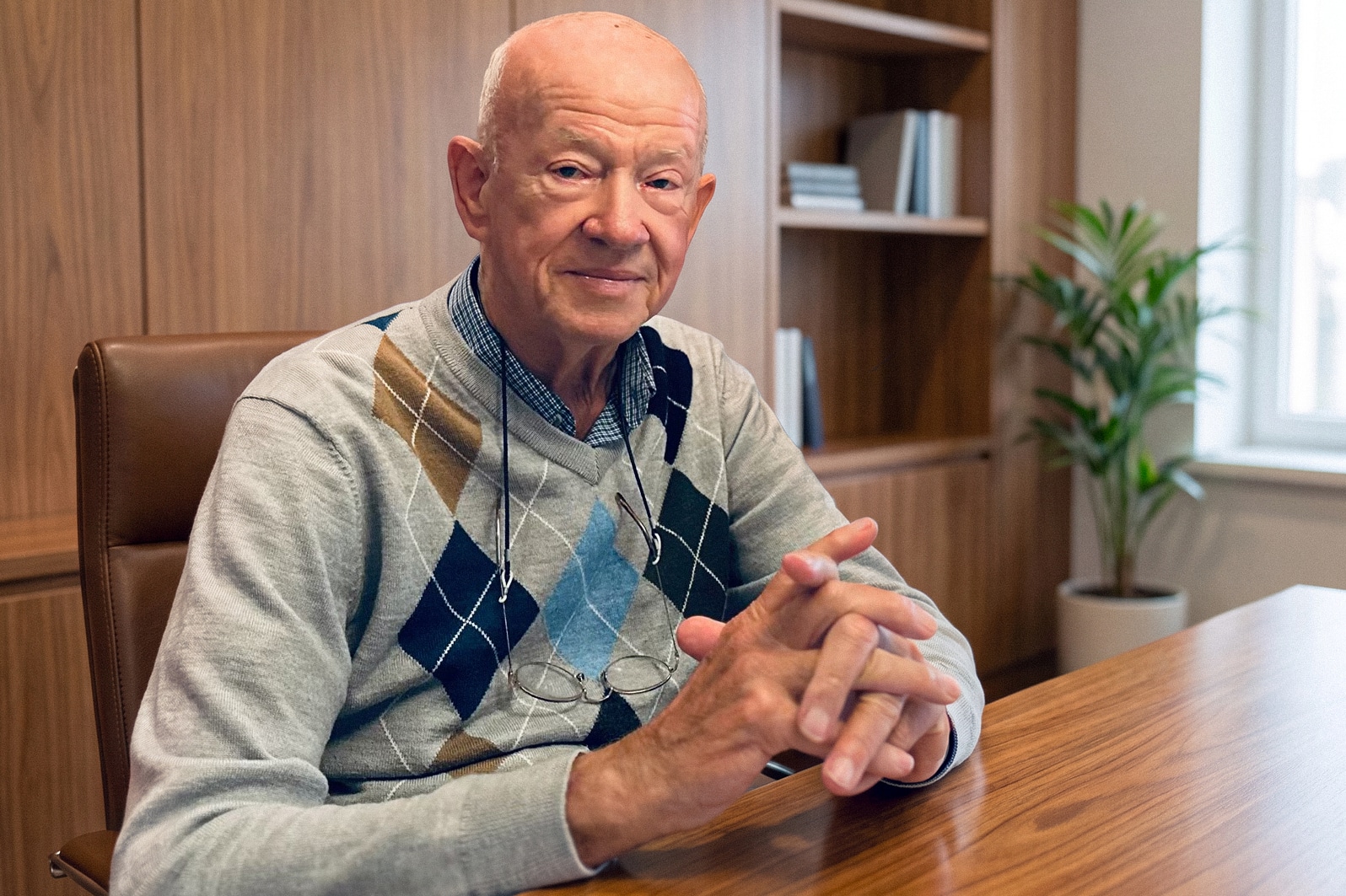
His story therefore offers something more interesting than a career chronology. It provides a first-person view of how the modern vegetable seed sector was built. Van Kesteren passed away on 30 September 2026, while this article was being prepared. The reflections included here were shared with Seed World Europe during the preceding weeks, alongside the extensive personal account he had written about his life and career in seeds.
When International Meant Personal
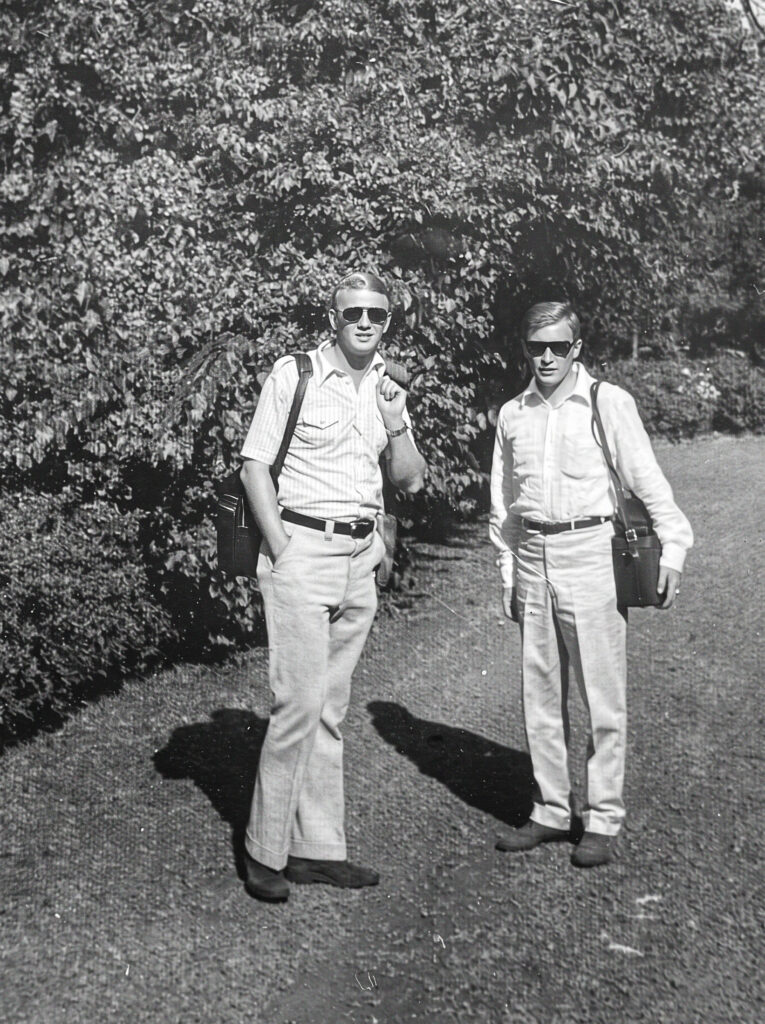
Van Kesteren arrived at Sluis Brothers almost by accident. After military service, he was looking above all for a job that would allow him to travel, and an advertisement for a field inspector to supervise French bean seed production in Tanganyika caught his attention. He knew virtually nothing about French bean seed production, and the job ultimately went to somebody else, but the three Sluis brothers who interviewed him instead offered him a position selling vegetable seed to the European canning and freezing sector. He started in June 1962.
Within months he was travelling through Germany, and Spain soon followed. His first flight, to Madrid in 1964, became the first of what he later estimated would be around four million miles flown during his working life in vegetable seeds. The distances are striking, but perhaps more revealing is what all that travel represented: international seed business could not be conducted from behind a desk.
For Dutch breeding companies, this outward orientation was almost unavoidable. Their home market was comparatively small, while opportunities existed across Europe and increasingly farther afield, but building those markets meant being physically present. Products had to be understood under local conditions, customers had to be found, and relationships had to be maintained repeatedly over many years.
That environment also gave individuals considerable room to operate. Van Kesteren remembered Simon Sluis as his first important mentor and, particularly, the freedom he was given to pursue opportunities. “Simon Sluis told me that if you think you have to do it, do it,” he recalled.
It was a management philosophy well suited to a sector expanding into unfamiliar territory. The company could not provide a detailed playbook for every country because, in many cases, no playbook existed, and van Kesteren was expected to use his own judgement.
Seeds Behind the Iron Curtain
Few places demonstrated that more clearly than Eastern Europe. Van Kesteren first travelled to Hungary in 1965 and gradually became deeply involved in the region, eventually working across Hungary, Czechoslovakia, Poland, East Germany, Romania, Bulgaria, Yugoslavia and the Soviet Union.
The commercial structures were unlike those in Western Europe. State organisations controlled seed imports and exports, varieties often required several years of official testing before they could be commercialised, and shortages of hard currency could make demand for Western genetics easier to create than the means to pay for them. Yet the vegetable processing sector in countries such as Hungary was substantial, while growers and processors were looking for higher yielding and better performing varieties.
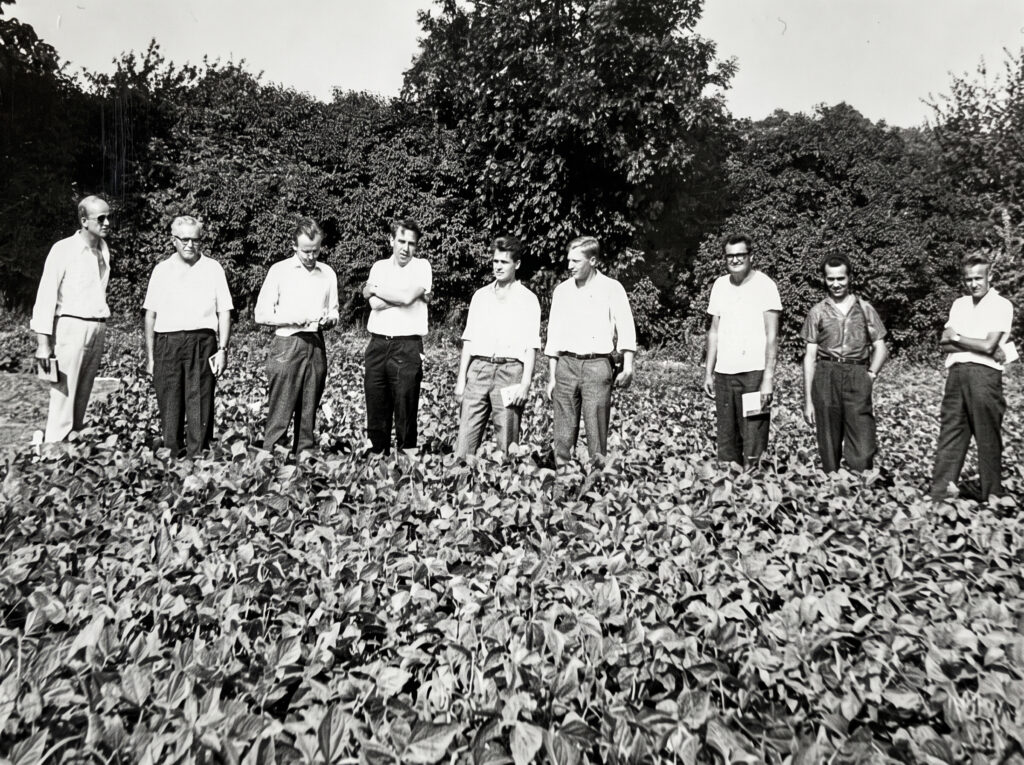
Van Kesteren’s approach was less about selling seed from a catalogue than about showing what genetics could do. In 1970, together with his Hungarian colleague Otto Hernadi, he established a large variety demonstration at Tordas, near Budapest. Hundreds of Royal Sluis varieties were planted across vegetable crops so that Hungarian specialists who were unable to visit trials in Western Europe could evaluate them under their own growing conditions. Van Kesteren called it a “living catalogue”.
The concept proved almost too successful. Thousands of visitors came, including specialists from neighbouring countries, but the performance of some of the Western varieties also exposed weaknesses in the genetics then available locally. Hungarian authorities temporarily prohibited domestic specialists from visiting the field, before intervention from senior agricultural figures allowed access to resume.
Behind the Cold War politics was a principle that remains familiar today: seeing a variety perform under local conditions can be far more persuasive than any catalogue or presentation.
Van Kesteren also found that political systems did not erase the similarities between the people working the land. “Farmers were basically the same type of people anywhere in the world,” he said. “I enjoyed building relationships with them.” In the Eastern Bloc specifically, he remembered growers as honest and straightforward, adding that it was important for him to present himself in exactly the same way.
Those relationships eventually became substantial commercial structures. Royal Sluis and its Hungarian counterparts negotiated a ten-year agreement covering seed production, licensed production, research cooperation and technical exchanges, and the resulting business reached tens of millions of Dutch guilders over the life of the arrangement.
What today might be described as international market development therefore involved much more than opening a sales office. It required working across currencies, political systems, official variety testing, seed production, technical support and personal relationships, often simultaneously.
A Wider World Opens
The same curiosity soon carried van Kesteren farther east. China had fascinated him for some time, both because of its enormous vegetable market and because its germplasm remained relatively inaccessible to Western breeders.
In 1973, Royal Sluis joined a Dutch government trade mission to the People’s Republic of China led by Ruud Lubbers, later Prime Minister of the Netherlands. At the time, travel itself reflected how distant China still was from European business networks. Air France had only recently begun flying between Europe and Beijing, and van Kesteren reached the city via Paris and Karachi; a surviving travel document from the journey still records the destination as “Peking”.
At the Dutch exhibition, Royal Sluis demonstrated pelleted lettuce seed. Van Kesteren remembered Chinese visitors crowding around to watch the coating split as germination began, apparently showing more interest in the unfamiliar sight of a seed inside a pill than in the model aircraft displayed by Fokker in the adjoining stand. It is a colourful memory, but also an early glimpse of a technological shift that would become much more important during the next stage of van Kesteren’s career.
When Value Moved into the Seed
That transformation became much more visible after van Kesteren moved to California. By the mid-1970s, the European markets he had helped develop were well established and Royal Sluis was considering a permanent American operation. After several scouting trips, Salinas emerged as the obvious location because it placed the company in the middle of one of the world’s most intensive regions for high value vegetable production.
Van Kesteren moved his family there in 1978 and began building Royal Sluis America from the ground up. The first major activity was not a conventional vegetable seed sales operation, but custom pelleting of lettuce seed using Royal Sluis’s Splitkote technology. The new Harkins Road facility opened in April 1979, and what initially looked to van Kesteren like an alarmingly large amount of empty space filled quickly as the company expanded. Within five years, Royal Sluis America had grown to around 150 employees.
The choice of pelleting as one of the first activities was significant. Small vegetable seeds were increasingly being engineered for more precise sowing and establishment, while priming and other treatments allowed companies to influence what happened during the crucial period between planting and emergence.
Royal Sluis’s Splitkote approach differed from coatings that simply depended on the surrounding material dissolving. Moisture entering the pill caused the seed to absorb water and expand, breaking the coating apart and exposing the germinating seed to oxygen. Further developments followed, including priming technologies designed to improve lettuce establishment under difficult temperature or light conditions.
Van Kesteren summarised the technological distinction more simply: “Seeds within a pill were water soluble. Ours was triggered by energy.” The underlying knowledge was guarded closely enough that he recalled technical work being divided into separate silos, adding that even as an executive he was not allowed into some laboratories because the company wanted to minimise the risk of proprietary processes leaking.
The technology only mattered, however, if it solved growers’ problems. Royal Sluis spent considerable time evaluating emergence and stand establishment in commercial vegetable regions, including difficult hot soil conditions in California’s Imperial Valley. The combination of coating, priming and precision planting contributed to Splitkote becoming highly influential in U.S. lettuce production during the 1980s.
Van Kesteren remembered the change through what growers could see in their fields. “I remember when we developed the ability to increase the growth productivity in the field by how seeds were planted and the proximity to each other,” he said. “It changed things for the farmers. Higher productivity meant higher profits.”
Interestingly, van Kesteren also revived an idea that had worked in Hungary. Royal Sluis planted a broad range of vegetable varieties alongside its Salinas facility, creating another “living catalogue” where growers and dealers could inspect material under Californian conditions. What had begun partly as a solution to restricted travel behind the Iron Curtain had proved equally useful in one of the world’s most advanced vegetable growing regions.
Seed technology itself eventually became sufficiently important to warrant a separate identity. The pelleting and seed treatment activities were placed under a new legal entity, Incotec Inc., alongside the Royal Sluis vegetable seed and research businesses.
The July 1988 issue of Seed Industry caught Royal Sluis during this period of rapid development, placing van Kesteren on its cover and examining the company’s position in the U.S. vegetable seed market. Seen from today’s perspective, the story captures an important stage in the evolution of the sector, when seed enhancement was moving from an additional service towards becoming a specialised technology field in its own right.
Van Kesteren was not entirely nostalgic about that technological progress. He also pointed to a divide that became increasingly relevant as seeds and production systems grew more sophisticated: “The advancement of technology made things more complicated. The farmers who could afford better seeds and technology had a huge advantage over others who did not.”
From Family Firms to Consolidated Businesses
Seed technology was transforming the product, while consolidation was transforming who developed and sold it. Van Kesteren had entered a business in which members of the owning family personally interviewed employees; three decades later, many of the familiar names in vegetable breeding were being absorbed into larger groups.
Royal Sluis eventually lost its independence when it was acquired by Petoseed, which subsequently became part of Seminis. Van Kesteren’s own Royal Sluis career ended after 32 years, but his departure also coincided with a broader period in which many well-known vegetable seed companies were being brought together into larger organisations.
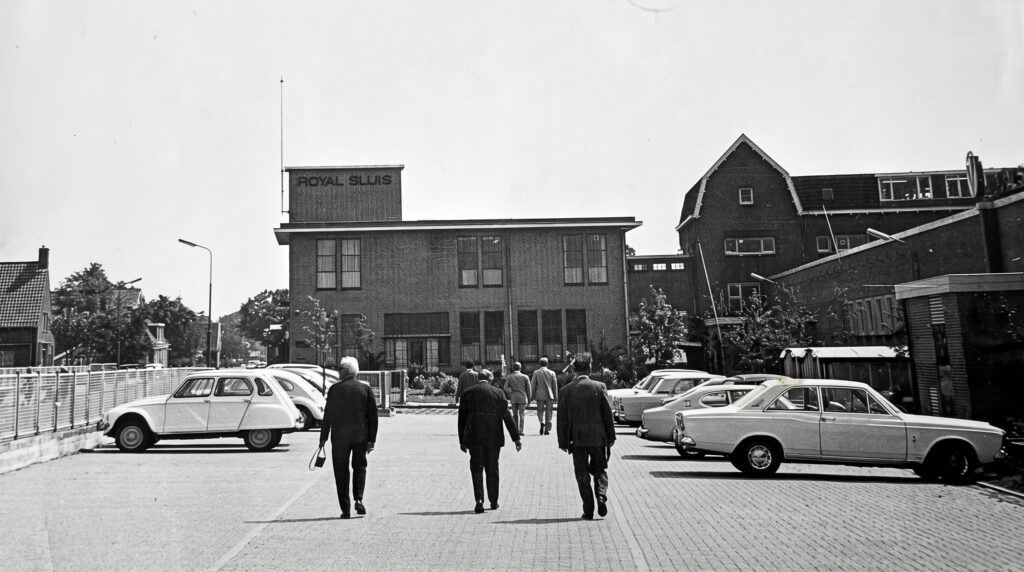
After leaving, he established his own business and worked with American seed dealers and breeding companies in Europe and Asia. That might have marked the closing chapter of a long seed career, but instead another consolidation story brought him back into company management.
In 1997, Nunhems CEO Henk Lange asked van Kesteren to assist with Nunhems’ acquisition of Sunseeds. Shortly afterwards, Lange asked him to take over the American company on an interim basis and reorganise the business. Van Kesteren’s memoir records the moment when Sunseeds managers, having seen the previous senior management leave, asked who was going to run the company; van Kesteren walked into the meeting and Lange answered simply, “with Pieter”.
The turnaround assignment evolved into a much bigger role. In spring 1999, van Kesteren joined the Board of Directors of Nunza BV, with overall responsibility for North, Central and South America, becoming closely involved in building the Brazilian subsidiary and restructuring operations in Chile and Mexico. During the same period, the company itself was moving through the consolidation reshaping the sector, with ownership passing from Hoechst through Aventis and then to Bayer.
Van Kesteren ultimately became CEO of Nunza, the holding company for Nunhems, in 2003. By his own account, Nunhems at that point had roughly 1,000 employees worldwide and annual turnover of around US$200 million. The ownership story continued after his tenure: in 2018, BASF acquired Bayer’s global vegetable seeds business, operating mainly under the Nunhems brand.
The distance from Sluis Brothers in 1962 was greater than the difference in company size alone suggests. The fundamental question of how to organise an international seed business had changed.
When International Became Global
Consolidation changed ownership, but another transformation was taking place inside the companies themselves. There is an important distinction between selling internationally and actually organising a vegetable seed business globally.
By the early 2000s, companies such as Nunhems were increasingly linking breeding, production, marketing and customers across national boundaries. A melon might be developed with input from several breeding locations, produced elsewhere and sold into markets on different continents, while the customer purchasing the seed might itself be supplying produce into an international food chain.
Nunhems responded by reorganising around global crop teams rather than relying primarily on geographical management. Profit and loss responsibility, product development, seed production and commercial information could increasingly be coordinated around the crop itself, with team members located in Europe, North America, Latin America and Asia.
It represented another fundamental change from the world van Kesteren had entered. In the 1960s, opening an international market could mean travelling repeatedly to one country until the right relationships had been established; four decades later, one of the management challenges was making people scattered around the world function as a single crop team. The vegetable seed sector had not merely become larger. The way knowledge moved through it had changed.
What Scale Changes, and What it Does Not
Looking across van Kesteren’s career reveals just how much of today’s vegetable seed sector was built during a relatively short period. Genetics crossed more borders, seed production became increasingly international, enhancement added entirely new layers of technology to the product, and independent breeding companies became parts of much larger organisations.
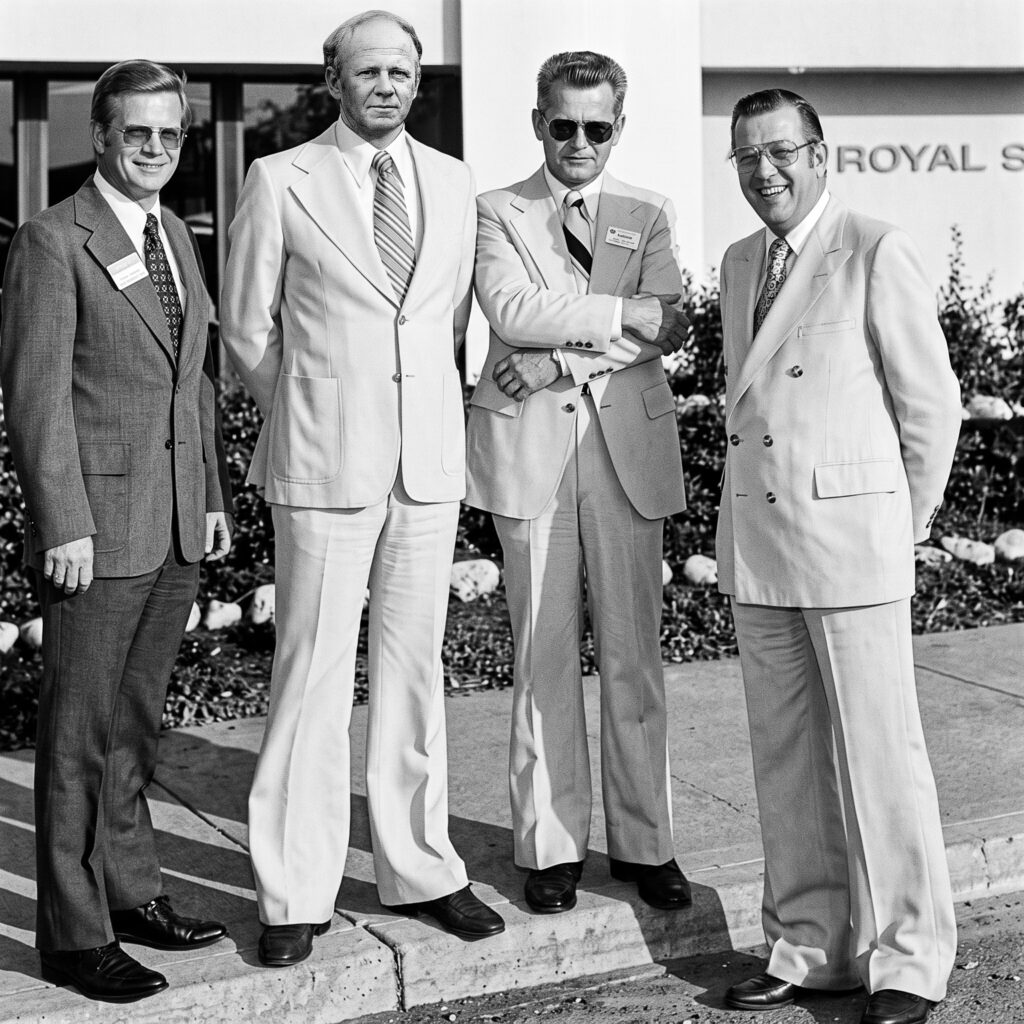
There is little reason to romanticise the earlier era. Modern breeding companies have vastly greater technological capabilities, international research networks and access to information than their predecessors, while growers benefit from levels of seed quality, resistance, uniformity and precision that would have been difficult to imagine in 1962.
Van Kesteren nevertheless believed that larger and more sophisticated organisations should be careful not to lose the freedom that allowed people to pursue opportunities in the first place. His own career repeatedly placed him in situations where there was no established formula, whether he was developing business behind the Iron Curtain, exploring China, establishing Royal Sluis America or later reorganising Sunseeds.
“If you micromanage people, you stifle creativity and risk losing to your competitors,” he said. That observation may be one of the more enduring lessons from his four decades in seeds. The tools available to breeders and seed companies have changed dramatically, as have the scale and structure of the companies using them, but innovation still requires people who are willing to recognise an opportunity and organisations prepared to give them enough freedom to pursue it.
Van Kesteren could hardly have foreseen any of that when he arrived in Enkhuizen in 1962 looking primarily for a job that would allow him to see the world. The interest in seeds came later, but by then his travels had placed him in a front row seat as much of the modern vegetable seed sector took shape.