As climate pressures intensify and the demand for innovation accelerates, Europe’s plant breeders face a critical challenge: how to develop more resilient, productive varieties faster while navigating rising research costs and increasingly complex regulatory requirements.
Spain is already confronting many of these challenges.
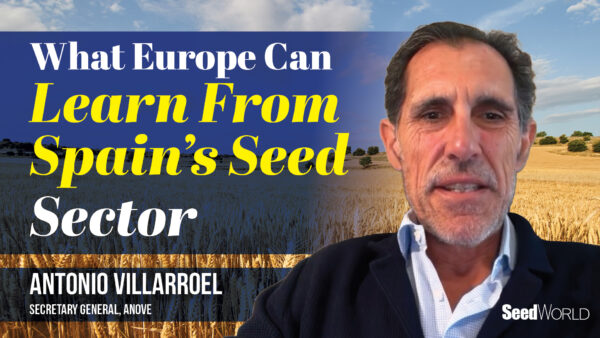
As the Euroseeds 2026 Congress begins in Valencia, Antonio Villarroel, Secretary General of ANOVE (Spanish National Association of Plant Breeders), shares what makes Spain’s seed sector a valuable testing ground for the future of European agriculture — and what policymakers, breeders and the wider seed industry can learn from its experience.
In this interview, discover:
- How Spain’s agricultural diversity is driving practical innovation across crops, climates and production systems.
- Why drought, heat and emerging pests and diseases are accelerating the need for more resilient varieties.
- How collaboration across the food value chain can help connect breeding innovation with market needs.
- Why access to new genomic techniques (NGTs), predictable intellectual property rules and efficient regulatory procedures matter for Europe’s competitiveness.
- What Europe can learn from Spain about balancing innovation, sustainability, food security and the needs of farmers.
The bigger question is not simply how quickly Europe can innovate, but whether its regulatory and commercial environment allows that innovation to reach the farmers who need it.
Spain’s experience offers important lessons for the entire European seed sector: scientific progress, effective protection of innovation and practical access to new technologies must advance together.
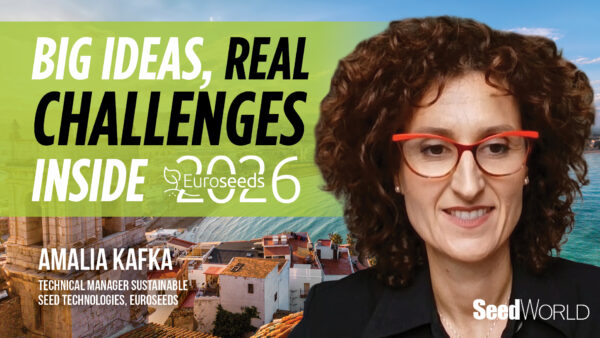
With seed industry leaders gathering in Valencia for Euroseeds 2026, this conversation offers a timely perspective on the decisions that will shape the future of European plant breeding.
Watch the interview to discover why Spain’s experience matters far beyond its borders.