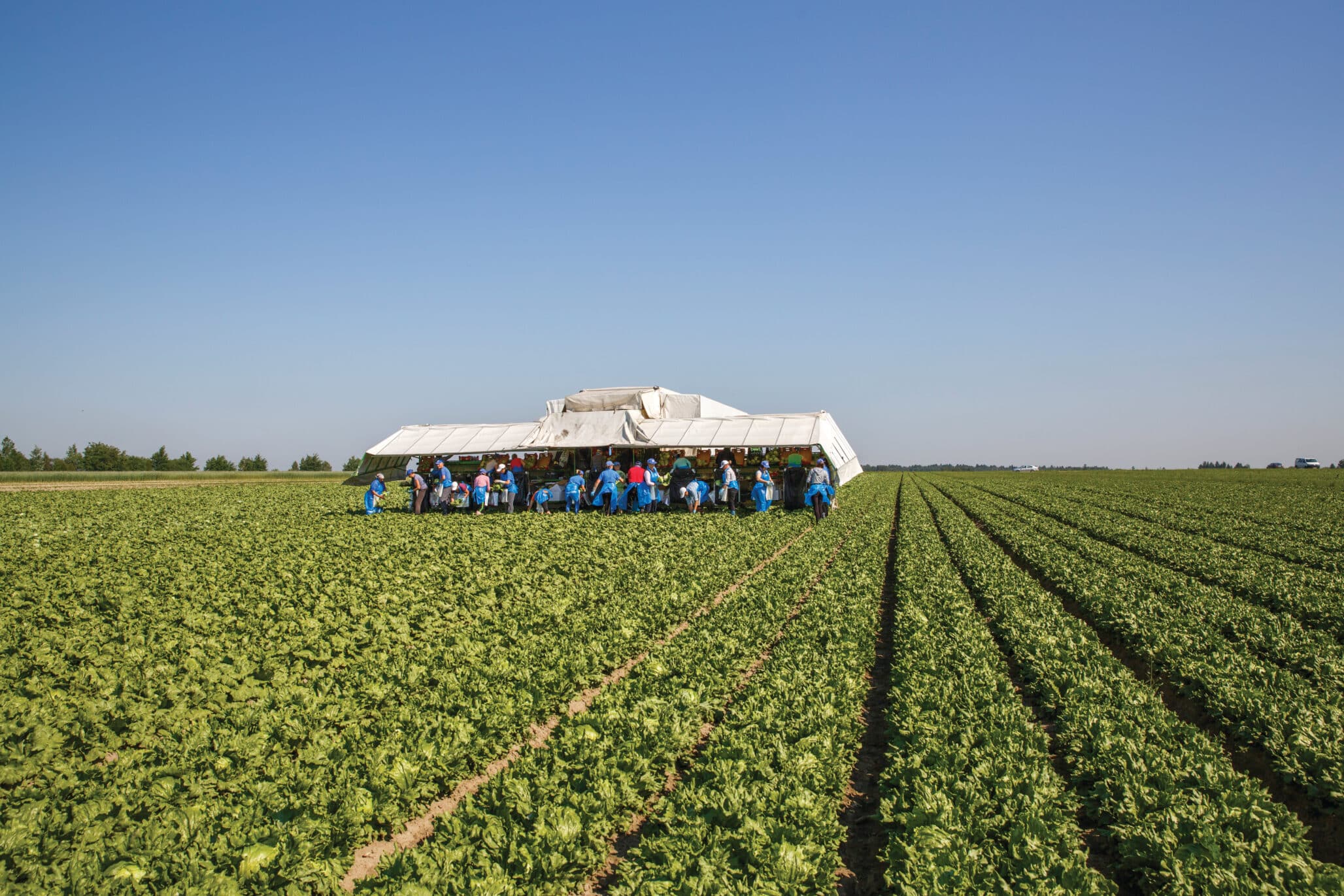
How genetics are shaping the future of vegetable harvesting.
Labour shortages, rising production costs and the rapid advancement of artificial intelligence are transforming vegetable production worldwide. While much attention is focused on new harvesting technologies, an equally important innovation is taking place behind the scenes: plant breeding. The future of automated crop production will depend not only on smarter machines, but also on crops specifically bred to align with those systems.
Labour availability is declining across the agricultural sector, especially for physically demanding and repetitive tasks. At the same time, fewer young people are entering the sector. This is intensifying concerns about the long-term sustainability of labour-intensive manual production systems. Mechanisation is no longer just a way to improve efficiency; it is becoming essential for production continuity.
The Role of Genetics in Automation
A clear example of this trend can be found in broccoli. Traditionally, broccoli harvesting has relied heavily on manual labour – and the labour requirements are even higher for products such as bimi® because each stem must be harvested individually. Recent advances in harvesting technology are now creating opportunities. Selective harvesting machines equipped with cameras, sensors and AI can assess crops based on size, colour and quality. These systems then make real-time decisions, leaving immature plants to continue growing rather than harvesting an entire field in a single pass. This improves efficiency and helps growers maximise yield and quality.
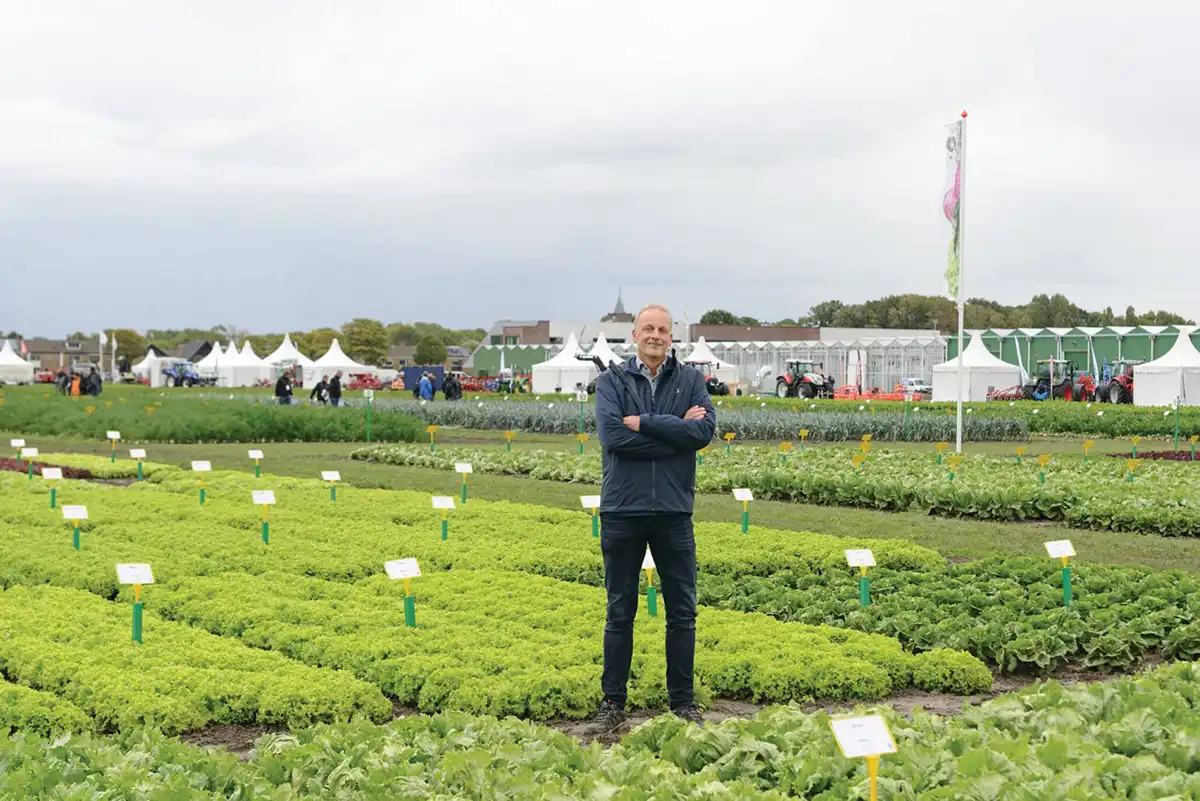
However, technology alone cannot solve the challenge. “The performance of a harvesting machine is closely linked to the characteristics of the crop it is harvesting,” explains John Buijsman, Crop Specialist Brassicas at Rijk Zwaan. “In other words, breeders and technology developers need to innovate together.” To work seamlessly with machines, varieties need specific traits. For instance, uniform plant architecture, strong stems and consistent head positioning all make mechanical or robotic harvesting more reliable. At the same time, the varieties must retain the quality, disease resistance and productivity that growers expect.
Looking Ahead: Anticipating the Future of Farming
Breeding programmes typically look many years into the future. Today’s breeding decisions are influenced by the harvesting systems that will become standard over the next decade. As automation advances, breeders must anticipate future production environments and translate those expectations into genetic improvements.
For Rijk Zwaan, this forward-looking approach includes close collaboration with growers, machine manufacturers and value chain partners. They all work together to explore how genetics and technology can complement each other to create economically viable and sustainable production systems.
A Positive Impact Beyond Labour Efficiency
The benefits extend beyond labour efficiency. Varieties developed for future growing systems can also promote sustainable production by improving resource efficiency, reducing crop losses and sustaining robust field performance under changing conditions. Faster crop development, improved disease resistance and more efficient use of water and nutrients all contribute to less environmental impact and better financial returns for growers.
As horticulture enters a new period shaped by robotics, artificial intelligence and data-driven decision-making, vegetable production will increasingly need to be built on a combination of genetics, technology and collaboration. By preparing today’s crops for tomorrow’s cultivation systems, breeders can help ensure growers remain productive, profitable and resilient in a rapidly changing world.
Curious to see this approach in action? Watch the video to join Rijk Zwaan’s crop specialists in the field.