

When Systems Start Talking: How a Simple Integration Changes the Way Seed Data is Managed

If there’s one thing I’ve learned working with seed growers, it’s that data is only useful if you can actually get to it
DLF Taps Industry Veteran Matt Fanta to Lead North American Operations
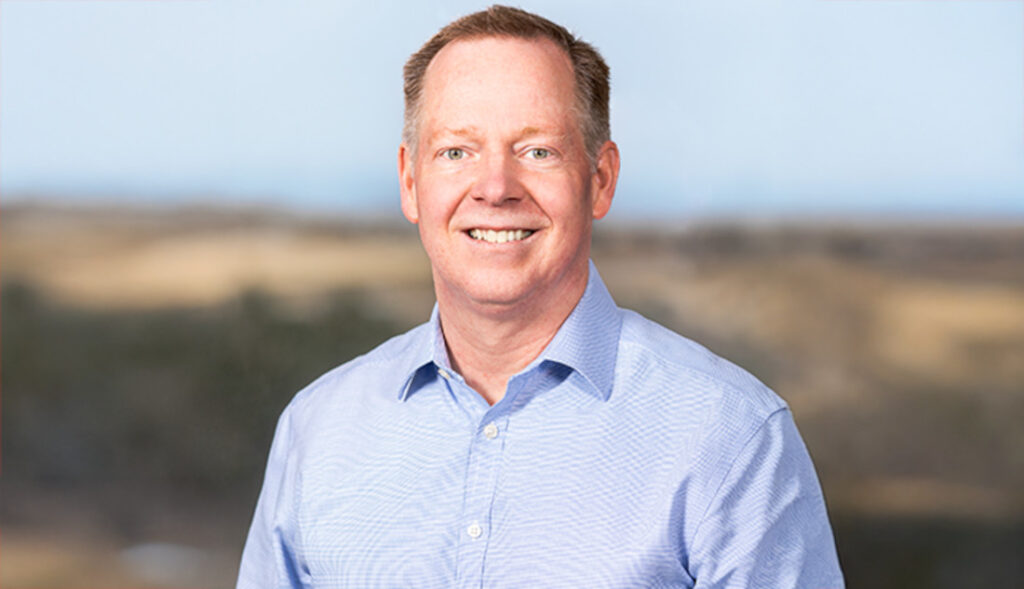
DLF has announced that Matt Fanta will join the company as executive vice-president for North America.
Científicos Avanzan en el Cultivo de Cebada a través de la Innovación Genética
Un equipo multidisciplinario de CONICET está mejorando genéticamente la variedad de cebada argentina Andreia para aumentar el contenido de almidón degradable, mejorando la eficiencia del malteado y la fermentación para la producción de cerveza. Usando un gen de la alga Ostreococcus tauri, los investigadores probaron primero el gen en Arabidopsis antes de transferirlo a la cebada.
Scientists Advance Barley Cultivation Through Genetic Innovation
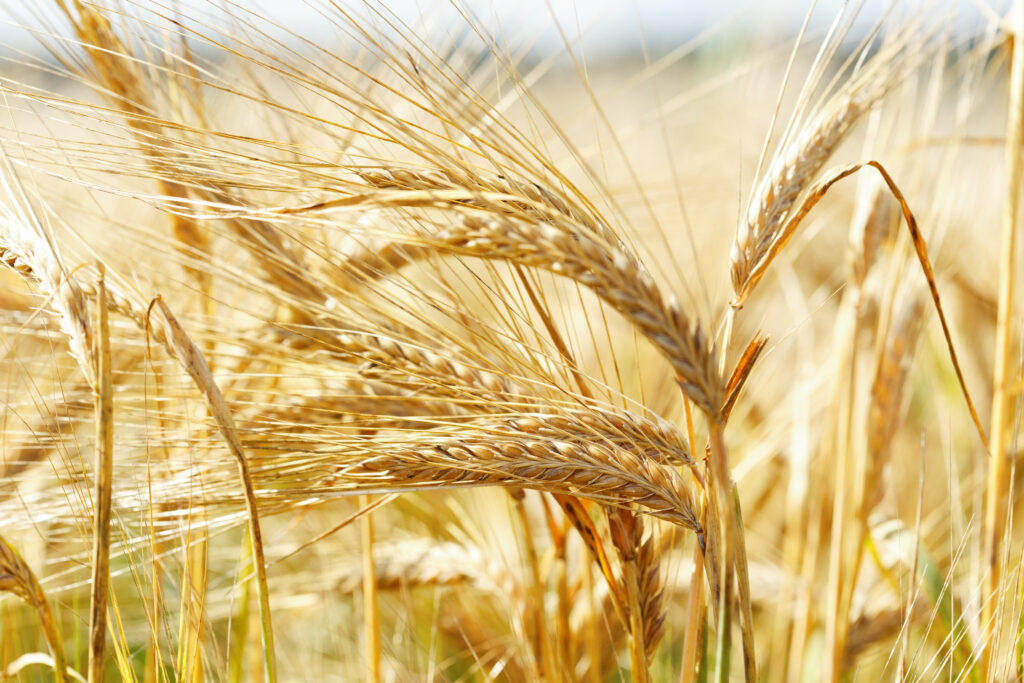
A multidisciplinary CONICET team is genetically improving Argentina’s barley variety Andreia to boost degradable starch content, enhancing malting efficiency and fermentation for brewing. Using a gene from the seaweed Ostreococcus tauri, researchers first tested the gene in Arabidopsis before transferring it to barley. The approach allows smaller starch granules and higher glucose availability, supporting better beer production and offering potential benefits for animal feed. This innovative project, recognized at the 2024 International Barley Congress, marks the first use of algae-derived enzymes in Argentine barley improvement.
An Interview With Euroseeds President Søren Halbye: Purpose, People, and the Future of Seeds
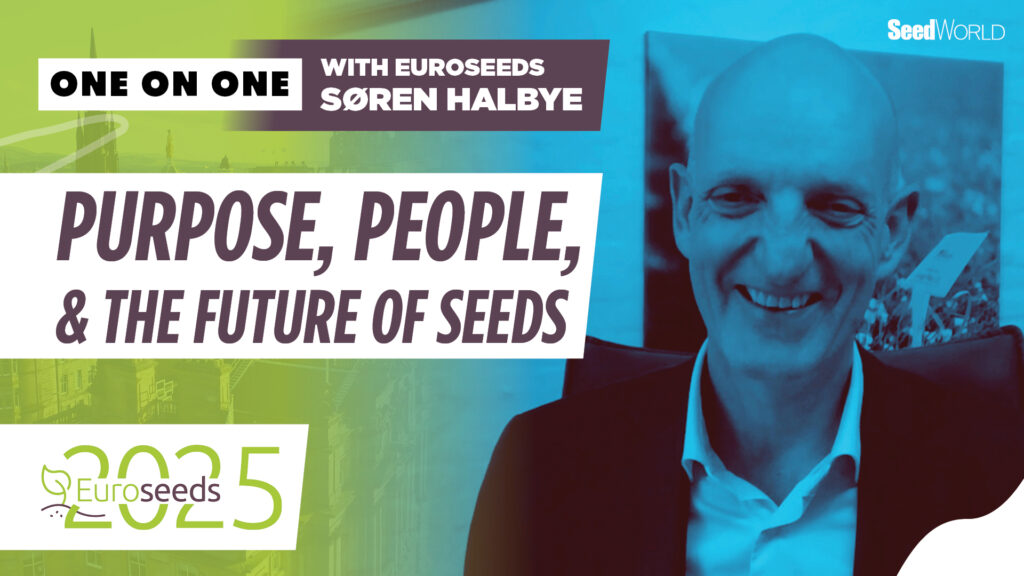
Every leader has a reason they get up in the morning — a spark that keeps them pushing forward. For Euroseeds President Søren Halbye, that spark runs deeper than policy. In this candid interview, he shares what drives him, what leadership really means to him, and why conviction matters in shaping the future of Europe’s seed sector. Join us for a personal, one-on-one conversation that looks beyond the headlines and into the heart of leadership.
Lights, Camera, and We’re LIVE from Euroseeds
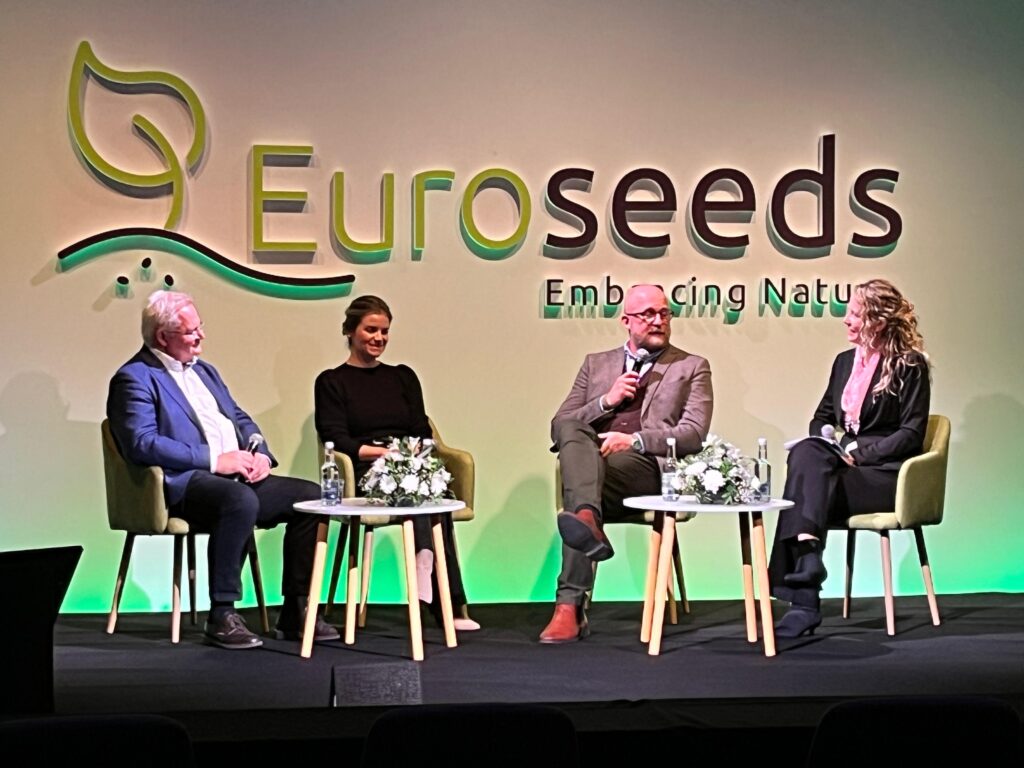
Euroseeds 2025 photo diary
Scientists Develop High-Fibre White Bread That Still Tastes Great
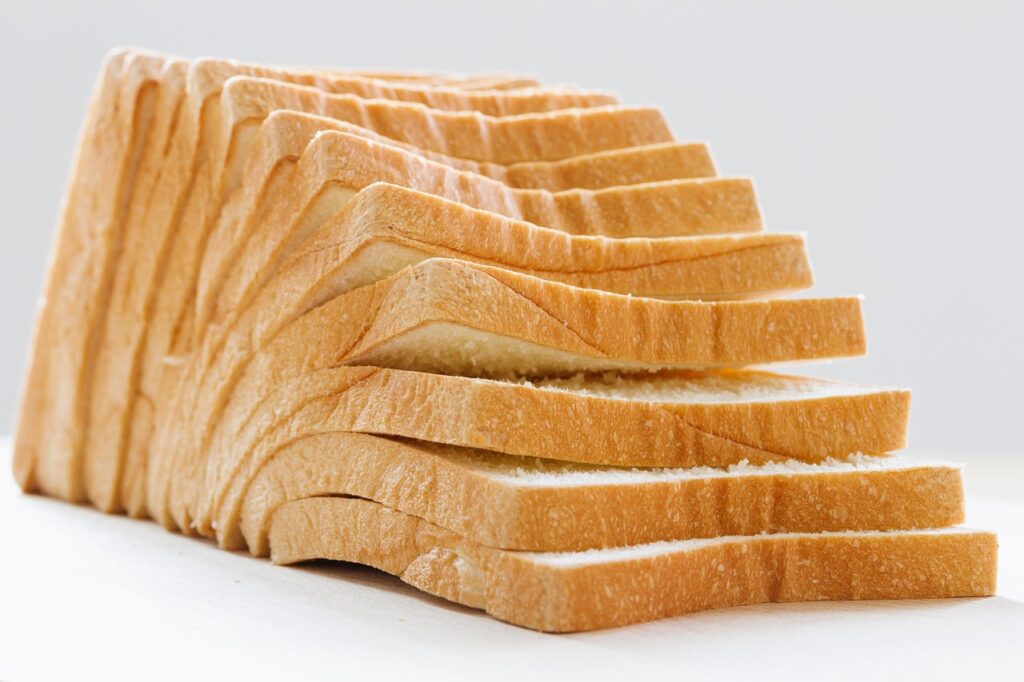
White bread may soon get a fibre-rich upgrade without sacrificing taste or texture. Researchers at Rothamsted, with partners from the University of Reading and the Allied Technical Centre, developed new high-fibre white bread recipes that maintain moisture, springiness, and overall appeal. Sensory and lab tests confirmed that boosting nutrition doesn’t mean compromising enjoyment. With bread a staple in the UK, these innovations could help consumers meet daily fibre goals while supporting public health.
Global Agri-Leaders Unite on Climate Action

The International Seed Federation and International Fresh Produce Association are partnering ahead of COP30 to showcase how innovation, collaboration, and smart policy can strengthen climate-resilient, sustainable agri-food systems from seed to shelf.
Countdown to Euroseeds
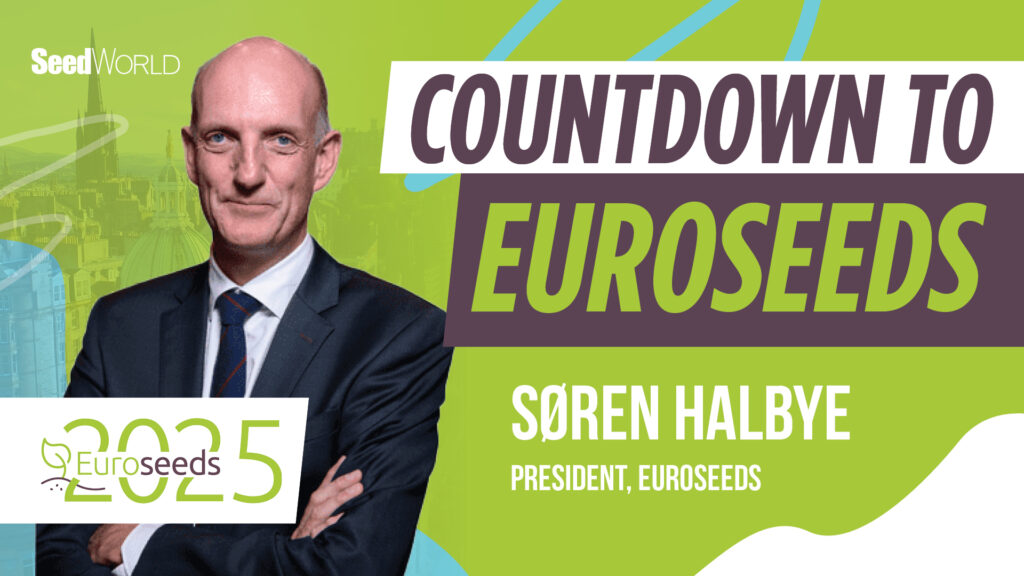
The final countdown is on! With just days until the Euroseeds Congress in Edinburgh, Euroseeds President Søren Halbye shares what makes this year’s event one to watch.
From policy debates to the InnovAction Stage, Euroseeds 2025 is set to bring the “who’s who” of the European seed sector together under one roof. Hear Søren’s take on what’s new, what’s next, and why this Congress matters for the future of seed.
Seeds of Responsibility: Cultivating a Sustainable Future from the Ground Up
For more than a century, Semillas Fitó has been at the heart of Mediterranean agriculture — breeding varieties that thrive in one of the world’s most demanding climates. Today, as sustainability becomes as essential as yield, the company faces the challenge of doing both: producing more with less, while reducing its environmental footprint.
Seed World spoke with Eduard Fitó, president of Semillas Fitó, about how the company is redefining performance, investing in employee-driven sustainability, and nurturing a culture that sees responsibility as part of its purpose.
Balancing Yield with Sustainability
For decades, plant breeding success was measured almost exclusively in yield. Today, explains Fitó, that equation has evolved.
“We used to focus on yield alone, but now we must reduce the resources required to achieve it — water, fertilizer, pesticides. That’s not just about cutting costs for farmers but about cutting environmental impact too.”
Semillas Fitó, he says, looks at productivity as a ratio — income versus resources. Improving that ratio can mean using fewer inputs or creating added value in the crop itself.
“It’s not only about getting more kilos per hectare,” Fitó adds, “but about getting more value per kilo. By creating varieties that are distinctive or premium, we help farmers generate more revenue from the same field while using fewer resources.”
The result is a more nuanced approach to breeding: productivity through efficiency and differentiation, not just volume.
Feeding Animals, Sustaining Systems
When it comes to feed crops, the equation changes again. “Animals don’t pay more for flavour or colour,” Fitó laughs, “so we can’t create added value in the same way we do for vegetables.”
In forages and maize, Semillas Fitó focuses on classic sustainability levers: yield under stress, drought tolerance, and reduced water consumption — all critical traits in Mediterranean conditions.
“Even if we can’t make animals choose one grain over another, we can make sure farmers use less water, achieve heat tolerance, and, where possible, improve protein content. That’s where we can make a real impact.”
The Traits That Matter Most for Sustainable Farming
Asked which sustainability-oriented traits the company prioritizes, Fitó is candid: “We’re not yet directly breeding for traits like nitrogen or water-use efficiency. In row crops, those input traits are complex and hard to quantify. But in vegetables, yes — we have stronger breeding programs and more room to innovate.”
In its vegetable programs, Semillas Fitó is targeting traits that save labour, such as easier pruning or smoother, thorn-free plants that reduce manual handling. Other work focuses on nutritional value, especially varieties classified as “superfoods.”
“We’re creating vegetables that not only taste good or store well, but that also contribute to human health,” he says. “That’s another form of sustainability — producing food that supports well-being.”
Beyond the Field: Embedding Sustainability in Company Practice
When asked whether sustainability extends beyond breeding into company operations, Fitó pauses thoughtfully. “To be honest, we’ve never framed it explicitly as a corporate sustainability program. We bring new varieties to market that open new opportunities, but in terms of formal initiatives across the value chain — training customers or certifying our footprint — we’re not there yet.”
Still, sustainability is taking root internally through grassroots innovation.
“We encourage all employees to propose solutions that make us more sustainable. When someone develops a new procedure that saves water or energy, we share it in our internal newsletter and recognize their idea by name. It’s not a top-down directive — it’s a bottom-up movement.”
Recent actions include the installation of solar panels, promotion of electric vehicles for employees, and a growing list of resource-saving projects born from staff ideas.
A Standout Idea: Recycling Water in Seed Extraction
Among those employee-driven innovations, one stands out vividly. “We use a lot of water to extract seeds from fruit,” Fitó explains. “One of our employees suggested re-using that water instead of discarding it.”
Though initially sceptical — seed extraction water can be contaminated — the team devised a filtration and well system that made reuse possible.
“It’s saving a significant amount of water,” says Fitó. “In the Mediterranean, where drought is constant, that’s huge. And it came entirely from within the team.”
The initiative, he notes, embodies what sustainability should look like: simple, local, and collaborative.
Sustainability as a Shared Purpose
Fitó speaks about sustainability with calm conviction, rooted not in marketing but in philosophy. “I wasn’t the one who first brought the sustainability vision to the company,” he admits. “But it has become part of who we are. I believe companies must be run by purpose — and that purpose includes a commitment to society.”
He sees sustainability not as a buzzword but as a responsibility toward the ecosystem in which a company operates. “You can’t run a business in isolation,” he concludes. “Everything we do has an impact. The more you learn, the more you understand that sustainability isn’t optional — it’s the framework that gives meaning to what we do.”
Embrapa Desarrolla un Método Basado en IA para Detectar la Oruga de Cartucho
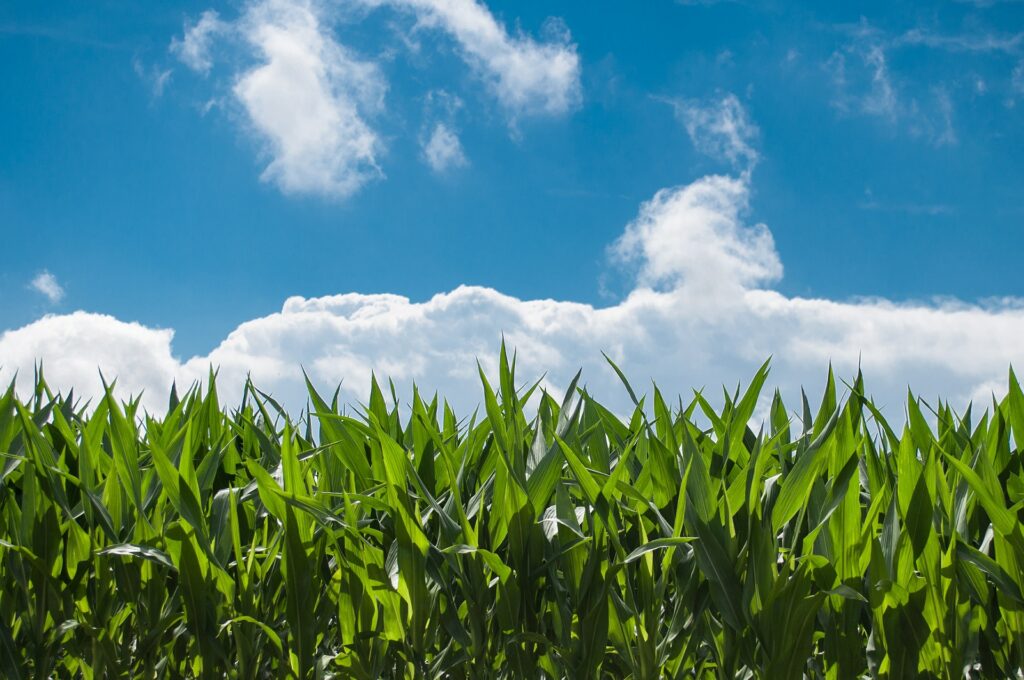
Investigadores de Embrapa Instrumentation (SP) desarrollaron un método basado en inteligencia artificial y sensores de imagen para detectar la oruga de cartucho, una plaga importante en el cultivo de maíz. El sistema identifica la oruga en hojas y mazorcas, reduciendo la dependencia de observaciones laboriosas. Esta plaga puede causar hasta un 70% de pérdida de cosechas y también afecta soja y algodón. El enfoque combina aprendizaje automático, visión por computadora y procesamiento de imágenes, permitiendo un monitoreo preciso y en tiempo real con cámaras sencillas. Futuras aplicaciones podrían incluir sistemas integrados en equipos agrícolas y detección mediante UAV para proteger los cultivos.
Embrapa Develops AI-Based Method to Detect Cartridge Caterpillar
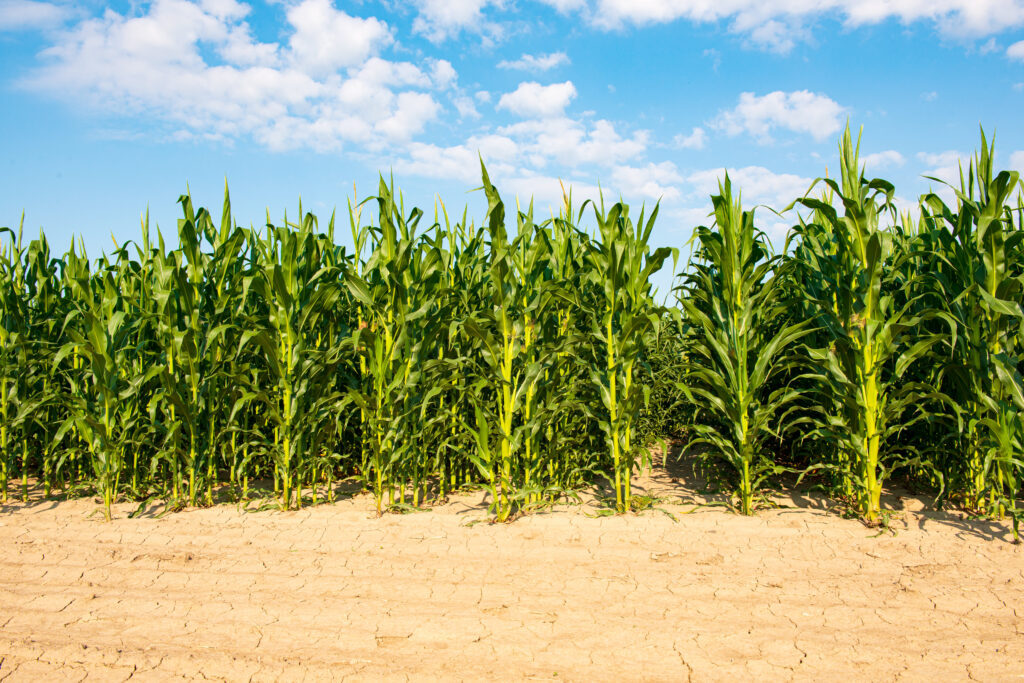
Researchers at Embrapa Instrumentation (SP) have developed an AI-powered method using image sensors to detect the cartridge caterpillar, a major pest in corn cultivation. The system identifies the caterpillar on leaves and cobs, reducing reliance on labor-intensive observation. This pest can cause up to 70% crop losses and also affects soybeans and cotton. The approach combines machine learning, computer vision, and image processing, enabling accurate, real-time monitoring with simple cameras. Future developments may include embedded field systems and UAV-based detection for improved crop protection.
FAO Celebrated 80 Years with the Launch of ‘From Seeds to Foods’ Exhibition
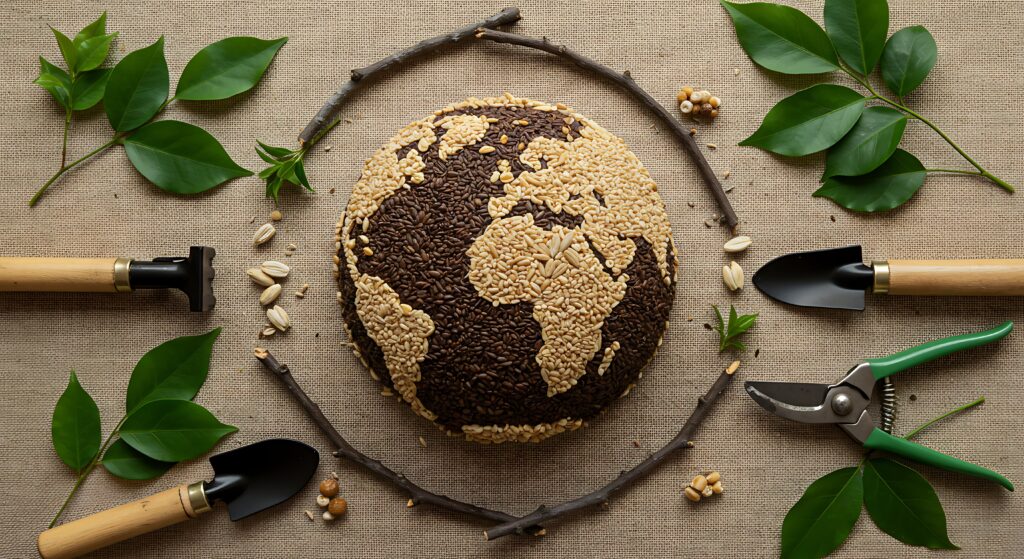
FAO opened its first global exhibition, “From Seeds to Foods,” in Rome on Oct. 10, marking its 80th anniversary. The event highlights the evolution of agrifood systems, from seeds to modern innovations, celebrating farmers, biodiversity, and sustainable food production. Visitors explored displays from the Svalbard Seed Vault to hydroponics, along with cultural performances and culinary showcases, underscoring FAO’s mission for better production, nutrition, environment, and life worldwide.
Can Peace be Forged Between Breeders’ Rights and Farmers’ Rights?
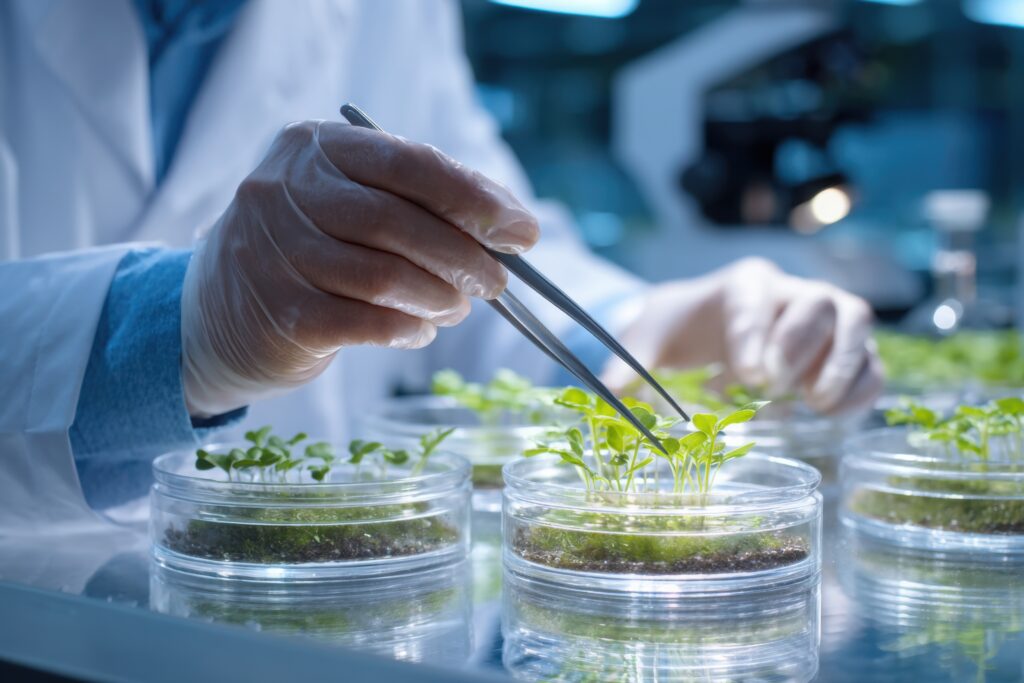
Balancing farmers’ rights and breeders’ rights remains one of agriculture’s toughest policy challenges. While breeders’ rights incentivize innovation by protecting commercial seed development, farmers’ rights recognize traditional practices of saving and exchanging seed. The real test for policymakers lies in defining where commercial activity ends and household food security begins. India’s experience shows both the promise and pitfalls of combining these rights in one law — a lesson in how nuanced, balanced definitions could finally move the global debate from confrontation to constructive dialogue.
What Happens When Public Science Gets a Private Engine? A 50-Year Success Story

Public or private? As it gears up to mark its 50th anniversary, SeCan thrives by bridging the two worlds.
‘The More Niche, The Better’: Meet the Seed Grower Who Thrives on the Unusual
Why We Need to Talk More About Vigour Testing — And Less About Size
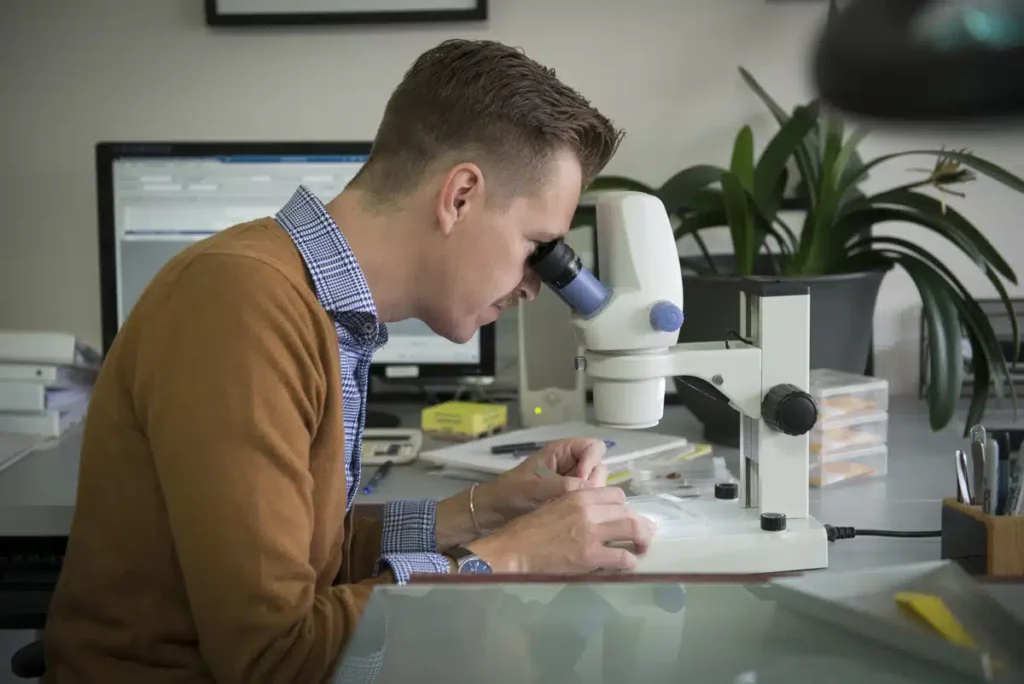
When it comes to seed testing, it’s not just about size or germination rates. It’s about understanding the true potential of a seed under real-world conditions. That’s where vigour testing […]
Why the Seed Sector Can’t Stay Silent on PBR

Comments on proposed Plant Breeders’ Rights’ amendments close Oct. 18 at midnight
How Complex it is to Simplify
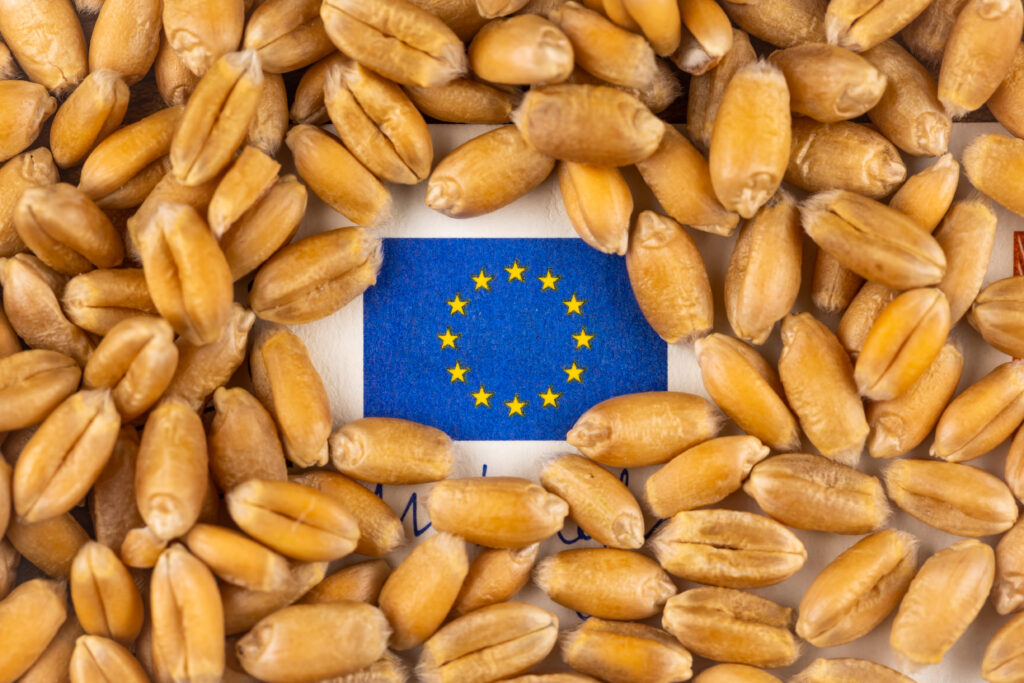
Mario Draghi’s call to cut EU “red tape” has reignited debate over how regulation affects competitiveness. Despite two decades of promises to simplify EU rules, real progress has been limited — a result of ongoing power struggles between the European Commission and Member States. As the Commission now pledges to lead by example and embed simplification into its core agenda, the seed sector faces both a challenge and an opportunity: to actively engage, rethink its practices, and help shape smarter, more effective regulation for the future.
Biologicals, Benchmarks & Big Leaps: How New Playbooks and Clear Policy Empower Innovation for 2025 and Beyond
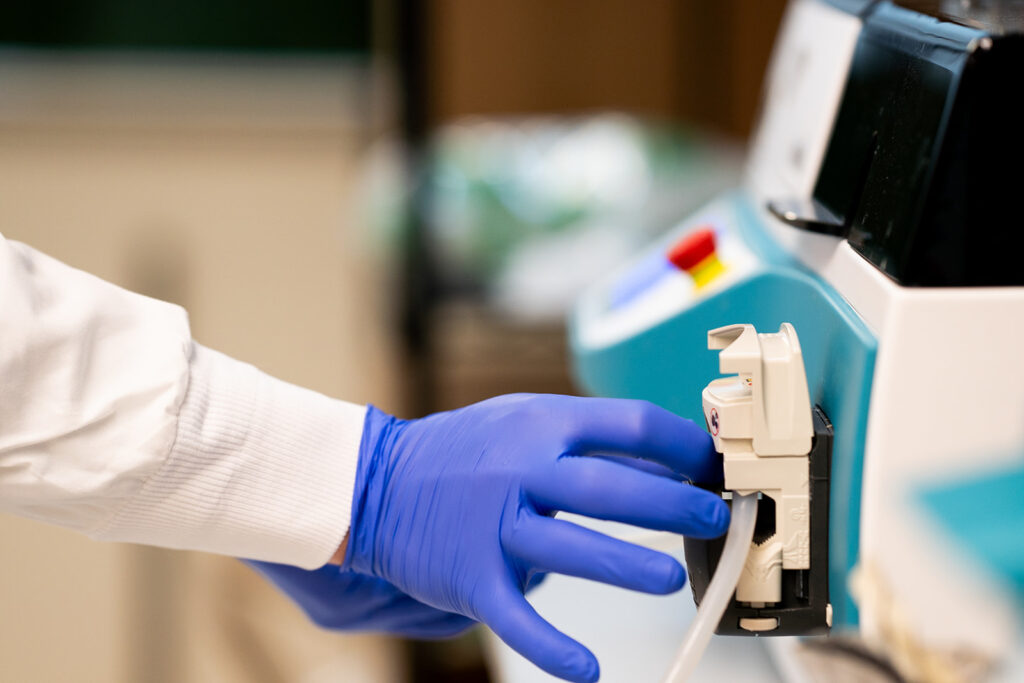
Jord BioScience’s multi-strain microbial solutions boost yields 11–25% and outperform standard biologicals and chemicals 80% of the time. With 30 years of microbiome expertise, robust field trials, and scalable production, Jord delivers consistent, reliable results that farmers can trust—turning data and collaboration into real-world performance.
Field Data Show Rootworm Resistance Erodes Bt + RNAi Protection
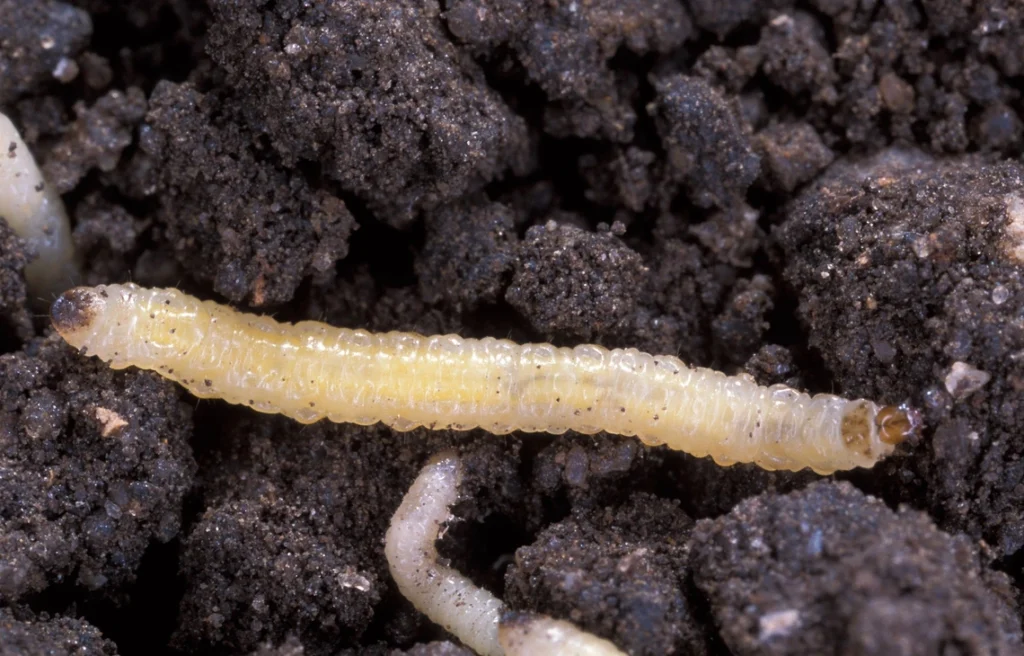
A multi-state analysis finds field-evolved Bt resistance reduces the performance of Bt + RNAi corn against corn rootworm, underscoring the need for stronger resistance management. Corn rootworms, long blamed for […]
Breeding Under the Treaty on the Line: The Future of the Multilateral System
As countries prepare to meet in Lima, Peru, the future of global crop diversity is on the table. The Governing Body of the International Treaty on Plant Genetic Resources will debate how to make its Multilateral System (MLS) more accessible and effective. For plant breeders, a reformed MLS could unlock easier, fairer access to vital germplasm for breeding — while ensuring benefit-sharing that supports conservation. Progress in Lima could reshape how the global seed sector uses genetic resources to drive innovation and strengthen food security.
How Customer Conversations Are Driving Innovation at Summit

Summit’s approach to growth starts with listening, not selling. By asking customers what’s standing in the way of their success, Summit uncovers opportunities for innovation — expanding from forage seed into vegetable, onion, carrot, and biofuel crops. Through close collaboration, testing, and investment in advanced technology, Summit is evolving from a toll processor into a true solutions partner. In a changing seed industry, curiosity and customer conversations drive the company’s innovation and trust-building efforts.
How 1,500 Everyday Growers Are Hacking the Seed Data Bottleneck
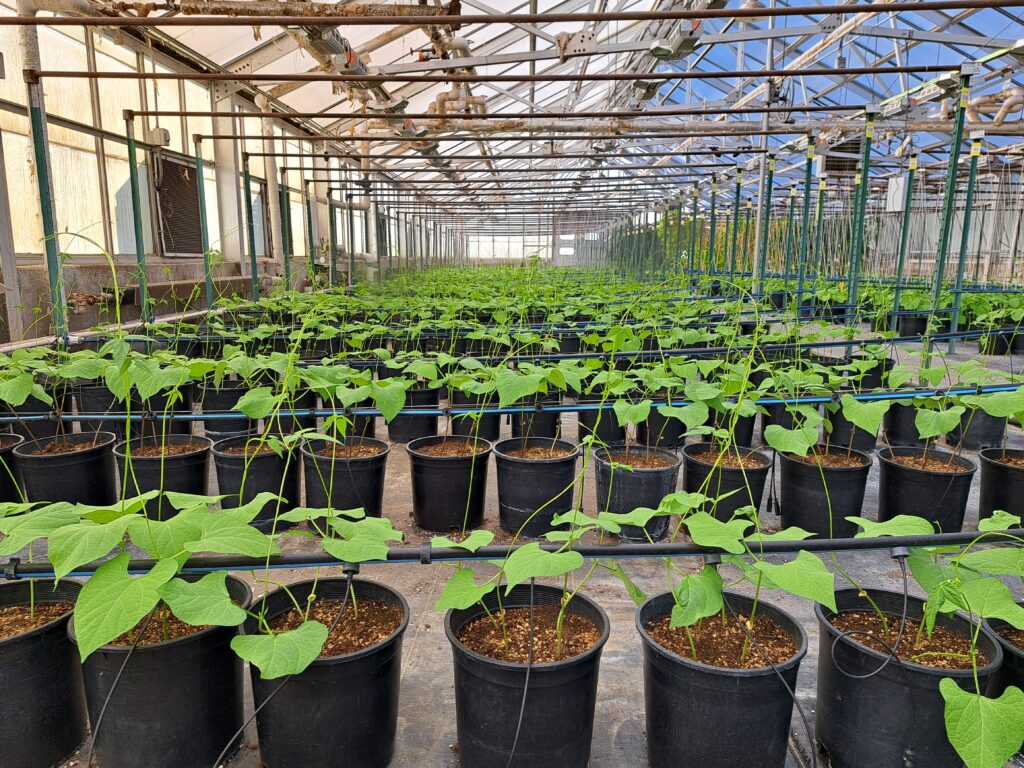
More than 1,500 volunteer growers are helping SeedLinked, USDA, and Seed Savers Exchange solve one of the biggest bottlenecks in plant breeding — the lack of affordable, large-scale field data. Through the Community-Supported Germplasm Initiative, this partnership uses crowdsourcing and digital tools to evaluate underused genetic material, lowering trial costs and unlocking new insights into crop performance. The result: faster access to valuable genetic diversity and a more participatory future for global seed research.
Unlocking Wheat’s Genetic Diversity to Meet Future Food Demands
Researchers mapped the wheat pan-transcriptome for the first time, revealing how gene activity varies across varieties. This resource uncovers hidden genetic diversity and regulatory networks that can help breeders develop higher-yielding, climate-resilient wheat. The breakthrough offers a powerful tool for accelerating global breeding efforts to meet future food security challenges.
Seeds and Pesticides: Breaking Up is Hard to Do

Debates are growing over whether seed and pesticide businesses should split, with industry fears of lawsuits and regulatory pressure driving the trend. While spin-offs could shield companies, experts warn they may reduce innovation, farmer support, and policy influence. An integrated ag-tech sector may better address climate, soil, and market challenges, making unity a stronger long-term strategy than separation.
Why Seeds Canada’s Nick Stratford is Hardwired for Policy
Four “genetic markers” reveal what it really takes to keep Canada’s seed system sustainable, precise, and human
How Collaboration Became the New Competitive Edge in Seed Testing
Farmers Wanted Yield. Consumers Wanted Protein. Tom Greaves is Delivering Both
A yellow pea variety built to bridge productivity and market demand is taking off
Before the Blueprint: How Great Plants Really Begin

According to Nexeed’s Mark Metcalfe, the best seed plants start with a conversation, not a construction plan
Know a Variety That Changed Farming? Nominate it for Seed of the Year
FAST TAKE It’s not just about the best variety this season — it’s about the seeds that shaped a generation of farming success. Every year, the Seed of the Year […]
Don’t Miss Your Chance to Nominate a Plant Breeding Pioneer

Submit your nomination for the 2026 Plant Breeding & Genetics Award sponsored by Seed World Canada and Seeds Canada.
Investing in Innovation Matters. Here’s Why You Should Support the CPBI Scholarships

Become a sponsor and help power the innovations that will define the next decades of farming.
Key Wheat Genes That Control Plant Height and Grain Size Identified
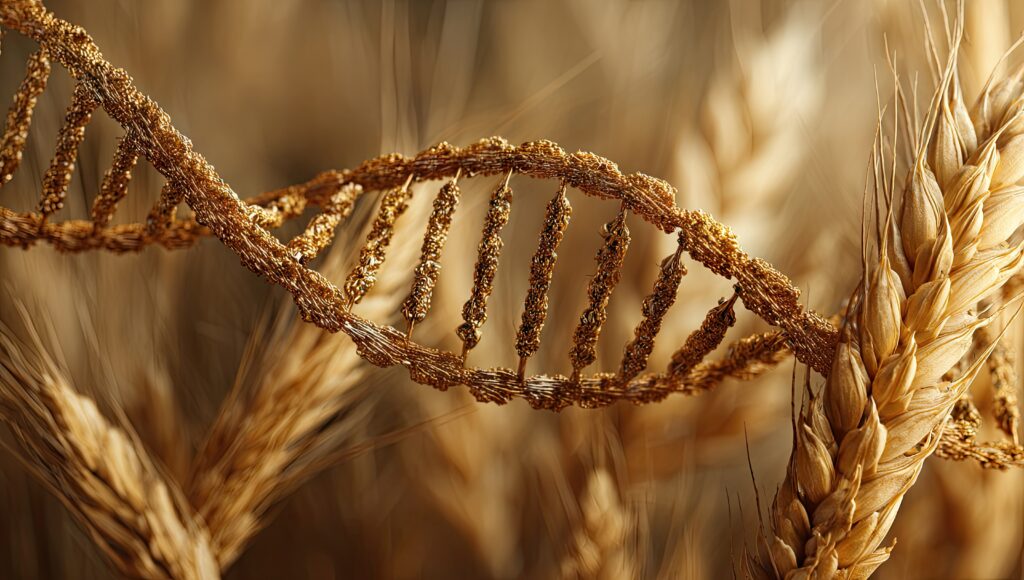
Rothamsted scientists discovered how specific GA3OX genes in wheat regulate growth and grain size by controlling gibberellin hormone levels. Variations in these genes affect plant height and grain weight, with modern breeding already favoring variants linked to larger grains. This insight offers new tools for breeders to optimize wheat yield and quality through targeted genetic selection.
A Tiny Genetic Shift Helped Barley Conquer Northern Europe
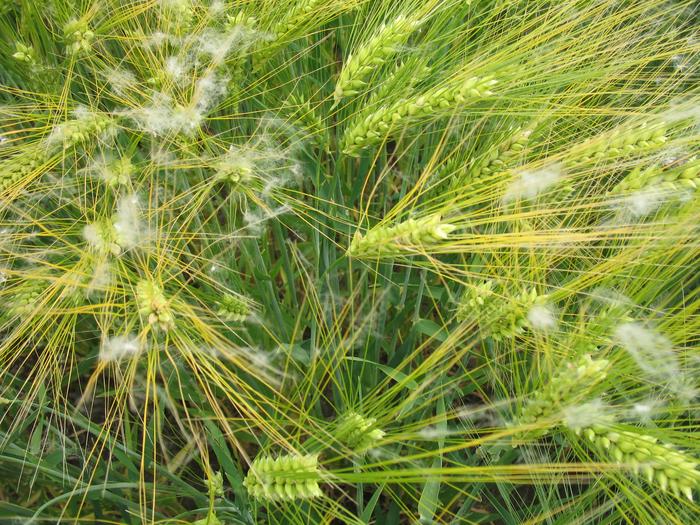
Researchers traced the genetic basis of late flowering in barley to a single mutation, SNP22, in the PPD-H1 gene. By studying over 2,000 barley varieties and ancient samples, they revealed that this trait originated in wild barley from the southern Levant after domestication. This adaptation, linked to haplotype H10, enabled barley to spread to Europe and thrive under long-day conditions, shedding light on the evolution and spread of cultivated barley.
Corn Trait Wins USDA Deregulation
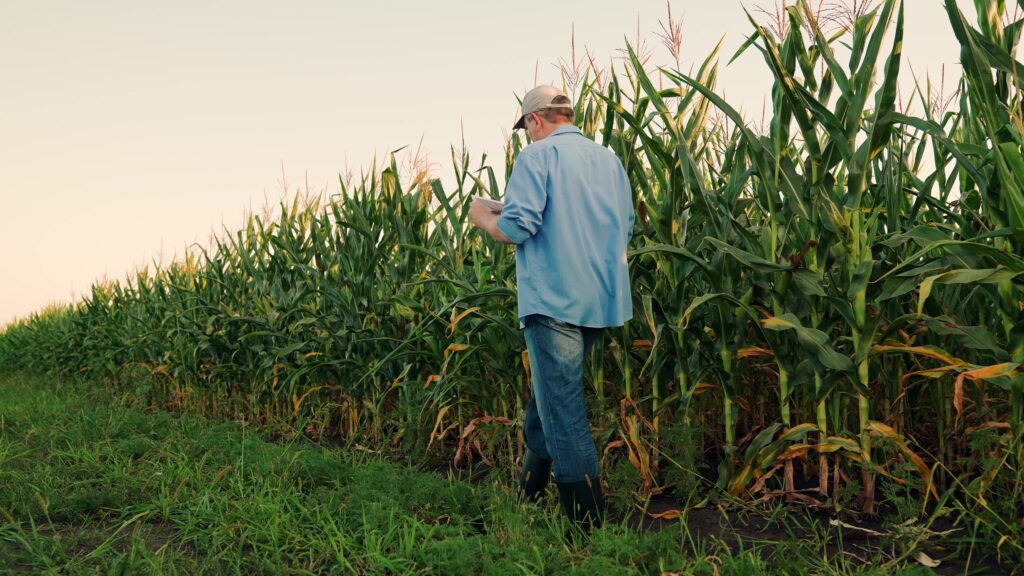
USDA has deregulated Bayer’s MON 95379 corn, a biotech trait designed to protect against major lepidopteran pests like fall armyworm and corn earworm. While not intended for U.S. commercialization, the corn will be used in breeding programs to build next-generation stacked products for South America.