

E-commerce, Opportunities and (Many) Risks for the Seed Sector

E-commerce—buying and selling products online via websites, apps, or marketplaces—has grown rapidly since 2000, offering opportunities but also risks for sectors like the seed industry, with transactions spanning B2B, B2C, and peer-to-peer across countries.
Rita Mumm Is Cultivating the Next Generation of Food Security — One Plant Breeder at a Time

Rita Mumm doesn’t mince words: the world’s next great challenge is feeding a growing population with not just more food, but better food.
Orange Blossom Special: The Rust Stops Here
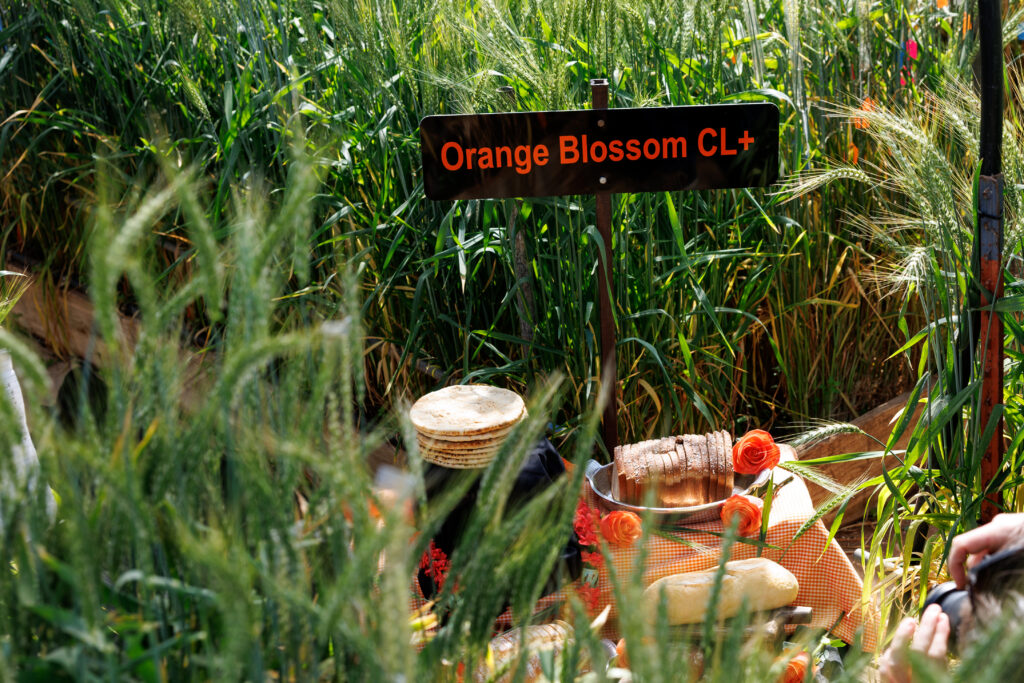
For a new wheat cultivar like Orange Blossom CL+, OFSS handles the initial seed increase, enabling limited quantities to be made available to certified seed growers ahead of full commercialization.
This early distribution accelerates the time from cross to commercial grain, in part by overlapping foundation seed production with later-stage field trials—a shift that has reduced commercialization
AOSCA’s New President Has a Track Record in Modernization

Doug Miller, a digital disruptor behind Canada’s seed certification overhaul, is now steering the Association of Official Seed Certifying Agencies.
A Launchpad for New Varieties
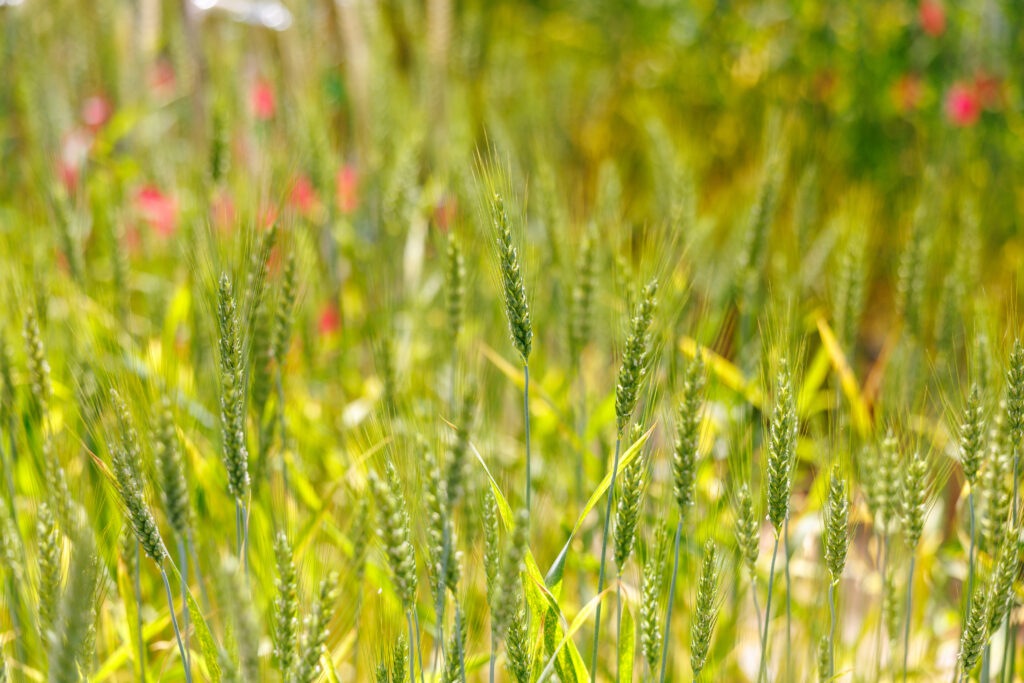
Oklahoma State University’s latest Clearfield wheat release, Orange Blossom CL+, enters the landscape with a familiar genetic base — and a few new traits aimed squarely at today’s rust-related risks. The release follows years of internal development and field trials. The variety features a familiar genetic backbone and brings a combination of higher yield, early stripe rust resistance, and test weight comparable to its predecessor, Doublestop CL Plus.
The #1 Rule to Drive Revenue Without Selling Yourself Short

In the seed industry, your core offer is sacred—it defines your business, expertise, and reputation. Protect it, don’t compromise, and never give it away, because your value depends on it.
The #1 Rule to Drive Revenue Without Selling Yourself Short

In the seed industry, your core offer is sacred—it defines your business, expertise, and reputation. Protect it, don’t compromise, and never give it away, because your value depends on it.
The #1 Rule to Drive Revenue Without Selling Yourself Short

In the seed industry, your core offer is sacred—it defines your business, expertise, and reputation. Protect it, don’t compromise, and never give it away, because your value depends on it.
New Research Analyzes How Ozone Pollution and COVID-19 Affect Crop Yields in China

Ozone (O₃) is a three-oxygen gas known for forming the stratospheric ozone layer that blocks harmful UV radiation, and it also exists in smaller amounts in the troposphere.
Chinese Researchers Develop Breakthrough Megabase-Scale Genome Editing Technologies
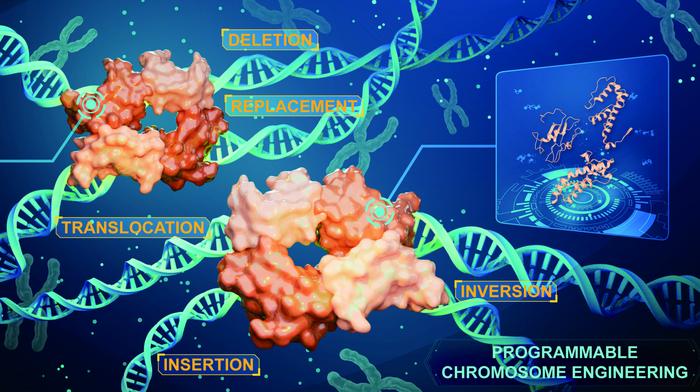
Prof. GAO Caixia’s team at the Chinese Academy of Sciences developed PCE and RePCE genome editing platforms, enabling precise DNA modifications from kilobase to megabase scales in plants and other eukaryotic cells.
30 Years of Safeguarding Innovation in a Changing World
Amid climate change and resource pressures, the EU breeding sector relies on the Community Plant Variety Office (CPVO) to drive innovation and develop resilient, high-performing plant varieties.
EU Commission Proposes €175B Budget for Research and Innovation (2028–2034)

The European Commission proposes doubling Horizon Europe’s budget to €175 billion (2028–2034) to boost research, innovation, and competitiveness, supporting technologies from AI in healthcare to satellite-based farming solutions.
Lessons from Expanding into South America

Expanding globally brings opportunities and challenges, from regulations to payment complexities. Agronomix has focused on South America, offering Spanish-optimized software and support to help plant breeding programs succeed, despite occasional payment uncertainties.
Biologicals Can’t Win Without Consistency — Here’s How Jord BioScience Is Solving It
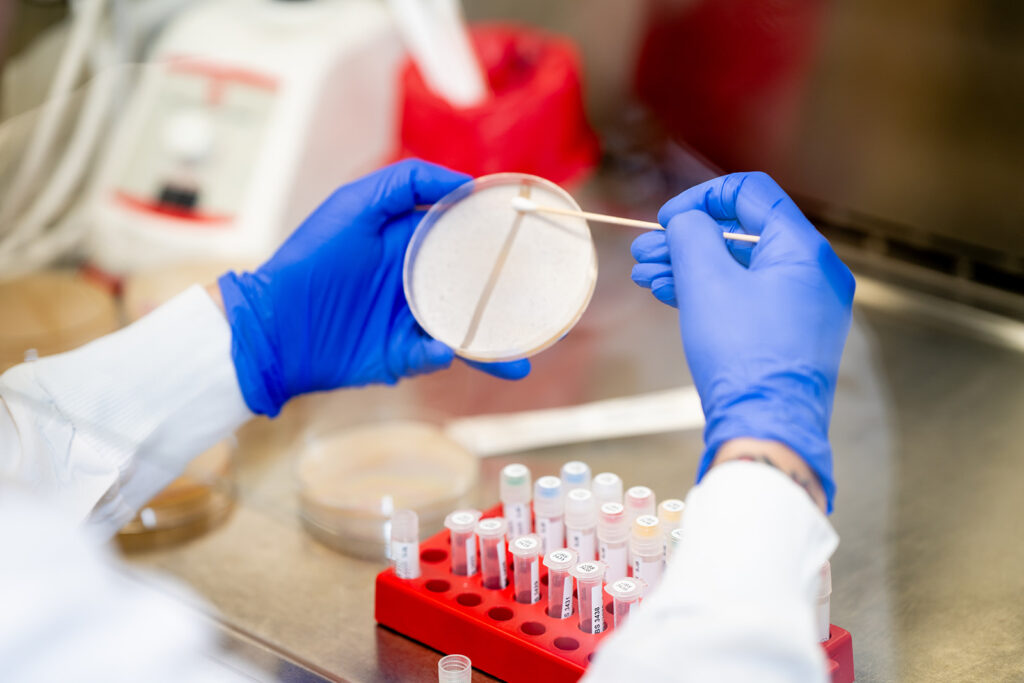
Consistency is key in agriculture. Farmers rely on solutions that perform reliably, and in the maturing biologicals sector, delivering consistent results across products, regions, and seasons is both a challenge and opportunity.
Is it Time to Reimagine Cover Crops?
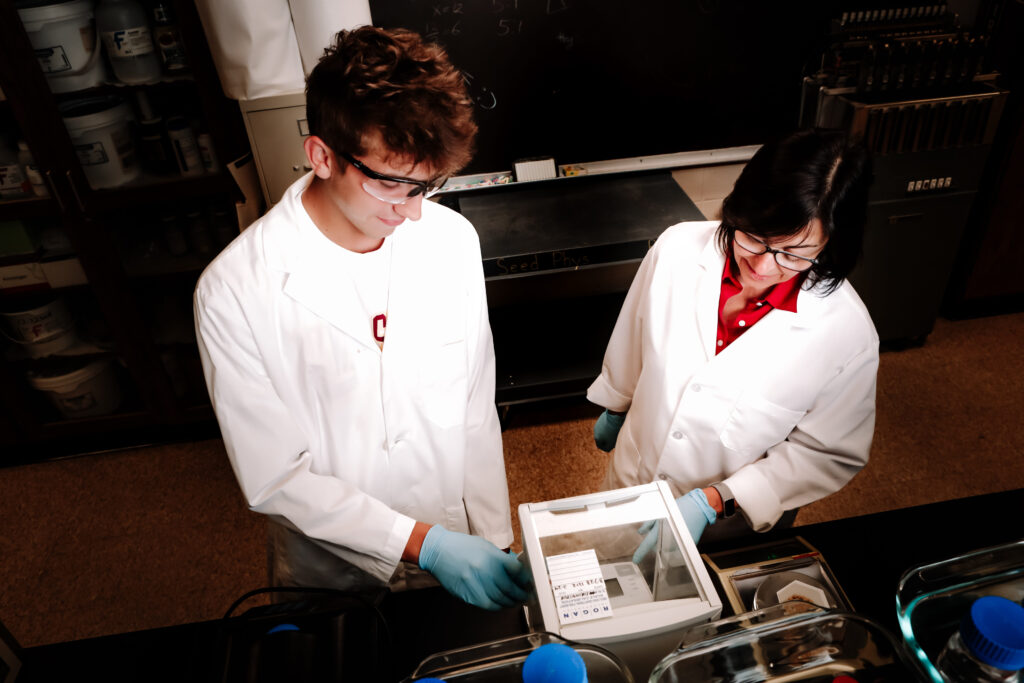
Cover crops are now a key solution for soil health, nutrient retention, and sustainability. Iowa State’s Seed Science Center is exploring perennial cover crops that stay in the field year-round, reducing disturbance and inputs while boosting farm resilience.
Why Weird Corn Matters
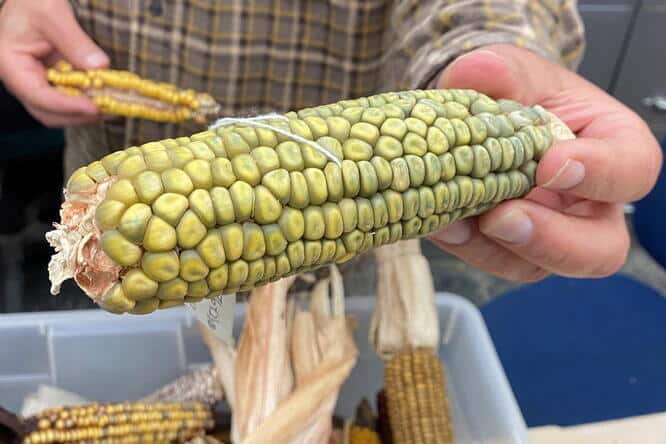
A proposed USDA consolidation threatens the Maize Genetics Cooperation Stock Center, home to 100,000 mutant corn lines critical to seed innovation. Researchers warn that relocating the collection from the University of Illinois could disrupt decades of progress in crop genetics.
Podcast Launches to Explore the People and Ideas Behind Global Agriculture

Iowa State University’s Seed Science Center has launched GermiNation, a podcast that explores the people, research, and innovations driving the global seed industry. The series features expert insights from scientists, students, and industry leaders shaping the future of agriculture.
A Life in Seeds: Päivi Mannerkorpi Reflects on Two Decades of EU Leadership
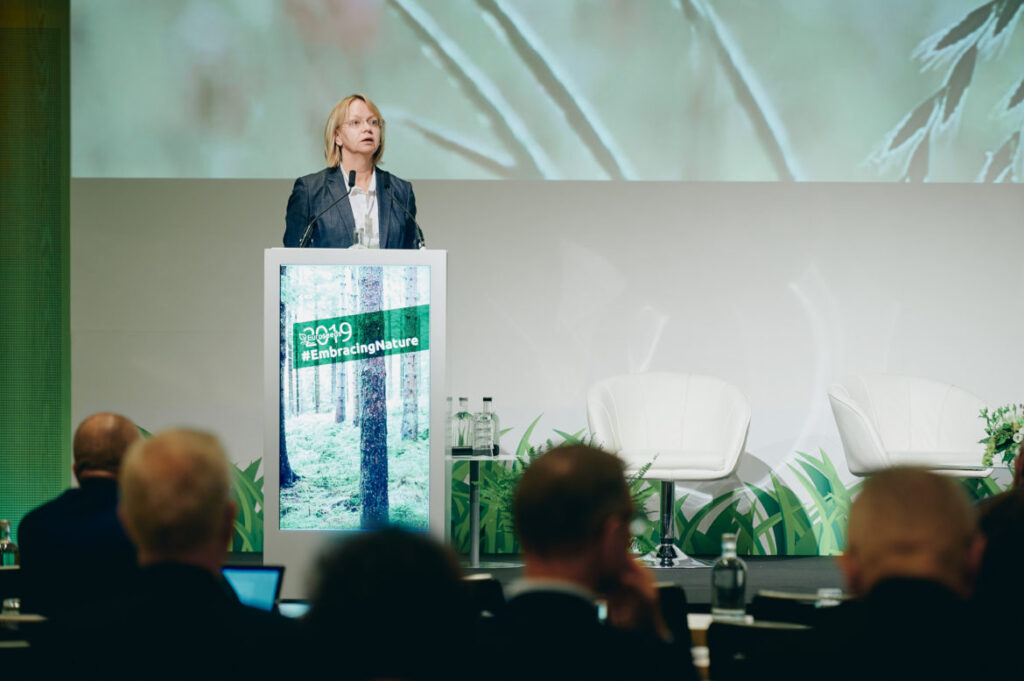
For over 20 years, Päivi Mannerkorpi shaped EU seed legislation and plant variety rights, strengthening agricultural quality and innovation; her retirement marks a reflection on Europe’s global regulatory impact amid climate and food security challenges.
New Technology Dramatically Improves Long-Range Weather Prediction

Despite advanced technology and the best efforts of leading global organizations like the National Oceanic and Atmospheric Administration (NOAA), long range weather prediction — anything that aims to predict beyond days or, at best, weeks — is often viewed as unreliable… and for good reason.
Less Fieldwork, More Focus: Chris Davison Explains the Canola Council’s New Direction

One of the most striking changes is the winding down of its field-based agronomy team
Nueva Dirección de COPASEM Prioriza el Fortalecimiento de la Sanidad de las Semillas en Brasil
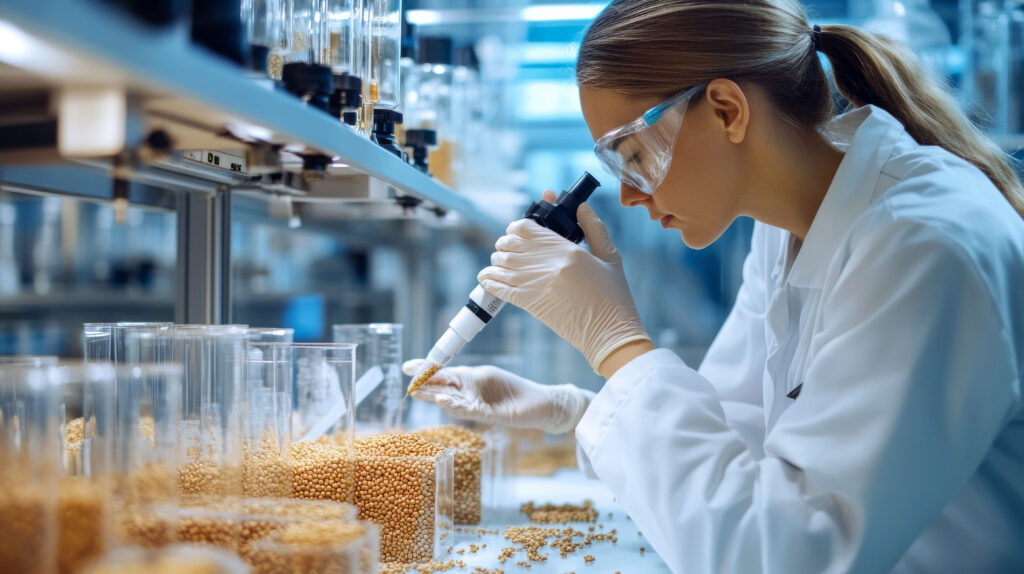
COPASEM inicia su mandato en Brasil enfocándose en mejorar la sanidad de las semillas mediante capacitación, estandarización e integración del sector.
New COPASEM Leadership Prioritizes Strengthening Seed Health in Brazil
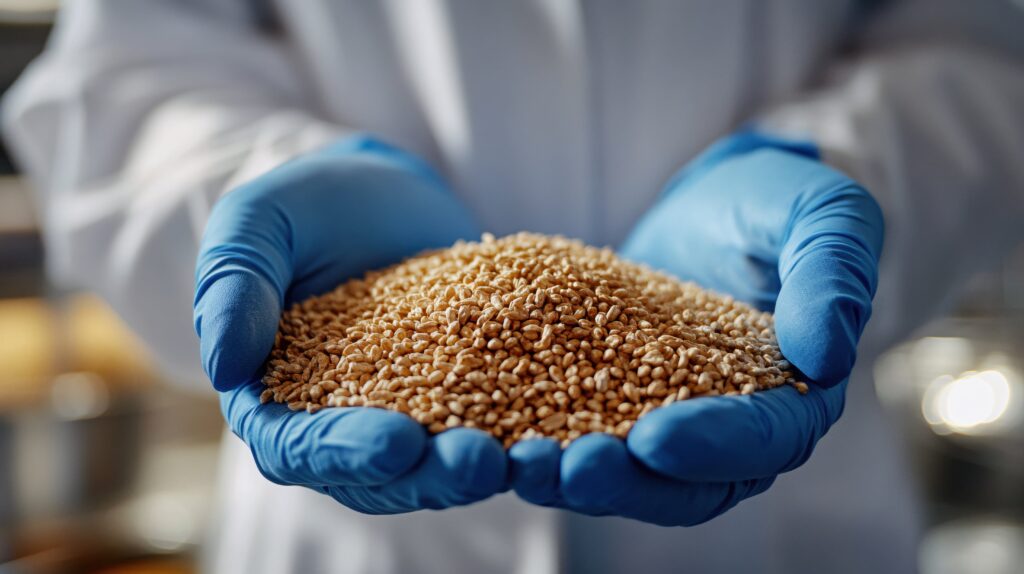
The Seed Pathology Committee (COPASEM) of ABRATES, led by Norimar D’Ávila Denardin and Carla Corrêa, aims to improve seed health in Brazil through training, standardized methods, and stronger sector integration.
Bridging Worlds: How Cross Industry Experience Fuels Innovation in Agriculture
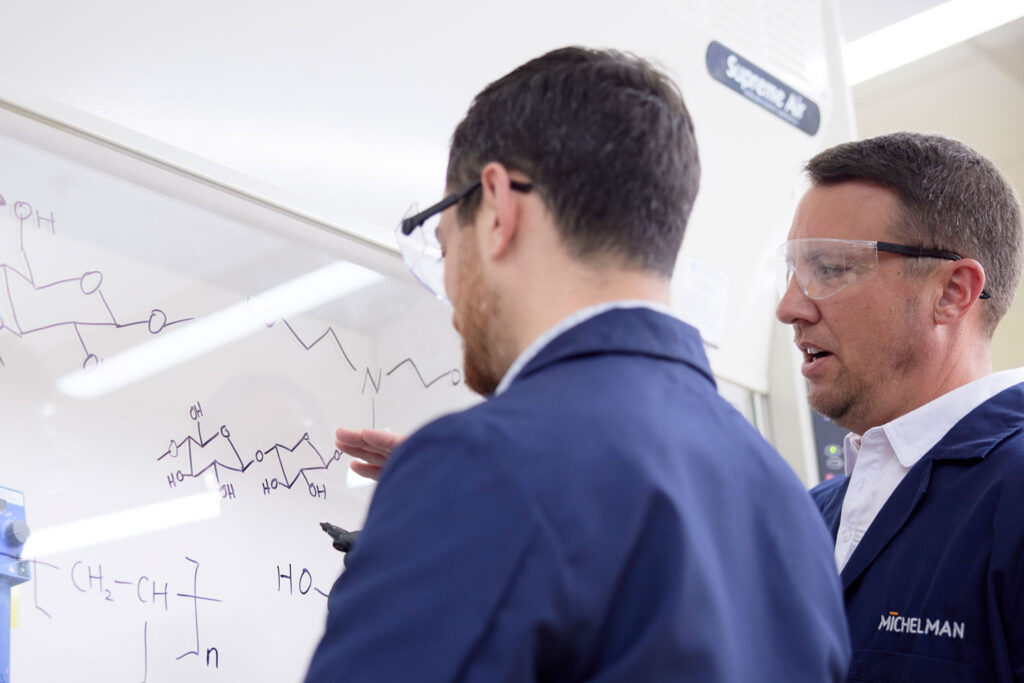
Michelman brings decades of coating expertise to agriculture, delivering sustainable, microplastic-free seed solutions built on trust and innovation.
The Built-In Chill Factor
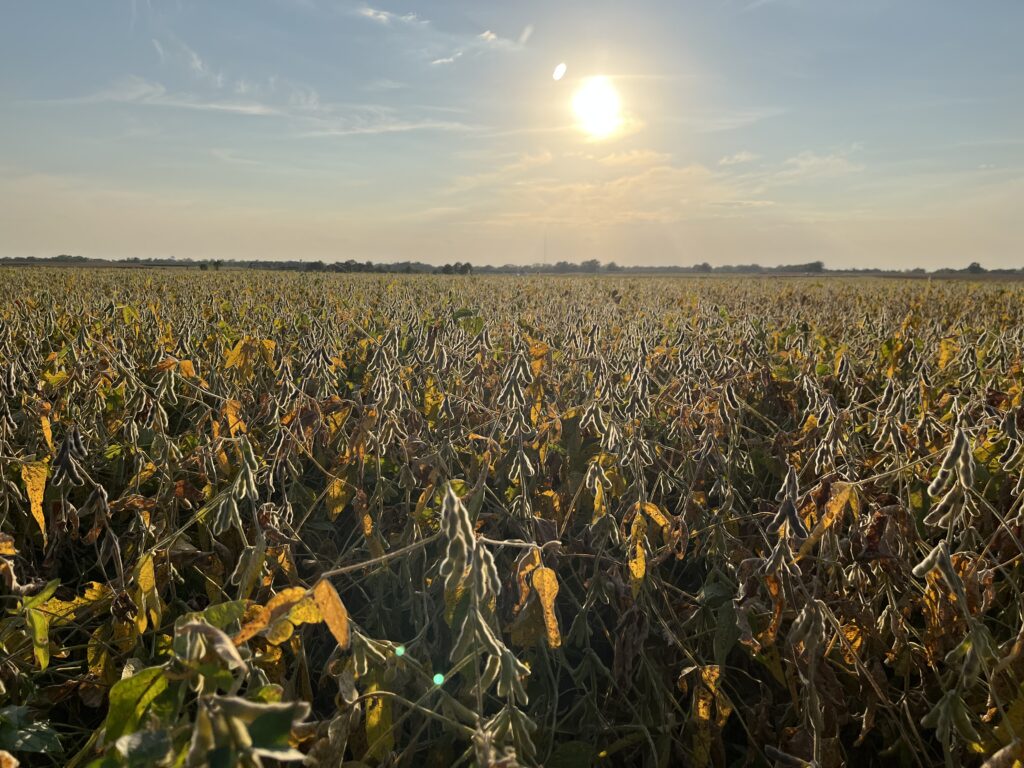
University of Missouri researchers have discovered that soybeans use a stress survival strategy called differential transpiration to protect flowers and pods during heat and drought. This physiological trait prioritizes cooling of reproductive tissues and could be enhanced through breeding or gene editing. As climate change intensifies, scientists and seed companies are exploring how to integrate this mechanism into elite soybean varieties to preserve yield under extreme weather.
Canola Council Drops Agronomy Team as it Pivots to Market Growth and Innovation
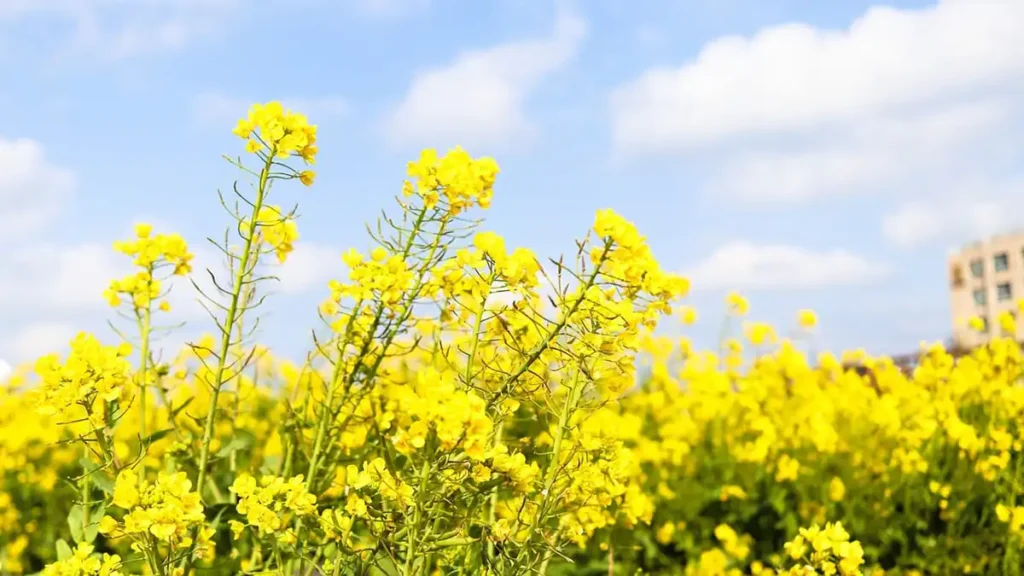
The Canola Council of Canada has unveiled its new strategic roadmap — and it comes with a notable shift
The Secret to Drought Survival? A Little-Known Plant Protein Steps In
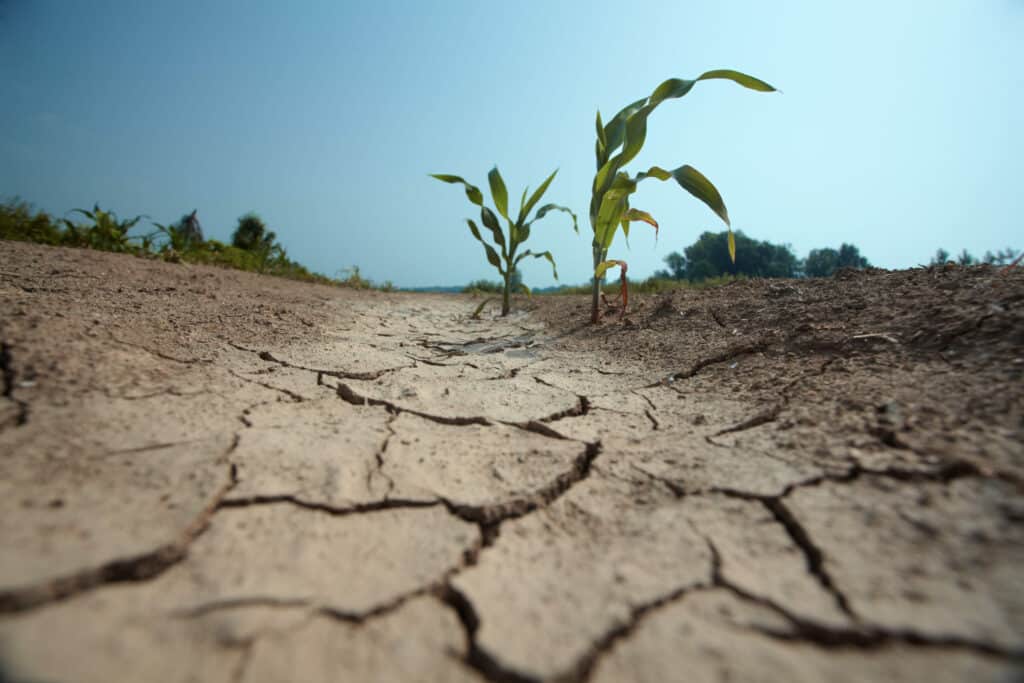
A Waseda University study reveals that the motor protein myosin XI plays a role in plant drought response, alongside the hormone abscisic acid (ABA), by helping regulate stomatal closure to conserve water.
Meet the Woman Who’s Turning Wheat’s Wild Side Into the Future of Farming
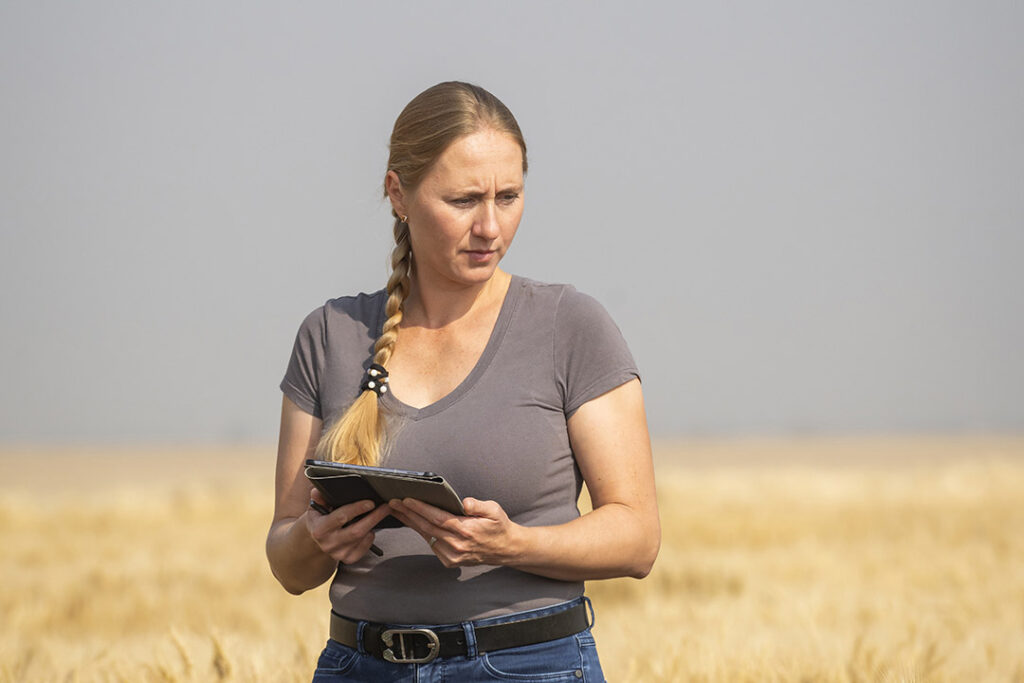
Valentyna Klymiuk steps into a new USask research chair role with a laser focus on climate-smart cereals.
Can Canada’s Seed Regs Keep Up With Innovation? A New Overhaul Aims to Find Out

The Canadian Food Inspection Agency has released its long-awaited policy paper that proposes changes to key sections of the Seeds Regulations.
Dear Ottawa: We’re Not Asking for a Handout. We’re Offering a $100 Billion Growth Strategy

A bold letter from Canada’s ag sector says the future of national prosperity starts with a seed — and it’s time government acted like it
Fungus-Fighting Genes: The Future of Crop Protection Is Already Here
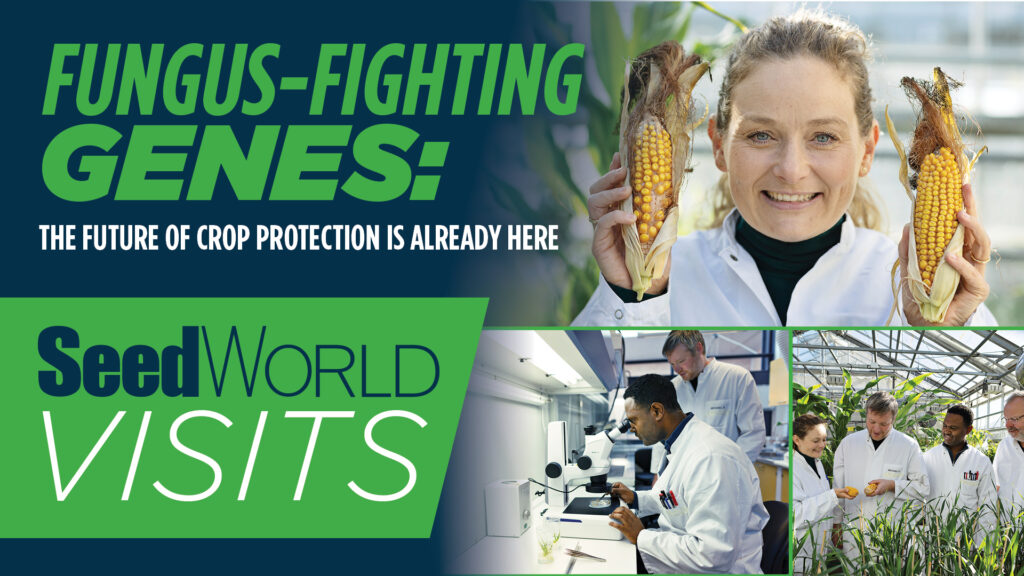
Seed World Europe interviews HealthyCrop CEO Pernille Ollendorff Hede on a natural enzyme that helps plants resist fungal attacks, blending molecular biology, food security, and sustainability.
USDA Reorganization Raises Questions for Agriculture and for the Seed Sector
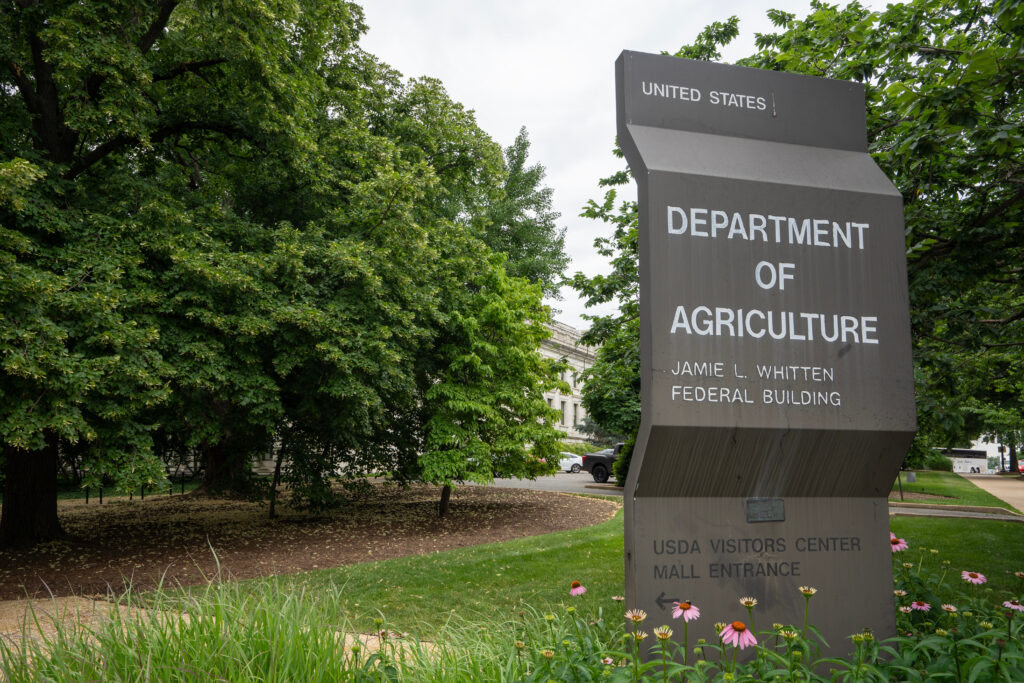
The U.S. Department of Agriculture (USDA) is undergoing a major reorganization aimed at reducing costs, streamlining operations, and relocating thousands of federal employees from Washington, D.C., to five regional hubs. Agriculture Secretary Brooke Rollins says the changes are designed to refocus USDA on its core mission: supporting American farmers, ranchers, and foresters. While the department has emphasized continuity of critical services, the realignment raises questions for sectors like seed, where timely regulatory approvals, research partnerships, and export processes are vital.
For the seed industry, this shift could impact access to USDA agencies such as APHIS, AMS, and ARS, which oversee functions from phytosanitary inspections to biotech trait approvals. The closure or relocation of facilities—including Beltsville Agricultural Research Center—may disrupt ongoing breeding collaborations and affect public-private research programs. Meanwhile, seed exporters could face challenges if USDA’s trade offices experience staffing gaps or delays.
New Study Pinpoints Allergy-Triggering Proteins in Barley
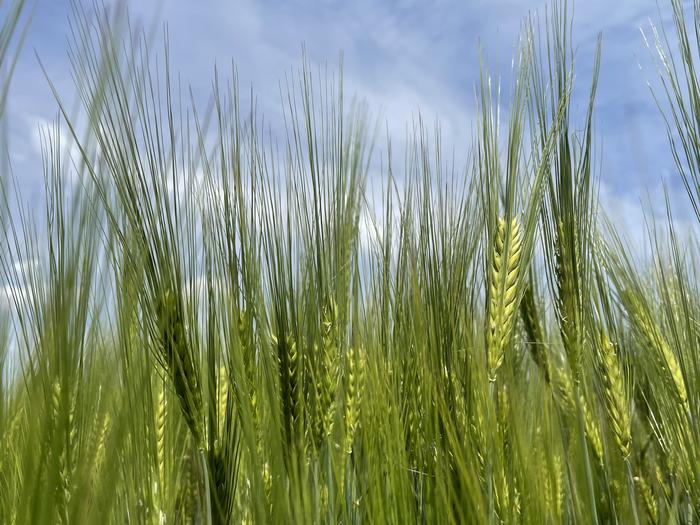
Researchers have, for the first time, precisely measured allergy-triggering amylase/trypsin-inhibitors (ATIs) in barley—proteins linked to symptoms like bloating, headaches, and brain fog in people with food sensitivities. Led by Katharina Scherf at the Leibniz Institute for Food Systems Biology, the study analyzed 181 barley accessions from around the world and identified ten specific ATI types. Using a new LC-MS/MS method, the team found ATI levels ranged from 1.1 to 5.2 milligrams per gram of flour, representing up to 3.6 percent of total protein content. These findings are a breakthrough in understanding barley’s role in non-celiac wheat sensitivity and could help breeders select varieties with naturally lower ATI levels.
Lecciones De La Expansión A Sudamérica

Lecciones de Agronomix sobre la expansión en Sudamérica y cómo la flexibilidad ayuda a superar retos económicos y regulatorios.
Lessons from Expanding into South America

Insights from Agronomix on navigating payment, policies, and building flexibility when expanding ag software into South America.
Moon-Rice: Developing the Perfect Crop for Space-Bases
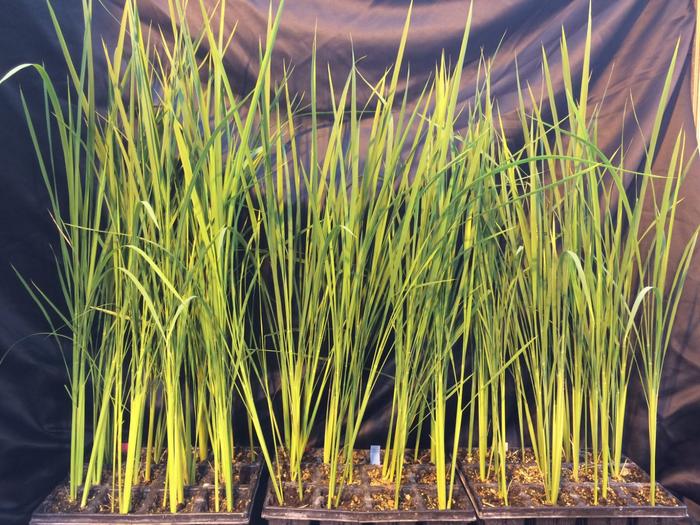
The Moon-Rice project is developing a fresh, nutritious crop for long-term space missions, aiming to support human health in lunar and Martian habitats while addressing the limitations of pre-packaged space food.
He was the Original Food Safety Crusader — and his Story Still Matters

Meet the 19th-century chemist who risked everything to implement quality standards — and paid the price for telling the truth