

Brazilian Scientists Develop AI Platform to Predict Asian Soybean Rust
Brazilian researchers created a cloud-based AI platform to predict Asian soybean rust risk by fusing climate sensor data, agronomic factors, and leaf images. The dashboard classifies risk as low, medium, or high and generates management recommendations to improve on-farm decisions. Developed with Fapesp support by UFSCar and Embrapa, the system uses Hidden Markov Chains and helps prevent disease while reducing fungicide use.
Square Wheels and Round Thinking: Why AI in Agribusiness Starts with First Principles

AI consultant Robert Newcombe urges farmers to challenge tradition and use artificial intelligence to rethink farm operations. Drawing on his dairy farm background, he says AI works best for reducing administrative drudgery, improving efficiency, and freeing staff for higher-value tasks. While cautioning about errors and privacy, Newcombe argues the biggest barrier to AI adoption is mindset.
SGS Canada Crop Science Now Authorized for Bayer Corn Trait Testing in Canada
New Canadian-based corn trait testing includes herbicide bioassays and ELISA trait testing, helping seed corn companies avoid cross-border delays and improve turnaround time. In seed production, where timing and certainty […]
On the Brink Episode 1: Canada is On the Brink. Let’s Talk About It
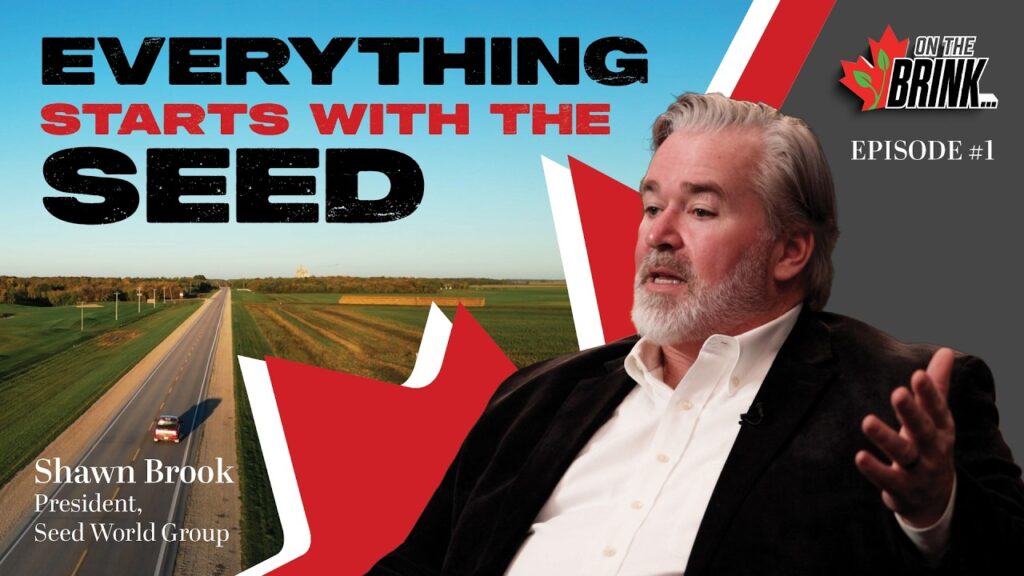
Canadian plant breeding is at a crossroads. On the Brink is Seed World’s new video series exploring the future of Canada’s seed and crop innovation system.
Científicos Brasileños desarrollan una plataforma de IA para predecir la roya asiática de la soja
Científicos brasileños desarrollaron una plataforma en la nube con IA para predecir el riesgo de roya asiática de la soja, integrando datos climáticos, parámetros agronómicos e imágenes de hojas. El panel clasifica el riesgo en bajo, medio o alto y emite recomendaciones de manejo para decisiones más precisas. Impulsada por Fapesp, UFSCar y Embrapa, emplea cadenas de Markov ocultas, mejora la prevención y reduce el uso de fungicidas.
Coated Seeds Changed Alfalfa Forever. Who’s Next?
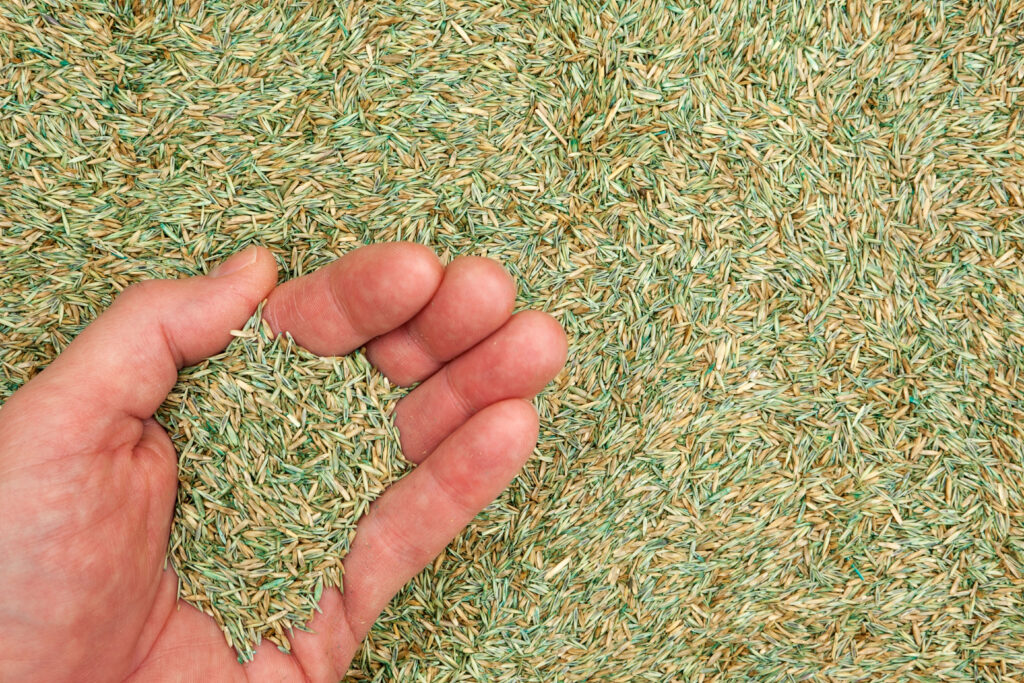
Coated seed was once seen by alfalfa growers as unnecessary cost and weight. Over time, growers recognized clear agronomic benefits: coatings create a protective micro-environment with fungicides, inoculants, and nutrients that improve emergence and survival. Adoption surged as results showed stronger stands and higher plant counts per bag. Today, coated seed dominates alfalfa. Turf grass may represent the next opportunity.
Svalbard Global Seed Vault Nominated for Nobel Peace Prize
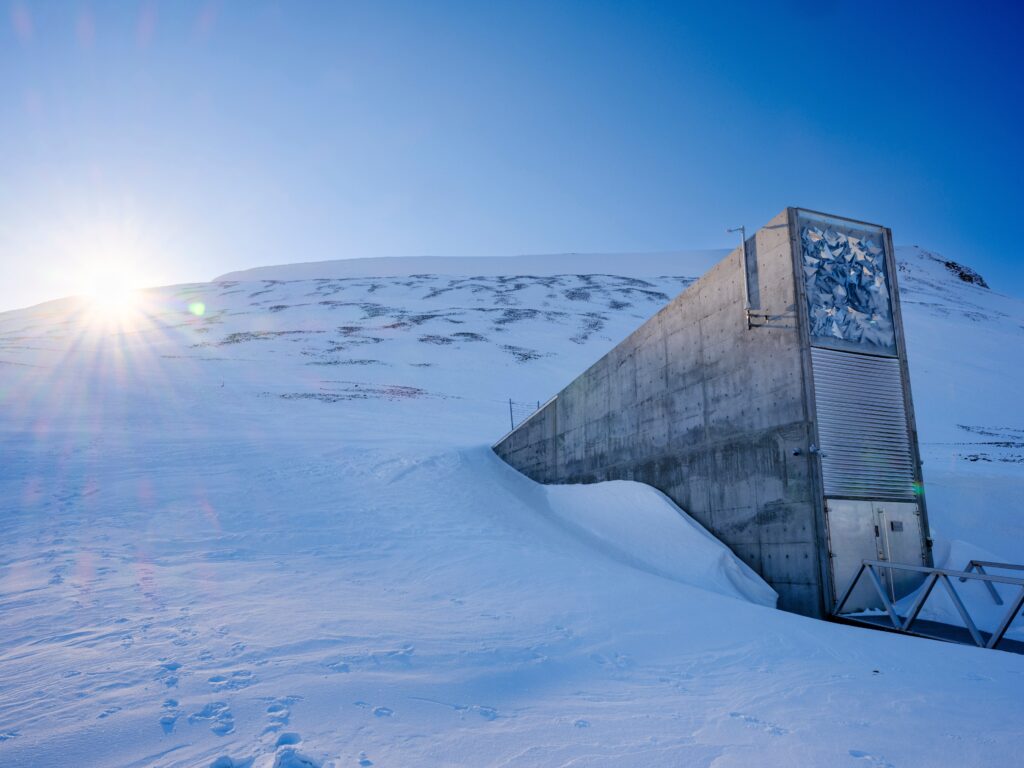
Geir Pollestad, Norwegian MP and former agriculture minister, has nominated the Svalbard Global Seed Vault for the Nobel Peace Prize, together with NordGen, FAO, Crop Trust, and CGIAR. He argued that food security is essential for peace amid climate change and conflict. The nomination highlights seed conservation, genetic diversity, and the role of resilient agriculture in global peacebuilding.
Why the “Magic Microbe” Mindset May be Holding Biologicals Back
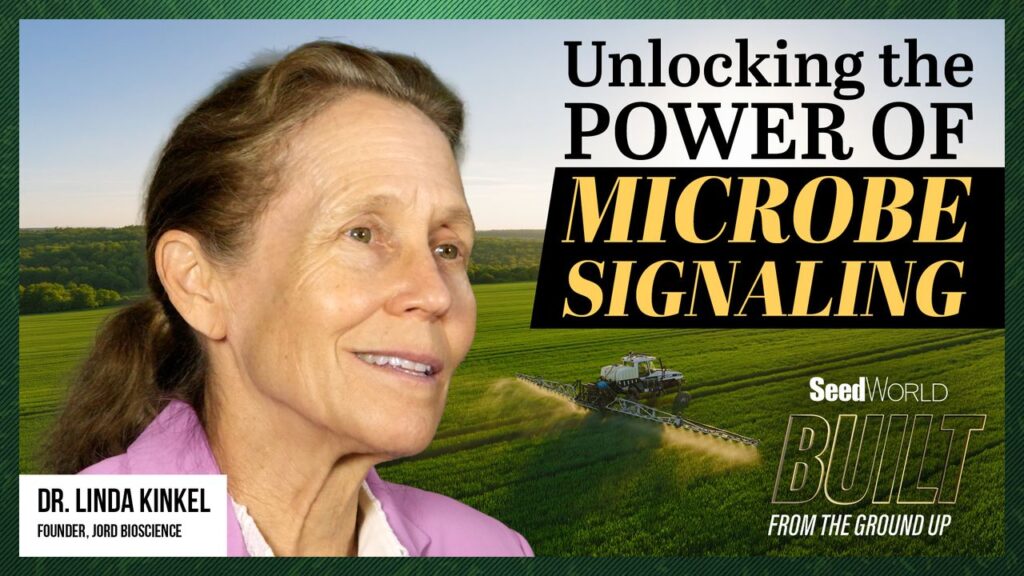
Biologicals are booming in agriculture. Investment is pouring into the sector and hundreds of companies are developing microbial products designed to improve crop performance, protect plants and support soil health. […]
Advances in Genome Biology & Technology Agriculture Conference Discounted for Seed World Friends
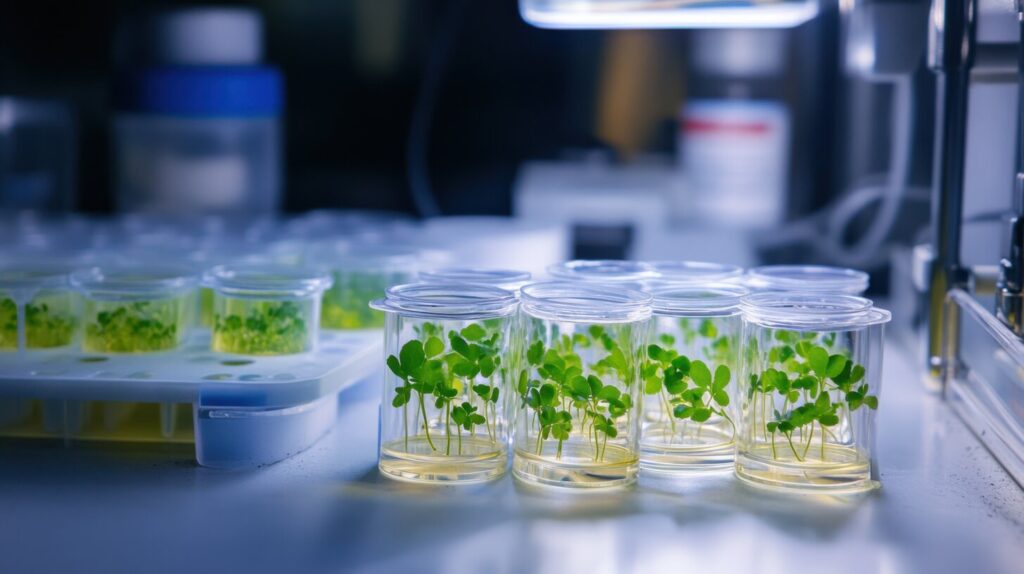
Seed World readers can receive $250 off registration for the AGBT Agriculture meeting April 12–15, 2026 in Phoenix, where plant, animal and industry scientists gather to explore how genomics is advancing agriculture.
Argentine Seed Association Supports UPOV 91 as a Strategic Step for Competitiveness

The Argentine Seed Association (ASA) backs President Javier Milei’s push to modernize plant intellectual property and advance Argentina’s accession to UPOV 1991. ASA says stronger breeders’ rights, including protection for essentially derived varieties, would deliver legal certainty, incentivize innovation, attract investment, and boost yields and export competitiveness. The reform would balance farmers’ own use while aligning regulations with technological progress.
The Invisible Leak in the Seed Sector
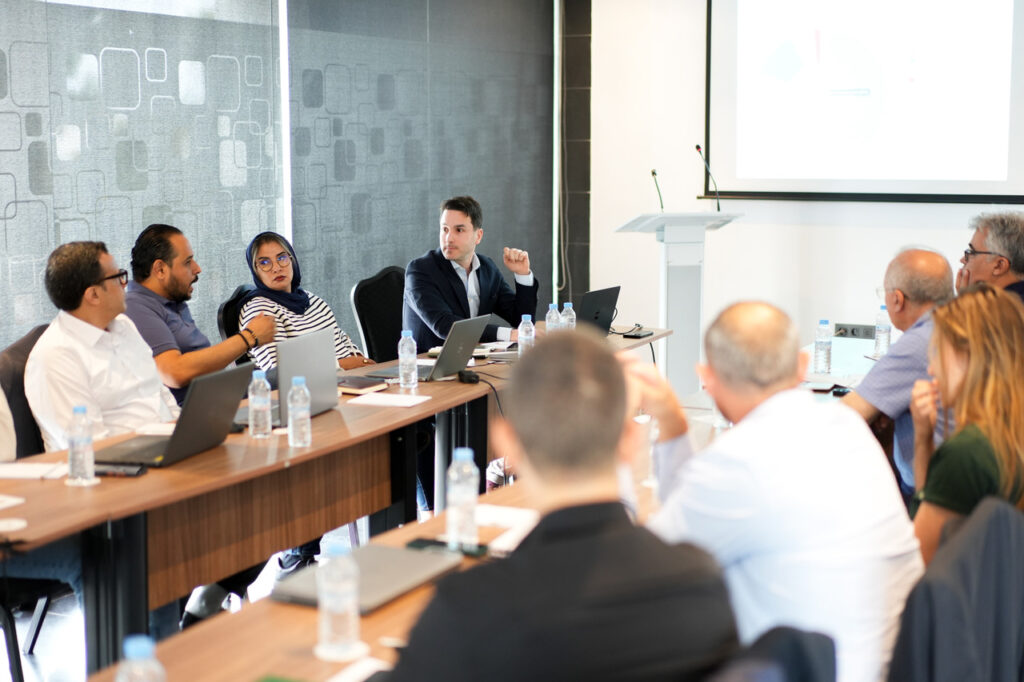
Illegal seed reproduction is quietly distorting Europe’s vegetable seed markets. New data from the Anti-Infringement Bureau (AIB) reveals where infringement occurs, why reporting has risen 86%, and how training and intelligence are improving detection. By targeting high-risk crops and markets, collective enforcement is helping seed companies protect innovation, strengthen compliance, and safeguard millions in seed sector revenue.
The Talent We Lose Along The Way

Enid Perez-Lara recounts her journey restarting a PhD after emigrating to Canada and reflects on how women scientists from outside Western countries often must repeatedly prove their credentials. Her story highlights bias in academia and the seed industry, the loss of global talent, and the resilience of women in STEM determined to advance despite systemic barriers in science and agriculture.
El talento que se pierde en el camino

Enid Perez-Lara relata cómo tuvo que reiniciar su doctorado tras emigrar a Canadá y reflexiona sobre cómo muchas científicas inmigrantes deben volver a demostrar su credibilidad. Su experiencia expone sesgos en la academia y la industria de semillas, la pérdida de talento global y la resiliencia de las mujeres en STEM frente a barreras persistentes en ciencia y agricultura global.
Scientists Map the Genetic Diversity of Soybean’s Most Damaging Pest
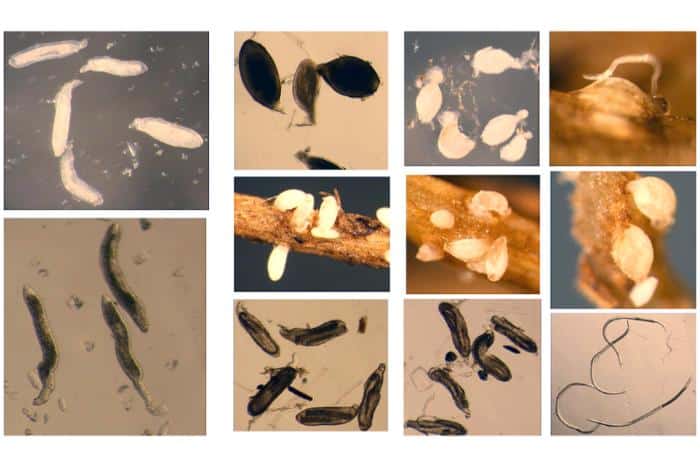
Scientists at the University of Illinois have developed the first soybean cyst nematode pangenome, revealing the pest’s genetic diversity and helping researchers understand how SCN overcomes soybean resistance.
Take 3: ASTA Vegetable and Flower Seed Conference
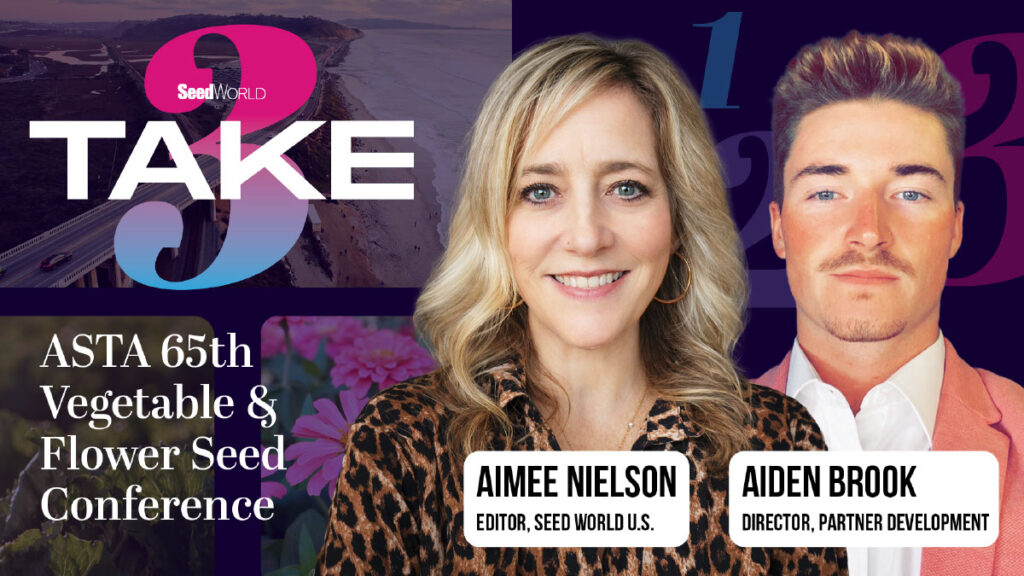
Seed World launches a new video series called Take 3, where editors share three takeaways from major seed industry events. In the first episode, Aimee Nielson and Aiden Brook reflect on insights from the ASTA Vegetable and Flower Conference, highlight Lisa Branco of Radicle Seed as Seed World’s inaugural Connector of the Year, and share a few lighter moments from the trip.
AAFC’s Science Footprint is Changing — its Commitment to Innovation is Not
Site closures and program consolidation are part of a strategic effort to preserve breeding and germplasm enhancement, says Assistant Deputy Minister Arran McPherson
Asociación Argentina de Semillas apoya el Acta UPOV 91 como un paso estratégico para la competitividad

La Asociación de Semilleros Argentinos (ASA) respaldó la decisión del presidente Javier Milei de modernizar la propiedad intelectual vegetal e impulsar la adhesión de Argentina al Acta UPOV 1991. ASA afirma que fortalecer los derechos de obtentores, incluyendo variedades esencialmente derivadas, aportará seguridad jurídica, promoverá la innovación, atraerá inversiones y mejorará rendimientos y exportaciones. La reforma equilibrará el uso propio y alineará normas con tecnología.
Farm Bill Draft Draws Praise, Concerns From Agricultural Groups

Agricultural organizations are reacting to the Farm Bill draft. See what they are saying as we wait for lawmakers to replace the 2018 Farm Bill
Canada’s Crop Breeding System Faces a Turning Point

Groups like the Canadian Wheat Research Coalition say clearer funding models, shared infrastructure and long-term planning are essential for innovation
Let’s Talk: A Critical Moment for New Genomic Techniques in Europe

Europe is edging closer to a major milestone on New Genomic Techniques. In this Seed World Europe discussion, Petar Madjarac and Marcel Bruins explain where EU NGT regulation stands and why the next political decisions could be decisive for the future of plant breeding.
Plant-Protein Demand Shaping New Yellow Pea and Faba Bean Lines on the Prairies

Protein content in yellow peas and processing advantages of small-seeded faba beans are becoming key breeding targets for pulse breeders
10 Years After UPOV ’91: Is Canada Ready for a New Plant Breeding Funding Model?
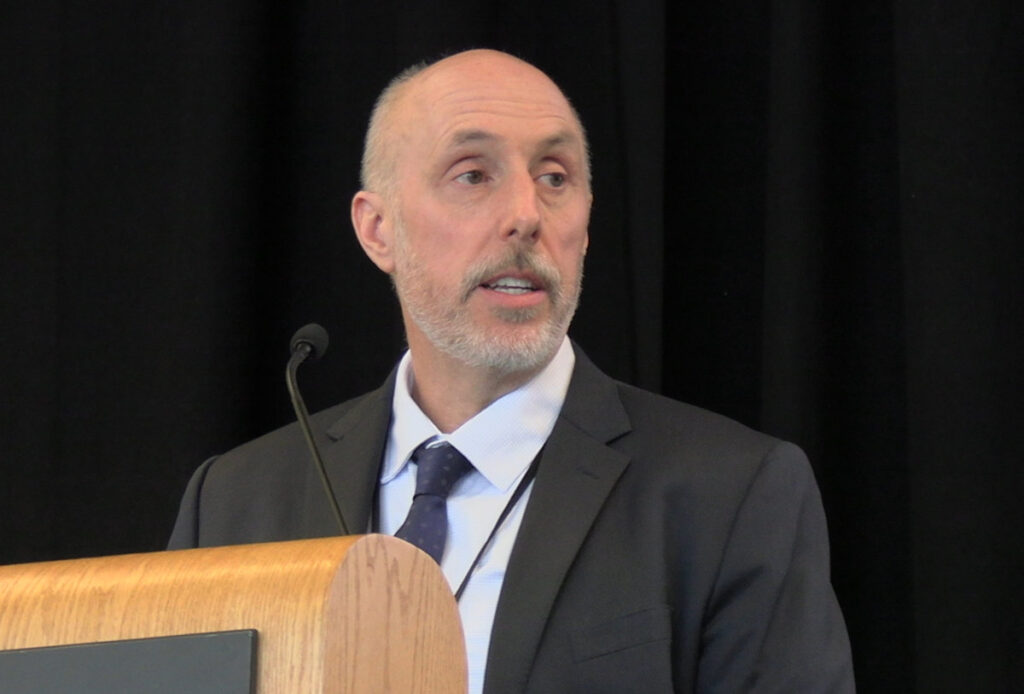
PBR Commissioner Anthony Parker says collaboration between producers, public breeders and private companies will determine the future of innovation
Model Maps 2021 Frost Damage in Brazilian Corn
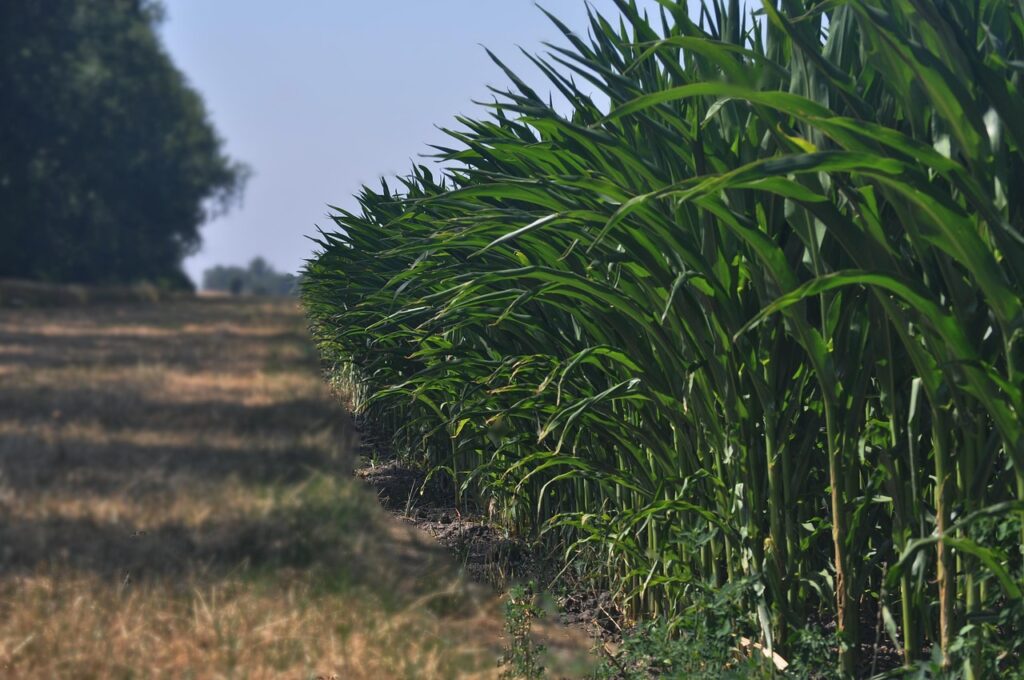
A Brazilian model maps 2021 frost damage in second-crop corn using Sentinel-2 imagery and Random Forest machine learning. Tested across 700,000+ hectares in western Paraná, the method identified corn fields with 96% accuracy and estimated about 70% of mapped areas suffered frost impacts. The adaptable workflow, called GEEadas, supports loss assessment, insurance, and climate-risk policy planning for other crops too.
Long-Term Study Shows Soil Imbalances Can Weaken Crop Defenses
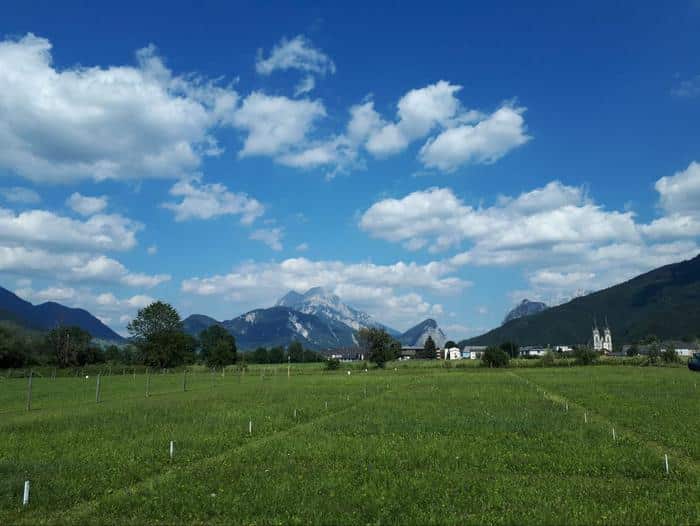
A 70-year long-term experiment shows that nutrient imbalances in soil—especially potassium deficiency combined with nitrogen fertilization—can severely disrupt mycorrhizal symbiosis, the vital partnership between plants and beneficial fungi. The study, led by researchers at the University of Vienna and published in New Phytologist, highlights how balanced fertilization is essential for maintaining soil health, crop resilience, and sustainable agriculture.
How the Middle East War Could Ripple Through the Seed Industry

A war unfolding in the Middle East is already sending ripple effects through global fertilizer, energy and shipping markets. In this episode of The Way I See It, Seed World U.S. editor Aimee Nielson explains what disruptions around the Strait of Hormuz could mean for fertilizer supply, farm input costs and the seed industry.
New Barley Lines Could Help Beer Stay Fresher Longer

The Prairie Recommending Committee for Oats and Barley is reviewing malting barley lines including LOX-less types that reduce flavour staling in beer
Loss of Prairie Research Stations Threatens Wheat Testing System, PGDC Committee Hears
Cuts affecting sites like Lacombe, Scott and Indian Head could leave major production zones without data for evaluating new lines
Modelo mapea daños por heladas en maíz Brasileño 2021

Un modelo brasileño mapea el daño por heladas de 2021 en el maíz de segunda cosecha con imágenes Sentinel-2 y aprendizaje automático Random Forest. Probado en más de 700.000 hectáreas del oeste de Paraná, identificó parcelas de maíz con 96% de precisión y estimó que el 70% del área presentó daño. El flujo GEEadas apoya seguros, estimaciones y políticas climáticas.
What’s Next in Corn Genetics? Corteva’s Plan for 2026 and Beyond

2025’s record-breaking 17-billion-bushel U.S. corn crop reinforced the shift happening in the conversation around corn genetics. Yes, yield remains king. But increasingly, resilience is defining performance. Last season put genetics […]
Biological Seed Treatments: Innovation, Regulation and Market Expansion
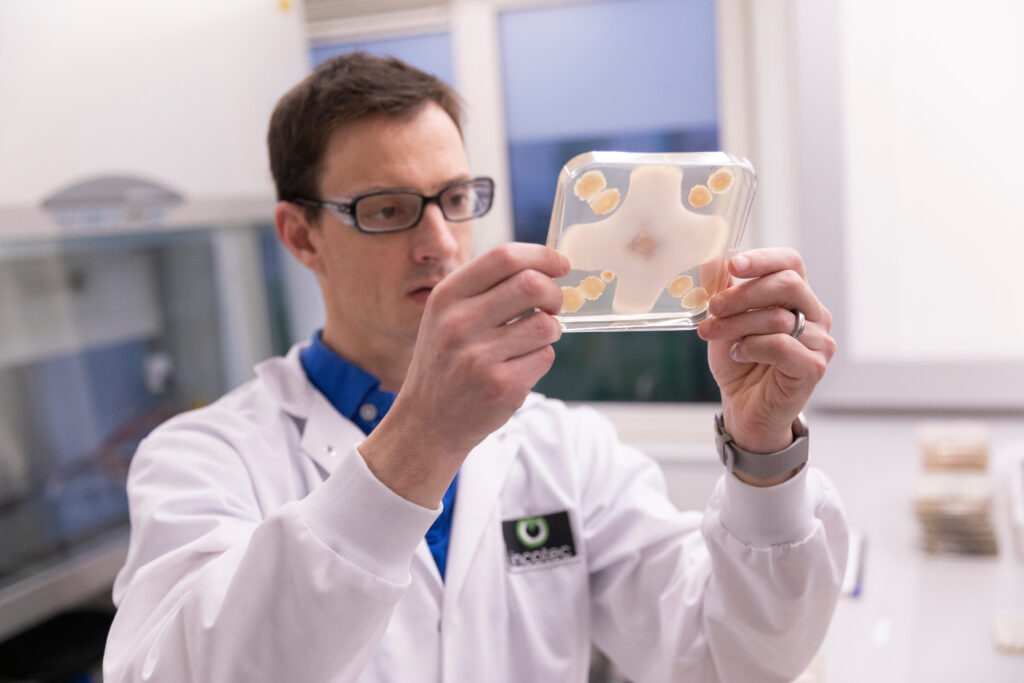
Biological seed treatments are rapidly advancing across global agriculture, driven by innovation, regulatory shifts and growing farmer demand for improved crop performance. Industry leaders from BASF, Bayer, Corteva and Incotec examine market growth, technical challenges, regulatory harmonization and adoption trends shaping the future of seed-applied biologicals and integrated seed treatment strategies worldwide.
What’s the Right Amount of Education for You?
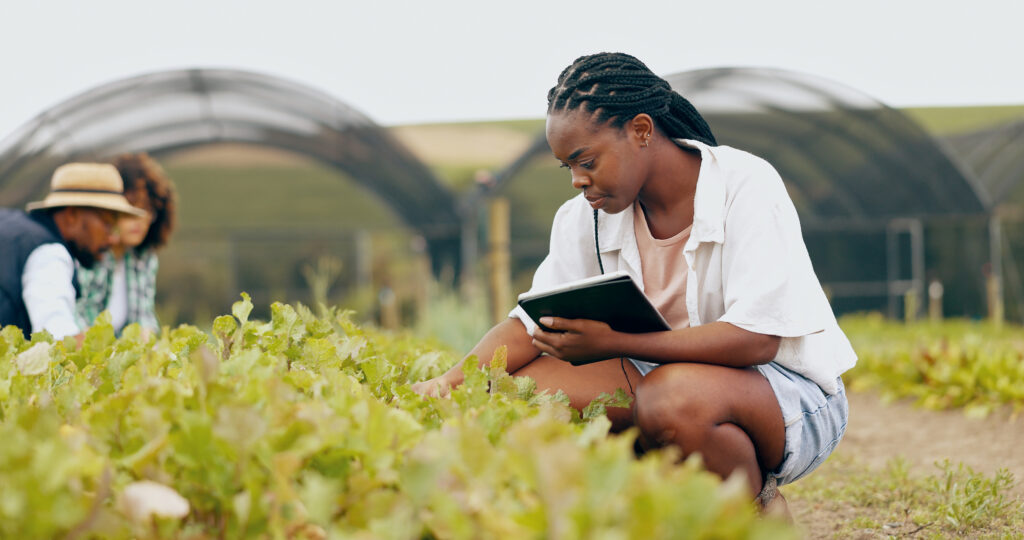
The seed industry faces a talent bottleneck: professionals want to grow into leadership but can’t pause careers for full-time degrees. Education can be stacked strategically. An ISU Seed Technology and Business instructor shares how the program broadened his industry lens, while emphasizing modular options—certificates, micro-credentials, workshops, and conferences—early on. Gain industry context first, then pursue graduate education to accelerate growth.
New Mustard Promises Yield Gains as PRCO Flags GM and Research Risks

Big yield gains, market risks and federal research cuts dominated flax and mustard discussions at today’s Prairie Grain Development Committee meetings in Banff
Corn Moves South
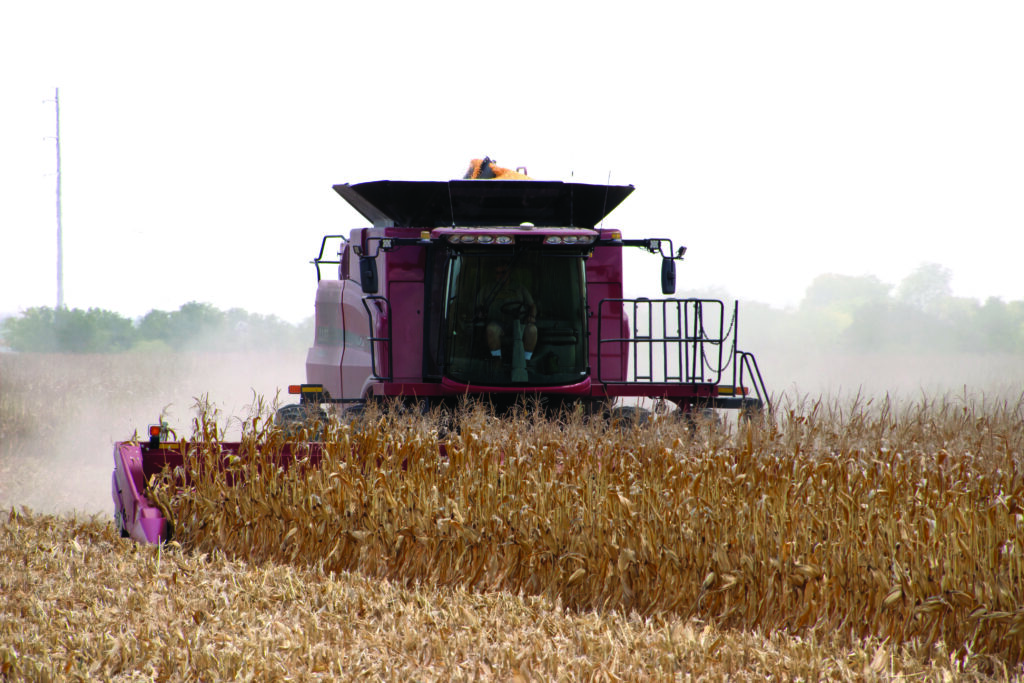
When you think of corn country, you tend to focus on the Midwestern states like Illinois, Indiana and Iowa, but a Southern Corn Belt is making waves and growing year over year.
Who Funds Wheat Research in Canada? Increasingly, it’s Farmers

Long before recent federal cuts made headlines, Canadian farmers were quietly underwriting the country’s wheat breeding system
Paraná Study Shows Productivity Gains with Soybean Co-Inoculation
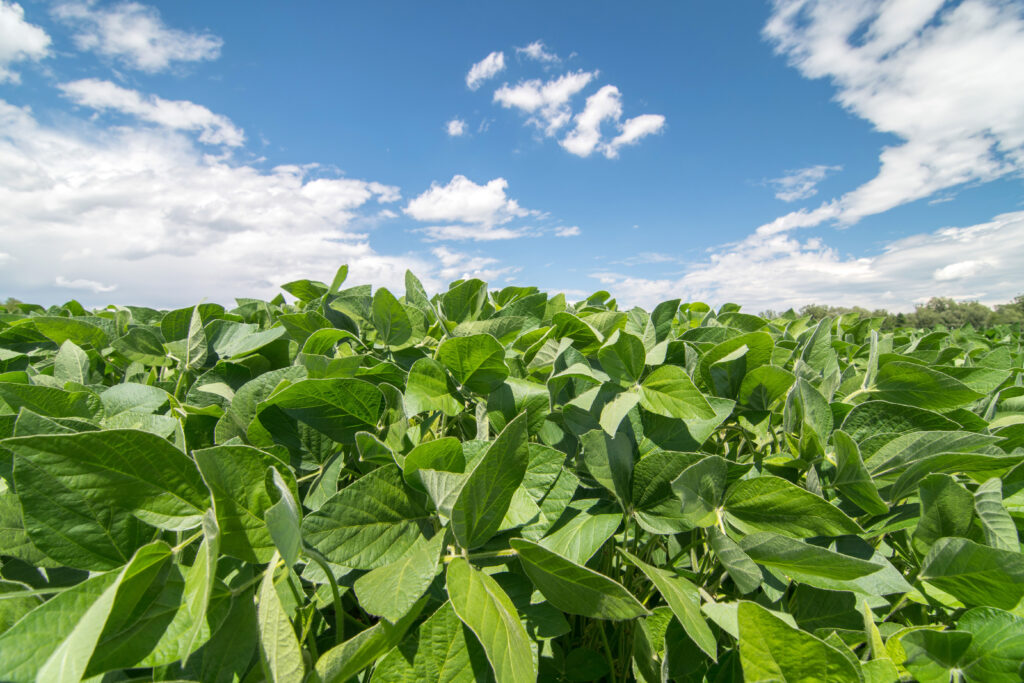
A Paraná study by Embrapa Soja and IDR-Paraná shows soybean seed co-inoculation delivers consistent productivity gains. Ten years of field validation in commercial Technological Reference Units found an average 8.33% yield increase by combining Bradyrhizobium and Azospirillum, strengthening biological nitrogen fixation. In 2024/2025, co-inoculated fields averaged 3,916 kg/ha, outperforming non-inoculated areas and state and national averages.
Study Links eccDNA to Rapid Plant Stress Resistance

Scientists at Rothamsted and Clemson University have unified fragmented research to show that extrachromosomal circular DNA (eccDNA) acts as a genomic “shock absorber” in plants. Their review demonstrates that eccDNA amplifies genes, buffers stress and accelerates adaptation beyond chromosomal limits, reshaping understanding of genome plasticity and opening new pathways for crop resilience and climate-ready agriculture.