

What we Know So Far About the Reported Cuts to AAFC Staffing, Research Stations
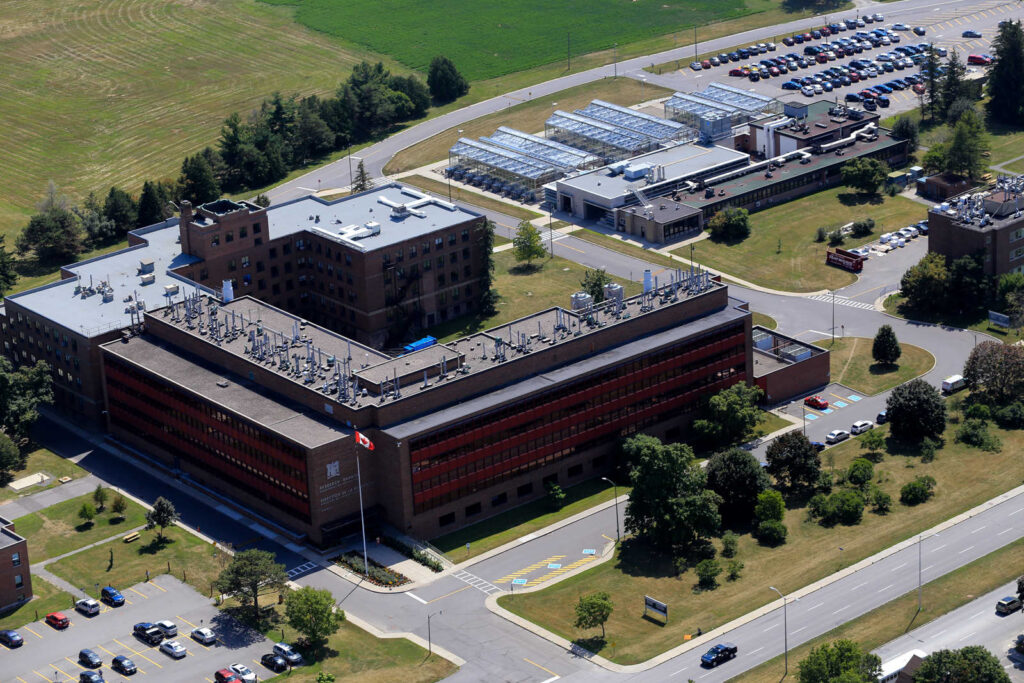
AAFC has publicly announced that seven research stations will be shut down as part of a planned workforce reduction
What AAFC Research Station Closures Could Mean for Canadian Seed Innovation
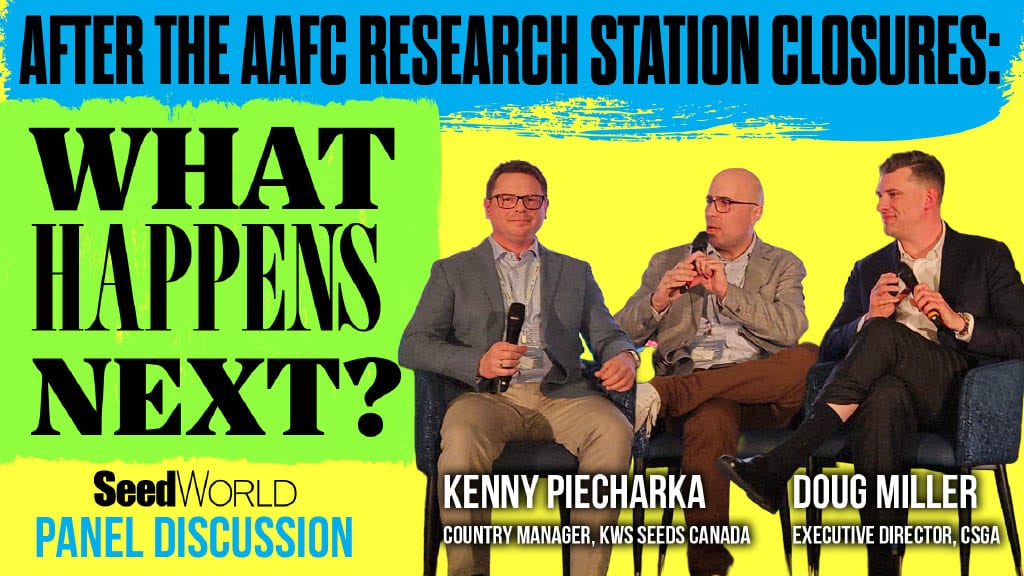
The impact won’t show up tomorrow, but five to 10 years from now, farmers may feel it in lost yield gains and weak disease packages
The Regulation Race Is Redrawing Seed Innovation

Gene editing is accelerating plant breeding across crops and regions, but global regulatory frameworks may determine who gets to innovate. In a recent webinar, regulatory veteran Daniel Jenkins explains how policy decisions in Latin America, Europe and beyond are shaping the future of seed innovation.
Europe’s Fields May Dry Out More — Even With Higher Rainfall
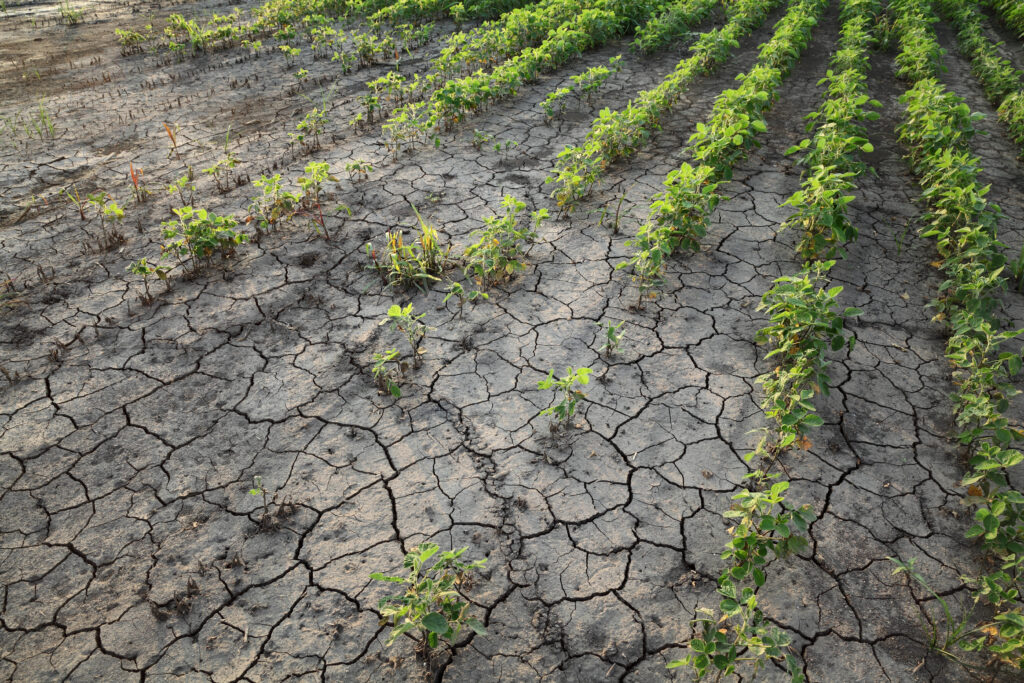
University of Reading research published in Nature Geoscience (14 January 2026) warns Europe and western North America will face more frequent, intense crop droughts as warming accelerates soil moisture loss, even where annual rainfall rises. The study maps growing-season drought hotspots and shows dry springs raise summer drought risk. Findings underscore urgent needs for drought-tolerant crops and improved water management.
INTA y Palo Verde lanzan tres nuevos cultivares de alfalfa
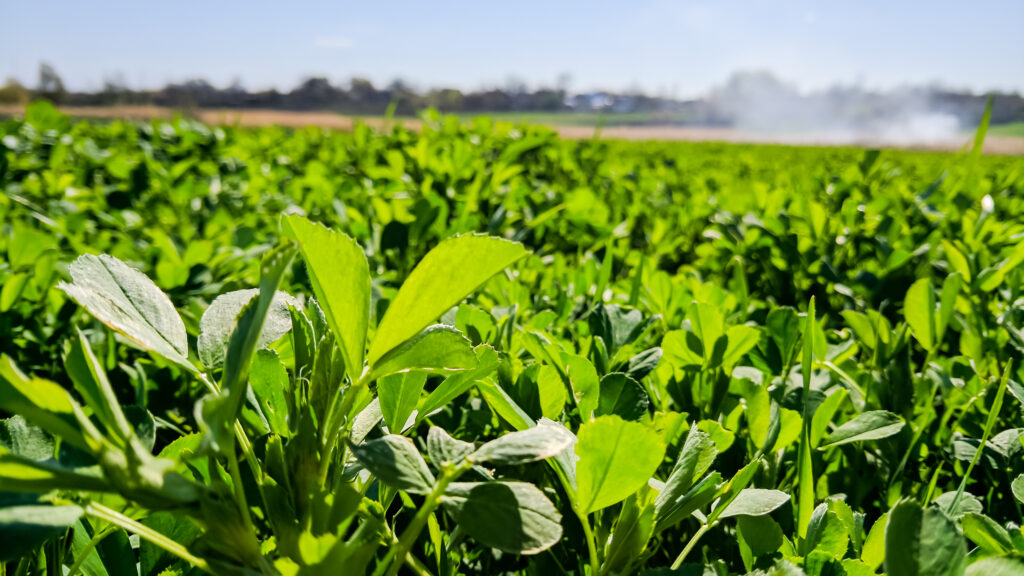
INTA y Palo Verde presentaron tres nuevas variedades de alfalfa en Córdoba tras 13 años de investigación conjunta. Amaya PV INTA se orienta a heno de alta calidad, Kumen PV INTA tolera suelos salinos y Maltetén PV INTA reduce el riesgo de empaste en pastoreo. Los materiales amplían soluciones forrajeras para sistemas ganaderos diversos en Argentina.
Feeding Pigs Smarter: How Hybrid Rye Is Changing Danish Farming

Hybrid rye is transforming Danish pig production by improving feed efficiency, animal welfare, and sustainability. In this KWS Seed World Visits episode, farmers and experts show how rye performs on poor soils, supports calmer pigs and healthier digestion, and enables 60–70% inclusion in feed. Learn how it can cut nitrogen up to 25%, water 20%, and CO₂ by 70 kg per ton.
Alberta MLA Urges Action After AAFC Layoffs Threaten Lacombe-Area Ag Research

With 112 positions expected to be cut locally, Jennifer Johnson says commissions and associations must unite and push for a reversal
Plant Breeding Innovation Clears Next Hurdle for EU NGT Framework

Euroseeds welcomes the ENVI committee’s strong approval of the NGT Regulation compromise text, moving the EU closer to a modern framework for new genomic techniques. Council confirmation is expected in February or early March, followed by final ENVI and plenary votes likely in April, paving the way for timely implementation to support European agriculture, competitiveness, and food security.
Chile proposes resolution to evaluate New Breeding Techniques in crops

Chile is strengthening responsible agricultural biotechnology with a draft SAG resolution formalizing how New Breeding Techniques (NBT) plant materials are assessed before field use. The case-by-case process distinguishes NBT products from transgenic GMOs, boosting legal certainty, transparency, oversight, and safeguards. A 60-day public consultation is open, supporting innovation for climate resilience, nutrition, and sustainable food production in Chile.
Seeds of Change, Part II – Breeding, Footprints and Future Pathways
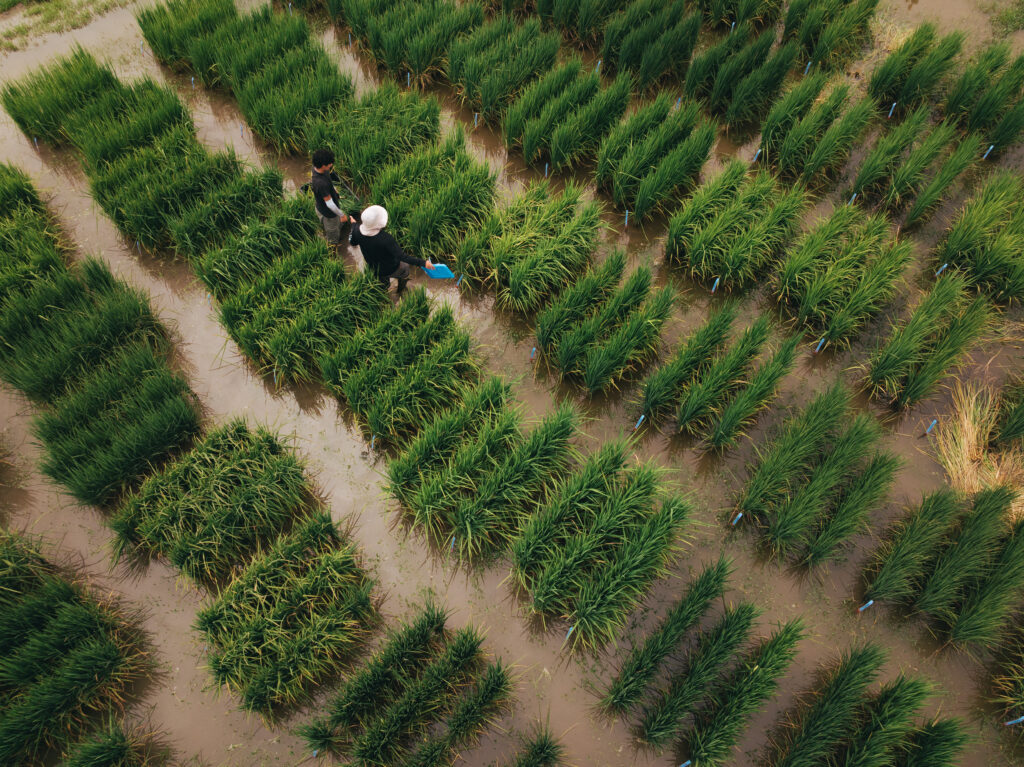
In Part 2 of Seed World Europe’s Seeds of Change series, leaders from Bayer, Semillas Fitó, RiceTec and Syngenta explain how sustainability in the seed sector goes beyond field traits to include operations, culture and collaboration. Through shared action under ISF’s ESR-CG, companies are aligning breeding innovation, measurable targets and internal practices to deliver more productive, responsible and climate-resilient agriculture.
Why Andrew Coyne Says Productivity is Now a National Security Issue
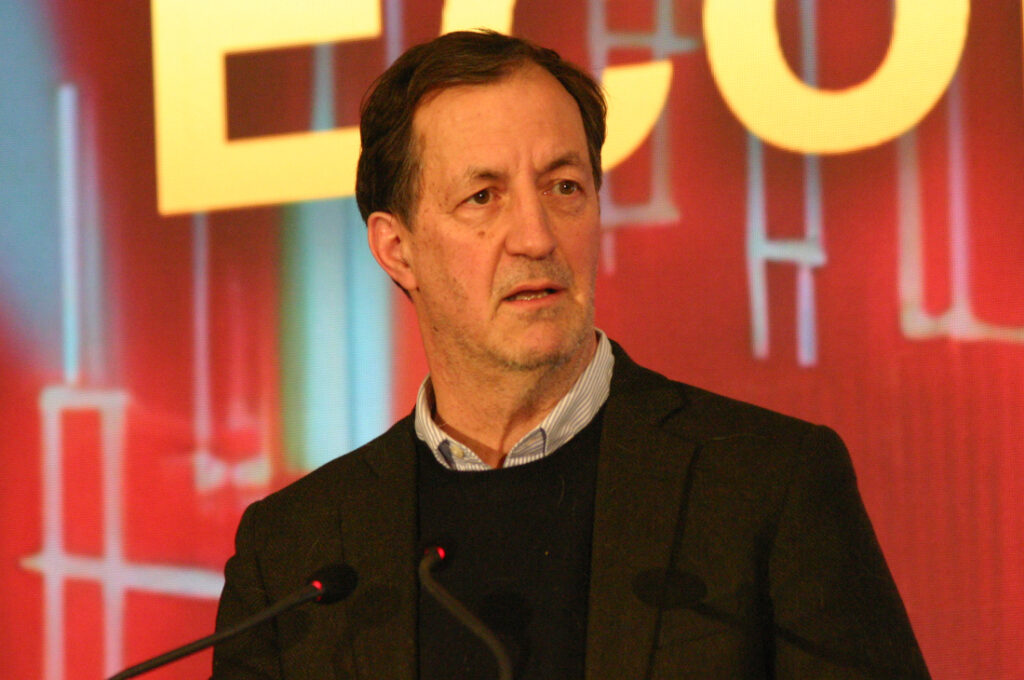
The Globe and Mail columnist argues that slow growth, limited competition, and trade vulnerability threaten Canada’s economic resilience
From Kenya to the Corn Belt
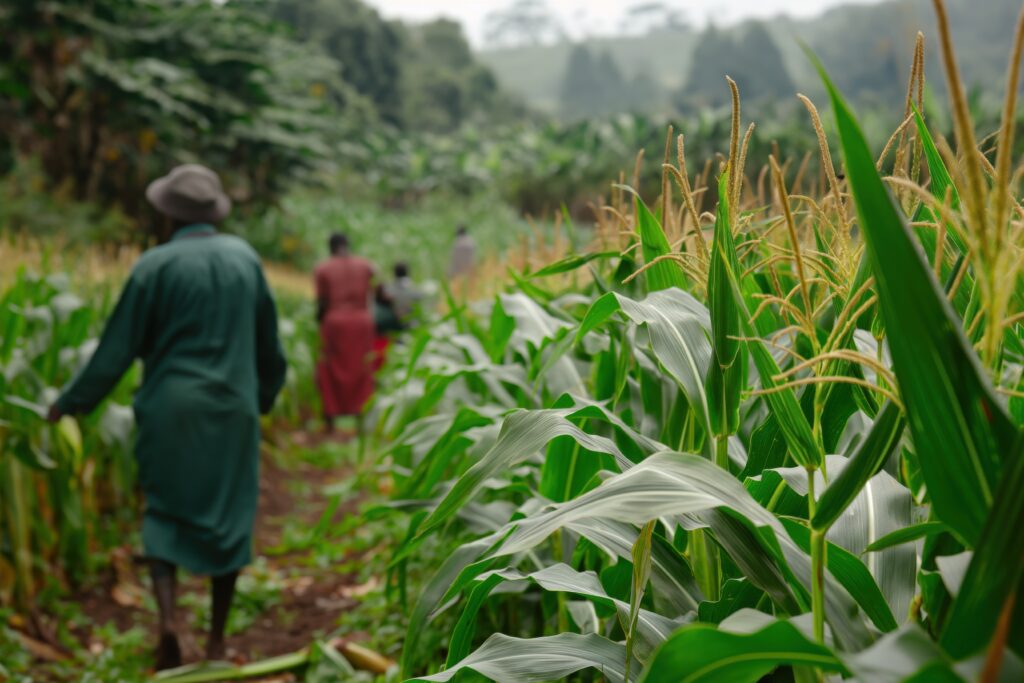
On a bright afternoon in an Illinois corn field, members of the local African diaspora community got a taste of home while organic corn farmers caught a glimpse of future innovation. Hosted by UIUC crop sciences graduate student Chris Mujjabi, the “Kasooli Party” celebrated white maize and the cultural and research connections linking Kenya to the Corn Belt.
TomViz Platform Opens Access to Tomato Gene Regulatory Networks

A Plant Communications study mapped tomato gene regulation across root, leaf, flower, fruit, and seed using 10,000+ expression datasets and machine learning. Researchers built organ-specific gene regulatory networks, confirming known ripening and ABA pathways and identifying new regulators, including SlGBF3 for water-stress response. All networks are available in TomViz, enabling faster discovery for stress-resilient tomato breeding.
Euroseeds Calls for Swift Adoption of the NGT Regulation
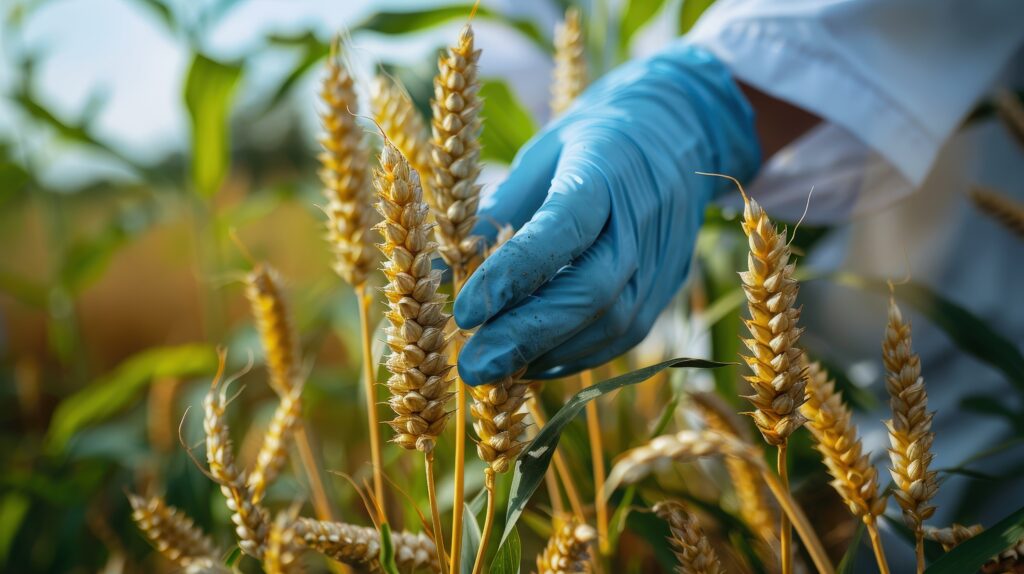
As ENVI prepares to vote on the EU New Genomic Techniques Regulation on 28 January, Euroseeds urges support for the agreed compromise. Following successful trilogue negotiations, Euroseeds warns that delays would harm plant breeding innovation, farmer competitiveness, climate-resilient crops, and Europe’s long-term food security, calling for swift adoption and implementation.
Chile propone resolución para evaluar Nuevas Técnicas de Mejoramiento Genético en cultivos

Chile refuerza el uso responsable de la biotecnología agrícola con un borrador de resolución del SAG que formaliza la evaluación de materiales vegetales desarrollados con Nuevas Técnicas de Mejoramiento (NBT) antes del uso en campo. El análisis caso a caso diferencia NBT de transgénicos, aumenta certeza jurídica, transparencia y supervisión. Hay consulta pública 60 días para impulsar innovación, resiliencia climática y alimentos.
Researchers Develop Soybean Line with Stronger Resistance to Aphids and Mosaic Virus
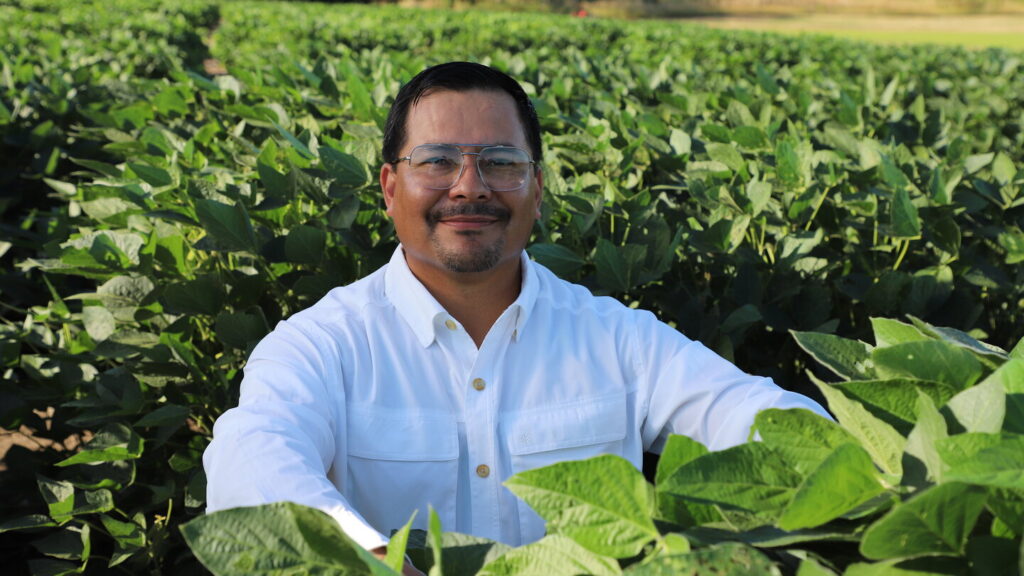
University of Nebraska–Lincoln researchers developed a new soybean line with improved resistance to soybean aphids and soybean mosaic virus, combining Rag2 and Rsv1-h traits to support future breeding and pest management efforts.
Myth vs. Reality: The Cold Truth About the AIM Act
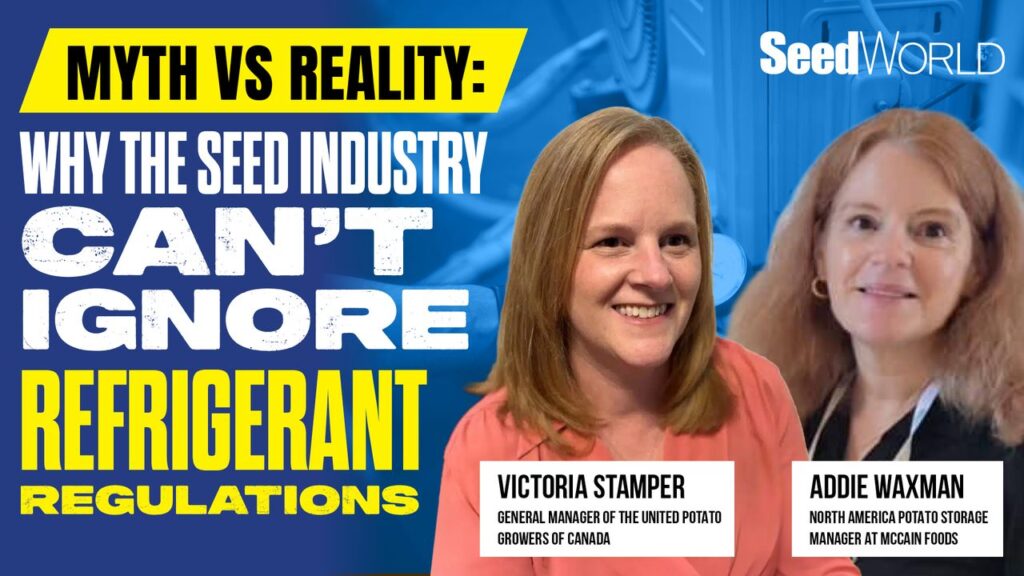
The AIM Act may feel like a 2035 issue, but refrigerant supply, equipment decisions and cold storage planning are already shifting. In this video, Addie Waxman of McCain Foods and Victoria Stamper of United Potato Growers of Canada explain why the seed industry should pay attention now.
La plataforma TomViz abre el acceso a las redes reguladoras de genes del tomate

Un estudio en Plant Communications mapeó la regulación génica del tomate en raíz, hoja, flor, fruto y semilla usando más de 10.000 datasets y aprendizaje automático. Se construyeron redes reguladoras específicas por órgano, confirmando vías de maduración y ABA e identificando nuevos reguladores, como SlGBF3 para estrés hídrico. Las redes están en TomViz, acelerando la mejora de tomates resilientes.
ISF Papers Outline a Roadmap for Climate-Resilient, High-Yield Agriculture

Sustainability in agriculture starts with seed, argue Ben Rivoire and Khaoula Belhaj-Fragnière of the International Seed Federation. New ISF papers highlight how plant breeding innovation boosts yields, resilience and resource efficiency while reducing environmental impact. From climate-resilient varieties to supportive, science-based policy, the seed sector is positioned as a foundation for sustainable, productive and inclusive global food systems.
AAFC Staffing Cuts Spark Concern Across Canada’s Seed and Plant Breeding Sector

Canadian Wheat Research Coalition warns federal job reductions could weaken public plant breeding
When Seed Plant Design is Done Right, ROI Follows

Trust isn’t built in the boardroom. It’s built in real-world decisions that determine whether a plant runs smoothly or sits idle at the worst possible time
Why Wheat Yields in North-West Europe Have Stalled

Wheat yields in north-west Europe have plateaued since the mid-1990s, stabilising around 7–9 tonnes per hectare despite continued genetic gains. Wageningen University & Research analysis combining trials, Dutch farm data and crop modelling finds climate change has not limited yields and has slightly boosted them. The main constraint is on-farm management, with crop rotations and soil impacts leaving 67–114 kg/ha/year unrealised.
Turning Insight into Impact: How phenoLytics Is Redefining Seed Phenotyping
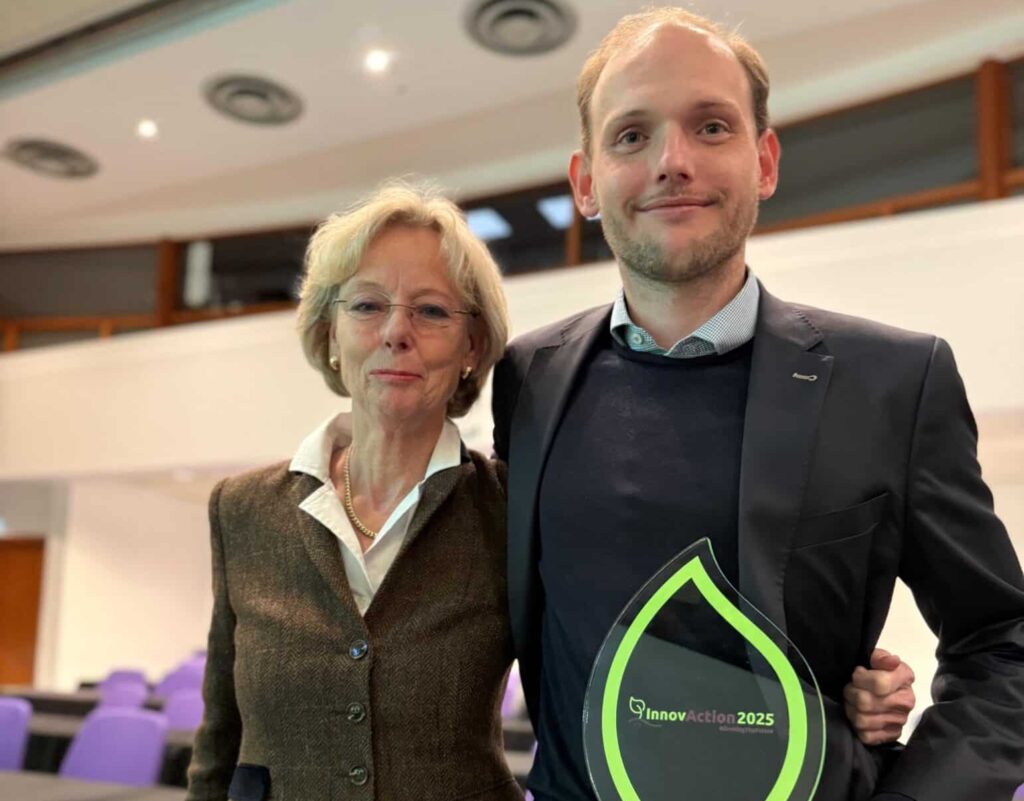
phenoLytics won first prize at the 2025 Euroseeds InnovAction Stage for its high-throughput 3D and 4D X-ray CT seed phenotyping solutions. The technology delivers ground-truth data on seed and seedling quality across the entire value chain, enabling faster, objective decisions in breeding, processing and quality control while reducing waste and unlocking greater genetic and commercial value.
Collaboration Links Genomic Analysis with Regulatory Studies and Field Trials

Staphyt and GenoScreen have signed a collaboration agreement combining genomics, regulatory studies, and field trials for microbial product development. The partnership links genomic characterisation, bioinformatics, laboratory studies, and efficacy trials to support European regulatory requirements for biostimulants and biocontrol solutions, from proof-of-concept through regulatory field validation and market authorisation.
UPDATE: List of AAFC Research Stations Reportedly Being Shuttered Grows
Facilities being shut down in wake of major job cuts include AAFC Lacombe in Alberta and AAFC Indian Head in Saskatchewan
Canada’s Agricultural Innovation is Falling Behind as R&D Spending and Seed Reform Stall
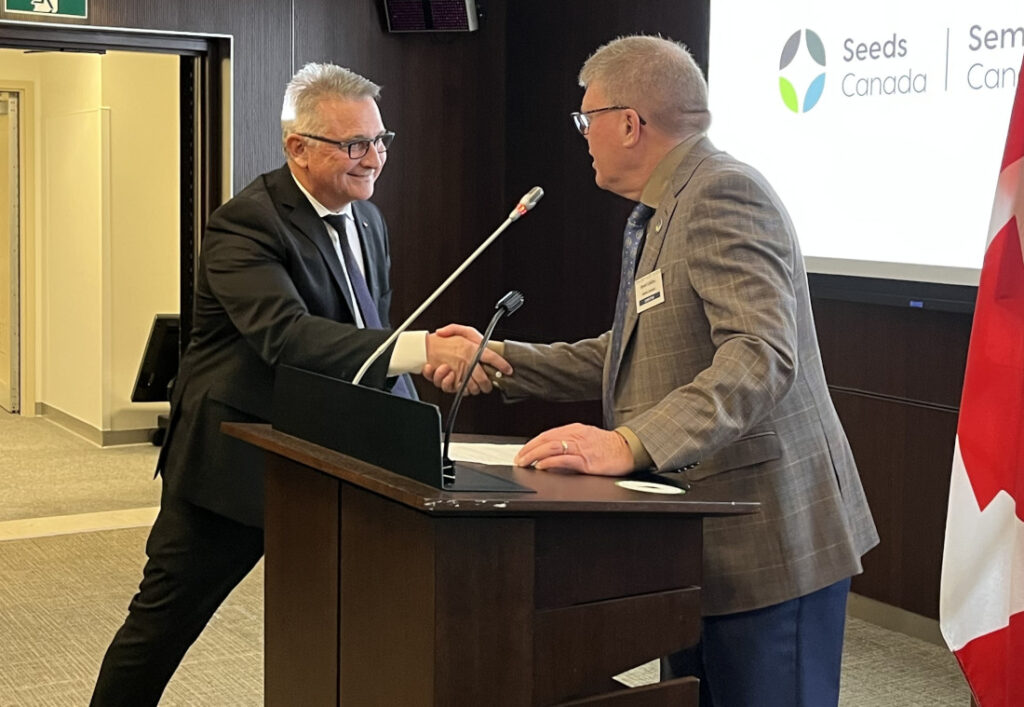
Our seed and plant-breeding systems are stuck in a risk-averse, underfunded loop, experts say
Easing Canada-China Trade Tensions Benefits Canola Developers

Maizex Seeds’ Stephen Denys weighs in on what lifted tariffs mean for exporters, growers, and continued investment in canola genetics
Early Planting Key to Improving Oilseed Yield and Quality, INTA Finds
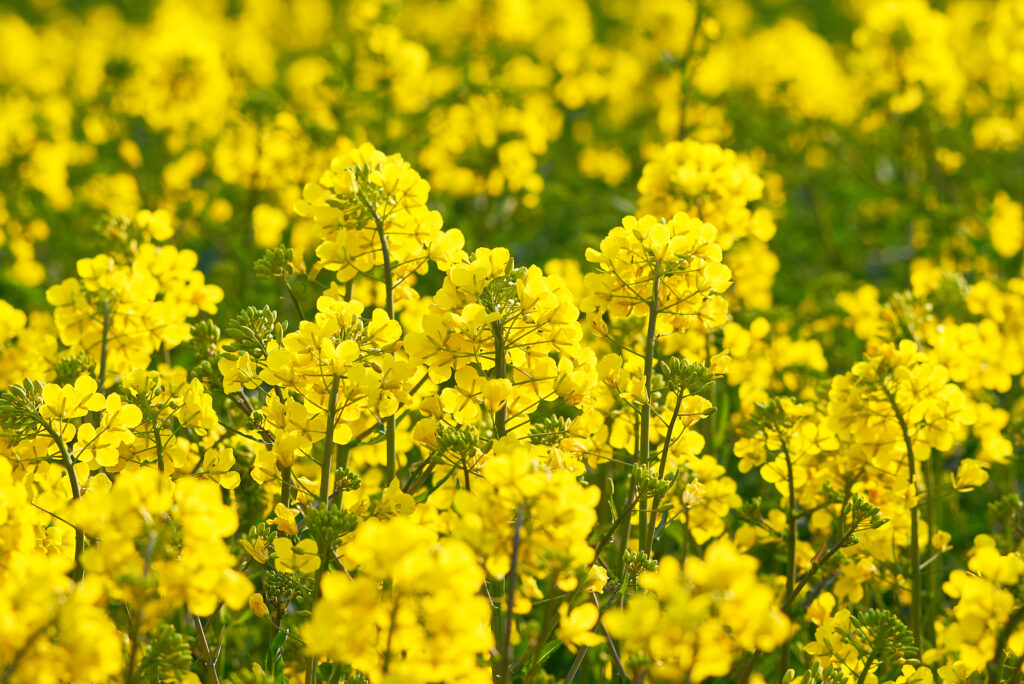
INTA Paraná analyzed grain quality in soybeans, flax, and rapeseed to support food and energy industries. The study measured protein, oil, amino acids, and phosphorus, identifying regional differences and high-value environments. Results guide genetic improvement, crop management, and cultivar selection, boosting biofuel potential, animal nutrition efficiency, and the sustainability of Argentina’s agri-food chains.
Three-Year UK Award Funds Soybean Rust Resistance Research
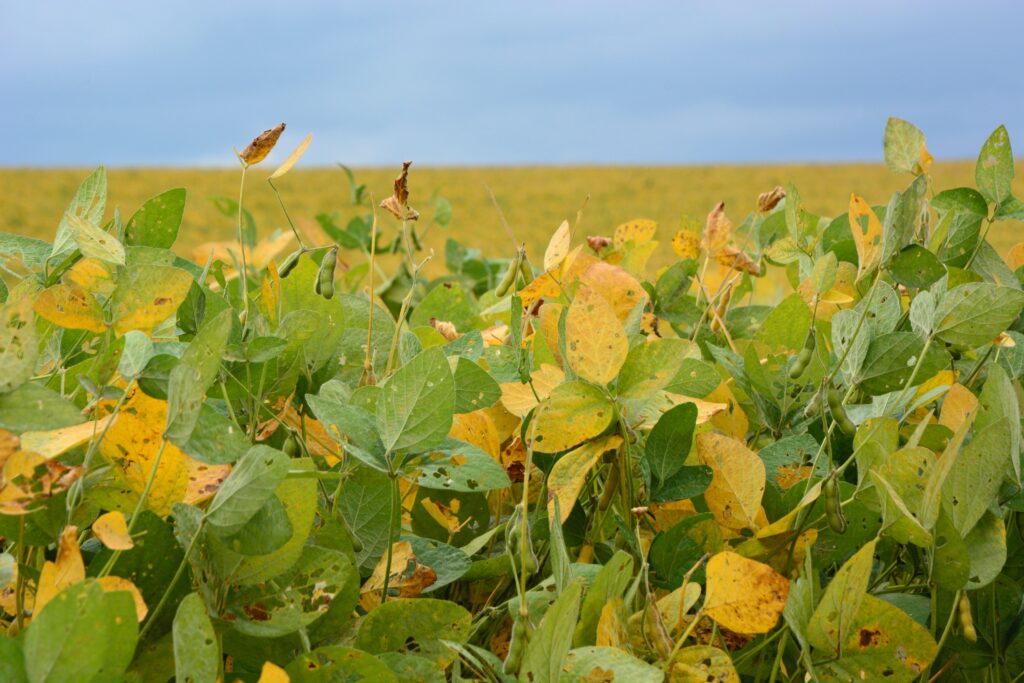
The 2Blades Group at The Sainsbury Laboratory and Bayer won a BBSRC Industrial Partnership Award to develop durable resistance to soybean rust. The £860,000, three-year project will study novel immune gene mechanisms from wild Glycine relatives, aiming to protect soybeans from Phakopsora pachyrhizi, reduce reliance on fungicides, and strengthen breeding pipelines for South America and smallholder farming systems in Africa.
And the Seed World Global Impact Award Goes to…
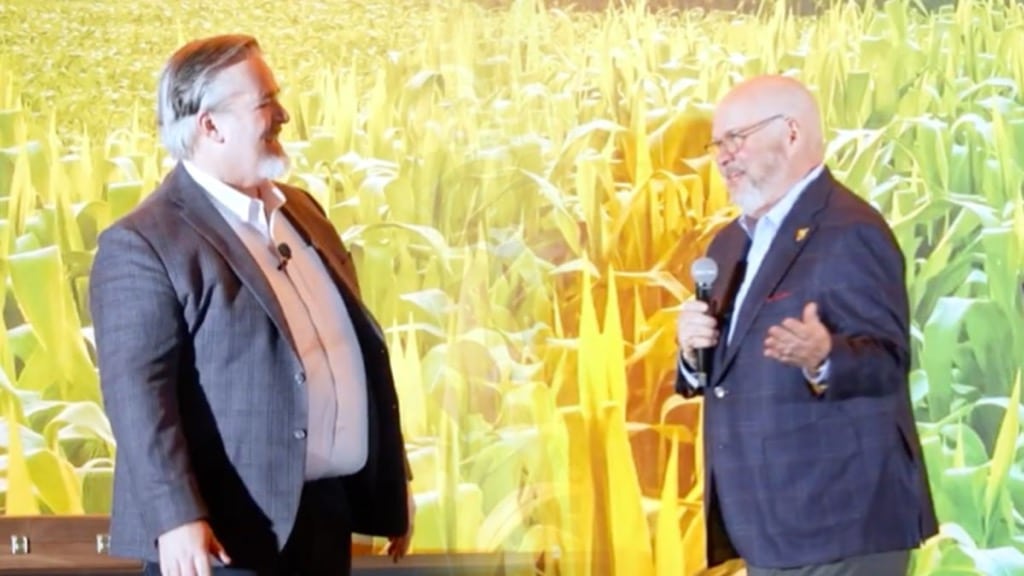
Drumroll please… The Seed World Global Impact Award 2025 for Best Event across the entire global seed sector has been awarded to the Independent Professional Seed Association (IPSA). Presented to […]
What 30 Years in Seed Testing Teaches You About Innovation and Resilience

Trevor Nysetvold looks back at the 30-year evolution of SGS Canada Crop Science, and why he’s more optimistic than ever about what comes next
Siembra Temprana Clave para Mejorar el Rendimiento y la Calidad de las Oleaginosas, Según el INTA

INTA Paraná estudió la calidad de granos de soja, lino y colza para fortalecer las industrias alimentaria y energética. El trabajo evaluó proteínas, aceites, aminoácidos y fósforo, detectando diferencias regionales clave. Los resultados orientan el mejoramiento genético, el manejo agronómico y la selección de cultivares, impulsando biocombustibles, nutrición animal y la sustentabilidad agroindustrial.
Adding a New Wing to Pollination: How Polyfly Is Putting Hoverflies to Work
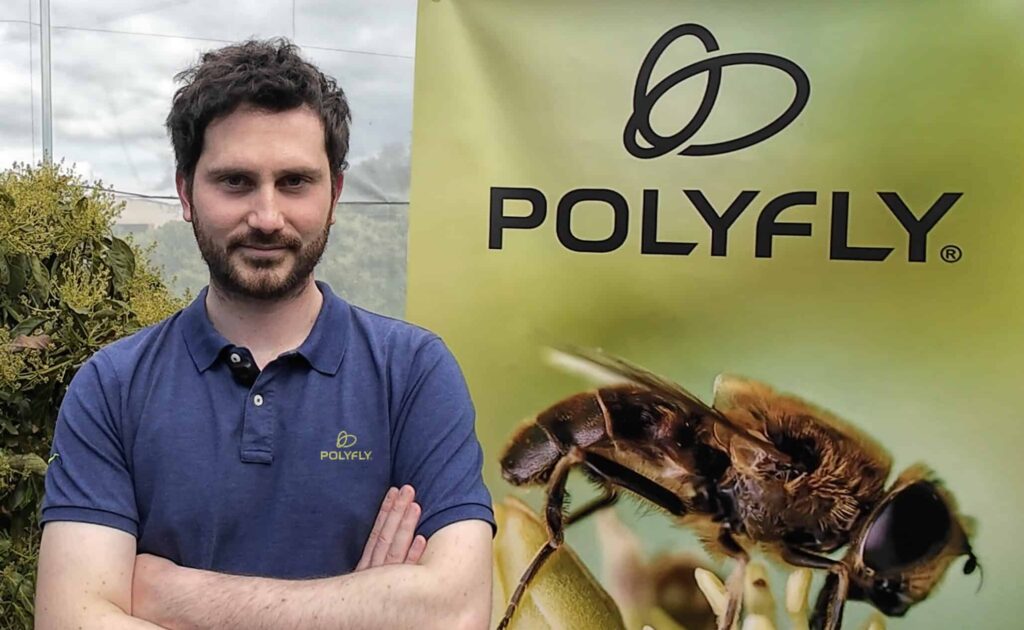
For decades, seed production relied almost exclusively on bees for managed pollination. Polyfly is rethinking that model by industrializing the mass rearing of hoverflies as an alternative pollinator. Recognized at the 2025 Euroseeds InnovAction Stage, Polyfly offers breeders and seed producers a flexible, resilient and scalable pollination solution that improves yield reliability across diverse crops and growing conditions.
Supreme Court Takes Up Key Roundup Case

The U.S. Supreme Court has agreed to review the Durnell Roundup case, a decision that centers on federal preemption and conflicting lower court rulings in glyphosate litigation. The Court is expected to issue a decision during its 2026 session, with implications for how federal pesticide labeling requirements are applied in state courts.
ABRATES Releases Free Digital Reference on Seed Pathology

Abrates, through its Seed Pathology Committee (Copasem), released the free digital book Seed Pathology: Basic Science, Brazil’s most comprehensive reference on the topic. With 13 chapters by 50 experts, it strengthens seed health standards, diagnostics, and disease management, supporting sustainable agriculture, regulatory rigor, and professional training across the seed production chain.
How Being Apolitical Could be Your Company’s Superpower

“Whose side are you on, anyway?!” explores how increasing political polarization affects businesses. It argues that aligning too closely with political parties can dilute brand identity, alienate customers, and undermine long-term influence. By remaining apolitical and focused on core business issues, companies can adapt as political positions shift and protect customer trust.