

Ancient Pinecone Genes Reveal a Hidden Blueprint for Stronger, Smarter Crops
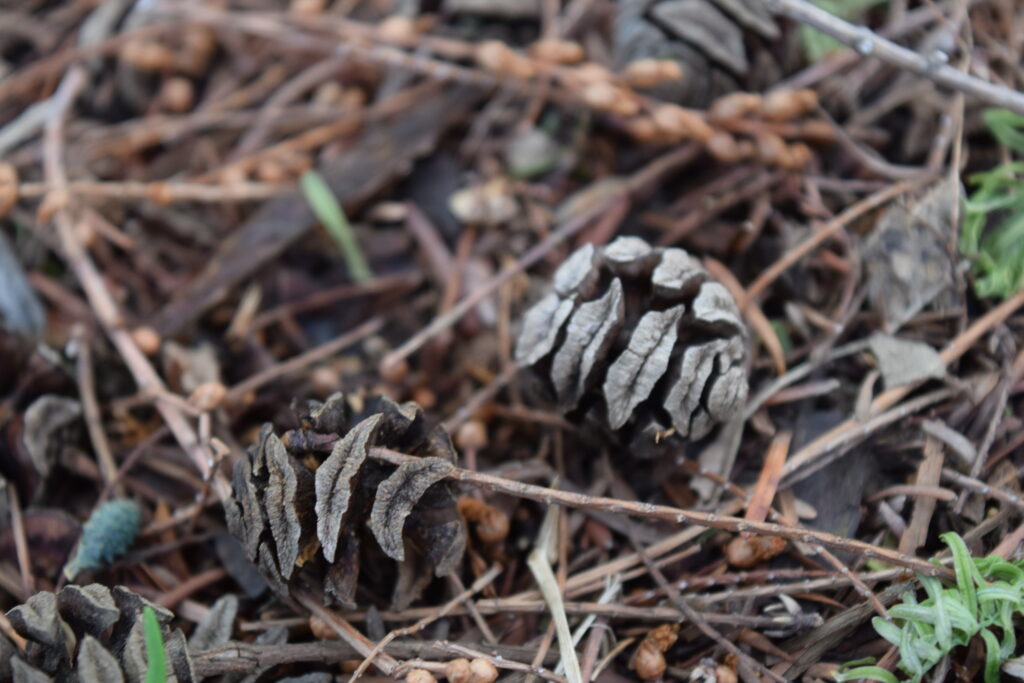
A team from New York University and the New York Botanical Garden decoded the genetic story of seed evolution, uncovering 4,000 ovule genes that link ancient gymnosperms to modern crops. The findings could help seed companies unlock new pathways for stress tolerance, seed vigor and productivity.
Híbridos locales impulsan el cultivo de girasol en San Luis

El cultivo de girasol en San Luis, Argentina, creció un 30% por encima del promedio histórico, alcanzando 100.000 hectáreas en 2023–2024. Ensayos del INTA en Villa Mercedes mostraron rendimientos de hasta 4.927 kg/ha con híbridos adaptados. Con más del 80% superando el 50% de aceite, los resultados refuerzan la rentabilidad y competitividad del girasol en la región.
Local Hybrids Boost Sunflower Growth in San Luis

Sunflower cultivation in San Luis, Argentina, has expanded 30% above the historical average, reaching 100,000 hectares in 2023–2024. INTA trials in Villa Mercedes showed yields up to 4,927 kg/ha using locally adapted hybrids. With over 80% achieving oil content above 50%, these results highlight sunflower’s growing profitability and competitiveness in regional crop rotations.
Project Opportunity Tests CRISPR-Enhanced Potatoes in Sweden and Denmark
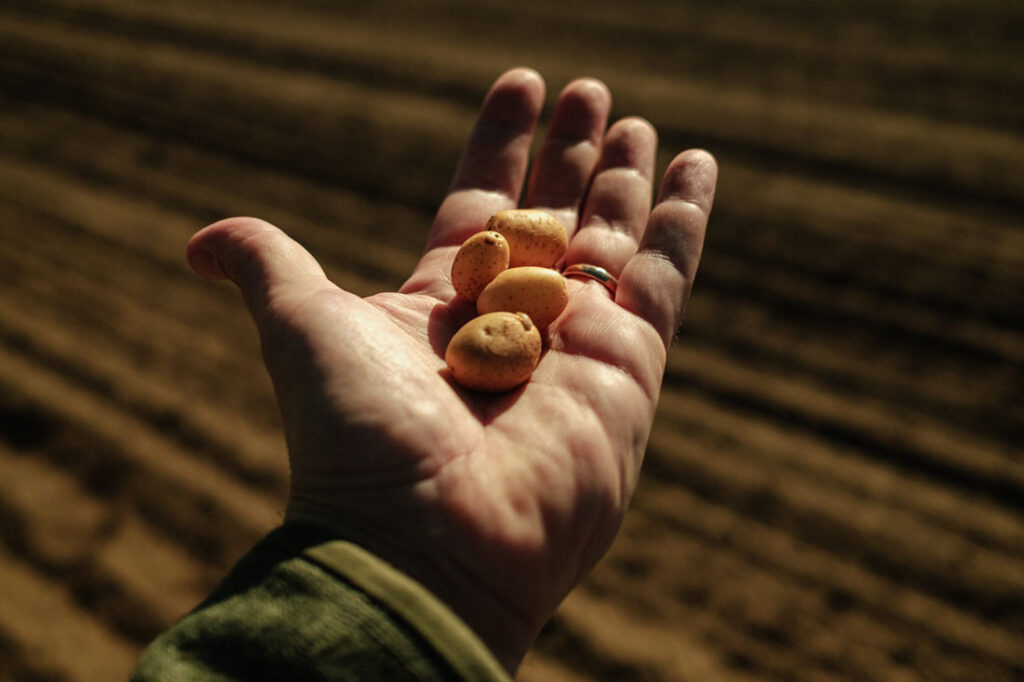
Project Opportunity has completed its first CRISPR-Cas field trials in Sweden and Denmark, developing starch potatoes with improved resistance to late blight. The 12-partner European consortium is advancing sustainable potato breeding and preparing for expanded 2026 trials. The initiative showcases how new genomic techniques (NGTs) can rapidly enhance crop resilience and sustainability across Europe’s potato starch sector.
Peruvian Chili Among New Additions to Svalbard Global Seed Vault

Peru’s National Institute of Agricultural Innovation (INIA) made its first seed deposit at the Svalbard Global Seed Vault in Norway, joining 20 global genebanks in preserving 21,000 samples. Among the deposits were Peruvian chili seeds, marking Peru’s growing role in global biodiversity conservation and food security through collaboration in safeguarding the world’s agricultural genetic heritage.
Rare Lost Allele That Boosts Soybean Seed Protein Identified
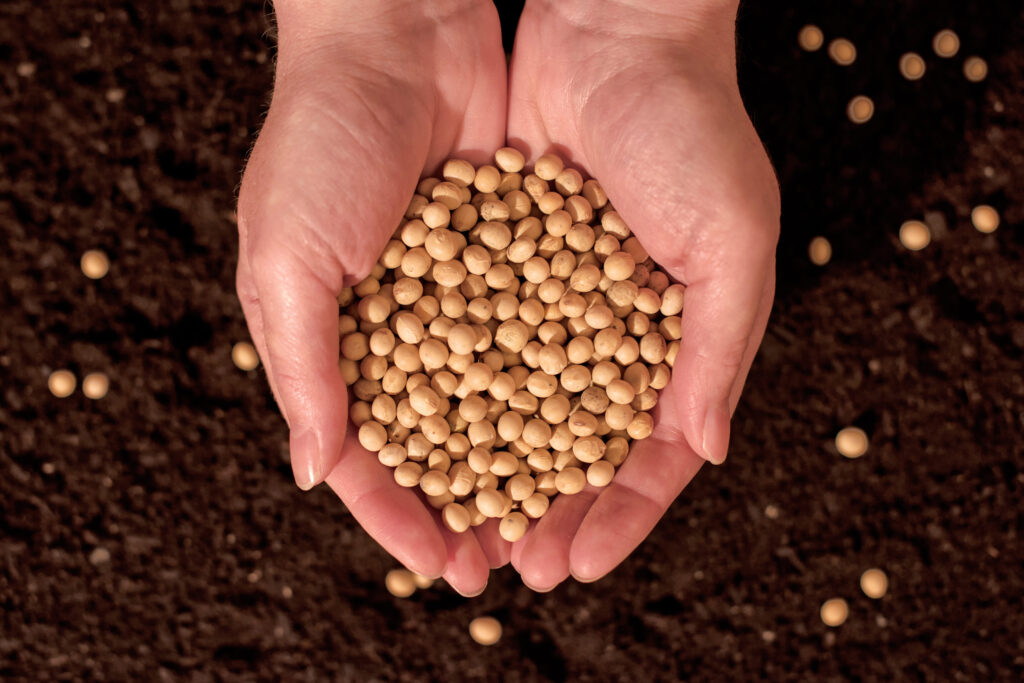
Researchers from the South China Botanical Garden discovered a rare allele, PC08Ins, that boosts soybean seed protein content but was lost during domestication. Found through GWAS and published in PNAS, the gene enhances abscisic acid levels, increasing storage proteins. Reintroducing PC08Ins into modern soybeans could significantly improve nutritional quality and support future breeding programs.
El chile peruano, entre las nuevas incorporaciones a la Bóveda Global de Semillas de Svalbard
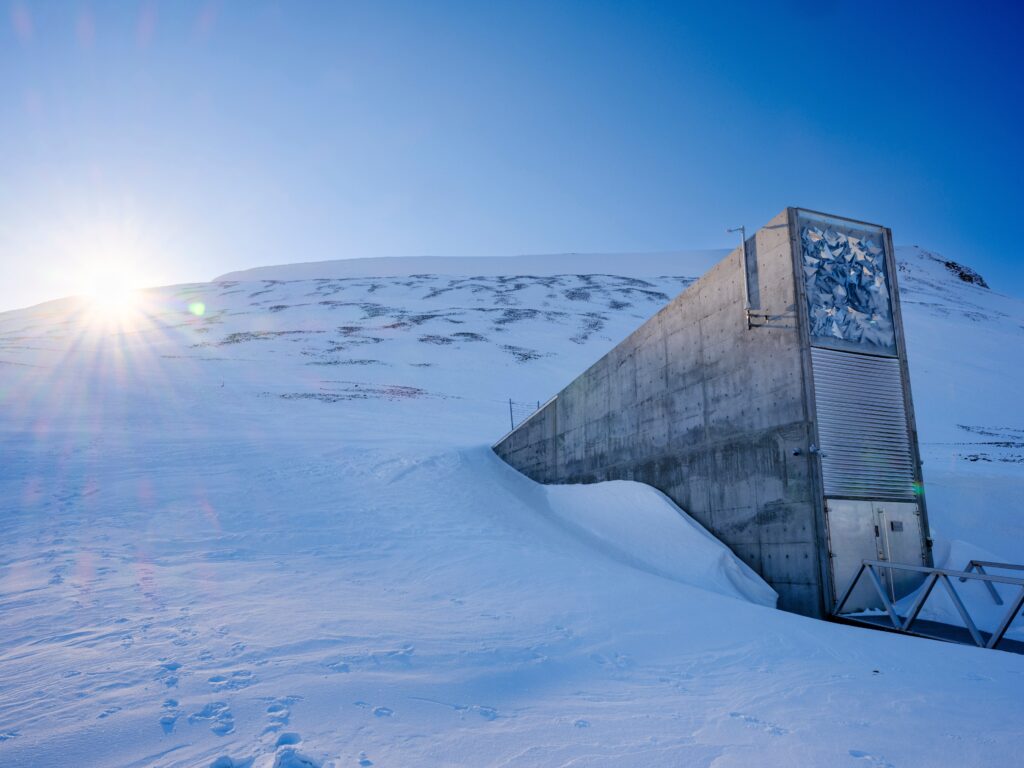
El Instituto Nacional de Innovación Agraria (INIA) de Perú realizó su primer depósito de semillas en el Banco Mundial de Semillas de Svalbard, en Noruega, junto a 20 bancos genéticos de todo el mundo. Entre las muestras se incluyeron variedades peruanas de ají, destacando el compromiso de Perú con la conservación de la biodiversidad y la seguridad alimentaria global.
Staphyt Expands Seed Services in Europe

Staphyt has integrated the three subsidiaries of the Héliantis Group, expanding its seed research and production capabilities in Europe. The addition of new French sites increases Staphyt’s network to 25 seed stations in 12 countries and over 300,000 microplots. The group now offers extended seed services, including production, varietal trials, stress testing, and multiplication.
Desert Survivor Offers Clues to Growing Crops in Extreme Heat
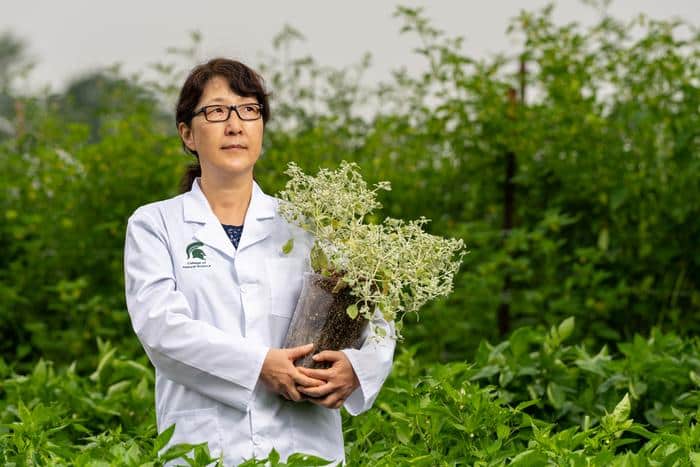
In one of the hottest places on Earth, a resilient desert plant is helping scientists unlock how crops could adapt to rising global temperatures. Michigan State University researchers studying Tidestromia oblongifolia in Death Valley discovered genetic and physiological traits that allow it to thrive above 120°F — insights that could guide the development of heat-tolerant crops for a changing climate.
Why the U.S. is Looking North for Seed Certification Solutions

AOSCA’s message to seed growers is blunt: we ignore the quiet crisis in seed certification at our peril
COP30: La FAO advierte que la falta de financiación climática amenaza la transformación de los sistemas agroalimentarios

En la Cumbre Climática de Belém, la FAO instó a aumentar la financiación climática para los sistemas agroalimentarios, calificando la brecha actual como una “oportunidad perdida” para un sector capaz de reducir un tercio de las emisiones globales. De cara a la COP30, la FAO promovió la gestión integrada de incendios, sistemas alimentarios resilientes y soluciones agroalimentarias basadas en la ciencia.
COP30: FAO Warns Climate Funding Gap Threatens Agrifood Systems Transformation

At the Belém Climate Summit, FAO urged greater climate finance for agrifood systems, calling the current funding gap a “lost opportunity” for a sector that can cut one-third of global emissions. Ahead of COP30, FAO promoted integrated fire management, resilient food systems, and science-based agrifood solutions to drive low-emission, sustainable growth and strengthen food security.
Gates Foundation Champions Farmer Innovation at COP30

The Gates Foundation launched a $1.4 billion, four-year initiative at COP30 in Belém, Brazil, to boost climate adaptation for smallholder farmers in sub-Saharan Africa and South Asia. The program expands access to climate-smart innovations—digital tools, resilient crops, and soil health solutions—to strengthen food security, fight poverty, and protect vulnerable communities from worsening climate impacts.
AI Cameras Take on One of UK Farming’s Toughest Weeds
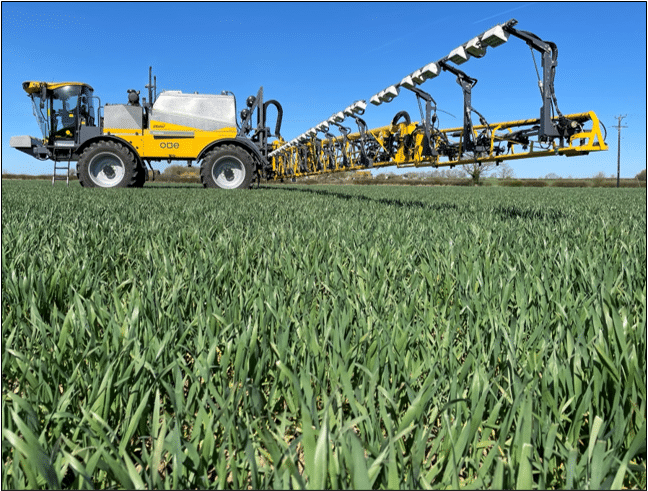
A collaboration between Rothamsted Research, Bosch, Chafer Machinery, and Xarvio has developed an AI-powered precision spraying system to combat black-grass in UK farms. Using camera-equipped sprayers, it identifies and targets weed-infested zones, cutting herbicide use and costs. Funded by DEFRA and UKRI, the technology boosts sustainability while maintaining effective black-grass control.
Thinking Outside The Box

Efficient seed treatment decisions start with strong data management. Many in the seed industry struggle to analyze scattered data effectively. Genovix software centralizes research data, enabling faster, more accurate analysis and decision-making. Originally designed for plant breeding, its powerful statistical tools also enhance fertilizer, pesticide, and seed treatment research across agriculture, boosting productivity and innovation.
Plants Under Stress: How Rye Rearranges Its Genes
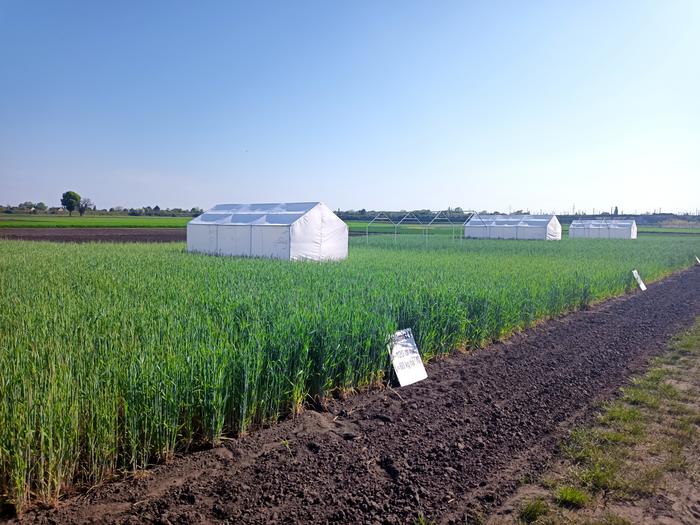
A large-scale study of over 500 rye plants reveals that nutrient deficiency reduces genetic recombination during meiosis. Conducted at Martin Luther University’s “Eternal Rye Cultivation” site, researchers found recombination is governed by many small genetic regions, not one master switch. These insights could accelerate breeding of resilient crops adapted to environmental stress.
Unlocking the Full Potential of the MLS

As governments prepare for GB11 of the International Treaty on Plant Genetic Resources for Food and Agriculture (ITPGRFA), Euroseeds is calling for a more inclusive, flexible, and practical Multilateral System (MLS). The organization proposes multiple payment options, clearer alignment with the Convention on Biological Diversity (CBD), and an expanded Annex I to cover all PGRFA. These reforms aim to reduce administrative burdens, improve legal clarity on Digital Sequence Information (DSI), and increase participation across diverse seed companies. A modernized MLS, Euroseeds argues, will strengthen innovation, benefit-sharing, and global food security for farmers and breeders worldwide.
Meet Crystal Rose-Fricker, Award Winning Turfgrass Scientist | Seed World Center Stage

Crystal Rose-Fricker recently received two of the most prestigious honors in the turfgrass world.
Tecnología chilena busca revolucionar el control de calidad en la producción de semillas
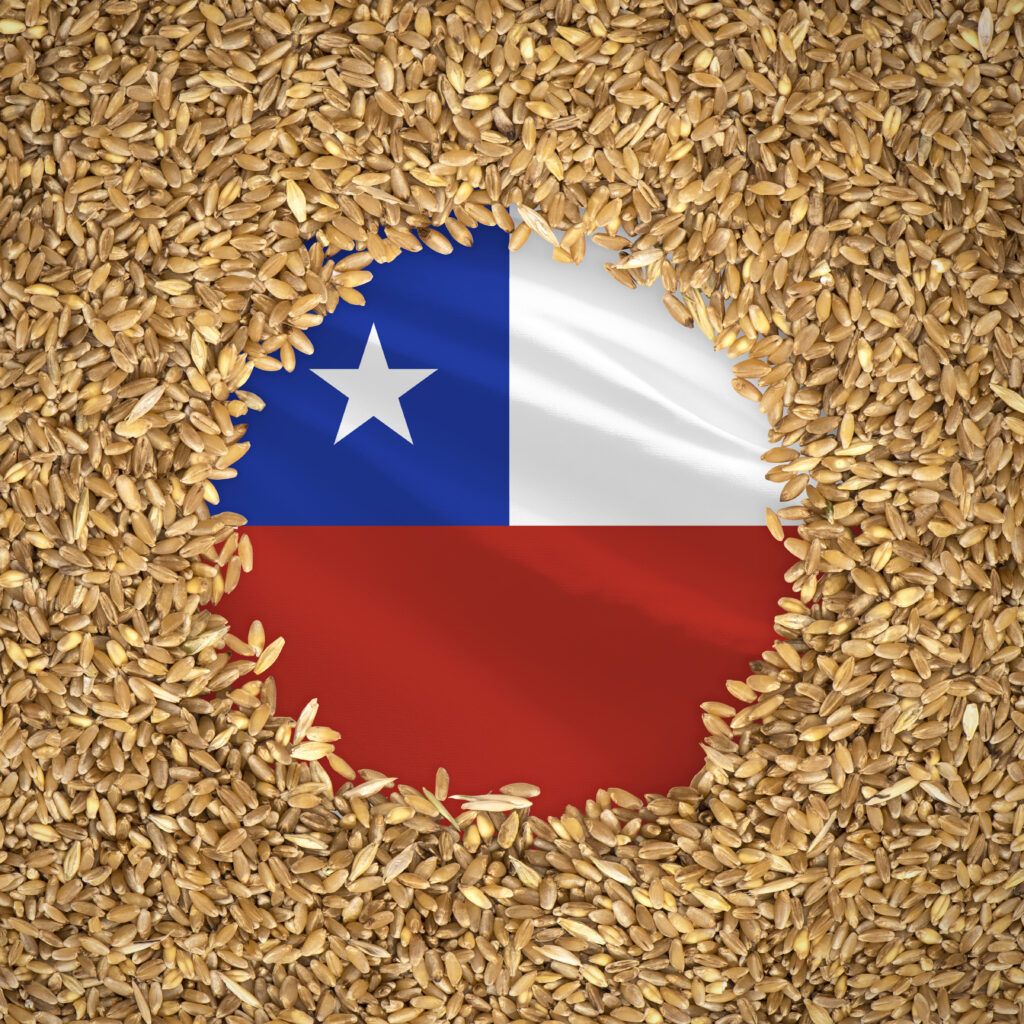
Chile lidera las exportaciones de semillas en el hemisferio sur, alcanzando casi USD 400 millones en 2024. Investigadores de la Universidad de Concepción desarrollan un dispositivo inteligente con aprendizaje automático para mejorar el control de calidad y trazabilidad de semillas. Esta innovación refuerza el liderazgo agrícola de Chile al reducir errores y promover una producción sostenible y precisa.
Chilean Technology Seeks to Revolutionize Quality Control in Seed Production
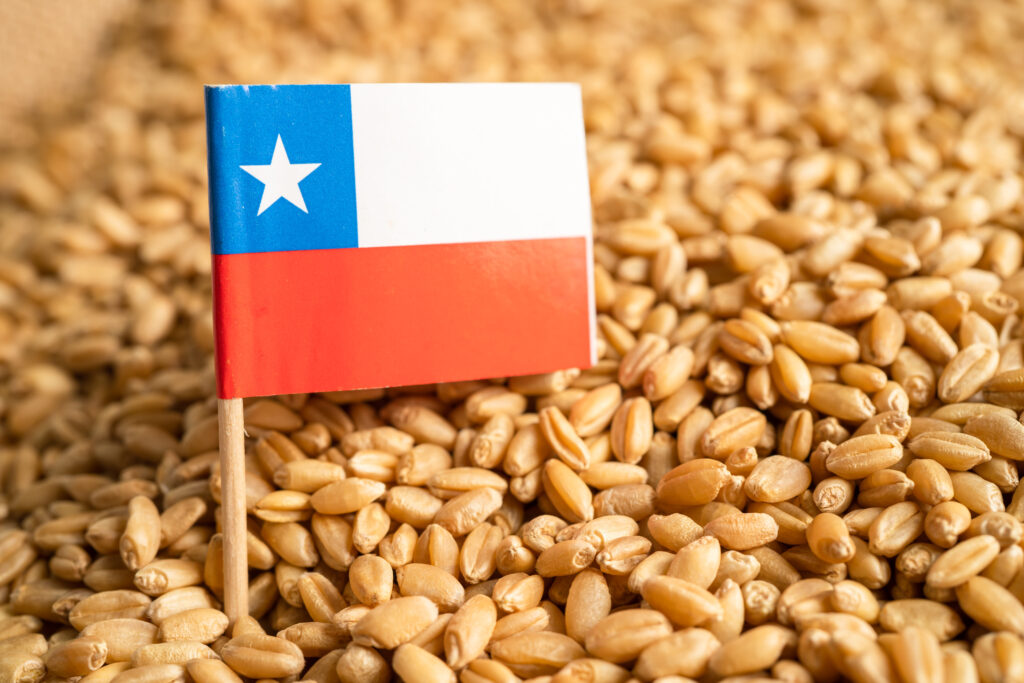
Chile leads seed exports in the Southern Hemisphere, producing nearly USD 400 million in 2024. Researchers from the University of Concepción are developing a smart device using machine learning to improve seed quality control and traceability. This innovation enhances Chile’s global agricultural leadership by reducing errors in hybridization and supporting sustainable, high-precision crop production.
Russian Deputy Agriculture Minister Accused of War Crime Over Stolen Ukrainian Grain
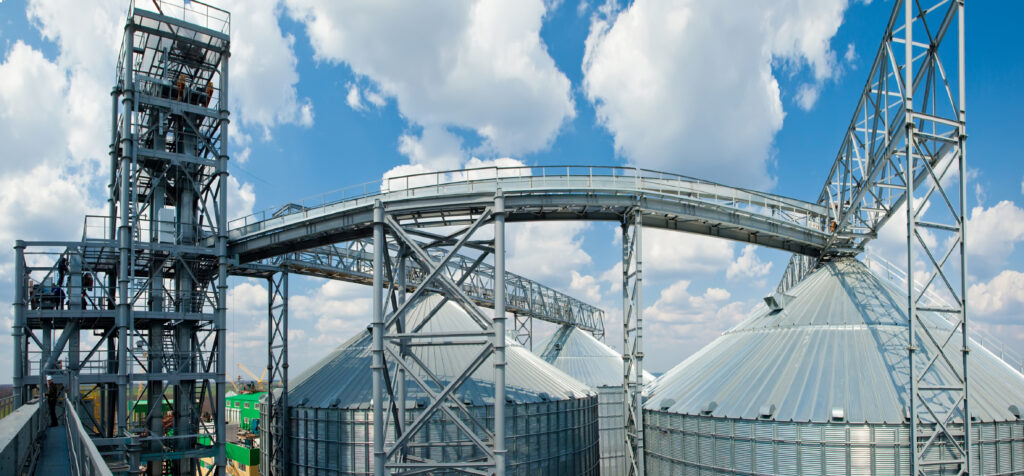
Ukraine’s Security Service (SSU) has charged Russia’s Deputy Minister of Agriculture with war crimes for orchestrating the theft of over 4 million tons of Ukrainian grain worth 23 billion UAH. The SSU alleges the stolen grain was exported via Crimea to countries including Syria and Turkey, violating international law during Russia’s invasion of Ukraine.
The Future of Crop Diversity in a Consolidating World
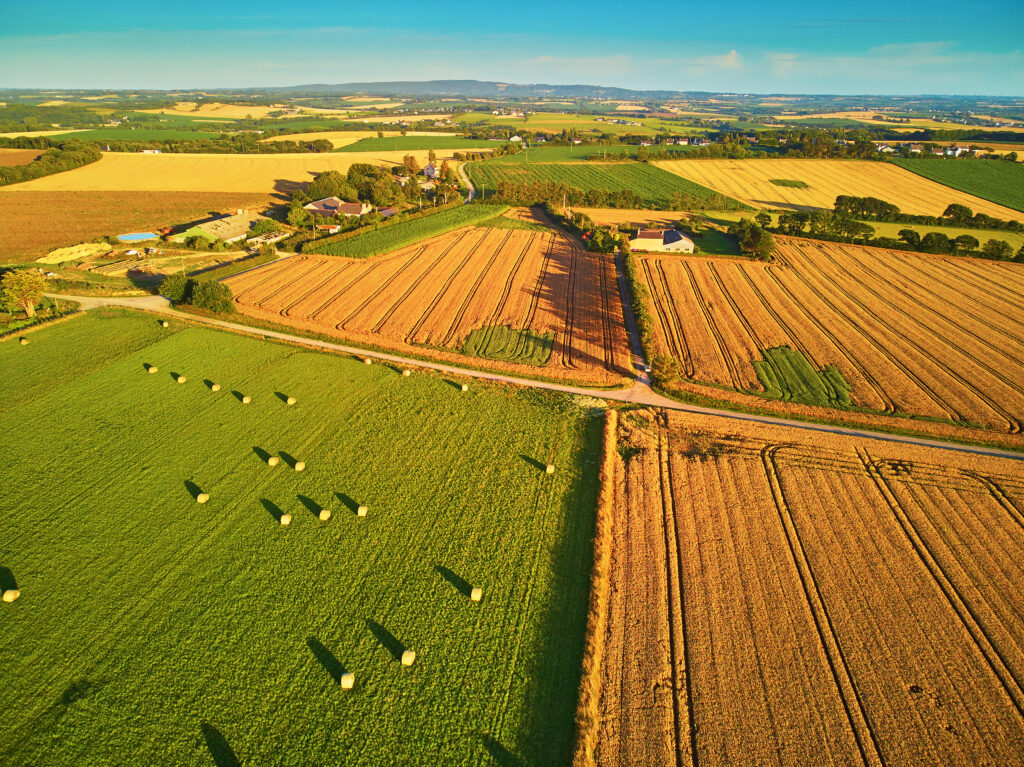
Regis Fournier, former CEO and now strategic advisor at Limagrain Field Seeds, emphasizes the need for Europe’s seed sector to embrace true diversity — in crops, genetics, and systems. Advocating long-term sustainability, he calls for policies and collaboration that reward soil health, resilience, and farmer choice to ensure Europe’s agricultural future remains secure and adaptable.
Solidez en los datos, claridad en las decisions
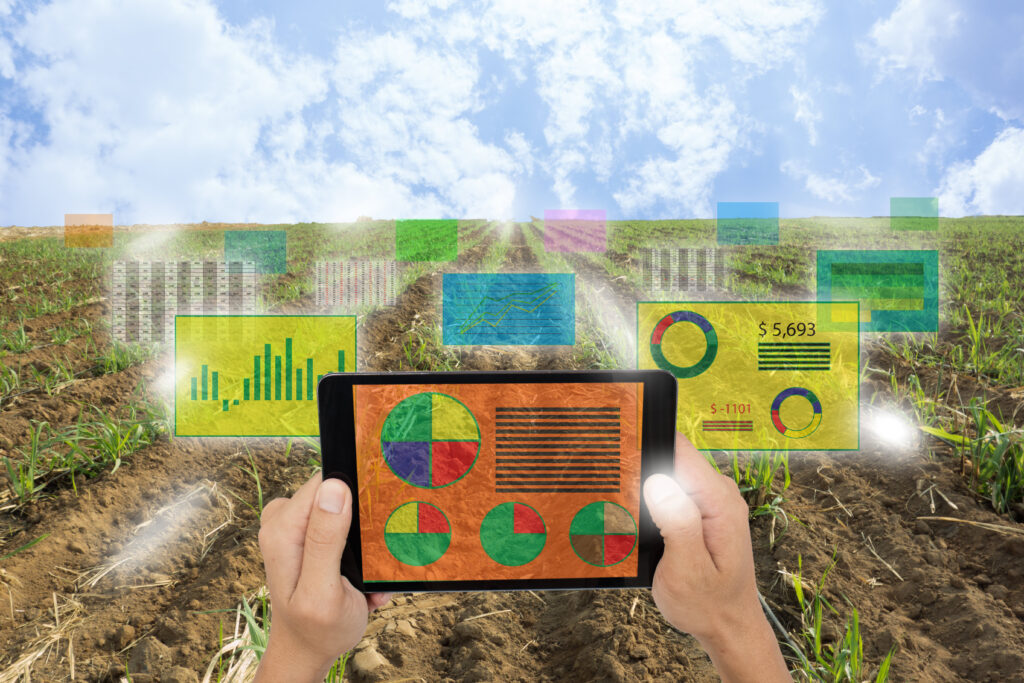
El diseño experimental y el análisis estadístico son esenciales en la investigación agrícola. Ya sea en trigo o hortalizas, las decisiones basadas en datos generan mejores resultados. Los ensayos aleatorios y el almacenamiento adecuado de datos permiten identificar variedades realmente superiores, garantizando consistencia, resiliencia y rentabilidad para los agricultores. Mejores datos significan mejores decisiones en el mejoramiento vegetal.
Stronger Data Means Better Decisions
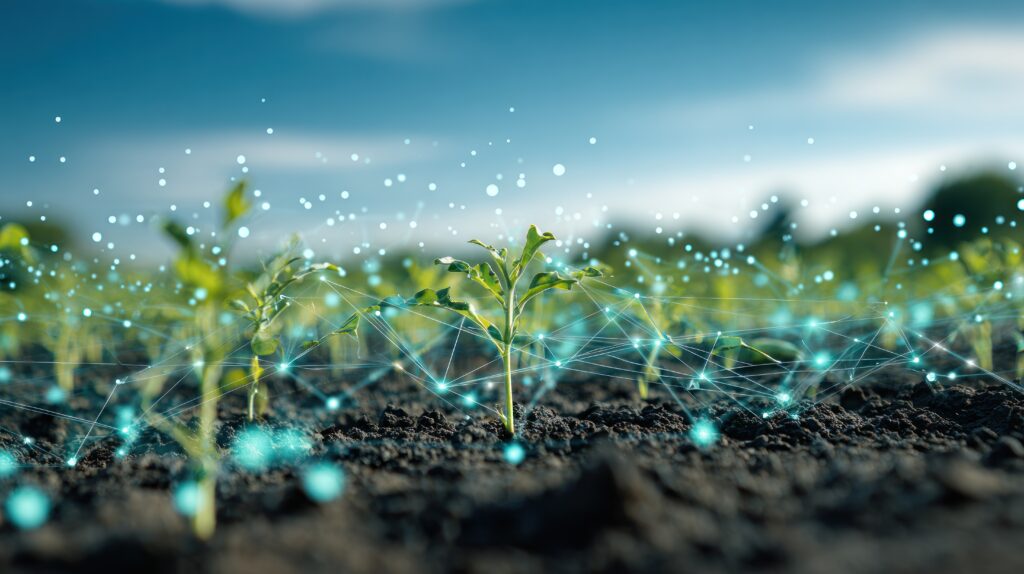
Strong experimental design and statistical analysis are essential for agricultural research. Whether breeding wheat or vegetables, data-driven decisions lead to better results. Randomized trials and proper data storage help identify truly superior varieties, ensuring consistency, resilience, and profitability for farmers. Better data means better breeding decisions and more sustainable crop development.
Shields the Seeds. Fosters Growth.

Integral® Pro redefines sustainable seed protection for European sunflower growers. Backed by proven success in oilseed rape, this BASF BioSolution uses Bacillus amyloliquefaciens MBI600 to shield seeds from fungal diseases while boosting vigor, root health and yields. Delivering robust performance, compatibility and sustainability, Integral® Pro empowers every seed to thrive naturally.
Climate Intervention May Not Be Enough to Save Coffee, Chocolate and Wine, New Study Finds

A study in Environmental Research Letters reveals that Stratospheric Aerosol Injection (SAI), a proposed climate intervention, may not protect crops like coffee, cacao, and wine grapes from climate change. While SAI cools global temperatures, it fails to stabilize rainfall and humidity—key factors for yields. Researchers urge local adaptation and resilient farming to safeguard livelihoods.
When the Chemistry Runs Out: What Comes Next for Europe’s Seed Treatment Industry?
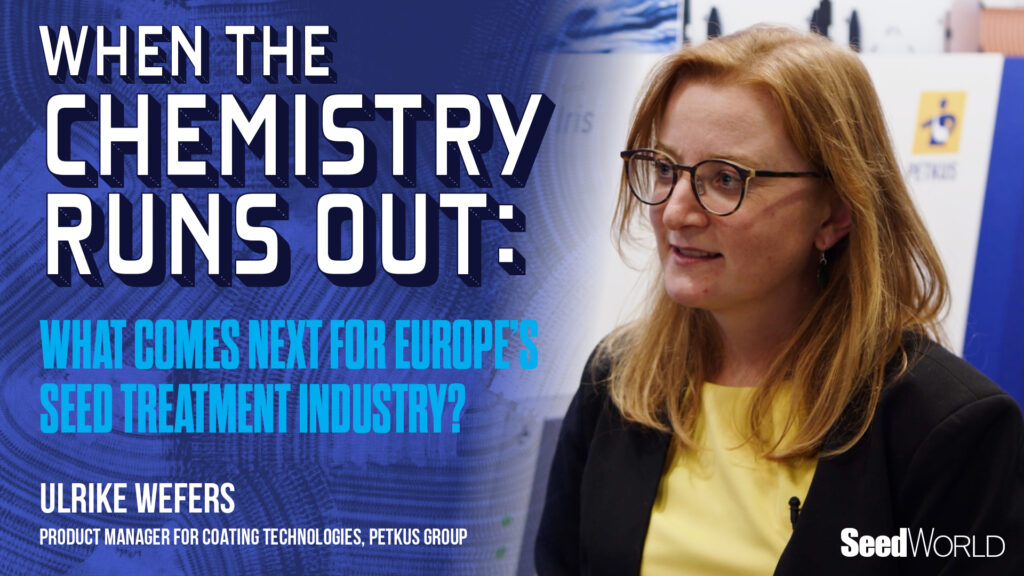
Europe’s cereal seed coatings are set for major change by 2027 as key chemicals are banned. With no replacements yet, biological and physical alternatives could redefine seed protection and innovation.
How Can the Seed Sector Make Its Voice Heard?
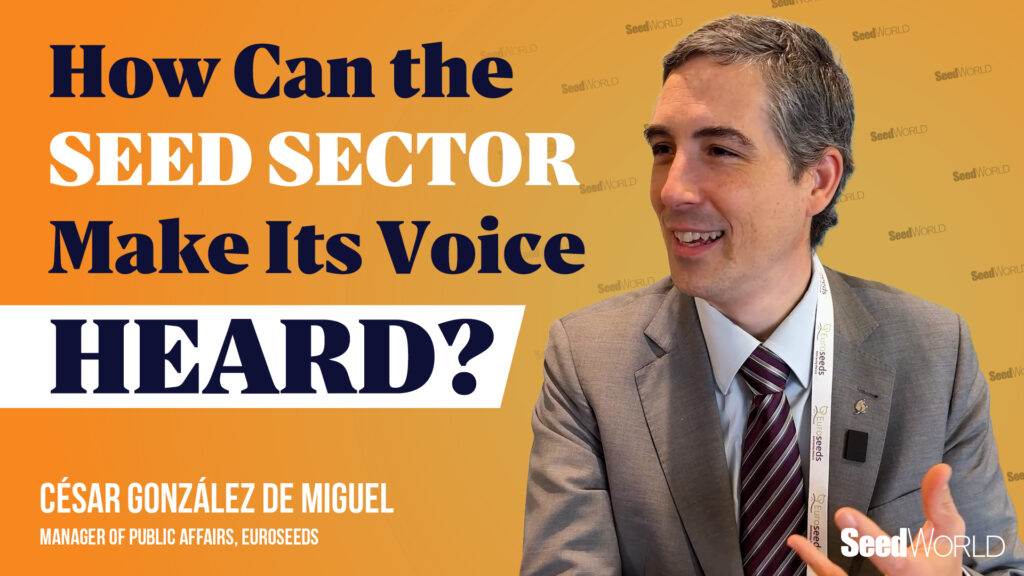
Clear, confident advocacy is key for the seed sector to stand out amid global noise. In this discussion, Euroseeds’ Cesar González explains how effective communication can shape innovation, sustainability, and agricultural policy. Discover how the industry can strengthen its voice to influence both public perception and policymaking.
Inside the DNA Switch That Alters a Biotech Bacterium’s Strength
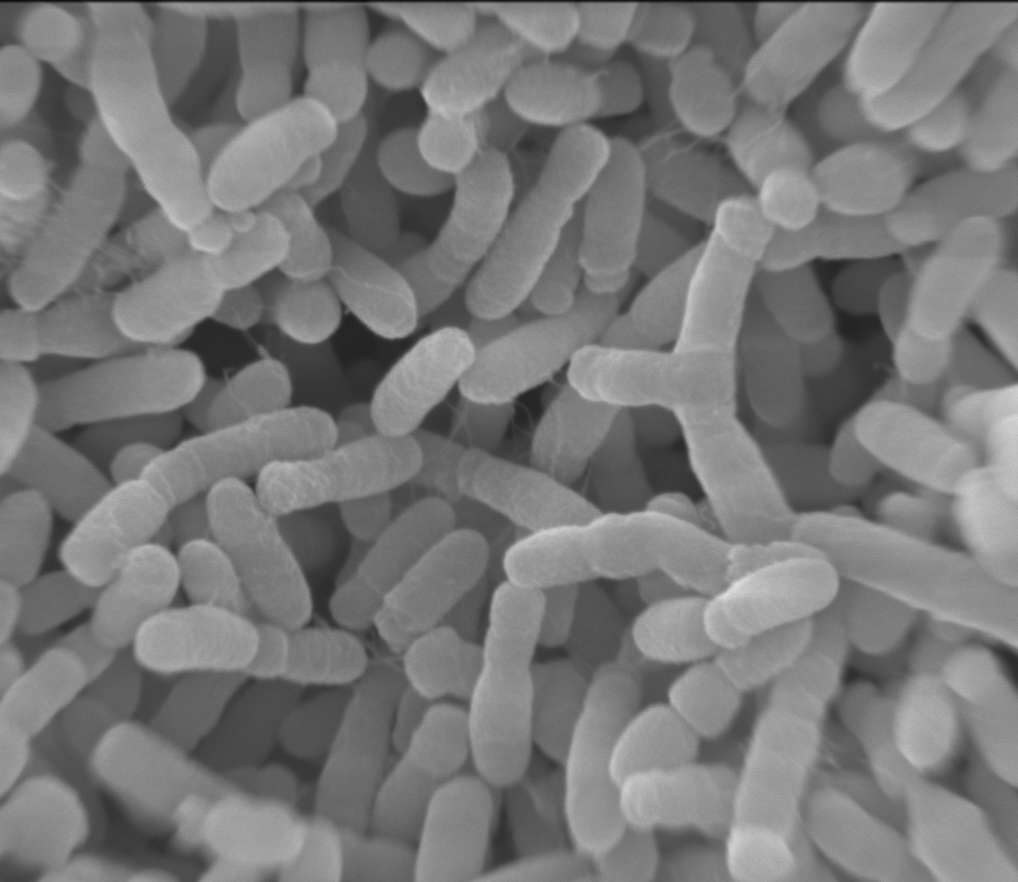
Iowa State University scientists discovered that the crop biotechnology bacterium Agrobacterium tumefaciens changes its effectiveness depending on chromosome structure. The study reveals how DNA organization influences the bacterium’s ability to infect plants or boost genetic engineering, offering new tools for crop improvement and disease control.
Study: Depletion of Ukraine’s Soils Threatens Long-Term Global Food Security
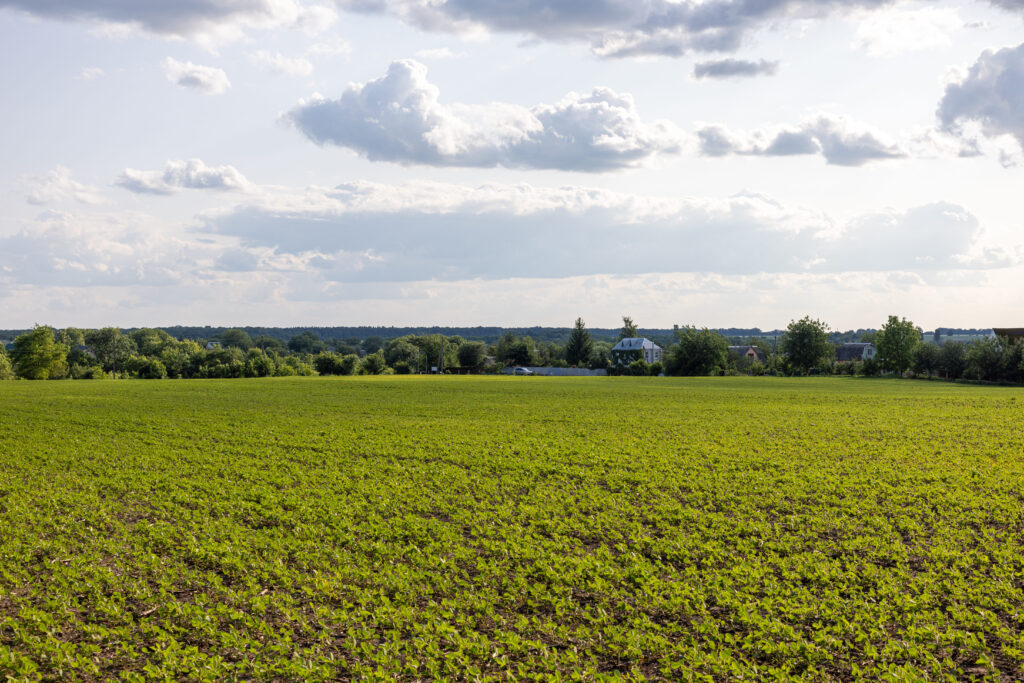
The Russian invasion of Ukraine is depleting vital soil nutrients, threatening its role as Europe’s breadbasket. A UK–Ukraine–Netherlands study found more nitrogen, phosphorus, and potassium are removed than replaced, due to fertilizer shortages and soil damage. Experts urge integrated nutrient management using manure, legumes, and efficient fertilizers to restore fertility, ensure food security, and protect ecosystems.
Camelina Identified as Promising Crop for Sustainable Aviation Fuel in Scotland
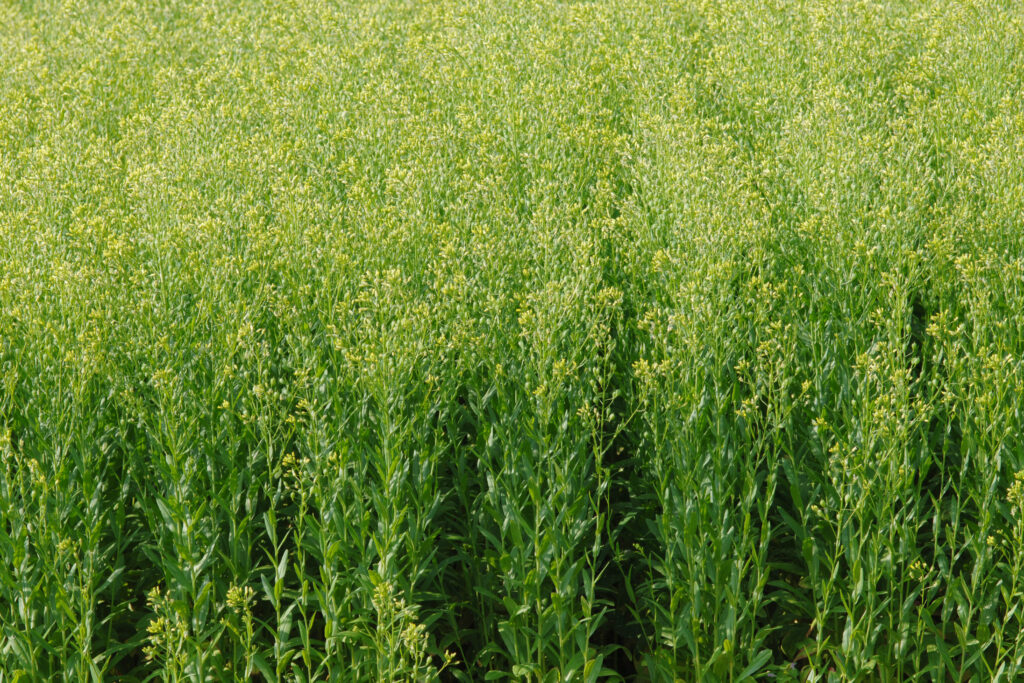
A new report from The James Hutton Institute and SRUC explores the potential for growing oilseed cover crops in Scotland to produce sustainable aviation fuel (SAF). Commissioned by the Scottish Government, the review identifies camelina as the most promising crop due to its high oil content and low carbon intensity. Researchers plan field trials to test camelina’s performance under Scottish conditions and assess its environmental impact. The work supports Scotland’s efforts toward net-zero emissions by 2045 and highlights camelina’s dual potential as a biofuel source and nutritious cooking oil.
Strengthening the Multilateral System
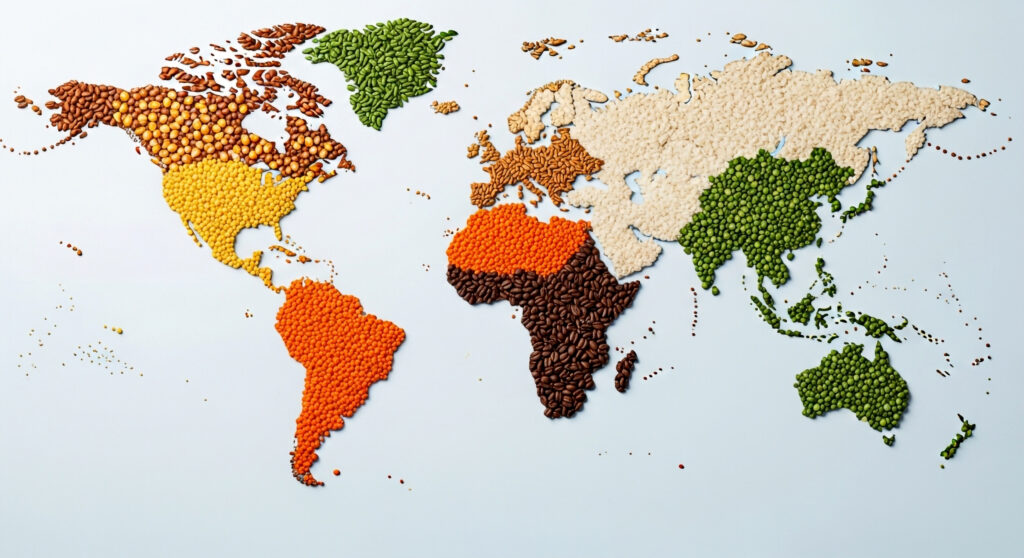
Ahead of GB11 of the Plant Treaty, the global seed sector—led by ISF and CropLife International—is calling for a practical, flexible, and fair Multilateral System. With clearer benefit-sharing, broader access to plant genetic resources, and recognition of digital data, the goal is simple: a system that drives innovation and strengthens global food security.
Seeds of Climate Action: How ISF Is Driving Global Agricultural Resilience
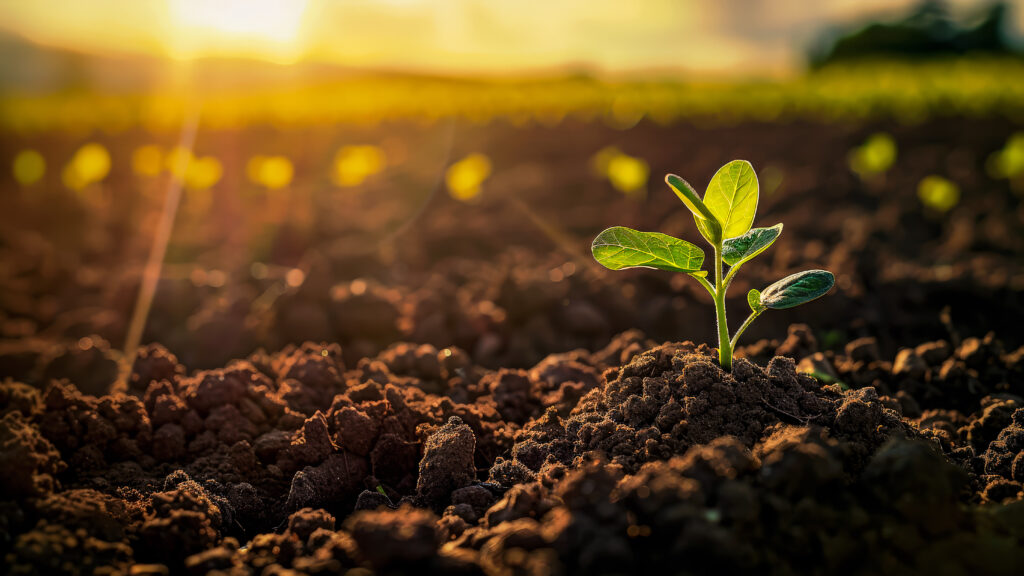
The International Seed Federation (ISF) is leading global efforts to make seeds central to climate action. As agriculture adapts to climate change, ISF unites seed companies worldwide to drive innovation, resilience, and sustainability. Through plant breeding, seeds help farmers boost yields, conserve resources, and reduce emissions. From COP 28 to COP 30, ISF advocates for seed innovation as climate innovation — proving that every sustainable food system begins with a seed.
México: Investigadores solicitan la regulación de la edición genética para fortalecer la seguridad alimentaria
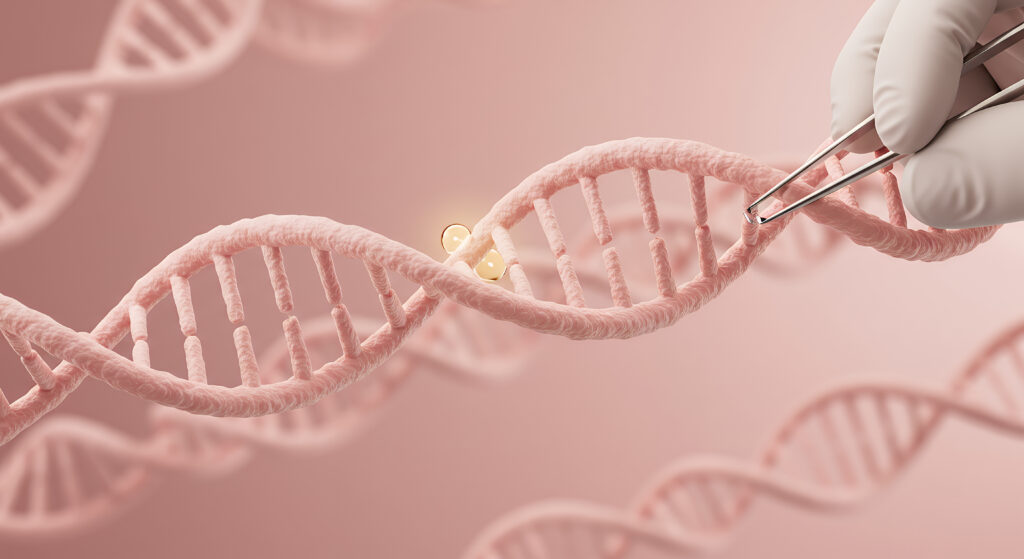
Investigadores en México piden al gobierno autorizar el uso de herramientas de edición genética como CRISPR para mejorar cultivos. Solicitan una regulación que distinga la edición genética de los transgénicos, como ya ocurre en otros países latinoamericanos. Advierten que México podría quedarse atrás y promueven políticas basadas en ciencia para desarrollar cultivos más resistentes y nutritivos.
Mexico: Researchers Ask to Regulate Genetic Editing to Strengthen Food Security
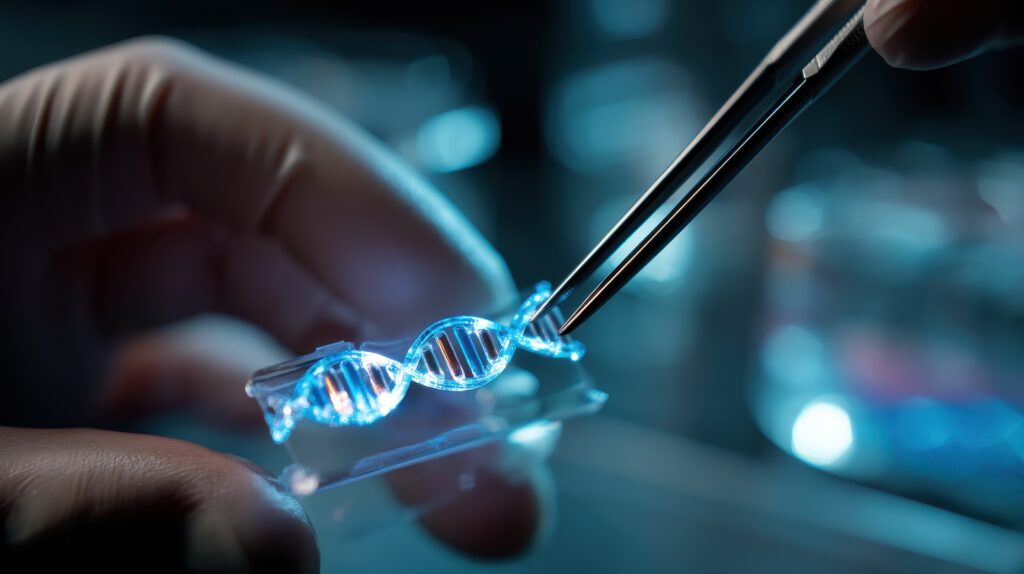
Researchers in Mexico are urging the government to approve genetic editing tools like CRISPR for crop improvement. They seek clear regulations separating gene editing from transgenics, as adopted by other Latin American nations. Without this, they warn Mexico could fall behind. Their petition promotes science-based policies for developing drought-resistant and nutritionally enhanced crops.
Rice Takes Root in British Soil for the First Time
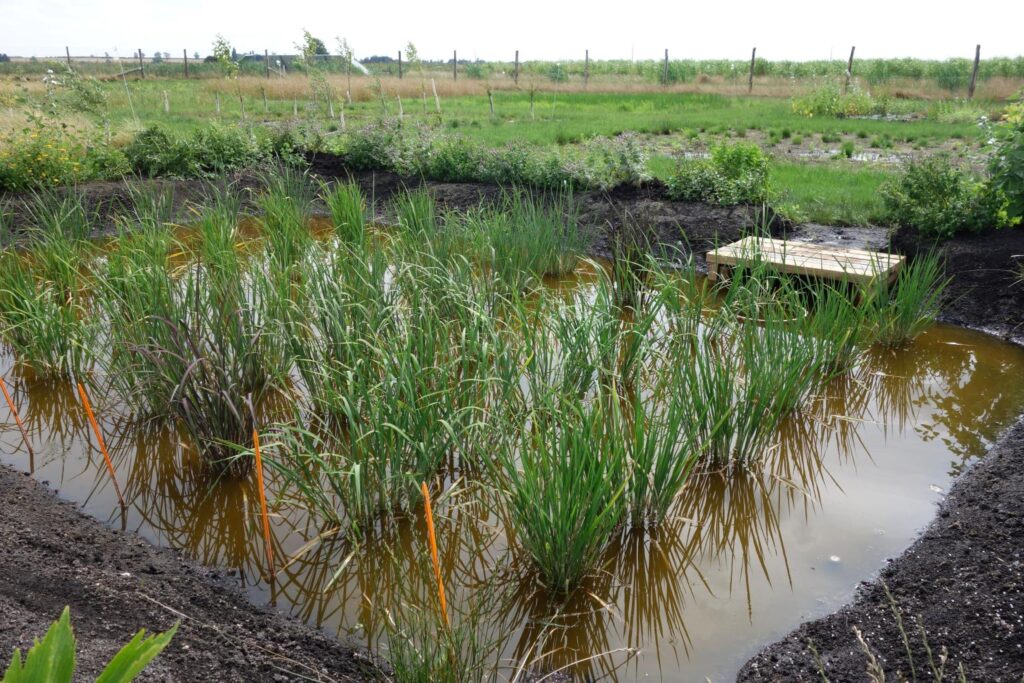
Scientists from the UK Centre for Ecology & Hydrology (UKCEH) are partnering with farmers in the Cambridgeshire Fens to trial rice and other crops on rewetted peat soils. The project aims to cut greenhouse gas emissions, restore degraded peatlands, and sustain food production. Trials include nine cold-tolerant rice varieties from around the world, alongside vegetables, bioenergy crops, and wetland species.