

Budget 2025: Key Takeaways for the Seed Industry

Agriculture and Agri-Food Canada plans to cut costs and refocus research as part of a three-year effort to streamline operations
Corn’s New Flight Path

Ethanol’s potential as a sustainable aviation fuel is soaring — yet its future depends on aligning carbon-smart farming practices with supportive policy. How can the seed industry, farmers and policymakers work together to turn corn into jet fuel?
Scientists Decode Oat Pan-Genome, Unlocking Path to Climate-Resilient Crops

Scientists from TUM, Helmholtz Munich, and IPK have decoded the pan-genome of 33 oat lines, revealing the full genetic diversity of one of the world’s most nutritious grains. Published in Nature, the research provides a foundation for breeding climate-resilient, high-yield oat varieties capable of withstanding drought, heat, and disease. By mapping both core and unique genes — and assembling a pan-transcriptome showing how genes function under stress — the study offers powerful tools to boost crop resilience, productivity, and nutritional value in a changing climate.
Rooted in Progress: Reinventing the Carrot for a Changing World
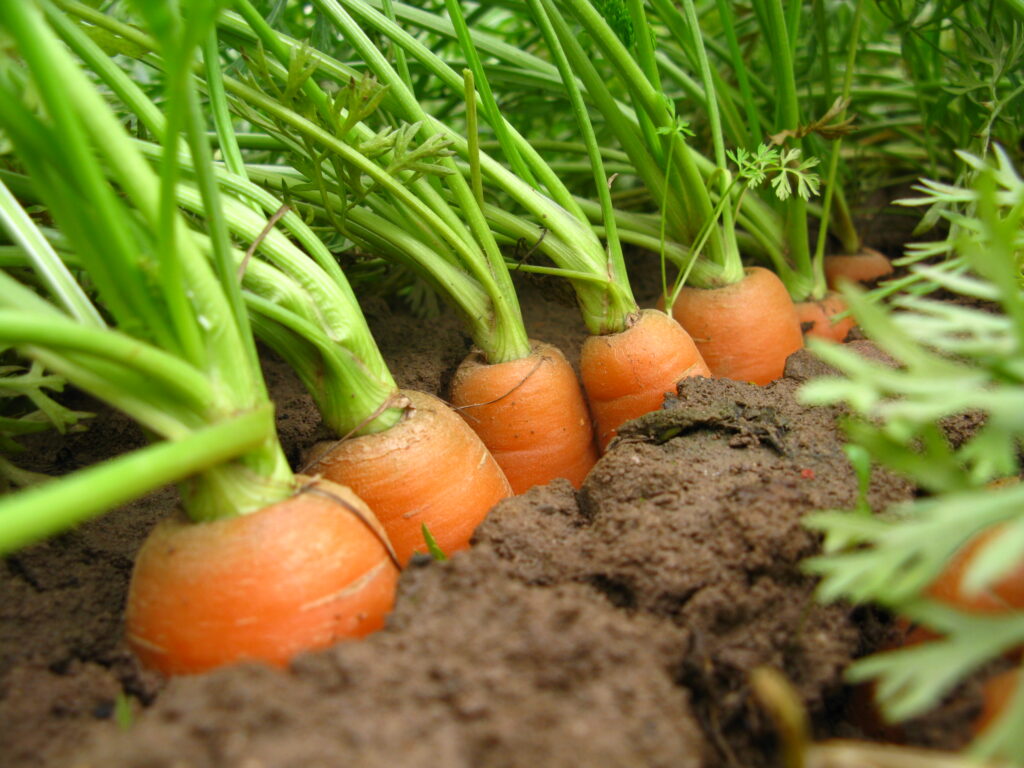
Carrot breeding is evolving to meet modern challenges — from climate resilience and disease resistance to colour diversity and consumer appeal. Today’s breeders combine advanced genetics, grower collaboration, and sustainable practices to deliver carrots that perform under pressure and delight in every market. The result: stronger roots, brighter colours, and a crop ready for the future of farming.
Reinventing Grain Grading: Cgrain on Winning Runner-Up at Euroseeds 2025
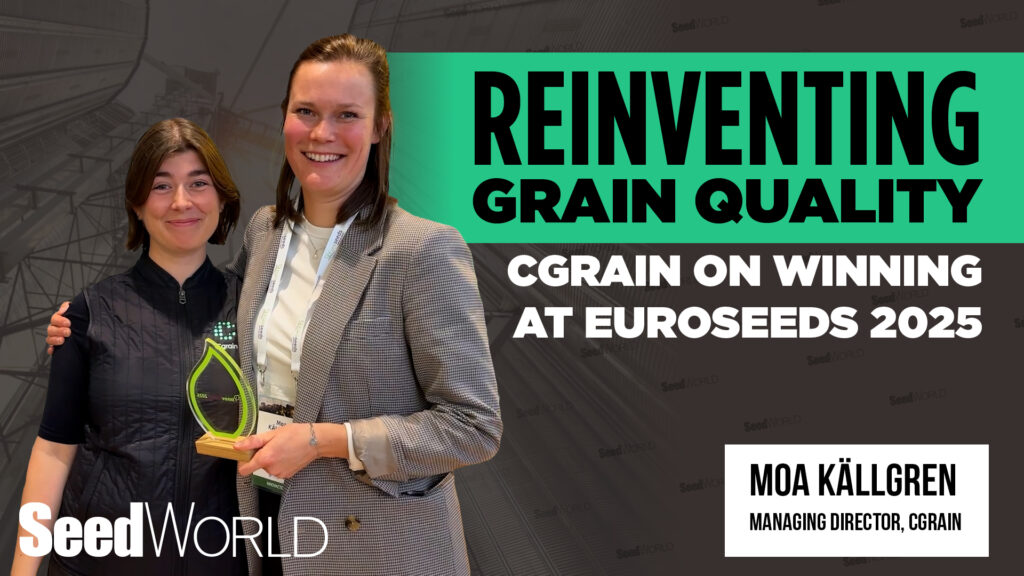
Sweden’s Cgrain is redefining grain grading with a high-precision imaging system that delivers fast, reliable, and fully objective quality analysis. Runner-up at the 2025 Euroseeds InnovAction Awards, Cgrain’s digital platform is driving a more data-driven future for seed and grain quality assessment.
Pollination Takes Flight – Polyfly on Winning Runner-Up at InnovAction 2025
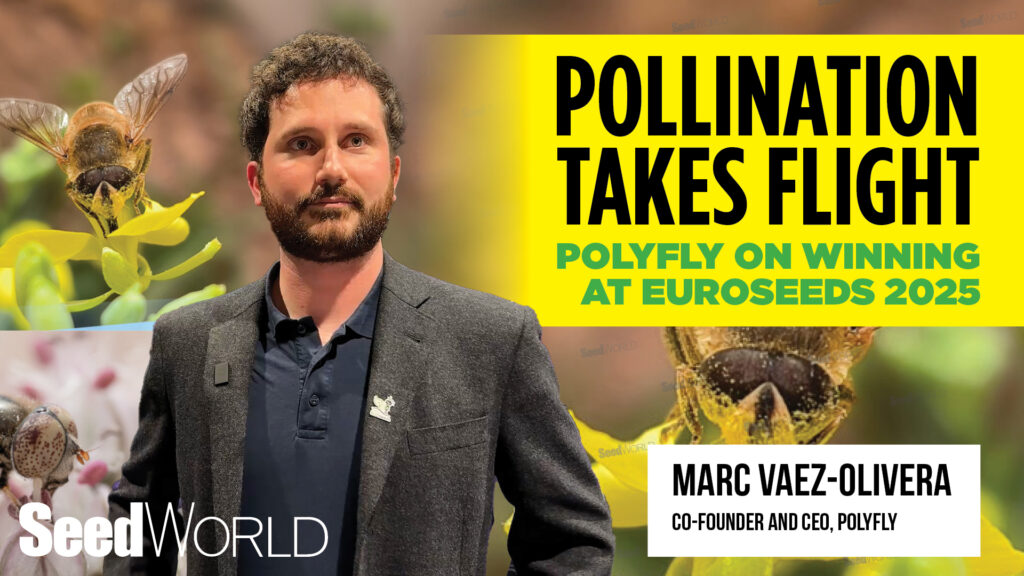
Spanish startup Polyfly is revolutionizing pollination by industrializing hoverflies as natural, eco-friendly pollinators. Led by CEO Marc Vaez-Olivera, the company’s sustainable innovation — runner-up at the 2025 Euroseeds InnovAction Awards — is transforming how Europe’s seed and horticulture sectors approach pollination.
Decades of Discovery Pay Off as phenoLytics Takes Top Prize at InnovAction 2025
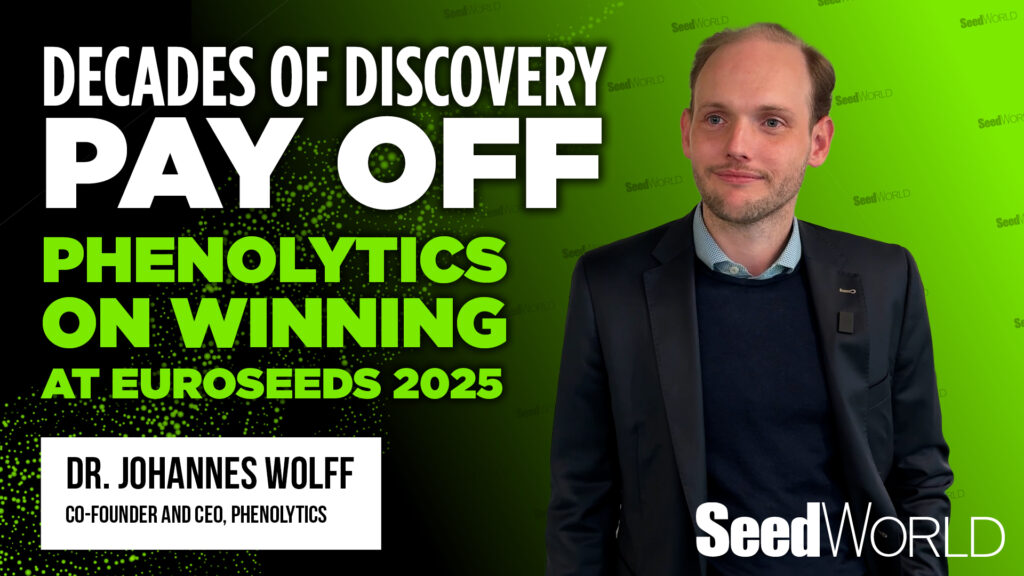
Germany’s phenoLytics (SeedTelligence) is revolutionizing digital phenotyping with 3D imaging and big data analytics. Led by Dr. Antje and Dr. Johannes Wolff, the company’s breakthrough technology — winner of the 2025 Euroseeds InnovAction Stage — is driving faster, smarter, and more scalable plant insights for the future of data-driven breeding.
Growing Seed Partnerships with Europe’s Eastern Neighbours
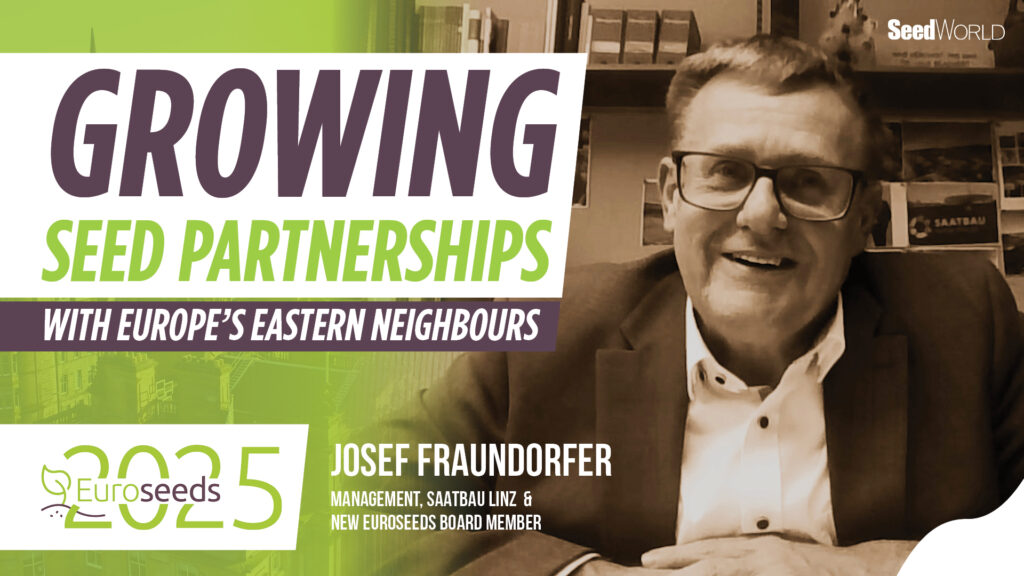
Europe’s seed industry can thrive through stronger East-West cooperation built on trade, trust, and transformation. In this exclusive interview, Euroseeds Board Member Josef Fraundorfer highlights how openness and collaboration — especially amid challenges like the Ukraine conflict — can unite and strengthen the sector’s future.
Tired of GxE Surprises? This Platform Makes Stability Predictable
Computomics AI technology decodes gene expression like a weather map, tailoring your breeding to the forecast. The blueprint for better crops isn’t hiding in a Silicon Valley lab or in […]
No Rain? No Problem! 5 Drought-Resistant Superstars
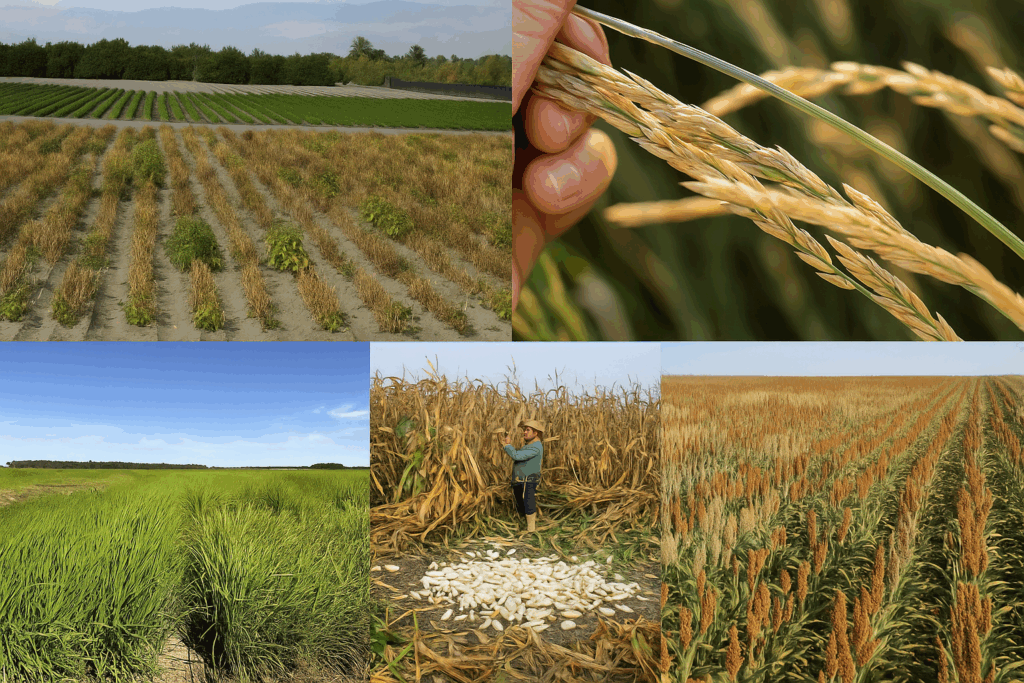
From sorghum that stays green through heat waves to rice that shrugs off salty soil, these five crops are proving that when the weather turns extreme, innovation takes root. As […]
Fungus Power Boosts Plant Growth and Protection
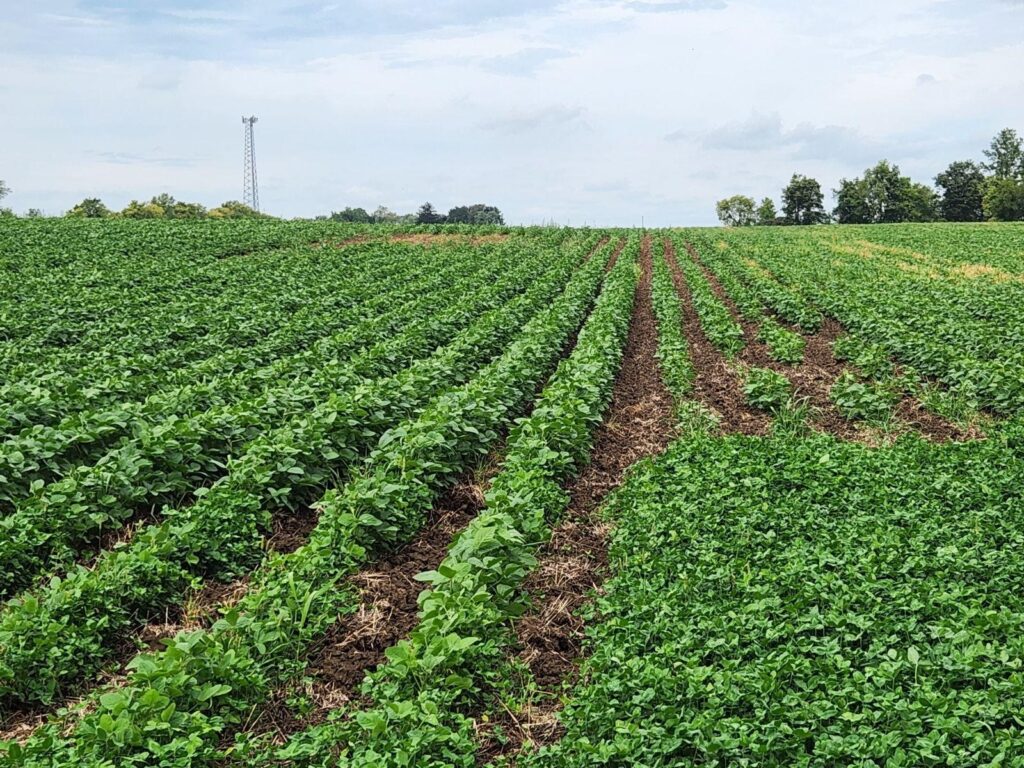
Beauveria bassiana is a powerful endophytic fungus that strengthens plants from within, boosting growth, stress resistance, and yield while reducing input costs. Originating from research on darkling beetles, it now supports crops from wheat to grapes. Proven in over a million acres, B. bassiana offers sustainable, profitable solutions for modern growers seeking biological innovation and lasting performance.
Significance is What Truly Matters

True success isn’t measured by wealth or status but by the significance we bring to others’ lives. At Agronomix, we value impact over numbers—focusing on meaningful relationships, cultural understanding, and client success. By prioritizing significance, we foster growth, purpose, and legacy, proving that true fulfillment comes from making a positive difference, not just achieving success.
Global Seed Vault Marks Year-End with 21,000 New Samples
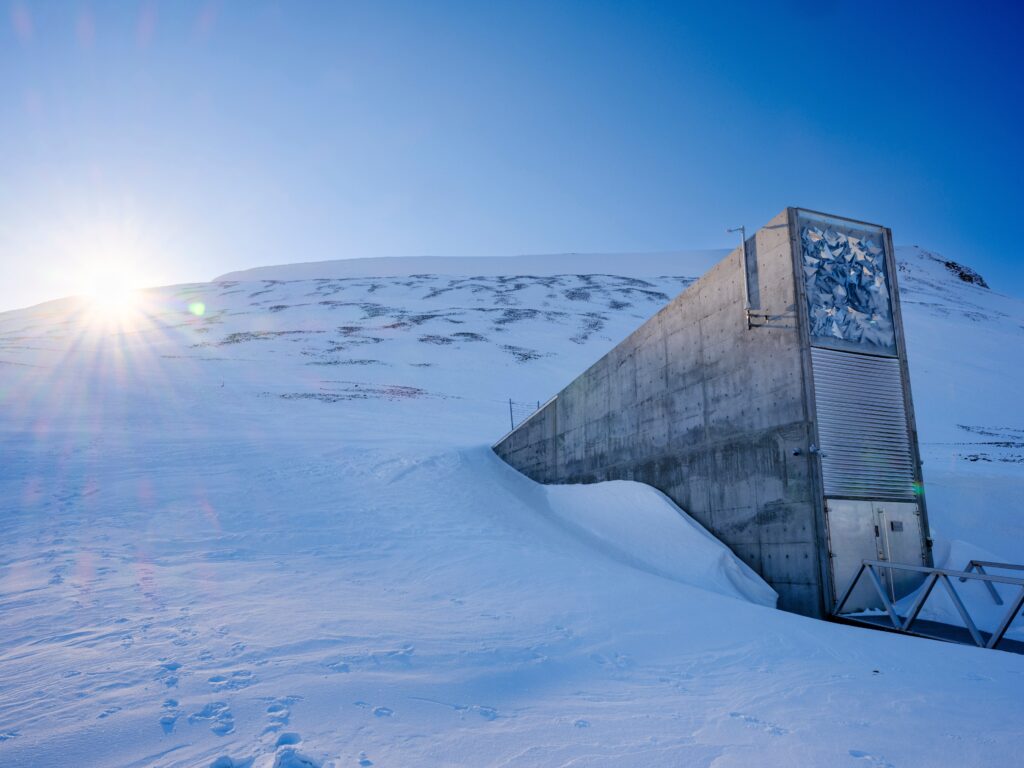
The Svalbard Global Seed Vault has completed its final 2025 deposit, securing over 21,000 new seed samples from 20 genebanks across six continents. The October shipment, managed by NordGen, included crops like rice from the Philippines, Peruvian chili, African vegetables, and Nordic cereals.
Chitosan Meets Microbes — And Crops Reap the Rewards
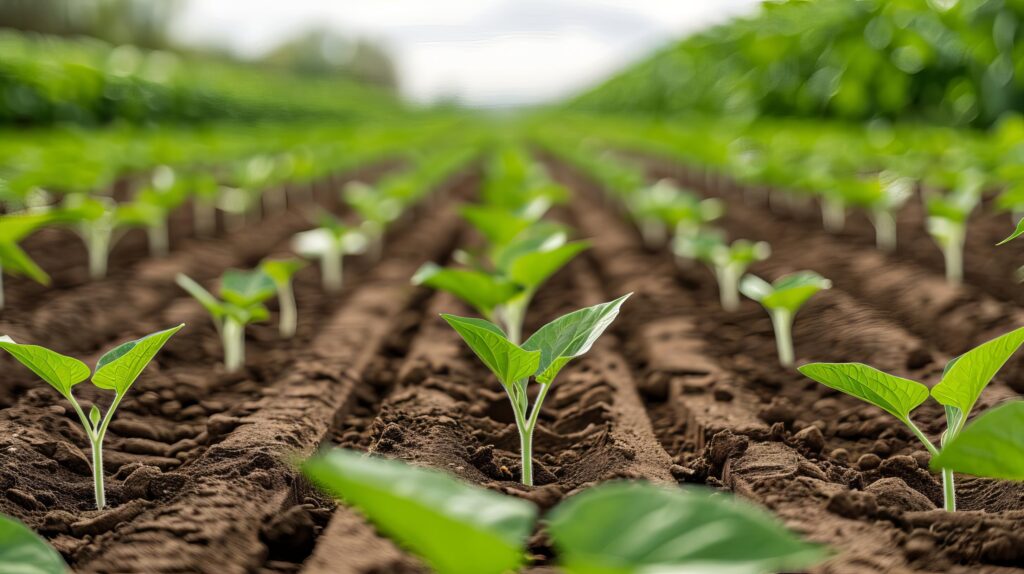
Precisely formulated chitosan strengthens seed treatments by boosting germination, plant vigor, and uniformity while working synergistically with plant growth-promoting bacteria (PGPB). Together, they enhance nutrient uptake, root growth, and stress tolerance while defending against pathogens. This dual approach delivers stronger, more resilient crops and improved field performance through science-driven biological balance.
Cover Crops That Work Smarter
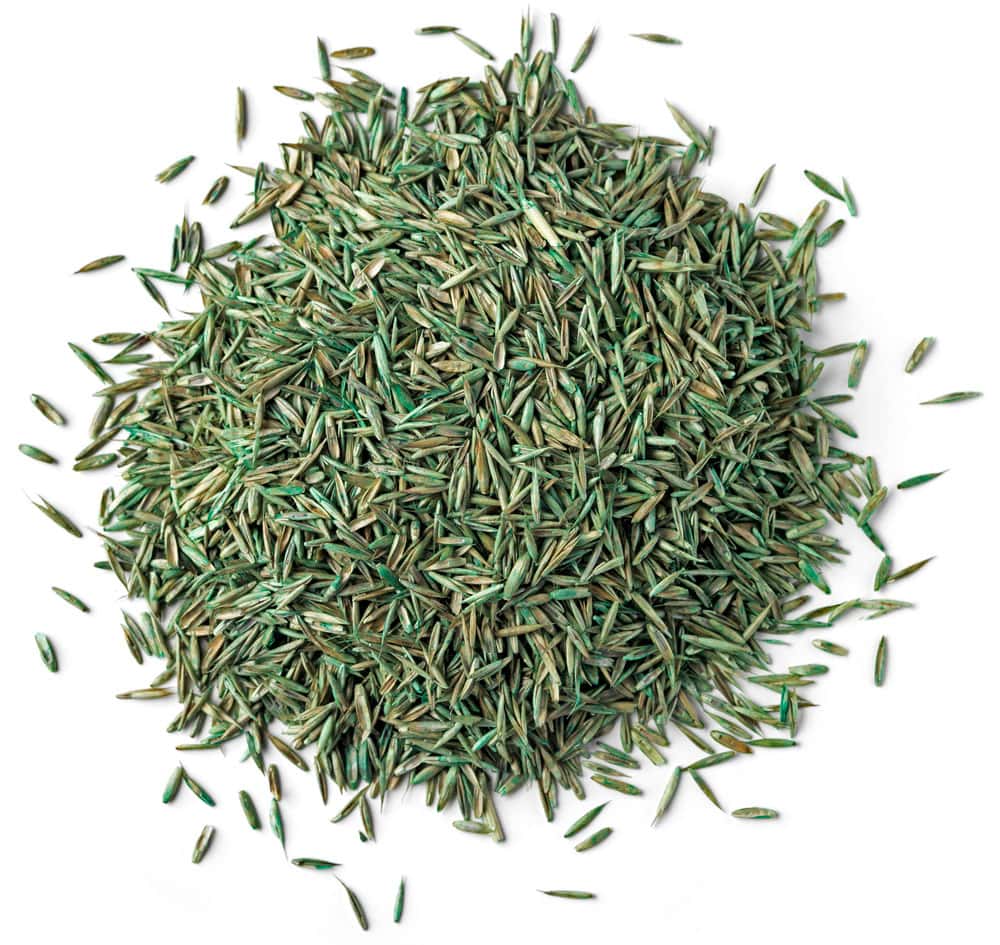
Summit’s advanced seed coatings help cover crops perform better—improving germination, balancing seed weight, and ensuring even field coverage. By reducing passes and fuel use, these coatings boost efficiency and sustainability while supporting soil health and regeneration. From clovers to oats, Summit helps every seed start stronger for a more resilient, sustainable future.
Michelman’s Sustainable Shift: From Synthetic Seed Coatings to Biodegradable Innovation
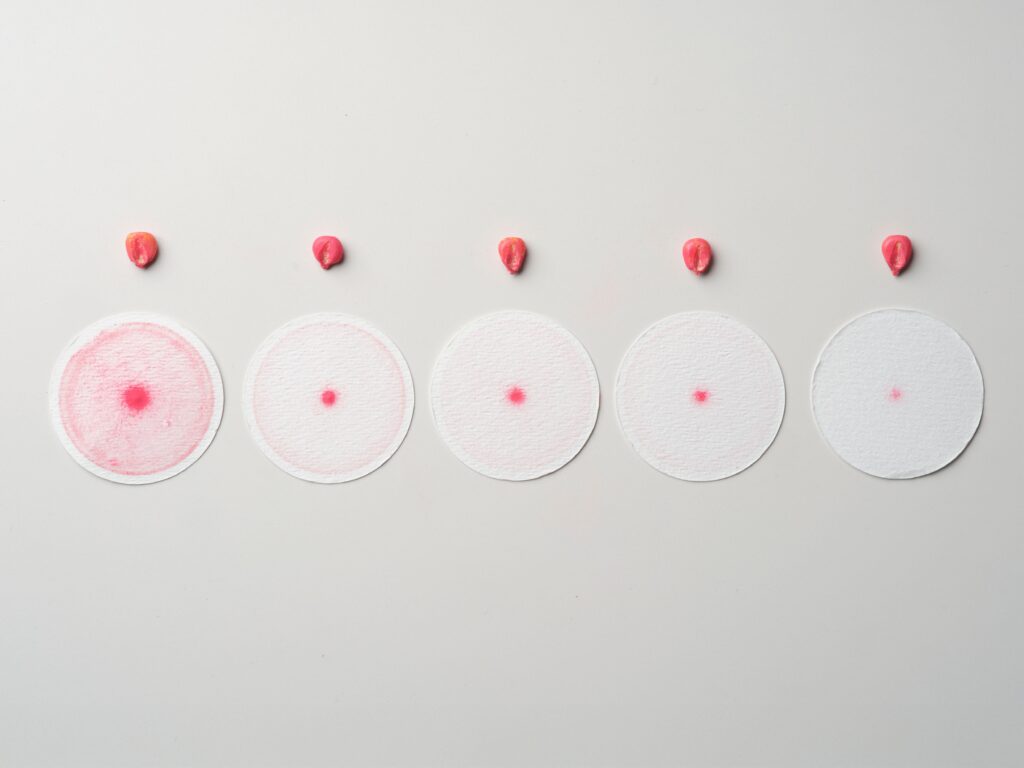
Michelman is driving sustainability in seed coatings by replacing synthetic polymer binders containing microplastics with biodegradable, microplastic-free alternatives. In response to EU Regulation 2023/2055, the company is pioneering coatings that protect seed performance while improving soil health. Through collaboration and innovation, Michelman leads agriculture’s transition toward more sustainable, compliant, and environmentally responsible technologies.
He Built it. His Son is Changing it. You Need to Hear Southern Seed’s Story
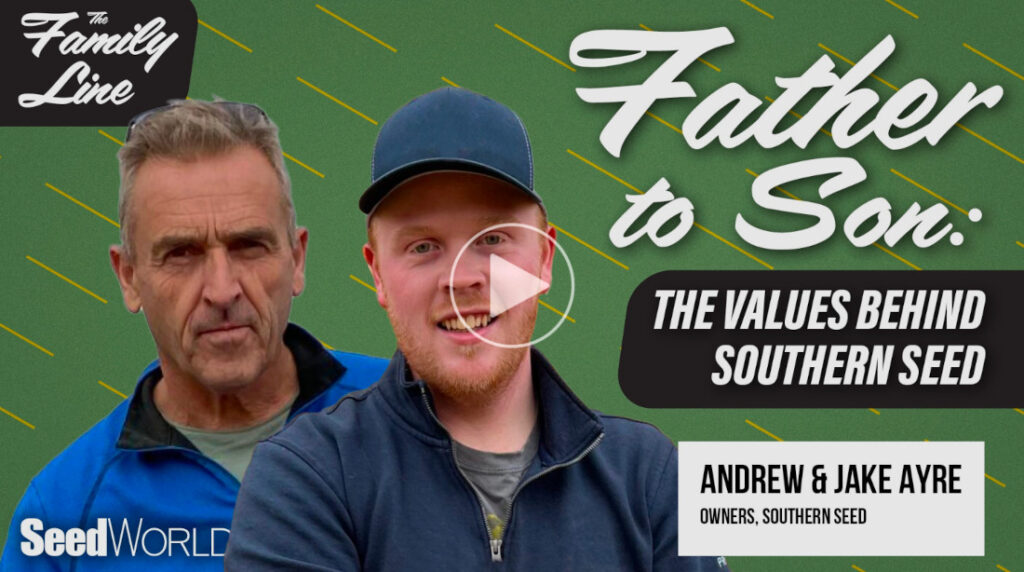
A no-filter talk on family, farming, and the fight to keep values alive in modern ag
Tuesday’s Budget is a Test for an Industry That Says it Wants to Innovate

The real test isn’t what the budget cuts — it’s what we build in its place, says Seed World Canada editor Marc Zienkiewicz
People Make the Difference: The Team Behind Keating Seed Corp’s Success
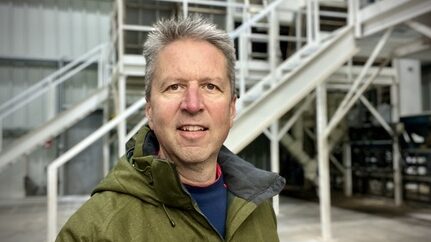
In the pedigreed seed business, technology, facilities, and equipment all matter — but none of it works without the right people behind it. At Keating Seed Corp, we’ve always believed […]
Scientists Identify Rice Varieties That Could Help Cut Methane Emissions
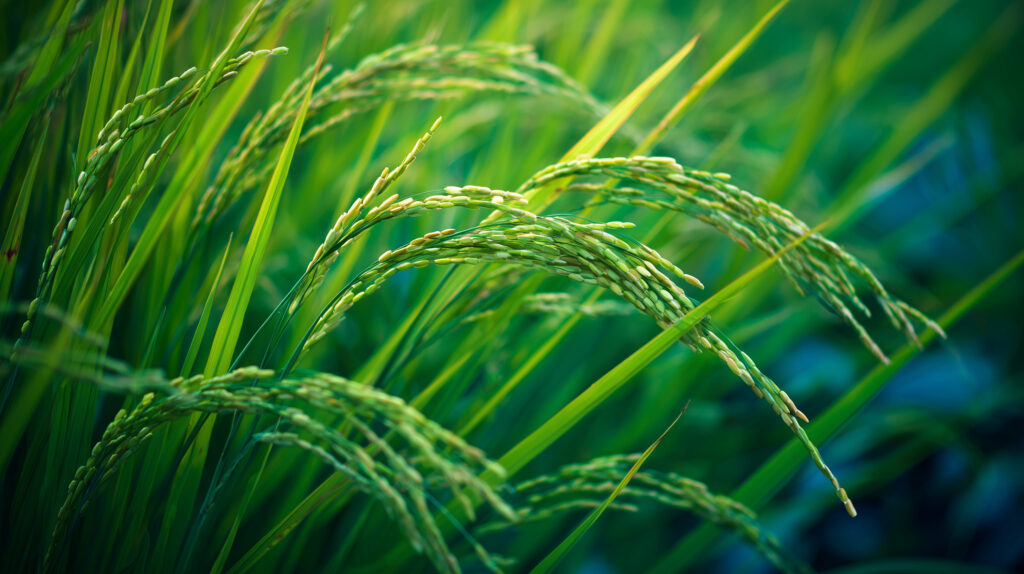
New research from the University of Warwick and Cranfield University shows that genetic selection could significantly reduce greenhouse gas emissions from crops, especially rice. Published in Frontiers in Agronomy, the study found that rice variety choice can influence methane emissions more than fertiliser use, offering a powerful tool for climate-smart agriculture. By breeding crops with traits that boost yield and reduce emissions, scientists say farmers can improve food security while cutting agriculture’s carbon footprint.
Crop-killing Pathogen Found to Disable Plant ‘Alarm System’
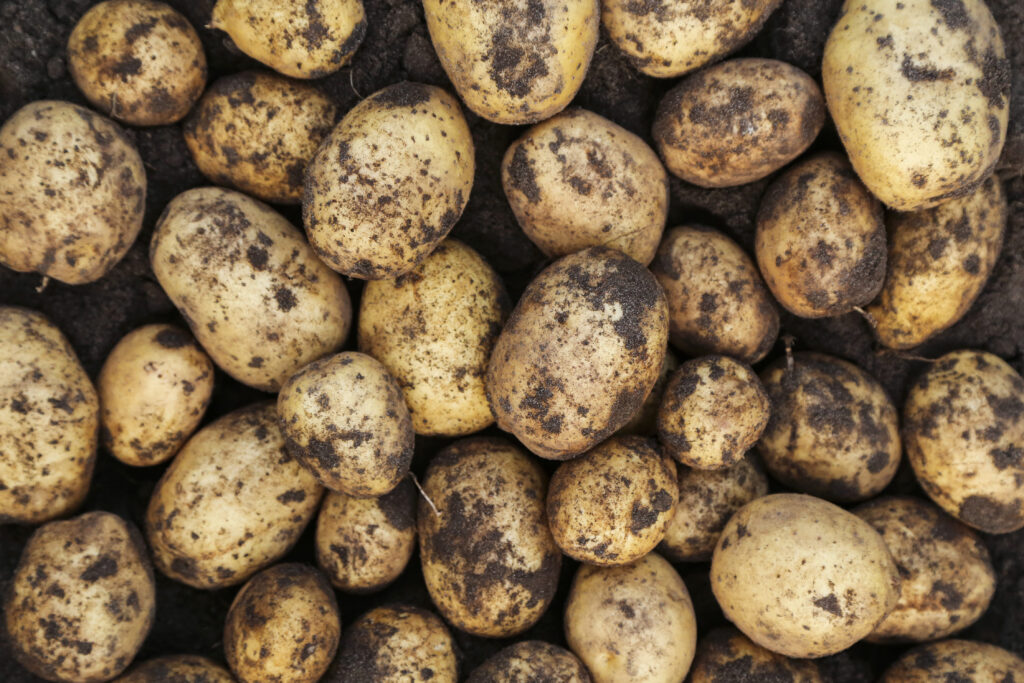
Scientists have discovered how Phytophthora infestans — the pathogen behind the Irish potato famine — evades plant immune defenses, offering a path to stronger crops. Researchers from the University of York, The James Hutton Institute, and Université Libre de Bruxelles identified enzymes called AA7 oxidases that disable plants’ early warning systems. When the genes for these enzymes were switched off, the pathogen lost its ability to infect.
On-Seed Inoculants: A Conversation with Marc Béland on the Future of Seed Treatment
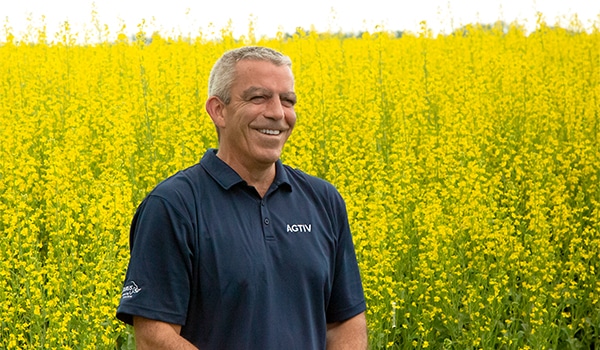
On-seed inoculants are revolutionizing modern seed treatment by harnessing beneficial microorganisms to enhance nutrient uptake, stress resistance, and yield. In an interview with Marc Béland, Senior Director at Premier Tech, he explains how AGTIV® innovations like IGNITE®, FUEL®, and ENRICH® are simplifying logistics for seed treaters with extended shelf life and no cold storage requirements. These biological solutions boost nutrient use efficiency (NUE), improve root development, and ensure healthier, more resilient crops. As agriculture evolves, on-seed inoculants are becoming essential tools for sustainable growth and higher productivity.
Proven Seed. Backed by Experience.
SeedNet delivers high-quality seed and crop inputs trusted by Western Canadian farmers. Backed by decades of hands-on experience, our retail seed farms test and grow the varieties we sell for proven performance. From barley and wheat to peas, every SeedNet variety offers strong yields, disease resistance, and reliable results
Building Trust for Fair Access to Patented Traits
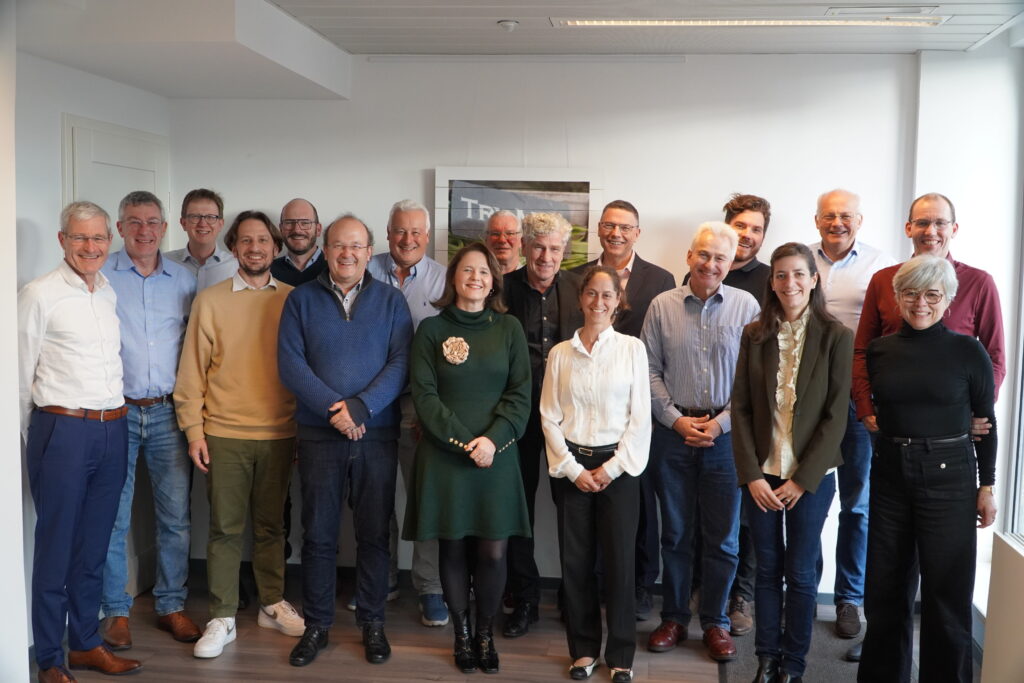
Arbitration offers a fair, expert-led way to resolve disputes efficiently in the seed sector. The Agricultural Crops Licensing Platform (ACLP) uses a “baseball arbitration” model to ensure transparent, timely royalty agreements for patented traits. With trained, independent arbitrators and clear procedures, the system promotes fairness, collaboration, and trust — supporting innovation and equitable access across agriculture.
Here’s What to Expect at GrowCanada 2025

The program is stacked with sessions that tackle some of the most transformative forces shaping the industry.
Farmers Say ‘I Don’t Have Time to Be Unwell.’ This Scientist Is Fighting to Change That

Dr. Briana Hagen’s groundbreaking work is changing how Canada talks about — and treats — mental health on the farm. Across Canada, women in agriculture are quietly carrying an invisible […]
How a 3D Model Helped a Retailer Avoid Expensive Mistakes and Build Smarter
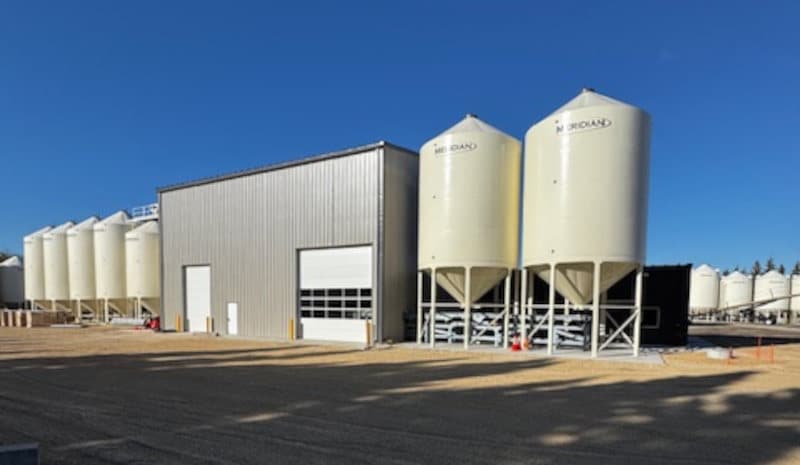
It all started with a rough sketch. Fall of 2023, my oldest had just finished his ag diploma and was coming home to join the farm full-time. I knew it […]
Industry Has Warned Ottawa That Red Tape is Choking Our Farm Economy

CropLife Canada says regulatory inaction is costing Canada billions in lost growth and threatening the country’s place as a global agri-food leader
Seeds of Change – Balancing Productivity and Planet
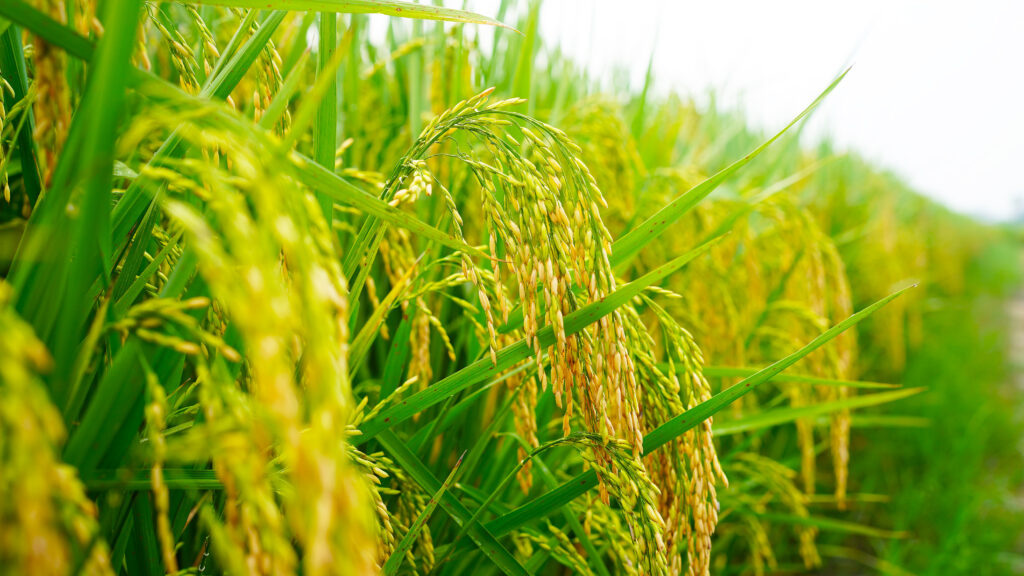
Agriculture’s definition of success is shifting from maximizing yield to optimizing sustainability. Today’s seed innovation focuses on producing more with less — less water, fewer emissions, and reduced resource use — while restoring ecosystems and supporting farmer livelihoods. Collaboration across the seed sector is driving this transformation, aligning efforts to integrate environmental and social responsibility into every stage of breeding. From improving water efficiency and soil health to enhancing feed quality and reducing carbon footprints, the new measure of progress balances productivity with planet-friendly performance. The era of “better yield” has begun — where sustainability grows from the seed up.
Inari Names New CEO

Lisa Nunez Safarian, a longtime agriculture executive with leadership experience at Monsanto and Bayer, has been named CEO of Inari, the SEEDesign company. Safarian will guide Inari’s next phase of growth as it advances its AI-driven platform to design higher-performing soybean, corn and wheat seeds.
Next Gen Leadership Sprouts from Oregon’s Grass Seed Country
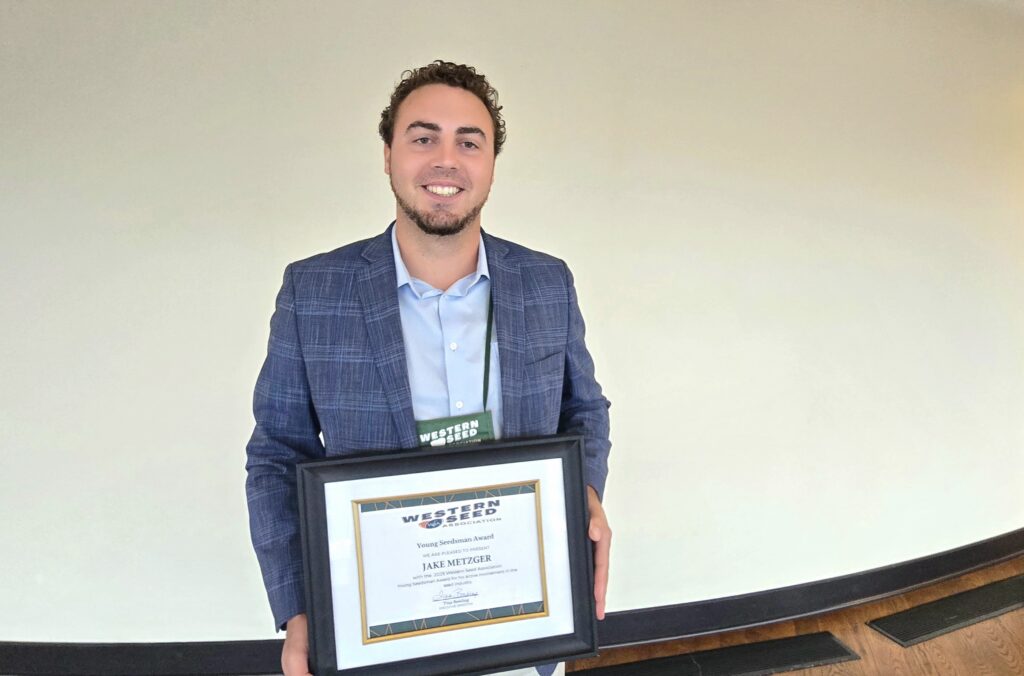
Jake Metzger of Landmark Seed, winner of the 2025 Western Seed Association Young Seedsman Award, shares how humility, transparency and strong relationships shape his work in Oregon’s grass seed industry and inspire the next generation of leaders.
Connections Still Drive the Seed Business

Missouri Southern Seed’s Mike Cowan takes on the Western Seed Association presidency with a focus on connection, independence and the value of keeping relationships personal in a fast-changing seed industry.
AIPPI Urges EU Institutions to Reconsider Broad Patent Ban on NGT Plants
AIPPI warns that the European Parliament’s proposed ban on patents for New Genomic Technique (NGT) plants could hinder innovation, investment, and competitiveness in Europe’s biotechnology sector. The association urges EU institutions to consult all stakeholders and ensure intellectual property laws continue to support research, transparency, and sustainable agricultural development.
Líderes Agropecuarios Mundiales se Unen para la Acción Climática

En vísperas de la COP30, la Federación Internacional de Semillas (ISF) y la Asociación Internacional de Productos Frescos (IFPA) refuerzan su alianza para impulsar la sostenibilidad y la resiliencia agroalimentaria. Su colaboración une innovación, ciencia y políticas para promover sistemas regenerativos, reducir el desperdicio y fortalecer la acción climática desde la semilla hasta el punto de venta.
How KWS Is Creating Seeds For The Future
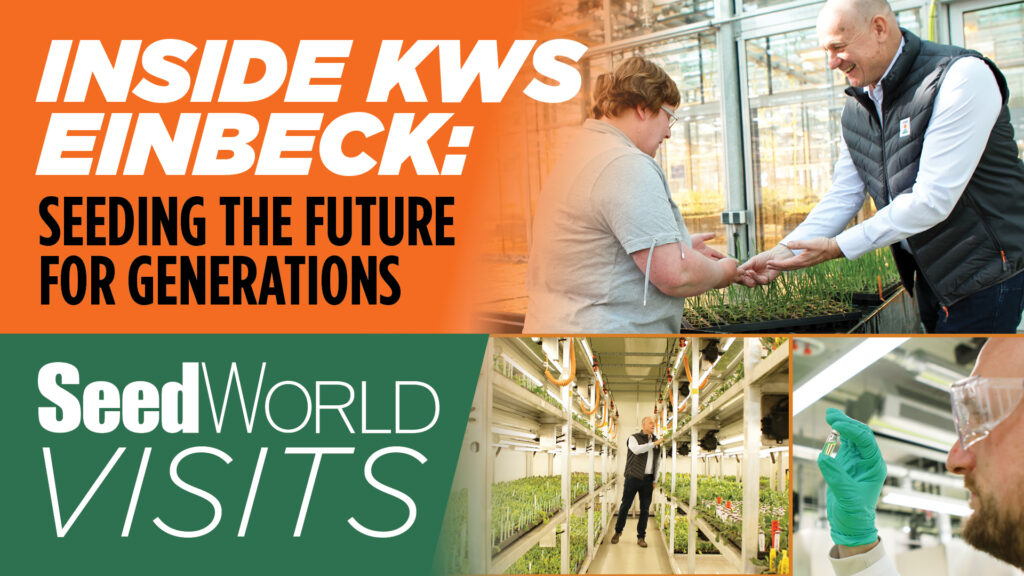
Join us as we step inside the world of one of agriculture’s most forward-thinking seed companies: KWS. From beginnings in sugar beet breeding in Klein Wanzleben, Germany in 1856, to global research & development hubs in Einbeck, Europe and U.S., KWS is on a mission: Seeding the future for generations.
INRAE Signs Seven Deals in China to Boost Scientific Cooperation

During a visit to China, INRAE signed seven new scientific agreements with top Chinese institutions to strengthen collaboration in carbon neutrality, agroecology, biodiversity, plant genetics, nutrition, and sustainable livestock farming. The visit also marked the opening of a joint INRAE–CIRAD office at the French Embassy in Beijing to enhance Franco–Chinese research cooperation. Renewed partnerships with CAAS and new initiatives with the Chinese Academy of Sciences will advance joint studies in wheat genomics, plant biology, soil and water management, and climate adaptation, reinforcing INRAE’s global leadership in sustainable agricultural research.