

‘The More Niche, The Better’: Meet the Seed Grower Who Thrives on the Unusual
Why We Need to Talk More About Vigour Testing — And Less About Size
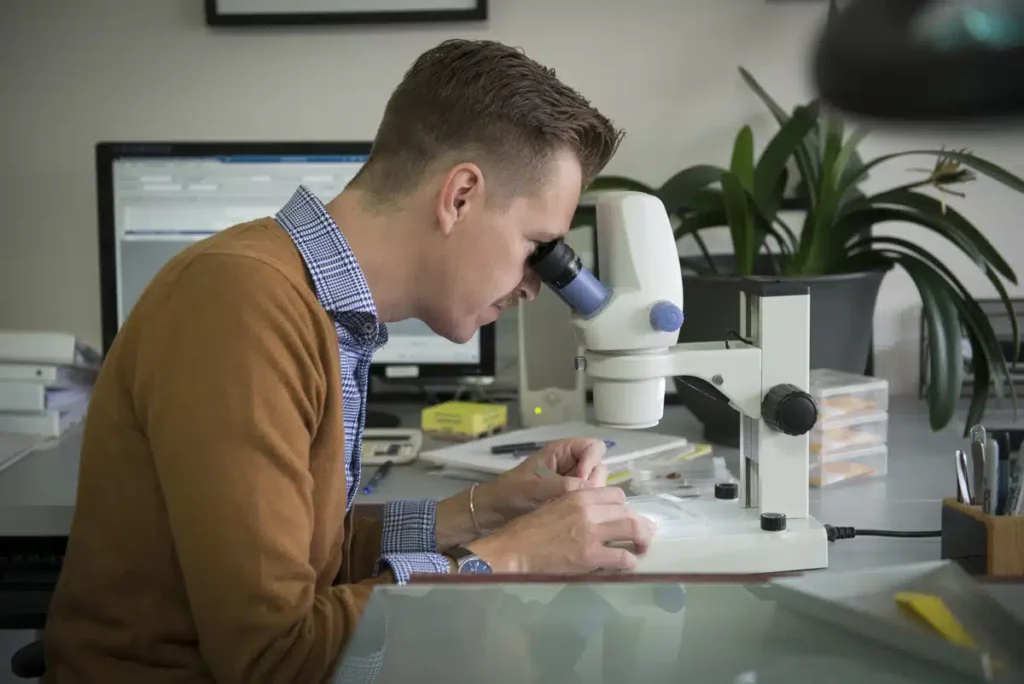
When it comes to seed testing, it’s not just about size or germination rates. It’s about understanding the true potential of a seed under real-world conditions. That’s where vigour testing […]
Why the Seed Sector Can’t Stay Silent on PBR

Comments on proposed Plant Breeders’ Rights’ amendments close Oct. 18 at midnight
How Complex it is to Simplify
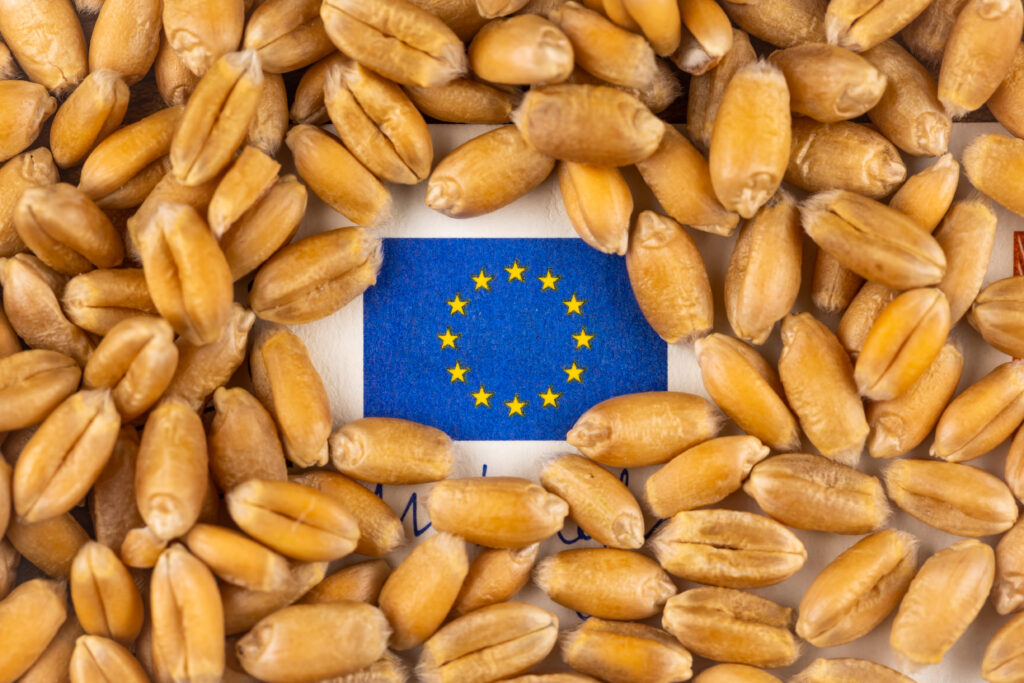
Mario Draghi’s call to cut EU “red tape” has reignited debate over how regulation affects competitiveness. Despite two decades of promises to simplify EU rules, real progress has been limited — a result of ongoing power struggles between the European Commission and Member States. As the Commission now pledges to lead by example and embed simplification into its core agenda, the seed sector faces both a challenge and an opportunity: to actively engage, rethink its practices, and help shape smarter, more effective regulation for the future.
Biologicals, Benchmarks & Big Leaps: How New Playbooks and Clear Policy Empower Innovation for 2025 and Beyond
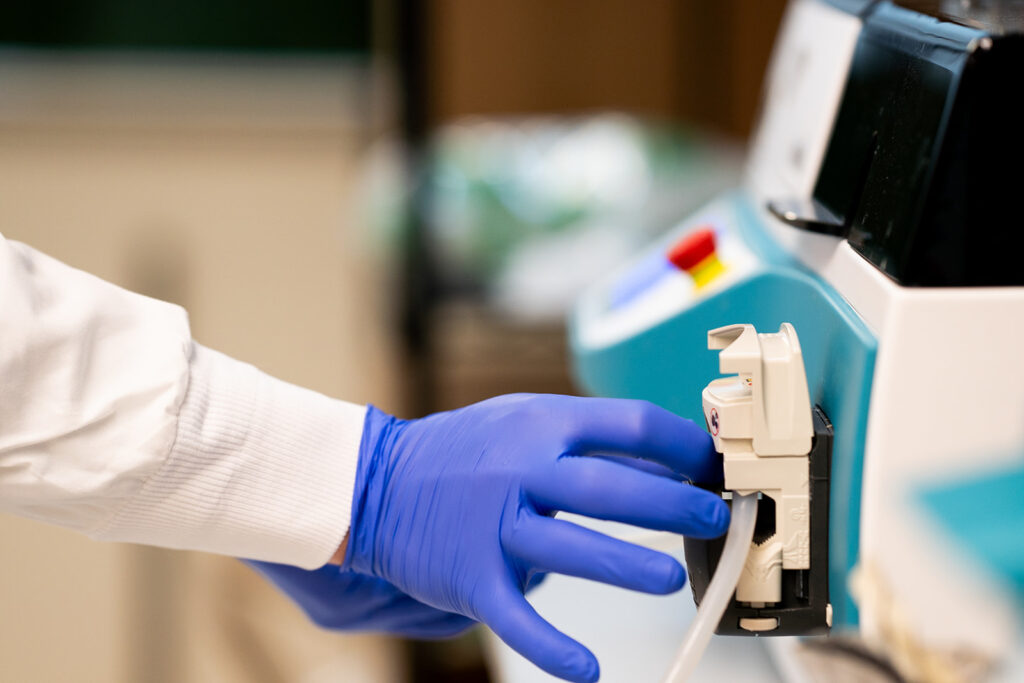
Jord BioScience’s multi-strain microbial solutions boost yields 11–25% and outperform standard biologicals and chemicals 80% of the time. With 30 years of microbiome expertise, robust field trials, and scalable production, Jord delivers consistent, reliable results that farmers can trust—turning data and collaboration into real-world performance.
Field Data Show Rootworm Resistance Erodes Bt + RNAi Protection
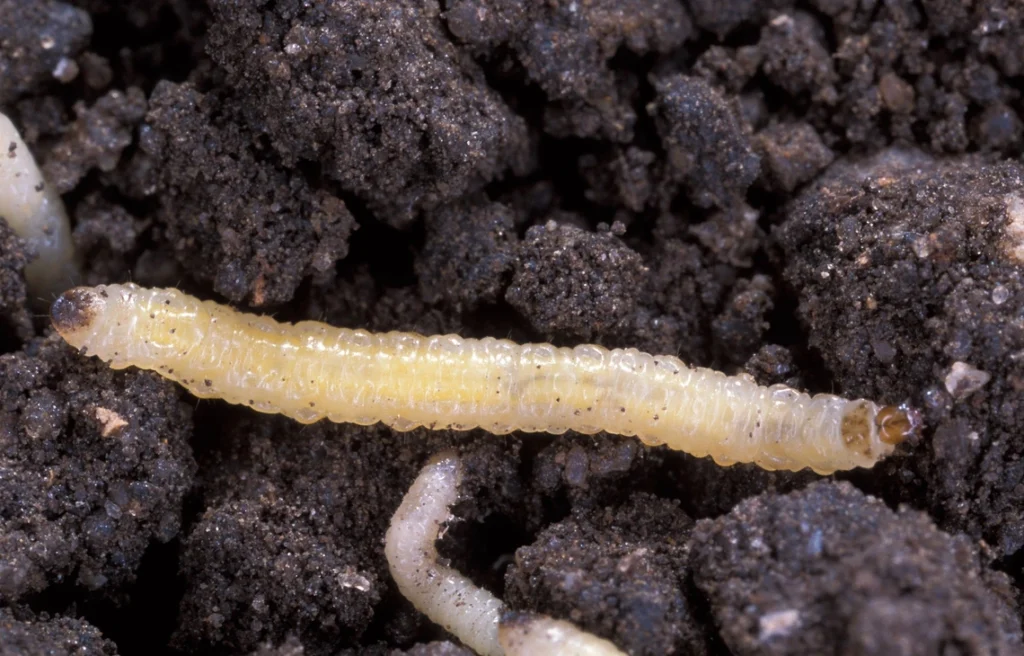
A multi-state analysis finds field-evolved Bt resistance reduces the performance of Bt + RNAi corn against corn rootworm, underscoring the need for stronger resistance management. Corn rootworms, long blamed for […]
Breeding Under the Treaty on the Line: The Future of the Multilateral System
As countries prepare to meet in Lima, Peru, the future of global crop diversity is on the table. The Governing Body of the International Treaty on Plant Genetic Resources will debate how to make its Multilateral System (MLS) more accessible and effective. For plant breeders, a reformed MLS could unlock easier, fairer access to vital germplasm for breeding — while ensuring benefit-sharing that supports conservation. Progress in Lima could reshape how the global seed sector uses genetic resources to drive innovation and strengthen food security.
How Customer Conversations Are Driving Innovation at Summit

Summit’s approach to growth starts with listening, not selling. By asking customers what’s standing in the way of their success, Summit uncovers opportunities for innovation — expanding from forage seed into vegetable, onion, carrot, and biofuel crops. Through close collaboration, testing, and investment in advanced technology, Summit is evolving from a toll processor into a true solutions partner. In a changing seed industry, curiosity and customer conversations drive the company’s innovation and trust-building efforts.
How 1,500 Everyday Growers Are Hacking the Seed Data Bottleneck
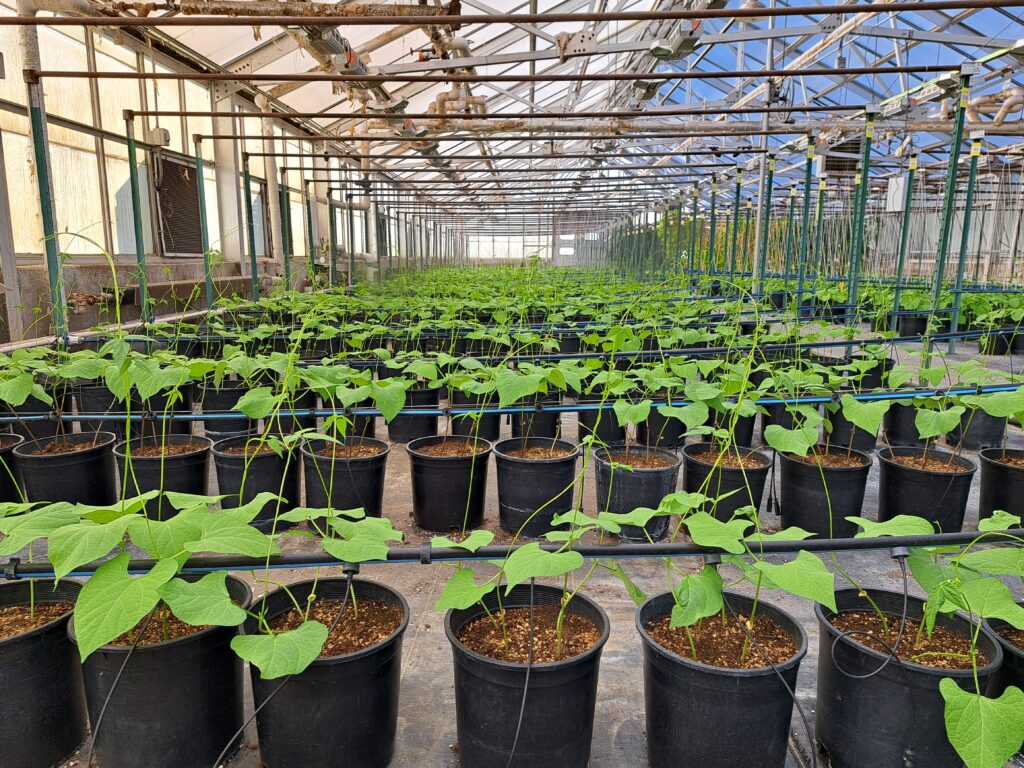
More than 1,500 volunteer growers are helping SeedLinked, USDA, and Seed Savers Exchange solve one of the biggest bottlenecks in plant breeding — the lack of affordable, large-scale field data. Through the Community-Supported Germplasm Initiative, this partnership uses crowdsourcing and digital tools to evaluate underused genetic material, lowering trial costs and unlocking new insights into crop performance. The result: faster access to valuable genetic diversity and a more participatory future for global seed research.
Unlocking Wheat’s Genetic Diversity to Meet Future Food Demands

Researchers mapped the wheat pan-transcriptome for the first time, revealing how gene activity varies across varieties. This resource uncovers hidden genetic diversity and regulatory networks that can help breeders develop higher-yielding, climate-resilient wheat. The breakthrough offers a powerful tool for accelerating global breeding efforts to meet future food security challenges.
Seeds and Pesticides: Breaking Up is Hard to Do

Debates are growing over whether seed and pesticide businesses should split, with industry fears of lawsuits and regulatory pressure driving the trend. While spin-offs could shield companies, experts warn they may reduce innovation, farmer support, and policy influence. An integrated ag-tech sector may better address climate, soil, and market challenges, making unity a stronger long-term strategy than separation.
Why Seeds Canada’s Nick Stratford is Hardwired for Policy
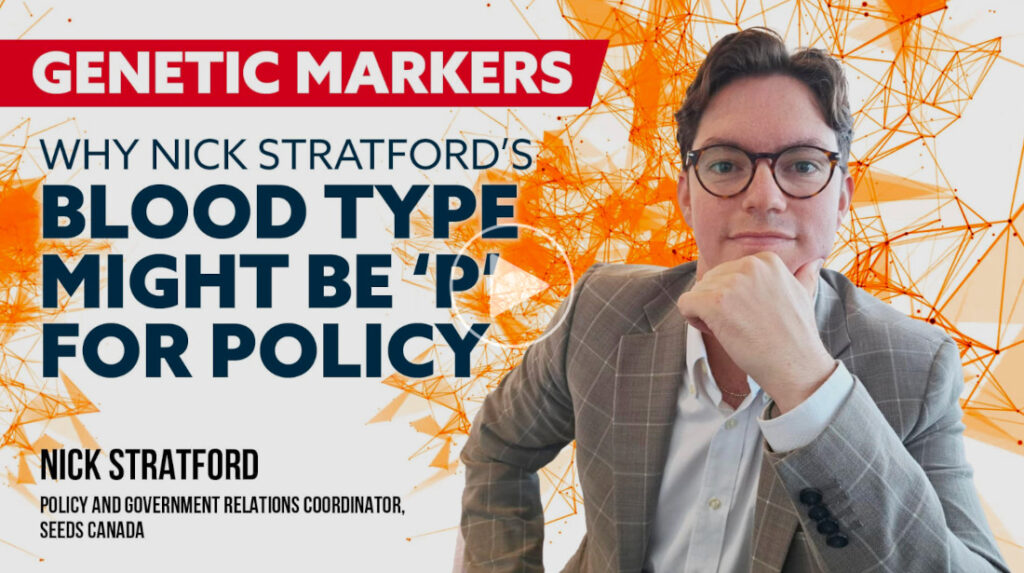
Four “genetic markers” reveal what it really takes to keep Canada’s seed system sustainable, precise, and human
How Collaboration Became the New Competitive Edge in Seed Testing
Farmers Wanted Yield. Consumers Wanted Protein. Tom Greaves is Delivering Both
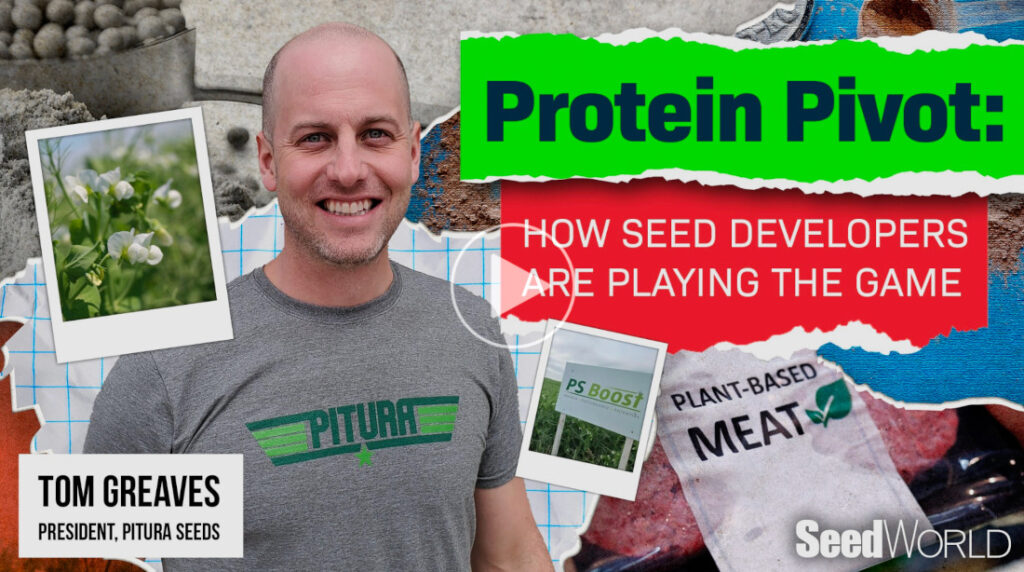
A yellow pea variety built to bridge productivity and market demand is taking off
Before the Blueprint: How Great Plants Really Begin

According to Nexeed’s Mark Metcalfe, the best seed plants start with a conversation, not a construction plan
Know a Variety That Changed Farming? Nominate it for Seed of the Year
FAST TAKE It’s not just about the best variety this season — it’s about the seeds that shaped a generation of farming success. Every year, the Seed of the Year […]
Don’t Miss Your Chance to Nominate a Plant Breeding Pioneer

Submit your nomination for the 2026 Plant Breeding & Genetics Award sponsored by Seed World Canada and Seeds Canada.
Investing in Innovation Matters. Here’s Why You Should Support the CPBI Scholarships

Become a sponsor and help power the innovations that will define the next decades of farming.
Key Wheat Genes That Control Plant Height and Grain Size Identified
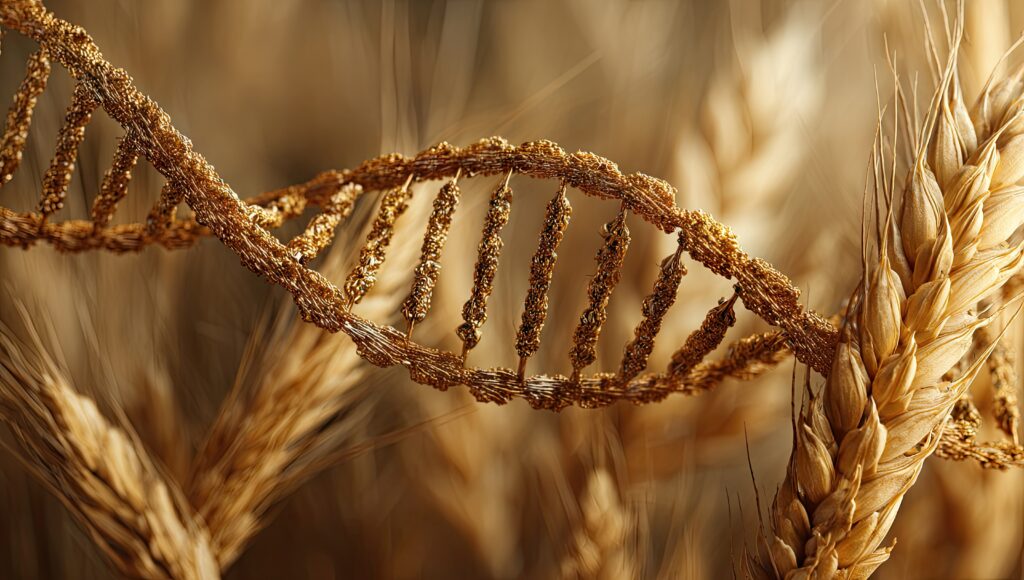
Rothamsted scientists discovered how specific GA3OX genes in wheat regulate growth and grain size by controlling gibberellin hormone levels. Variations in these genes affect plant height and grain weight, with modern breeding already favoring variants linked to larger grains. This insight offers new tools for breeders to optimize wheat yield and quality through targeted genetic selection.
A Tiny Genetic Shift Helped Barley Conquer Northern Europe
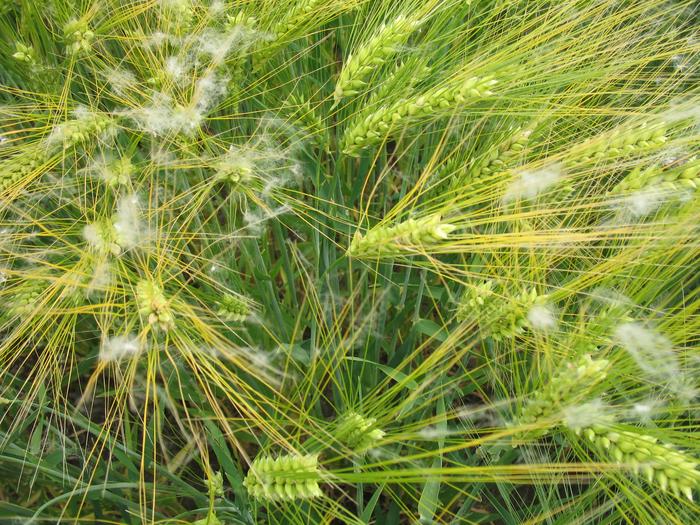
Researchers traced the genetic basis of late flowering in barley to a single mutation, SNP22, in the PPD-H1 gene. By studying over 2,000 barley varieties and ancient samples, they revealed that this trait originated in wild barley from the southern Levant after domestication. This adaptation, linked to haplotype H10, enabled barley to spread to Europe and thrive under long-day conditions, shedding light on the evolution and spread of cultivated barley.
Corn Trait Wins USDA Deregulation
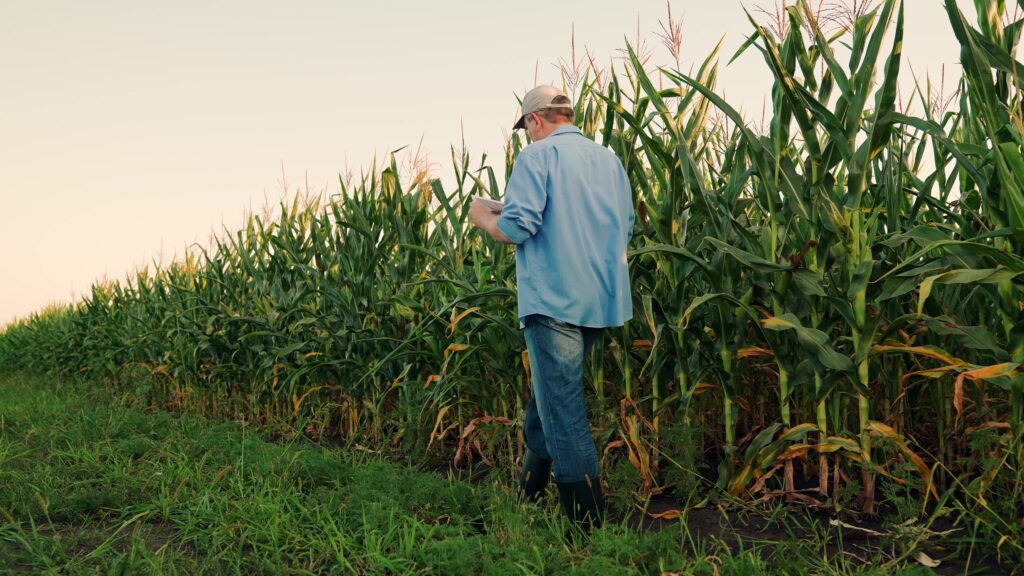
USDA has deregulated Bayer’s MON 95379 corn, a biotech trait designed to protect against major lepidopteran pests like fall armyworm and corn earworm. While not intended for U.S. commercialization, the corn will be used in breeding programs to build next-generation stacked products for South America.
Rompiendo Esquemas: Del Mejoramiento Vegetal a la Investigación Agrícola
Las decisiones sobre el tratamiento de semillas que se toman en otoño son clave para el éxito del próximo año en el campo. Centralizar y analizar los datos de manera eficiente permite a las empresas del sector de semillas tomar decisiones más rápidas, precisas y basadas en evidencia. Herramientas como Genovix facilitan la gestión y el análisis de datos experimentales no solo en el fitomejoramiento, sino también en la evaluación de fertilizantes, pesticidas e inóculos, demostrando que la tecnología puede beneficiar a toda la industria cuando se aplica de forma innovadora.
Thinking Outside The Box

Effective seed treatment decisions start with good data — and the ability to analyze it efficiently. Centralized data management tools like Genovix can streamline research, improve accuracy, and speed up decision-making across the seed sector — from plant breeding to fertilizer and pesticide trials. By leveraging technology designed for one area, the entire industry can benefit from smarter, data-driven solutions.
Poisons, Toxins and Venoms

Puffer fish are poisonous but not venomous, while rattlesnakes are venomous but not poisonous. Both use toxins differently — poisons harm when ingested or touched, venoms when injected. These toxins not only pose deadly risks but have also inspired medical advances, from blood pressure drugs to painkillers and diabetes treatments. Understanding these differences is key to both safety and innovation.
Are You Running Your Business as Hard as a Cross-Country Runner?

This leadership reflection draws parallels between the endurance and mental resilience of cross-country runners and the perseverance required in business. Drawing from a high school meet in Platteville, Wisconsin, it explores how true leaders, like athletes, overcome fatigue, silence self-doubt, and push past limits to achieve their goals. The story emphasizes that success comes not only from grit and determination but also from preparation, strategy, and adaptability. It’s a powerful reminder that the finish line belongs to those who commit fully, prepare wisely, and push hardest when it counts most.
Florida Lands USDA Program to Speed Up Crop Innovation
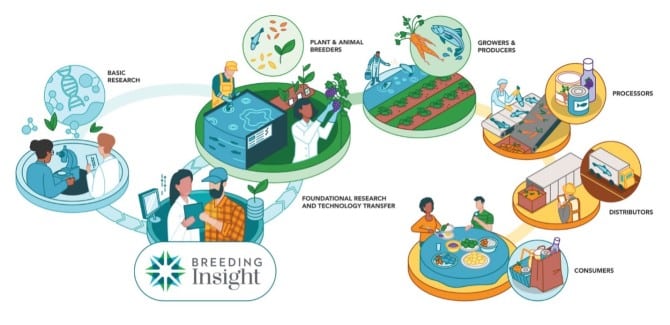
The University of Florida will host Breeding Insight, a USDA-ARS program that uses AI, advanced computing, and precision breeding to accelerate crop innovation and support Florida’s top commodities, from blueberries to citrus.
Simple Field Test Reveals How Farming Shapes Soil Structure

Rothamsted researchers developed a simple field test to measure soil macropore networks, revealing how different farming systems shape soil structure and health. The method links pore architecture to microbial activity, offering a practical tool to monitor the impact of land management on soil function and sustainability.
What the Combine Can’t Tell You: Five Things I Learned This Season
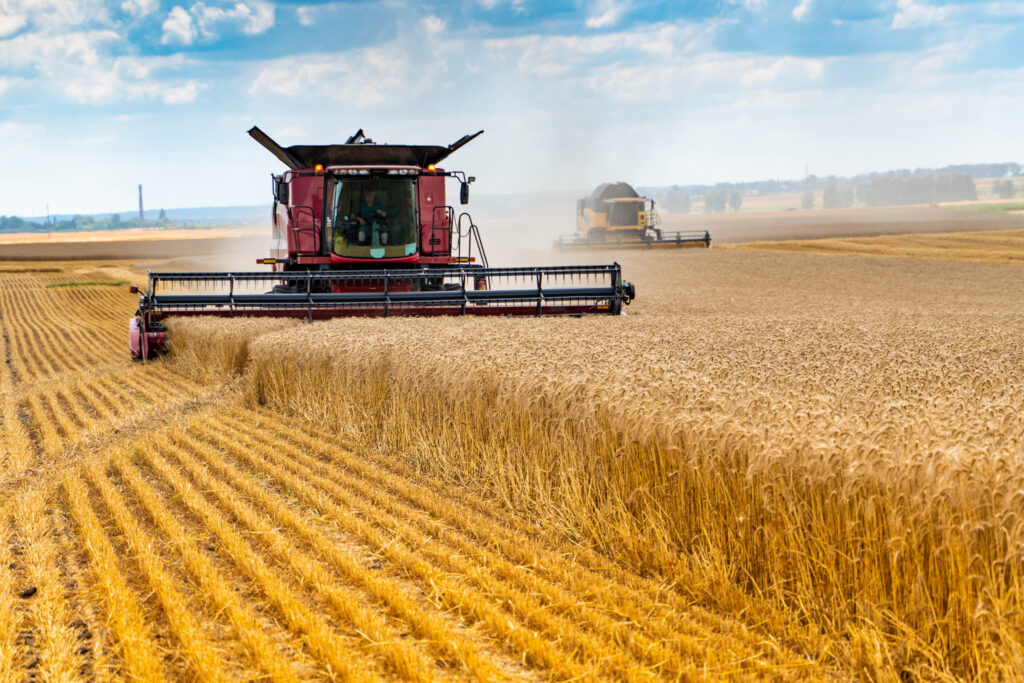
This harvest season offers critical lessons for farmers: the importance of early vigor, robust root development, seed treatment protection, careful yield analysis, and offseason planning. These insights highlight how preparation and seed care influence success and resilience in agriculture.
From Policy to People — All Eyes on Edinburgh
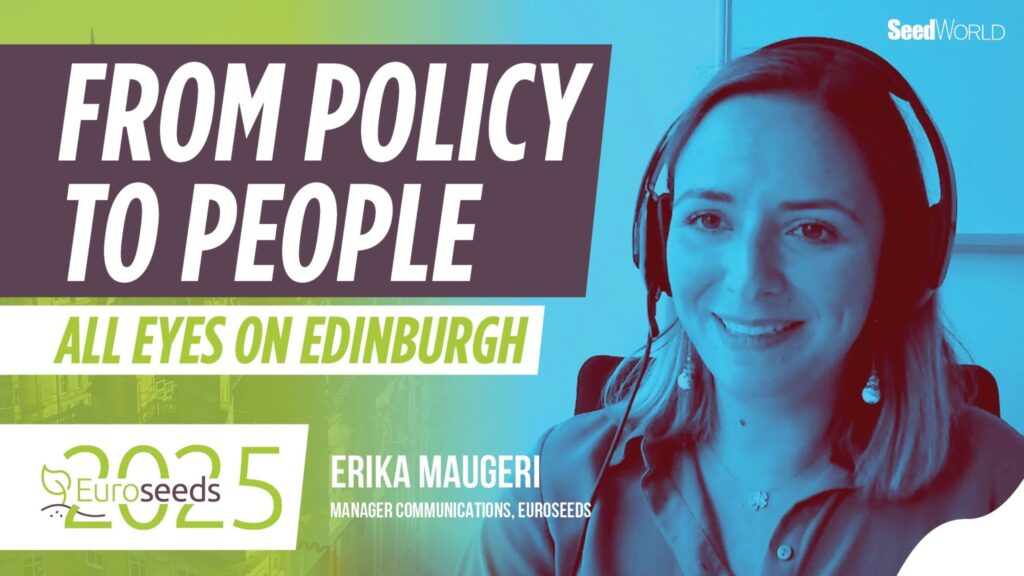
Euroseeds 2025 in Edinburgh is set to bring together the seed industry’s leading minds for three and a half days of connection, innovation, and insight. With new platforms like the NextGen Forum and a focus on collaboration and fresh ideas, it’s the must-attend event shaping the future of global agriculture.
If You Believe in Food, You Have to Believe in Science

We asked some of the biggest names in the international seed sector what they want the world to know
Swinging for More Than Fences

The Seed World U.S. October issue is in your mailbox and online! Every fall, the baseball season winds down, but this October Seed World U.S. has a brand-new lineup worth […]
New Copper Tech Tackles Crop Disease Sustainably
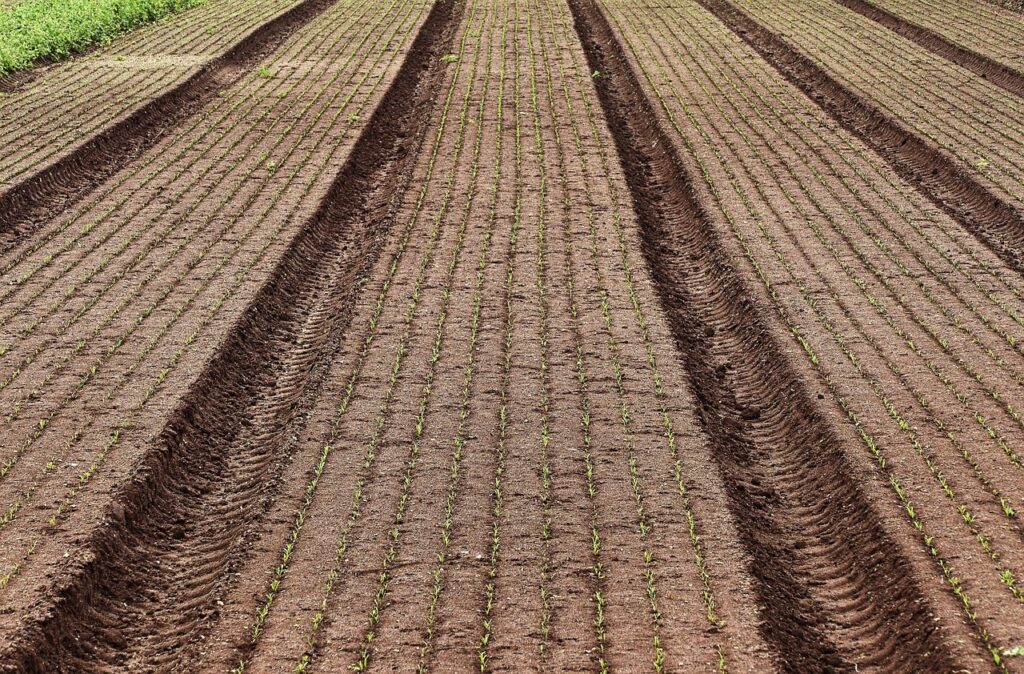
Facing growing food insecurity — with 2.3 billion affected, per FAO — Chinese scientists have developed a single-atom copper pesticide. Created by USTC, Tsinghua, and HFUT, this innovation boosts copper efficiency and cuts environmental impact, offering a new path for sustainable crop protection.
From Crisis to Clarity: Making Leadership a Strategic Priority in Ag

From crisis to clarity: Discover why leadership must be a strategic priority in agriculture. Learn how leadership assessments build aligned teams, close talent gaps, and drive long-term growth in a shifting industry.
Against Hunger and Food Poverty

Food insecurity affects over 2 billion people worldwide, including millions in Europe facing rising prices and food poverty. Drivers include COVID-19, war, climate change, and supply disruptions. The FAO calls for social protection and resilient agri-food systems, while EU policies risk reducing productivity and food sovereignty.
Inside the Busy Season: What Farmers and Seed Companies Need to Know About Seed Quality Testing
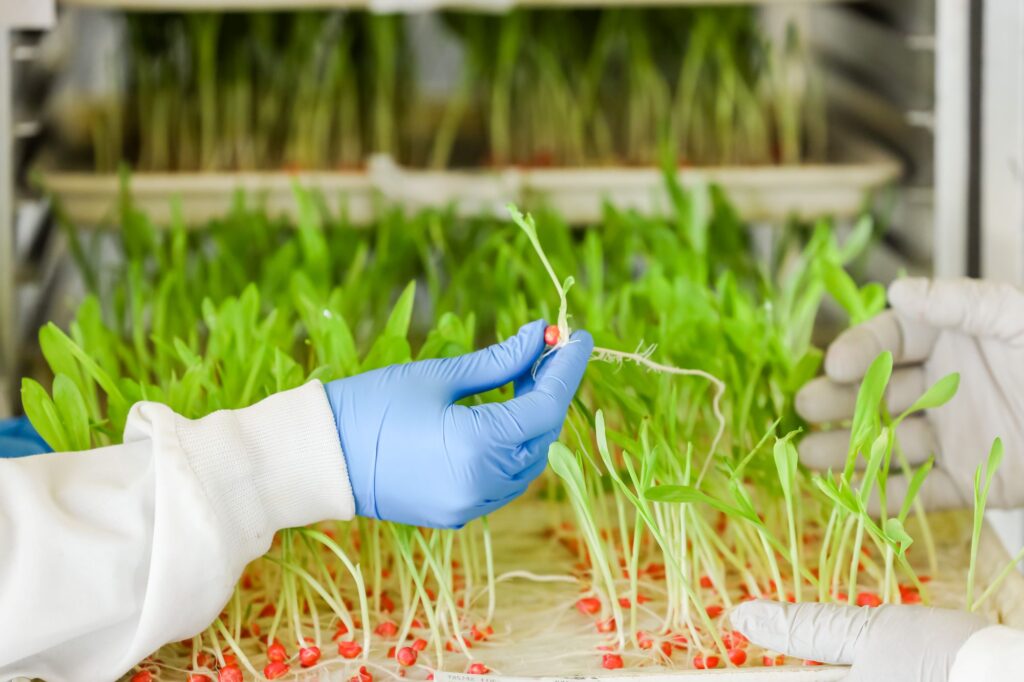
As harvest wraps up, activity surges in the Seed Quality Testing Lab, where corn and soybean samples arrive for analysis. The data helps shape seed marketing strategies and predict field performance—making accuracy, consistency, and clear communication essential.
Common Fungus Releases Vapours That Fight Crop Diseases, Study Finds
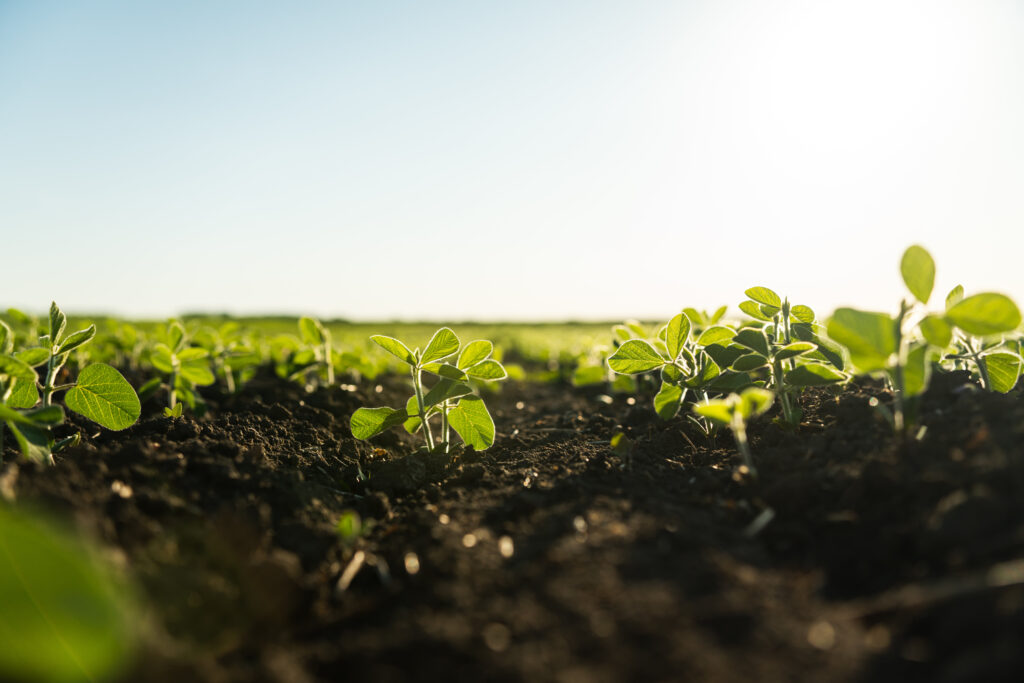
New research shows the soil fungus Trichoderma hamatum emits natural chemicals that suppress crop diseases, offering a potential sustainable alternative to synthetic fungicides.