

AAFC’s Science Footprint is Changing — its Commitment to Innovation is Not
Site closures and program consolidation are part of a strategic effort to preserve breeding and germplasm enhancement, says Assistant Deputy Minister Arran McPherson
Asociación Argentina de Semillas apoya el Acta UPOV 91 como un paso estratégico para la competitividad
La Asociación de Semilleros Argentinos (ASA) respaldó la decisión del presidente Javier Milei de modernizar la propiedad intelectual vegetal e impulsar la adhesión de Argentina al Acta UPOV 1991. ASA afirma que fortalecer los derechos de obtentores, incluyendo variedades esencialmente derivadas, aportará seguridad jurídica, promoverá la innovación, atraerá inversiones y mejorará rendimientos y exportaciones. La reforma equilibrará el uso propio y alineará normas con tecnología.
Farm Bill Draft Draws Praise, Concerns From Agricultural Groups

Agricultural organizations are reacting to the Farm Bill draft. See what they are saying as we wait for lawmakers to replace the 2018 Farm Bill
Canada’s Crop Breeding System Faces a Turning Point

Groups like the Canadian Wheat Research Coalition say clearer funding models, shared infrastructure and long-term planning are essential for innovation
Let’s Talk: A Critical Moment for New Genomic Techniques in Europe

Europe is edging closer to a major milestone on New Genomic Techniques. In this Seed World Europe discussion, Petar Madjarac and Marcel Bruins explain where EU NGT regulation stands and why the next political decisions could be decisive for the future of plant breeding.
Plant-Protein Demand Shaping New Yellow Pea and Faba Bean Lines on the Prairies

Protein content in yellow peas and processing advantages of small-seeded faba beans are becoming key breeding targets for pulse breeders
10 Years After UPOV ’91: Is Canada Ready for a New Plant Breeding Funding Model?
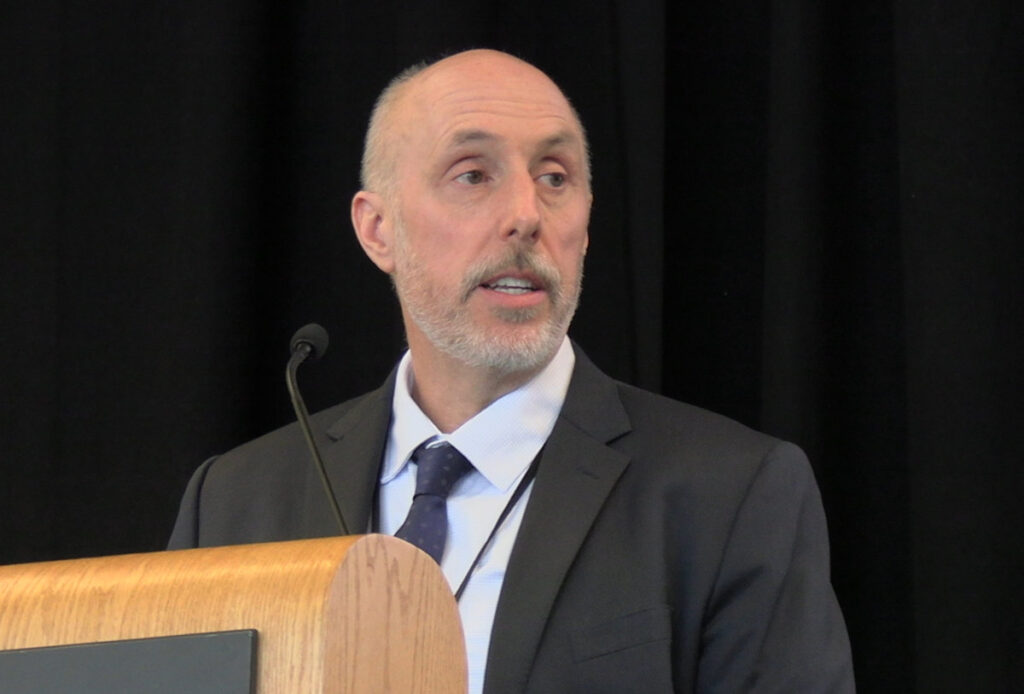
PBR Commissioner Anthony Parker says collaboration between producers, public breeders and private companies will determine the future of innovation
Model Maps 2021 Frost Damage in Brazilian Corn
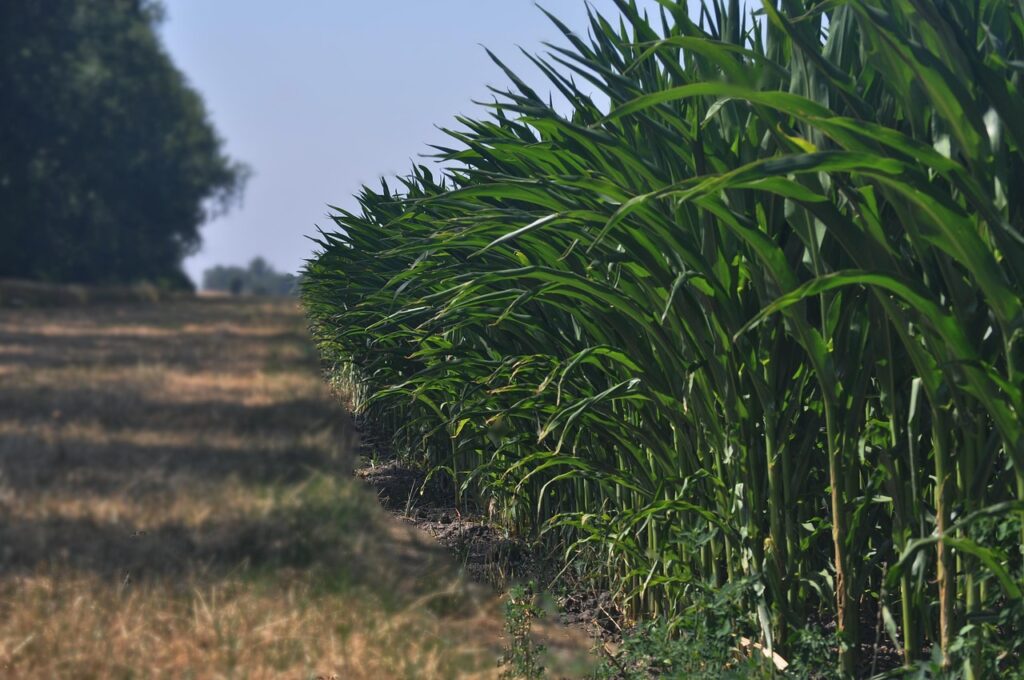
A Brazilian model maps 2021 frost damage in second-crop corn using Sentinel-2 imagery and Random Forest machine learning. Tested across 700,000+ hectares in western Paraná, the method identified corn fields with 96% accuracy and estimated about 70% of mapped areas suffered frost impacts. The adaptable workflow, called GEEadas, supports loss assessment, insurance, and climate-risk policy planning for other crops too.
Long-Term Study Shows Soil Imbalances Can Weaken Crop Defenses
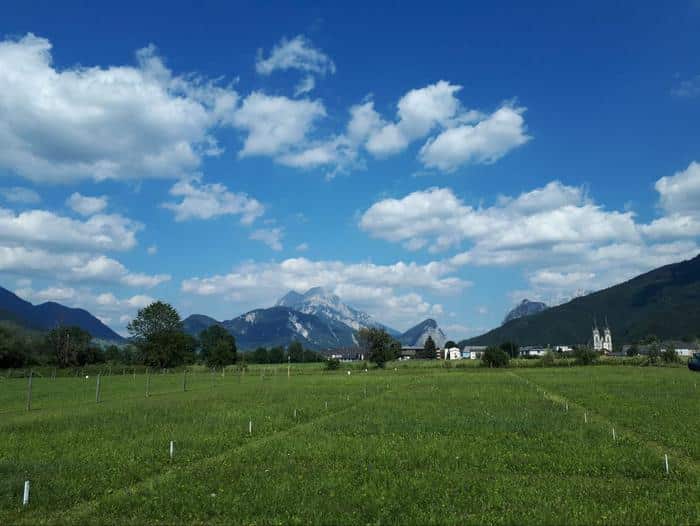
A 70-year long-term experiment shows that nutrient imbalances in soil—especially potassium deficiency combined with nitrogen fertilization—can severely disrupt mycorrhizal symbiosis, the vital partnership between plants and beneficial fungi. The study, led by researchers at the University of Vienna and published in New Phytologist, highlights how balanced fertilization is essential for maintaining soil health, crop resilience, and sustainable agriculture.
How the Middle East War Could Ripple Through the Seed Industry

A war unfolding in the Middle East is already sending ripple effects through global fertilizer, energy and shipping markets. In this episode of The Way I See It, Seed World U.S. editor Aimee Nielson explains what disruptions around the Strait of Hormuz could mean for fertilizer supply, farm input costs and the seed industry.
New Barley Lines Could Help Beer Stay Fresher Longer

The Prairie Recommending Committee for Oats and Barley is reviewing malting barley lines including LOX-less types that reduce flavour staling in beer
Loss of Prairie Research Stations Threatens Wheat Testing System, PGDC Committee Hears

Cuts affecting sites like Lacombe, Scott and Indian Head could leave major production zones without data for evaluating new lines
Modelo mapea daños por heladas en maíz Brasileño 2021

Un modelo brasileño mapea el daño por heladas de 2021 en el maíz de segunda cosecha con imágenes Sentinel-2 y aprendizaje automático Random Forest. Probado en más de 700.000 hectáreas del oeste de Paraná, identificó parcelas de maíz con 96% de precisión y estimó que el 70% del área presentó daño. El flujo GEEadas apoya seguros, estimaciones y políticas climáticas.
What’s Next in Corn Genetics? Corteva’s Plan for 2026 and Beyond

2025’s record-breaking 17-billion-bushel U.S. corn crop reinforced the shift happening in the conversation around corn genetics. Yes, yield remains king. But increasingly, resilience is defining performance. Last season put genetics […]
Biological Seed Treatments: Innovation, Regulation and Market Expansion
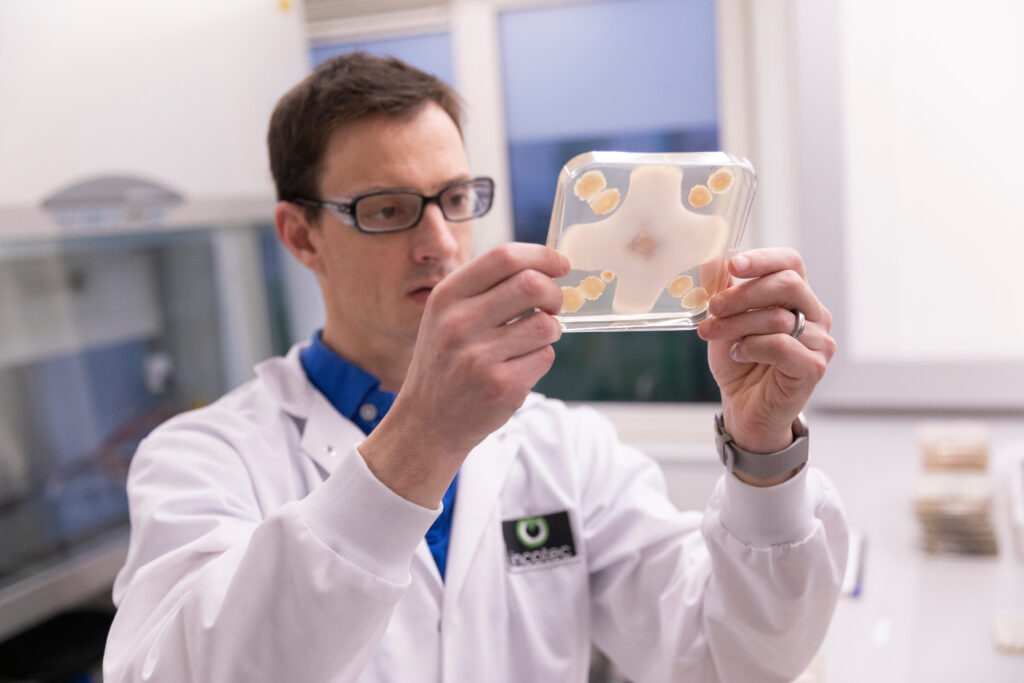
Biological seed treatments are rapidly advancing across global agriculture, driven by innovation, regulatory shifts and growing farmer demand for improved crop performance. Industry leaders from BASF, Bayer, Corteva and Incotec examine market growth, technical challenges, regulatory harmonization and adoption trends shaping the future of seed-applied biologicals and integrated seed treatment strategies worldwide.
What’s the Right Amount of Education for You?
The seed industry faces a talent bottleneck: professionals want to grow into leadership but can’t pause careers for full-time degrees. Education can be stacked strategically. An ISU Seed Technology and Business instructor shares how the program broadened his industry lens, while emphasizing modular options—certificates, micro-credentials, workshops, and conferences—early on. Gain industry context first, then pursue graduate education to accelerate growth.
New Mustard Promises Yield Gains as PRCO Flags GM and Research Risks

Big yield gains, market risks and federal research cuts dominated flax and mustard discussions at today’s Prairie Grain Development Committee meetings in Banff
Corn Moves South
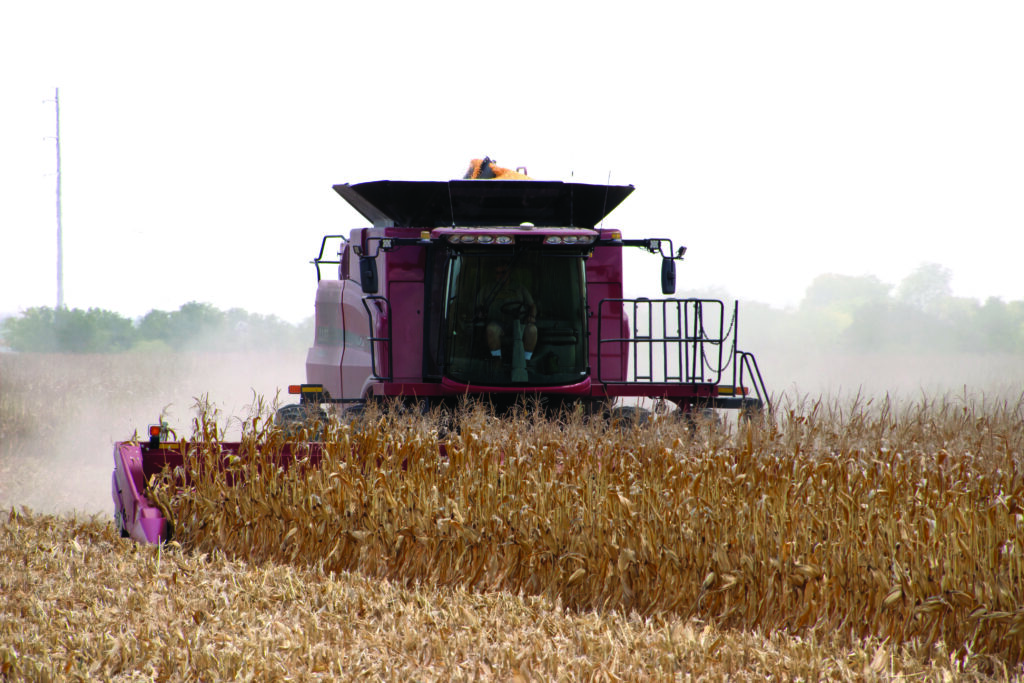
When you think of corn country, you tend to focus on the Midwestern states like Illinois, Indiana and Iowa, but a Southern Corn Belt is making waves and growing year over year.
Who Funds Wheat Research in Canada? Increasingly, it’s Farmers

Long before recent federal cuts made headlines, Canadian farmers were quietly underwriting the country’s wheat breeding system
Paraná Study Shows Productivity Gains with Soybean Co-Inoculation
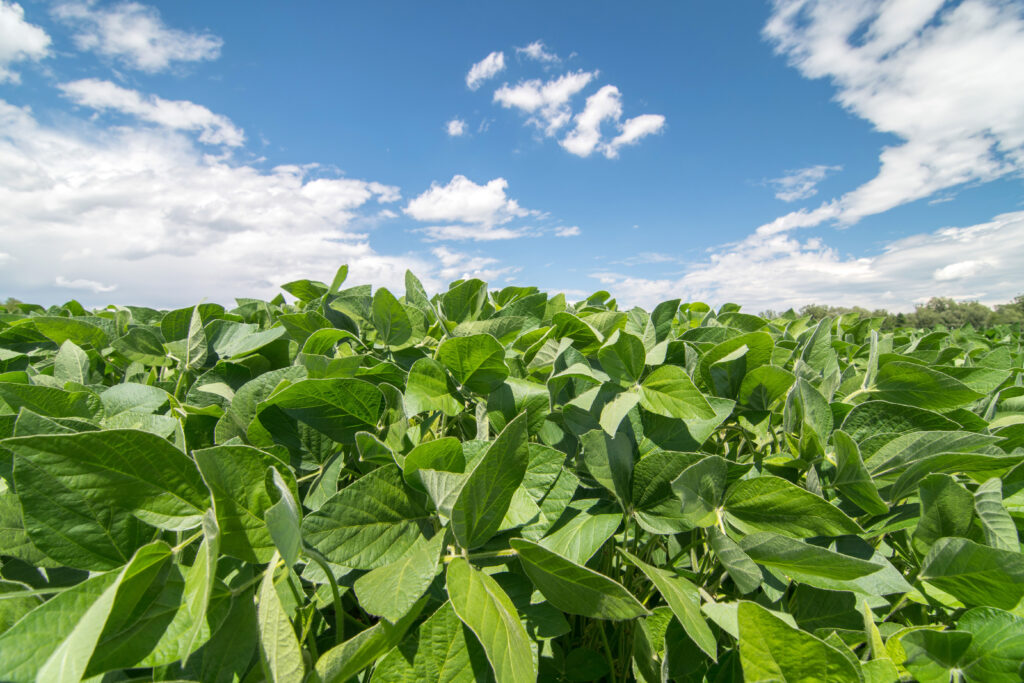
A Paraná study by Embrapa Soja and IDR-Paraná shows soybean seed co-inoculation delivers consistent productivity gains. Ten years of field validation in commercial Technological Reference Units found an average 8.33% yield increase by combining Bradyrhizobium and Azospirillum, strengthening biological nitrogen fixation. In 2024/2025, co-inoculated fields averaged 3,916 kg/ha, outperforming non-inoculated areas and state and national averages.
Study Links eccDNA to Rapid Plant Stress Resistance

Scientists at Rothamsted and Clemson University have unified fragmented research to show that extrachromosomal circular DNA (eccDNA) acts as a genomic “shock absorber” in plants. Their review demonstrates that eccDNA amplifies genes, buffers stress and accelerates adaptation beyond chromosomal limits, reshaping understanding of genome plasticity and opening new pathways for crop resilience and climate-ready agriculture.
Strengthening Canada’s Variety Development Pipeline Through Private-Sector Innovation
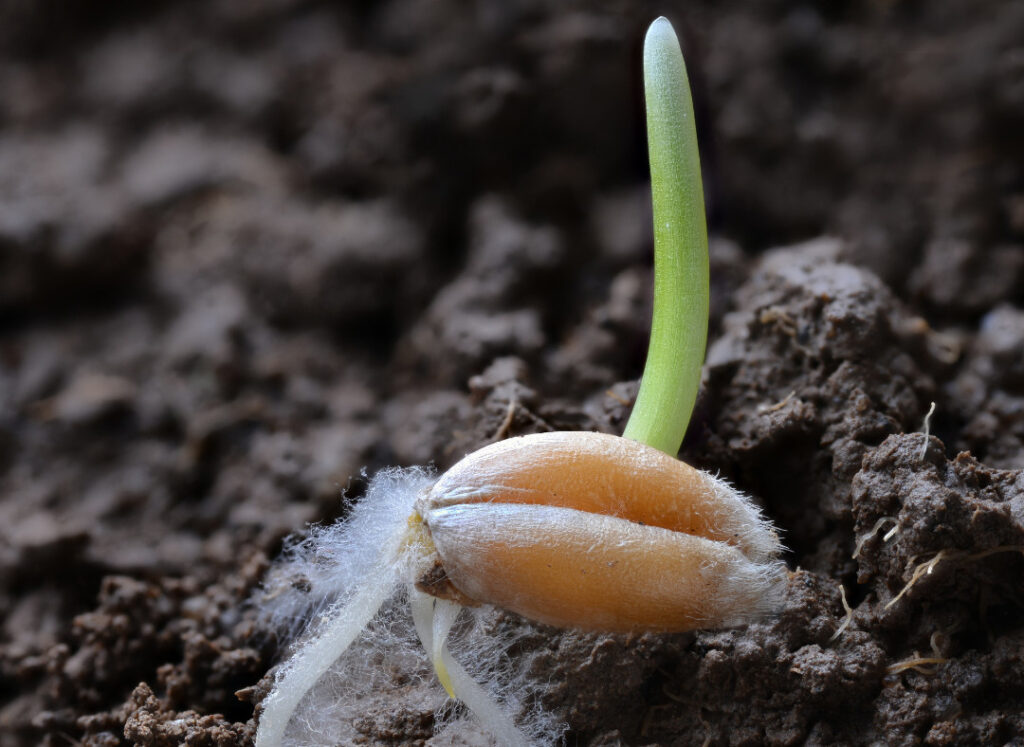
The variety‑breeding landscape in Canada is undergoing a profound transformation. For decades, public research programs have formed the backbone of crop improvement efforts across the country. Today, many of these programs are […]
Can We Breed a Safer Peanut?
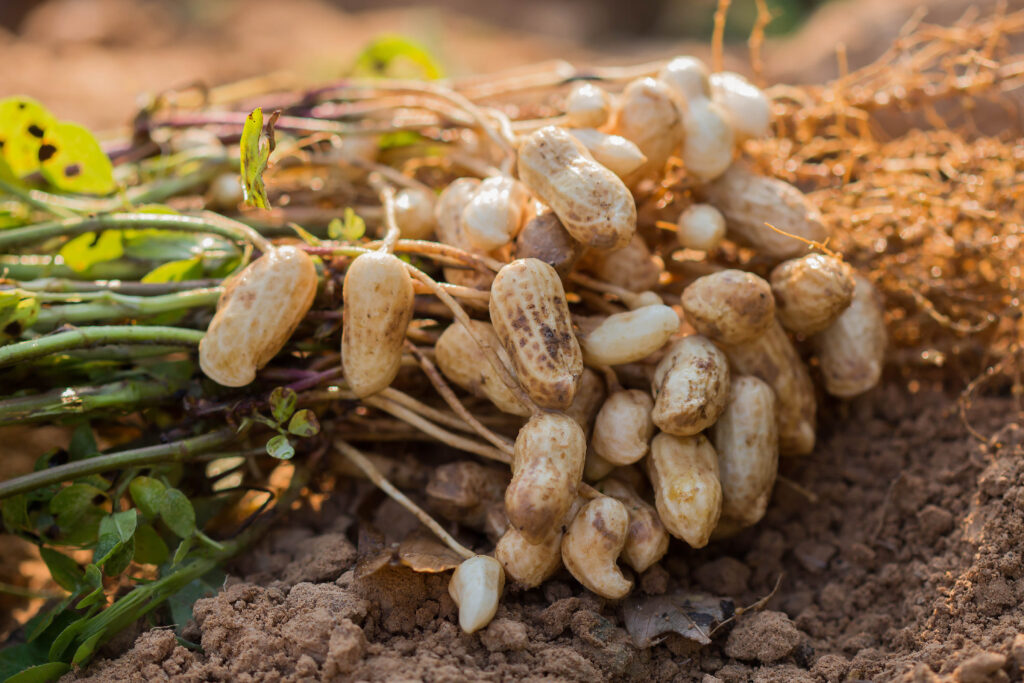
Can peanut breeding reduce allergen proteins without sacrificing performance? Clemson scientists are stacking genetics and gene editing to find out.
Inside J.S. Henry & Son’s New Seed Plant: Lessons Learned Building a Third-Generation Processing Facility
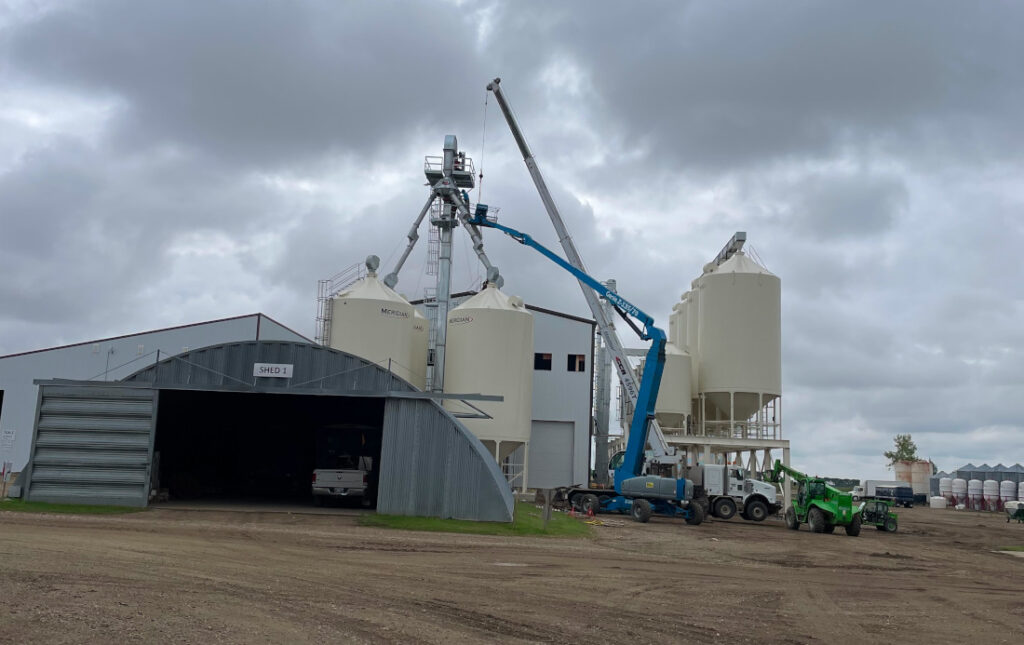
Standing in a new seed processing facility for the first time is equal parts pride and pressure. Pride, because years of planning have finally taken physical shape. Pressure, because the […]
Canadian Seed Industry Warns of Lost Year in Crop Breeding and Field Trials

Public-private seed development system faces mounting pressure, raising concerns about lost field data, disrupted breeding cycles and long-term yield gains
Estudio en Paraná muestra aumentos de productividad con la coinoculación de soja
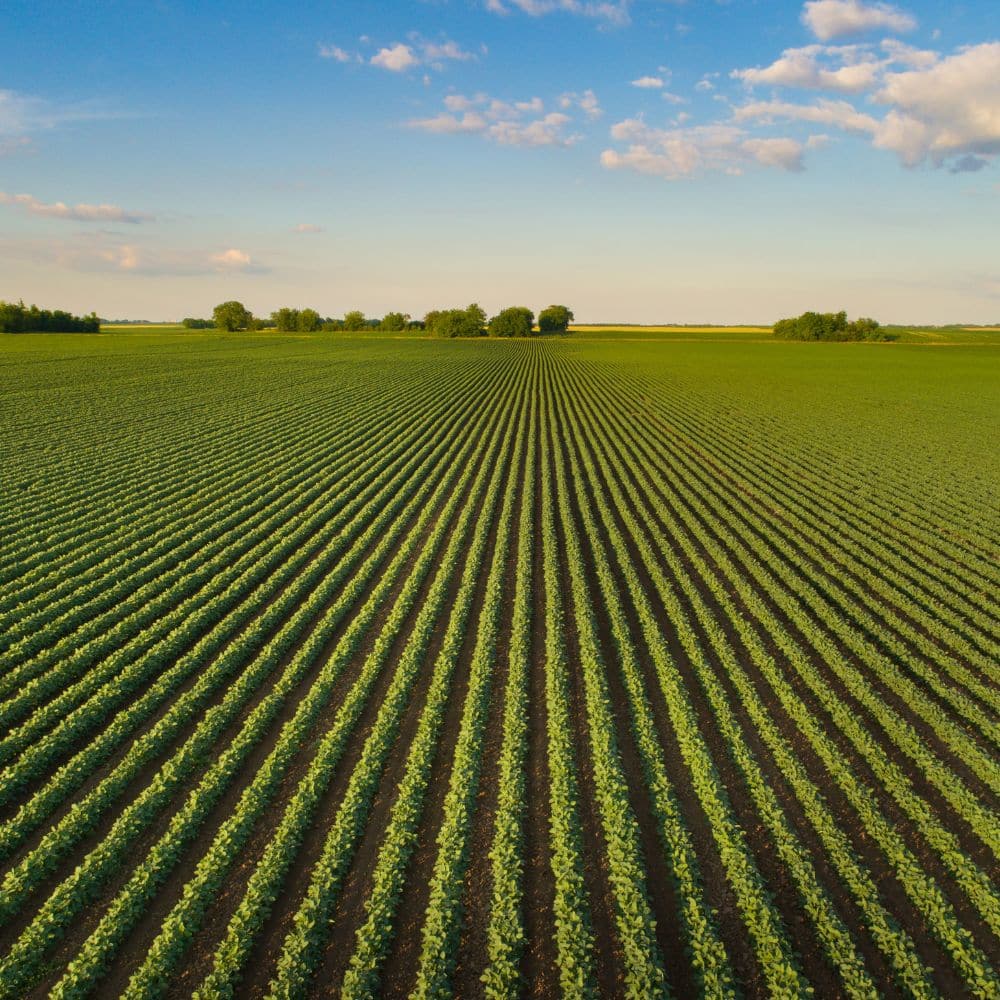
Un estudio en Paraná de Embrapa Soja e IDR-Paraná muestra que la co-inoculación de semillas de soja mejora la productividad de forma consistente. Diez años de validación en Unidades de Referencia Tecnológica en campos comerciales registraron un aumento promedio de 8,33% al combinar Bradyrhizobium y Azospirillum, fortaleciendo la fijación biológica de nitrógeno. En 2024/2025, promedió 3.916 kg/ha, superando áreas sin inoculación y medias estatal y nacional.
Selling Abundance in a World Addicted to Scarcity
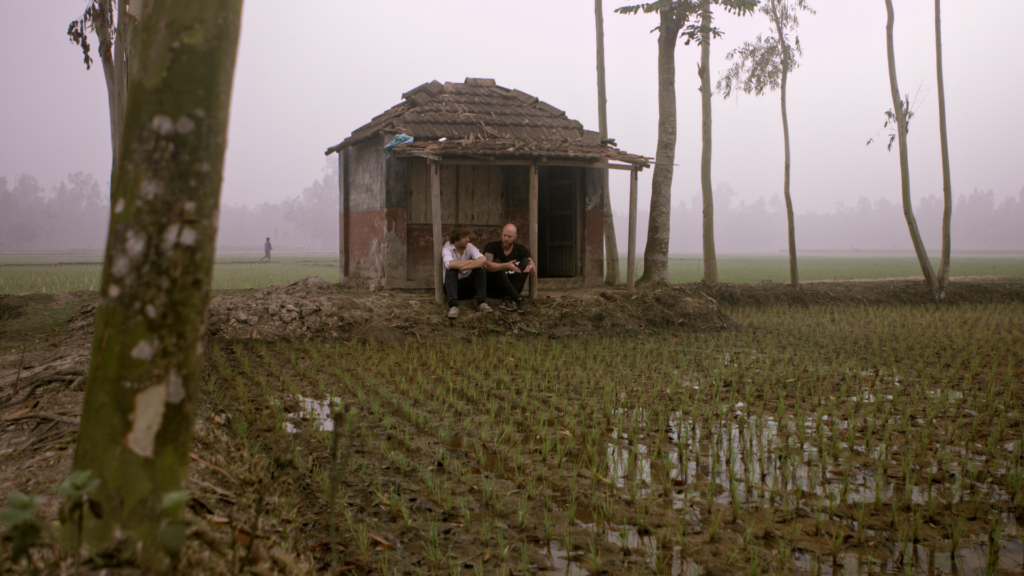
Part 2 explores Hidde Boersma’s techno-optimistic vision for sustainable agriculture, highlighting WePlanet, ecomodernism, CRISPR, land sparing and high-yield farming. It examines how storytelling, film and culture reshape debates on biotechnology and the seed sector. The article argues that abundance, innovation and science-based policy can redefine sustainability, biodiversity protection and Europe’s agricultural future.
Concepts For Your Seeds
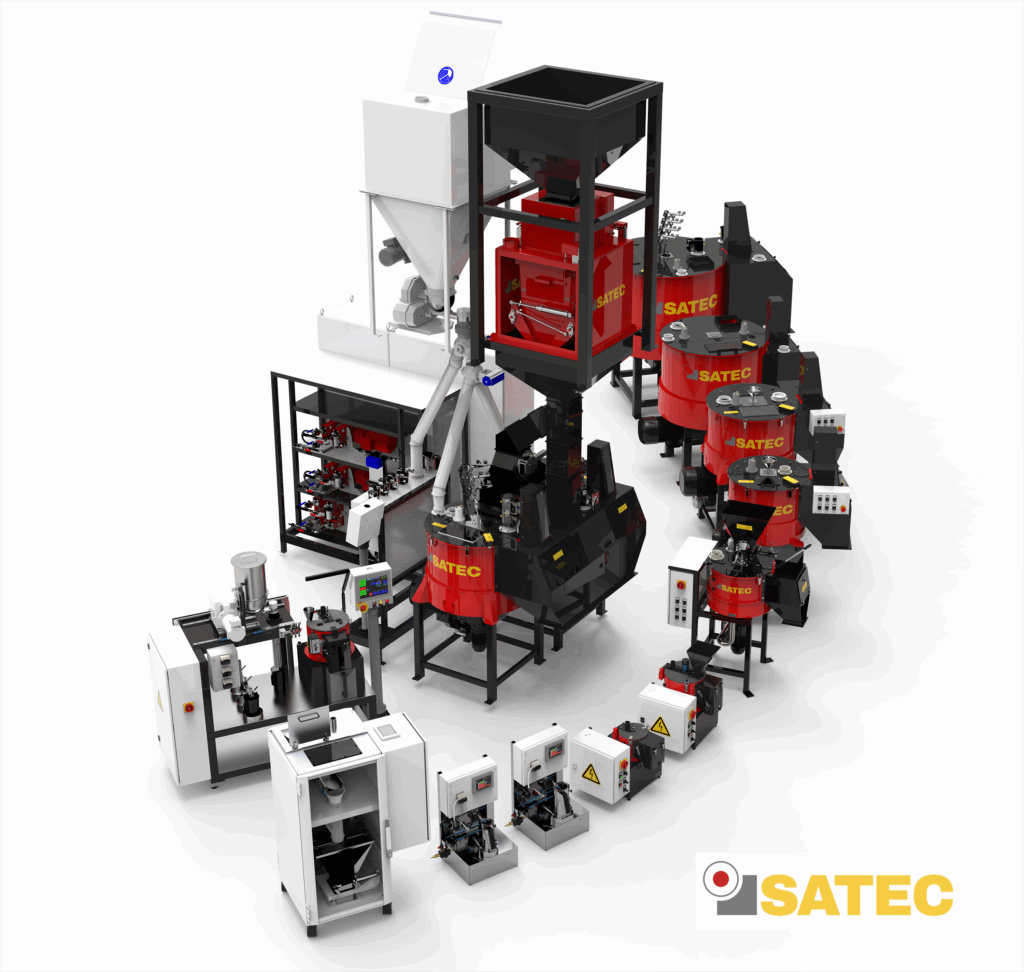
For more than 40 years, SATEC® has offered you the perfect combination of technique, chemicals and experience to treat your seeds referring to their high quality. You get specific and individual […]
Gene Expression VS Soybean White Mold
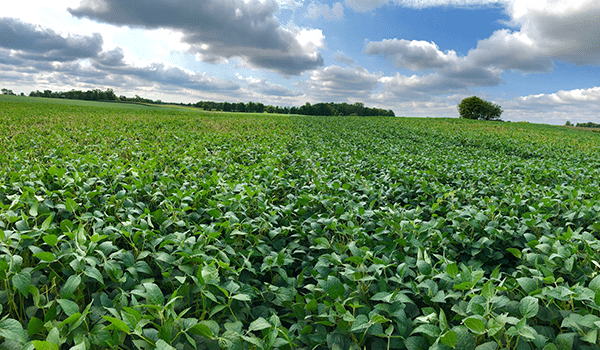
Heads Up® helps soybean growers manage unpredictable disease pressure with proactive, full-season protection starting at germination. Unlike narrow fungicide seed treatments and timing-sensitive foliar sprays, this non-living biological plant activator primes systemic acquired resistance (SAR), strengthening natural plant defenses for broad-spectrum suppression. Backed by 20+ years of third-party data and trusted on 12+ million acres annually, it’s easy-to-use, low-cost “insurance.”
New Review Advances Precision Gene Insertion in Corn

A new review highlights advances in precision gene insertion in corn, focusing on site-specific transgene integration and genomic “safe harbors.” Led by GCCRC researchers, the study explains how next-generation genome editing tools can reduce randomness, improve gene stability, and lower development costs. The approach supports faster creation of drought-tolerant, climate-resilient corn varieties with greater regulatory predictability and efficiency.
Nueva revisión avanza en la inserción precisa de genes en maíz
Una nueva revisión destaca avances en la inserción precisa de genes en maíz, centrada en la integración específica y los “sitios seguros” genómicos. Liderado por investigadores del GCCRC, el estudio explica cómo herramientas de edición genética reducen la aleatoriedad, mejoran la estabilidad y disminuyen costos. El enfoque impulsa el desarrollo más rápido de maíz tolerante a sequía y resiliente al clima.
Early Release of EuroBlight Blight Monitoring Results for the 2025 Potato Crop
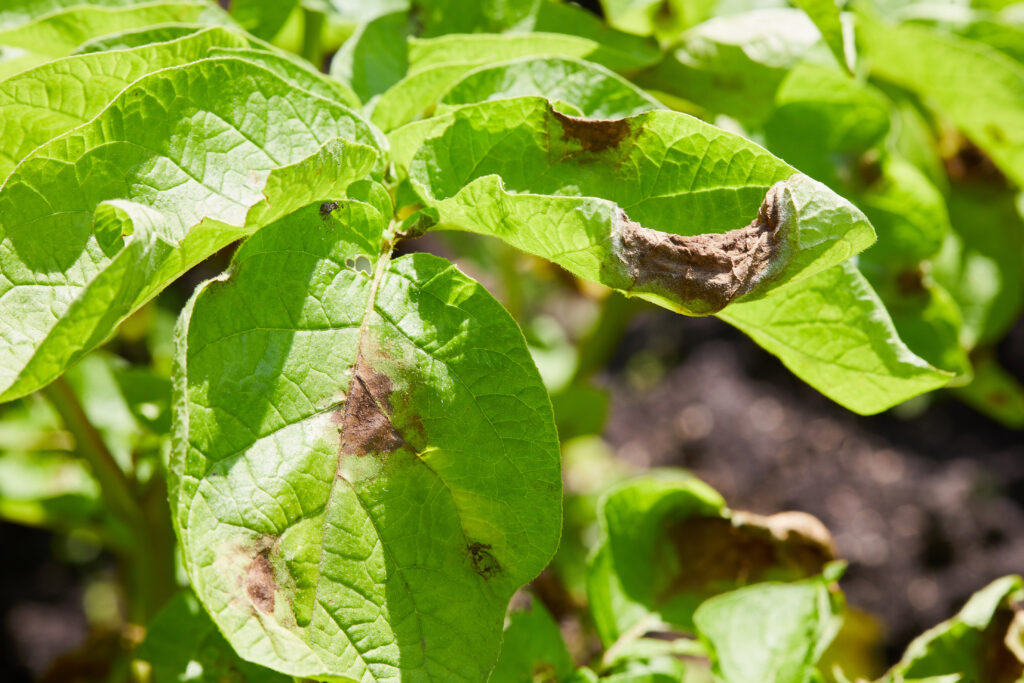
EuroBlight’s first 2025 potato season results show Europe’s late blight population remains dominated by the aggressive EU36 genotype, while EU43 and EU46 strains continue shifting regionally. More than 1,200 samples were genotyped, revealing rising diversity in northern and eastern Europe. Adjusted fungicide strategies have helped suppress resistant strains, but late blight still causes major economic losses across Europe and worldwide.
LETTER TO THE EDITOR: Fiscal Discipline Should Target AAFC Overhead — Not High-Return Research
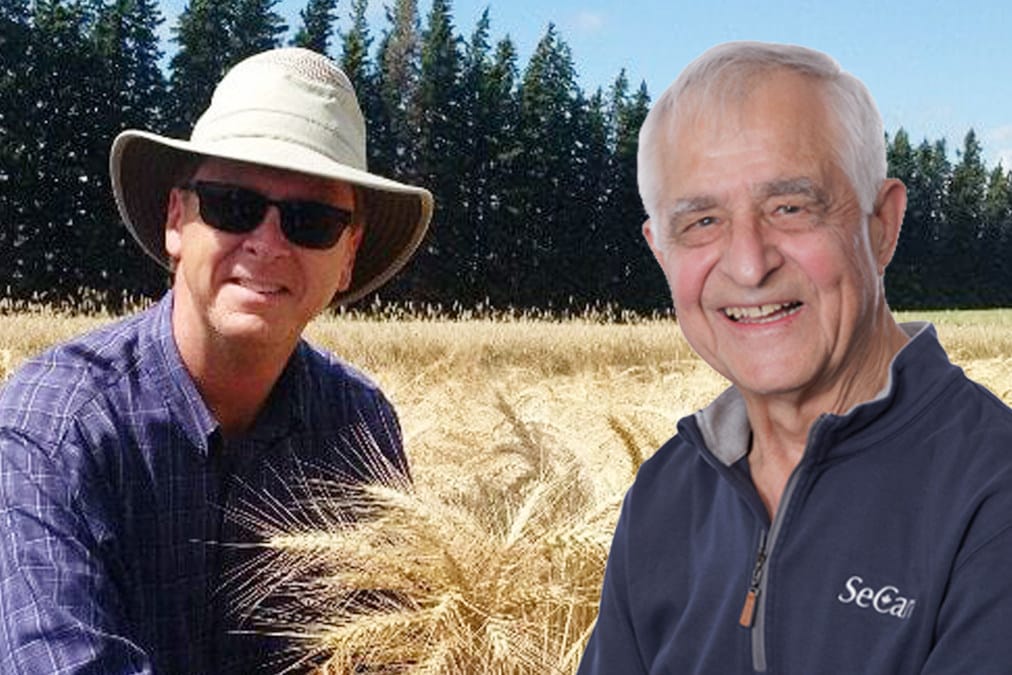
Two wheat breeding legends say cutting front-line science that delivers some of the highest returns of any public investment is short-term thinking.
Federal Budget Cuts Put Canada’s Wheat Breeding System at Risk, New Report Warns
A new report released today by the Canadian Wheat Research Coalition warns that Canada’s wheat breeding innovation system is facing “critical gaps and risks”
Plant Hormone Therapy Could Help Crops Fight Disease Without Sacrificing Yield
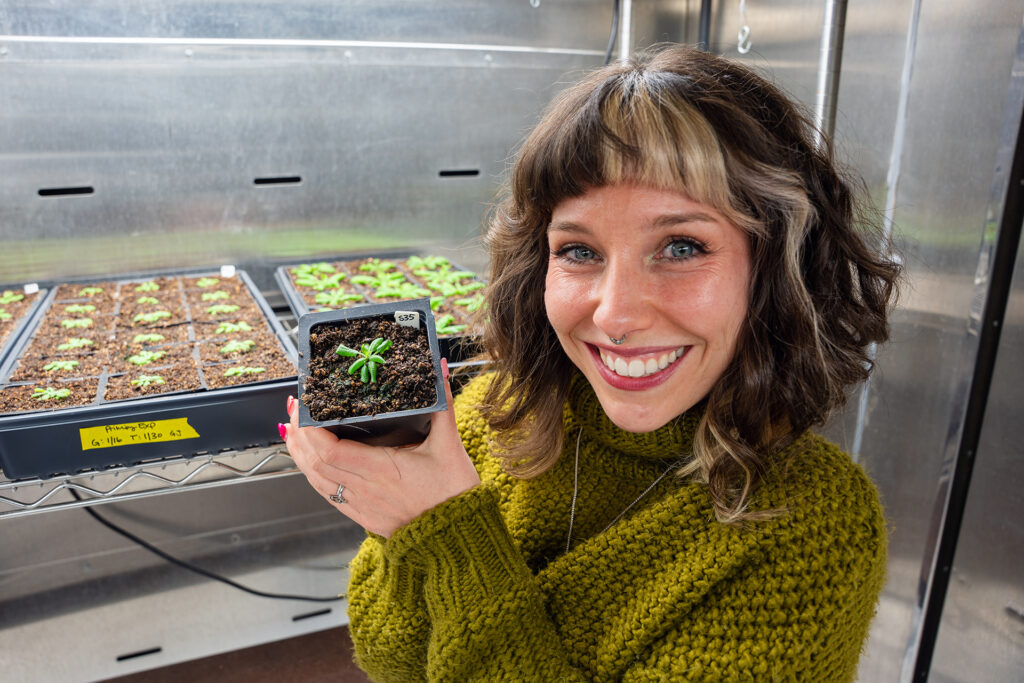
Colorado State University research shows plant hormone therapy can maintain growth while crops defend against disease, offering potential gains in wheat corn and soybean yield with reduced reliance on pesticides and inputs.
Genebanks from Africa, Asia and Europe Safeguard Crops in Svalbard
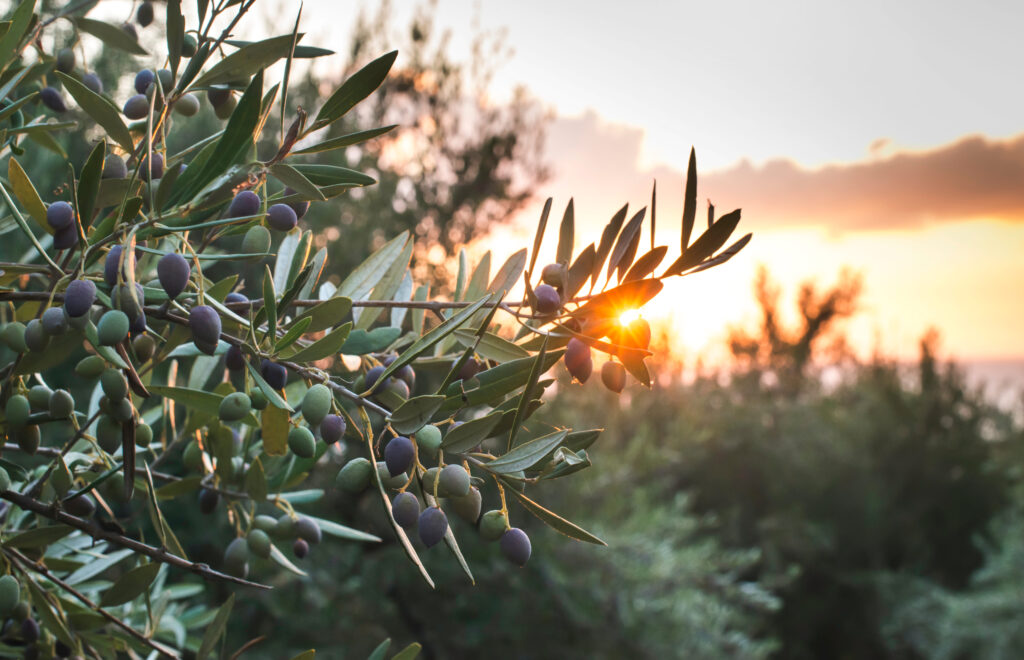
The Svalbard Global Seed Vault marked its first 2026 deposit, securing 7,864 seed samples from 10 genebanks across Africa, Asia, Europe and the Americas. First-time contributions came from Guatemala and Niger, alongside the vault’s first-ever olive seeds. The deposit brings the total conserved crop diversity in Svalbard to 1,386,102 samples, strengthening global food security.