
Farmers Are Taking the Lead on the Future of Canadian Wheat Breeding
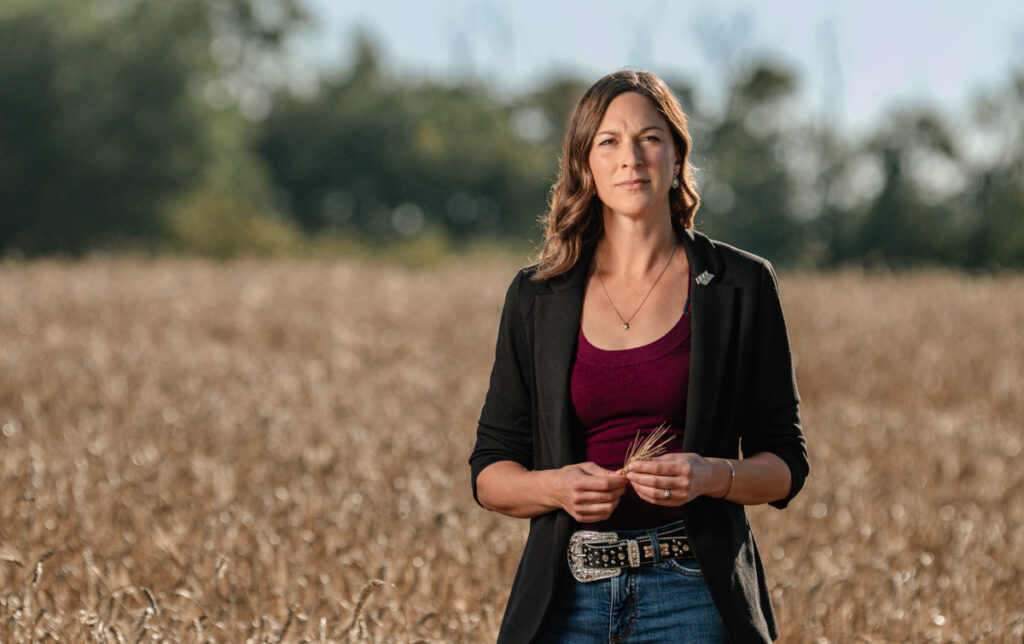
With Canada’s wheat research system facing major changes, CWRC Chair Jocelyn Velestuk says farmers must do more than fund breeding programs
Are Plant Genetics Only Half of Europe’s Soybean Story?
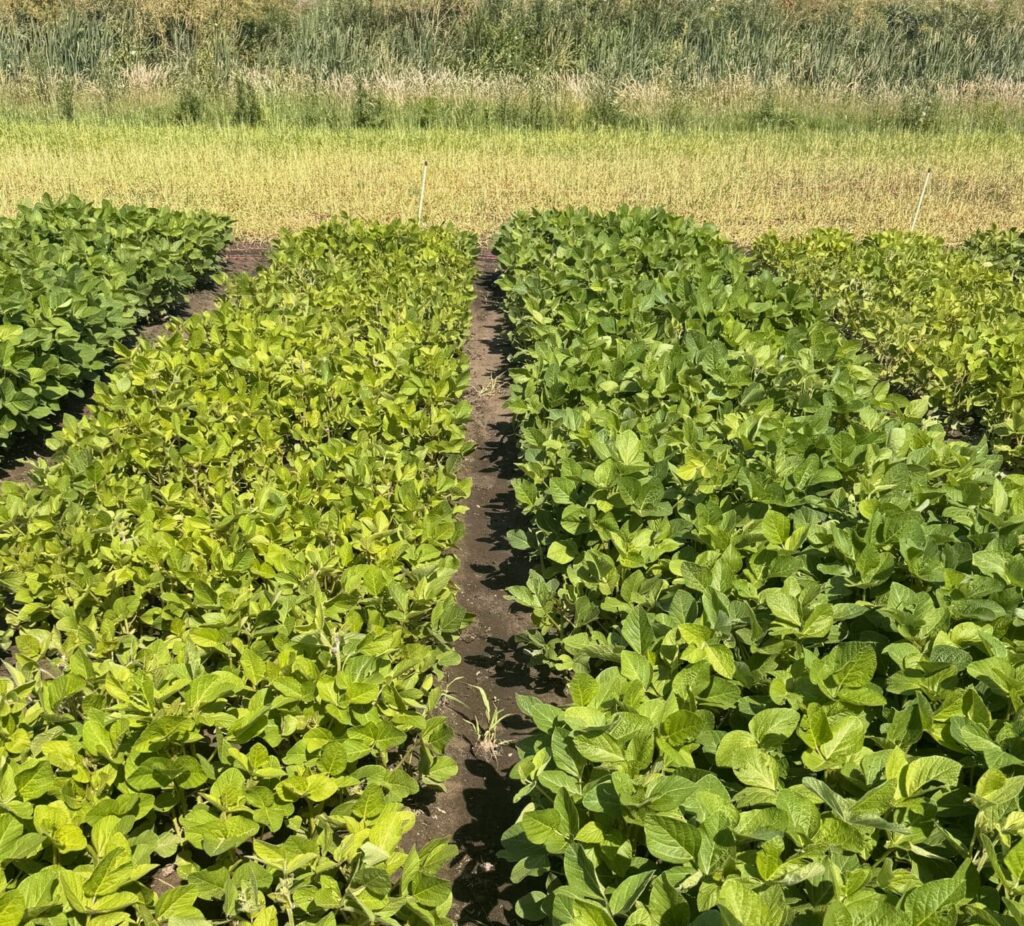
Europe’s soybean ambitions depend on more than plant genetics. Protealis CEO Benjamin Laga explains how soybean inoculant MagNfix is designed to support nodulation, nitrogen fixation and regional adaptation as production moves into new European growing areas.
Biologicals’ Hardest Test Comes After Discovery

A biological seed treatment can show strong trial results and still fail commercially if it cannot survive formulation, storage, transport and application. Frontera CEO Matti Tiainen explains why successful products must be built around seed treatment realities from the start.
Can Canada’s Seed Industry Afford to Tell Farmers the Truth?
Independent variety trials help farmers separate meaningful genetic improvements from marketing claims. As seed regulations evolve, who will pay to keep that information available?
Study: European Agricultural Competitiveness Falls Behind Rivals

A new study finds that European agricultural competitiveness is under pressure as crop production growth trails major global markets. The research highlights climate-related losses, regulatory barriers and slower access to seed technologies and agricultural innovations as challenges for European farmers.
USDA Awards $86.6M in Specialty Crop Block Grants
USDA has awarded $86.6 million through its Specialty Crop Block Grant Program to support 609 projects across 56 states and territories. The specialty crop block grants will fund research, improved seed varieties, pest and disease management, education and market development.
How One Wild Peanut Changed Breeding Around the World
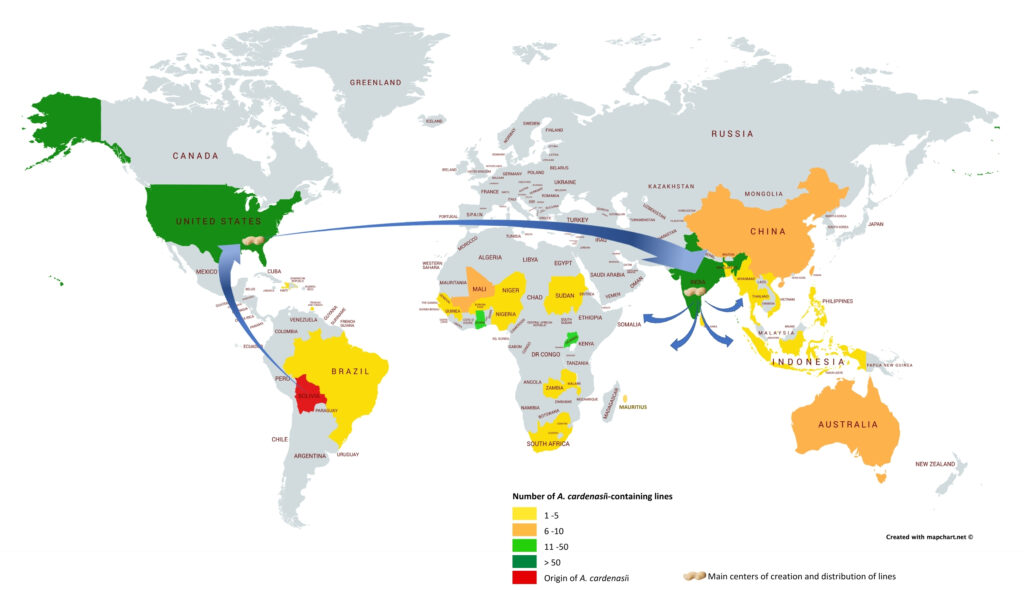
Wild peanut breeding has a remarkable global legacy. Researchers traced disease resistance from a single wild peanut collected in Bolivia in 1959 into 251 peanut lines and cultivars across 30 countries, revealing the enduring value of crop genetic diversity, pre-breeding and international seed exchange.
El Niño Seed Supply Risks: Is the Industry Prepared?
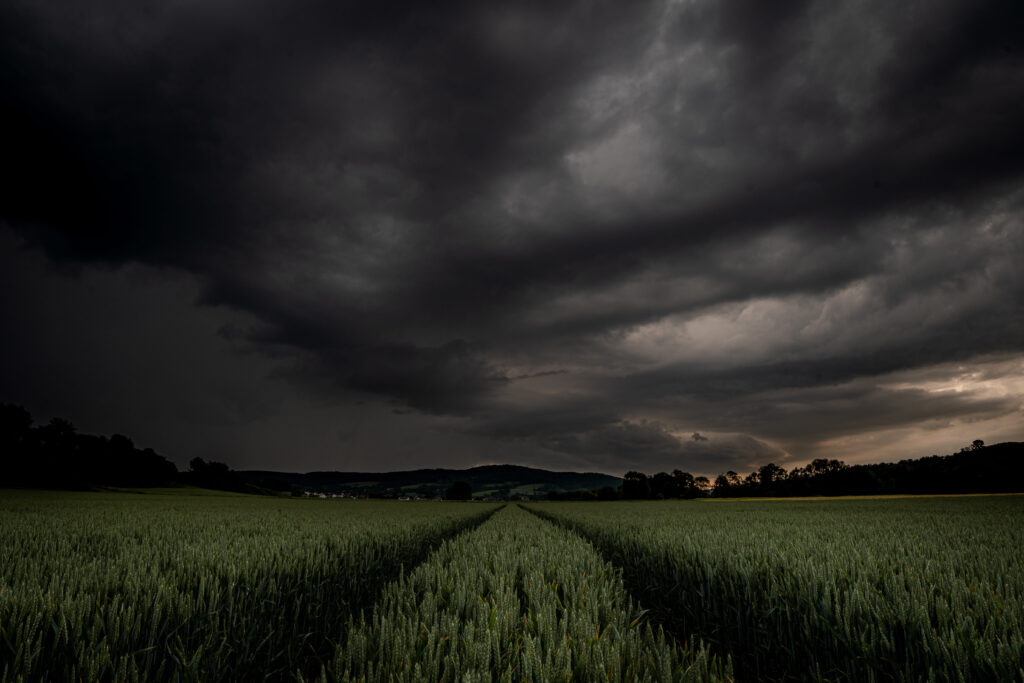
El Niño seed supply risks extend beyond field yields. As a strong climate signal develops, U.S. seed companies face potential challenges in production, seed quality, conditioning, storage and inventory planning. Understanding regional exposure and building flexibility could help protect the 2027 seed supply.
Think Bigger, Invest Smarter | On The Brink: Season 3, Episode 6
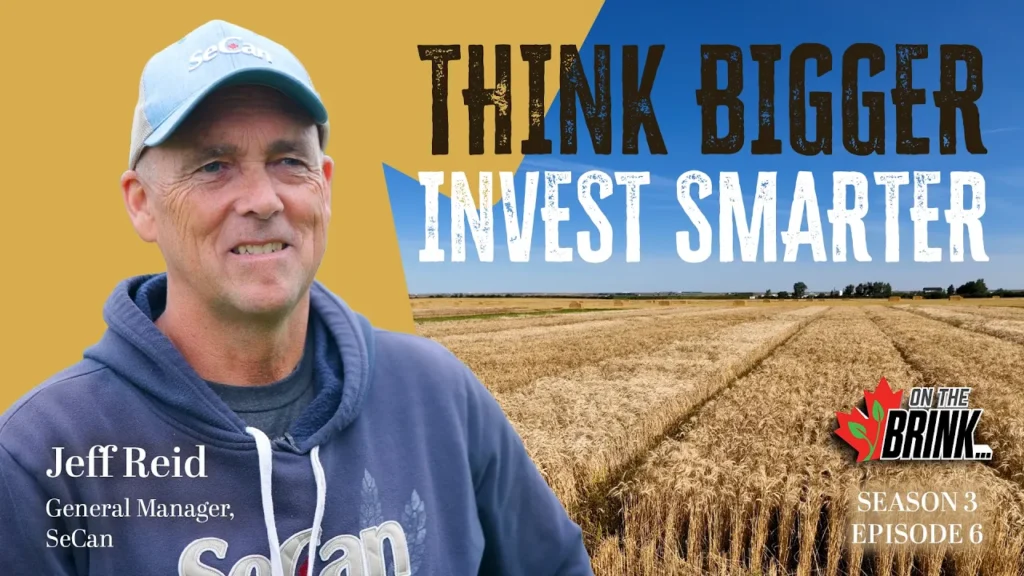
Independent plant breeders have plenty of skin in the Canadian plant breeding game. SeCan’s Jeff Reid explains how independent seed companies and farmers can invest smarter together in Canadian plant breeding to deliver better varieties.
USDA Launches Seed Sovereignty Initiative to Strengthen Crop Genetic Resources
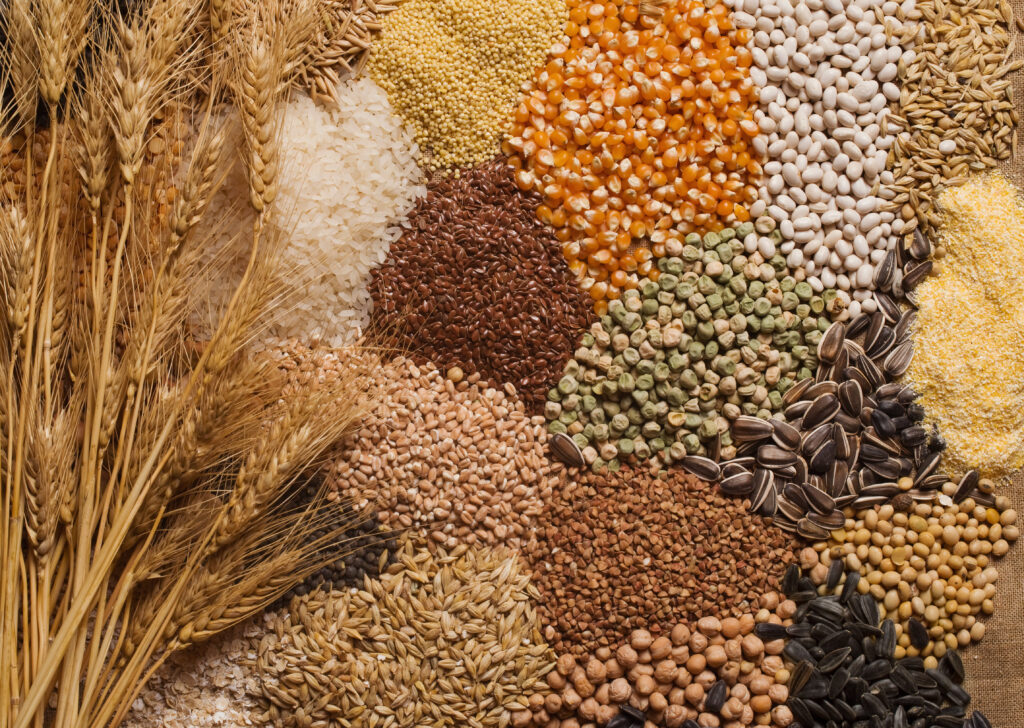
A $180 million investment will support sequencing of major crop collections, drawing support from the American Seed Trade Association. The U.S. Department of Agriculture has announced a $180 million investment […]
Protecting Crops from Growing Cybersecurity Threats
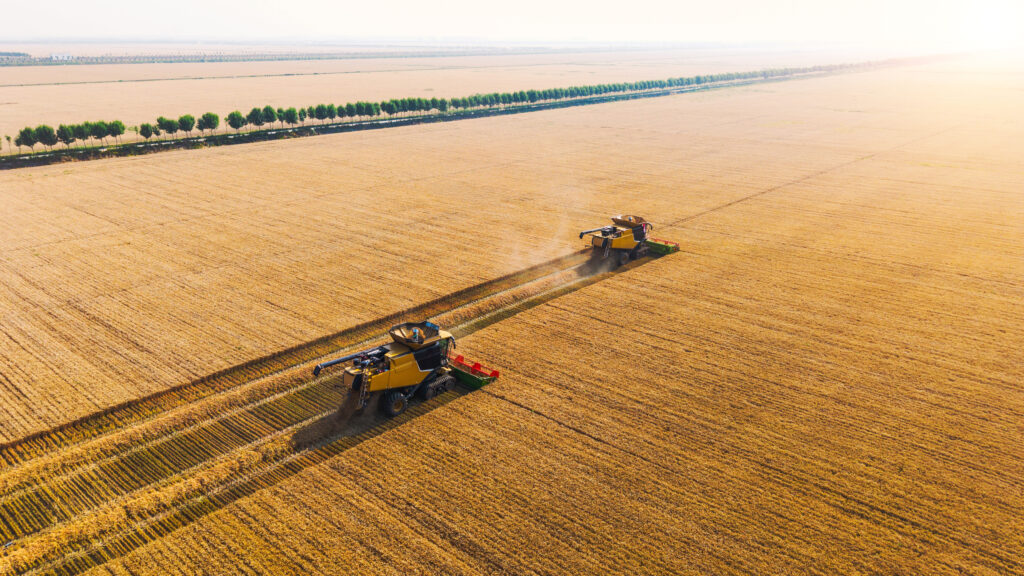
Researchers are calling for a national Agriculture Cybersecurity Consortium to help protect crops, farm equipment and digital systems from growing cyber threats. The proposed network would support research, testing and workforce training across U.S. agriculture.
A More Unstable World Will Demand More from Seed
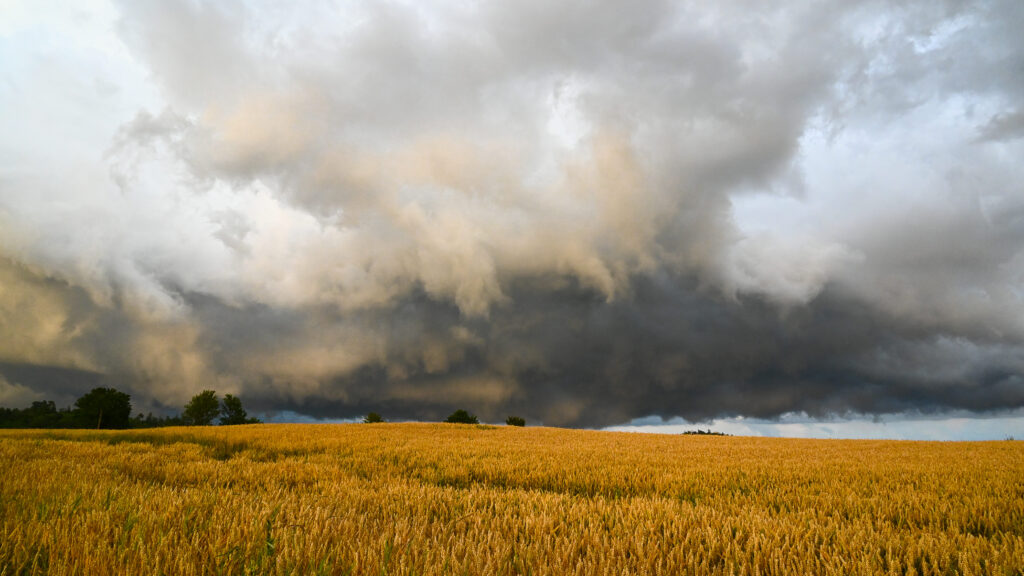
Geopolitical instability could raise food security concerns, disrupt agricultural trade and increase the value of seed genetics that improve productivity, resilience and efficiency. For the seed industry, the coming years may bring both risk and opportunity.
A Faster Seed System Still Needs Trusted Data

With combines winding down and regulatory changes approaching, the Manitoba Seed Growers’ Association is preparing for decisions that could reshape the seed industry
A New Phoma Threat Raises the Stakes for Oilseed Rape Breeders
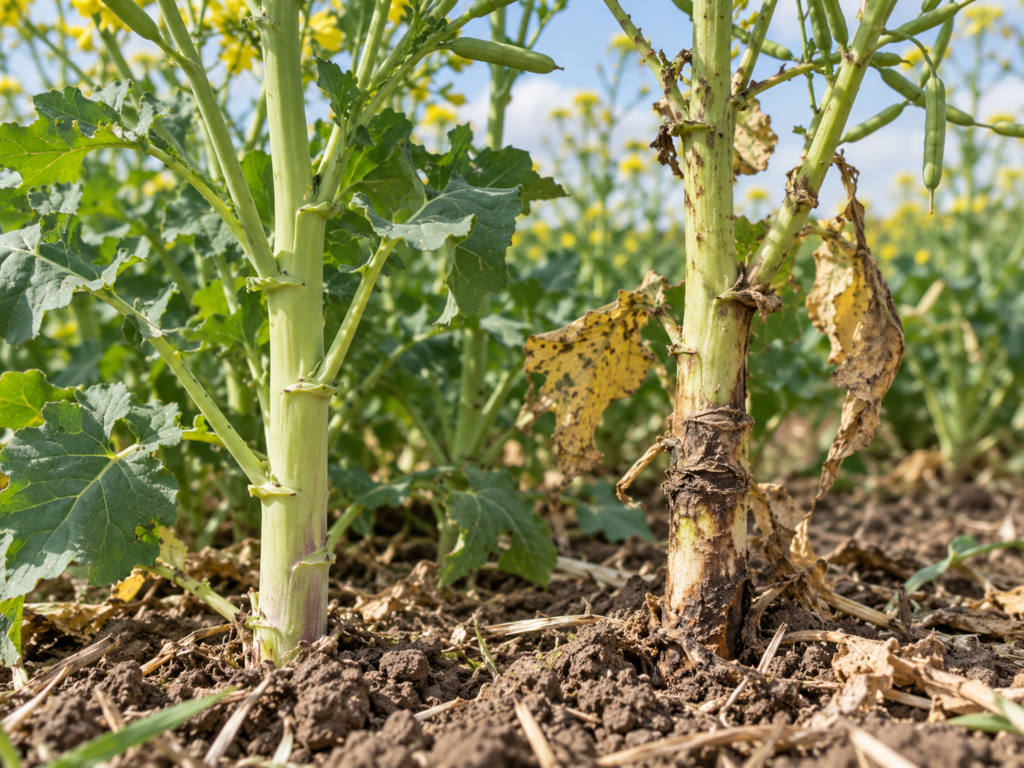
With 95% of UK P. biglobosus isolates resistant to two SDHI fungicides in laboratory tests, the discovery puts renewed focus on genetics, surveillance and fungicide stewardship working together to protect oilseed rape yields.
Scientists have confirmed the world’s first cases of resistance to SDHI fungicides in Plenodomus biglobosus, one of two fungal pathogens responsible for Phoma stem canker in oilseed rape.
The discovery raises concerns about future control of the disease, which can cause substantial yield losses. While the related pathogen Plenodomus lingam has historically attracted more attention, P. biglobosus has become increasingly important in UK and European crops.
Resistance Widespread in UK Samples
In a study published in Pest Management Science, Rothamsted Research scientists screened P. biglobosus populations collected from the UK and Poland. They found that 95% of UK isolates were resistant to the SDHI (succinate dehydrogenase inhibitor) fungicides boscalid and fluxapyroxad, compared with 6% of Polish isolates.
Some UK isolates showed up to a 500-fold reduction in sensitivity under laboratory conditions. Resistance was linked to mutations in genes encoding the fungal succinate dehydrogenase enzyme, which SDHI fungicides target, according to a press release.
The researchers found little evidence that these mutations reduced the pathogen’s fitness, suggesting resistant strains could persist in field populations.
“The scale of resistance we detected in UK populations was striking,” said Dr Kevin King, who led the research at Rothamsted. “This is the first confirmed report of SDHI resistance in P. biglobosus anywhere in the world. Further research is now needed to determine what impact this may have on phoma disease control under field conditions.”
Monitoring Emerging Threats
The findings follow recent Rothamsted reports of reduced sensitivity to azole fungicides in European populations of both Phoma stem canker pathogens. Together, the studies highlight the importance of resistance monitoring and integrated disease management.
“This work highlights the importance of ongoing surveillance,” said Professor Jon West, co-author of the study. “SDHI-resistant P. lingam has recently been detected in Australia but not yet in Europe. Monitoring both Phoma pathogens will provide early warning of emerging resistance threats and help protect the long-term effectiveness of fungicides.”
The Traits Sunflower Breeders Need May Already Be Growing in the Desert
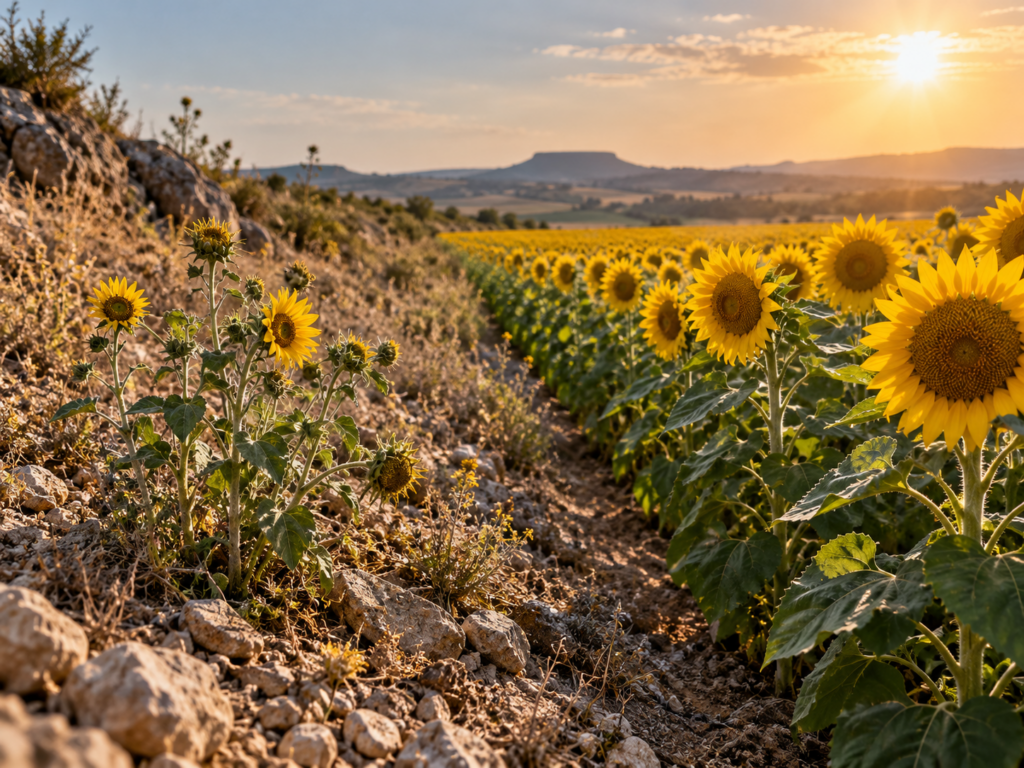
The HelEx project is crossing wild sunflower material from arid regions into European breeding lines to develop drought tolerant sunflower varieties. Researchers are also targeting pollinator appeal and higher protein content for future markets.
Arevo: Can a Thin Red Coat Change How a Crop Uses Nitrogen

Arginex seed treatment is designed to deliver nitrogen from germination in a form plants can use directly. Arevo CEO Niklas Åström explains what trials in corn and wheat reveal about yield, nitrogen efficiency and early root development.
Seed Coating Technologies: A Strategic Enabler of Innovation in a Rapidly Evolving Industry
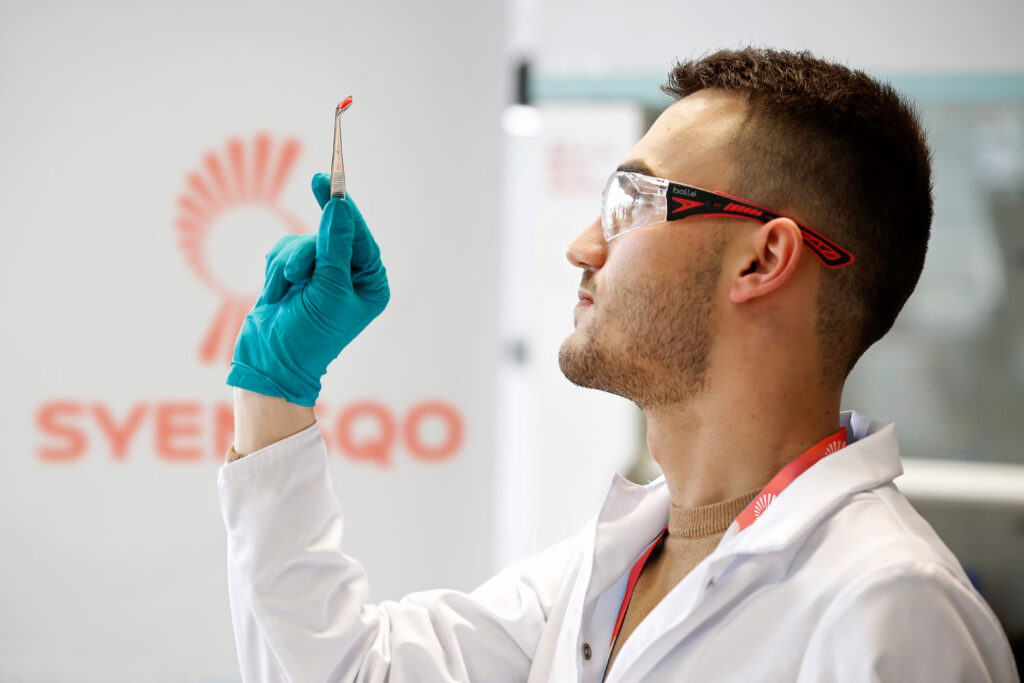
Seed coating technologies are evolving as regulatory requirements, sustainability goals and more complex treatments reshape the industry. Syensqo is developing microplastic-free coatings and formulation solutions designed to support biologicals, new active ingredients and the next generation of seed treatments.
Could AI Speed Up Pheromone Discovery for Emerging Crop Pests?
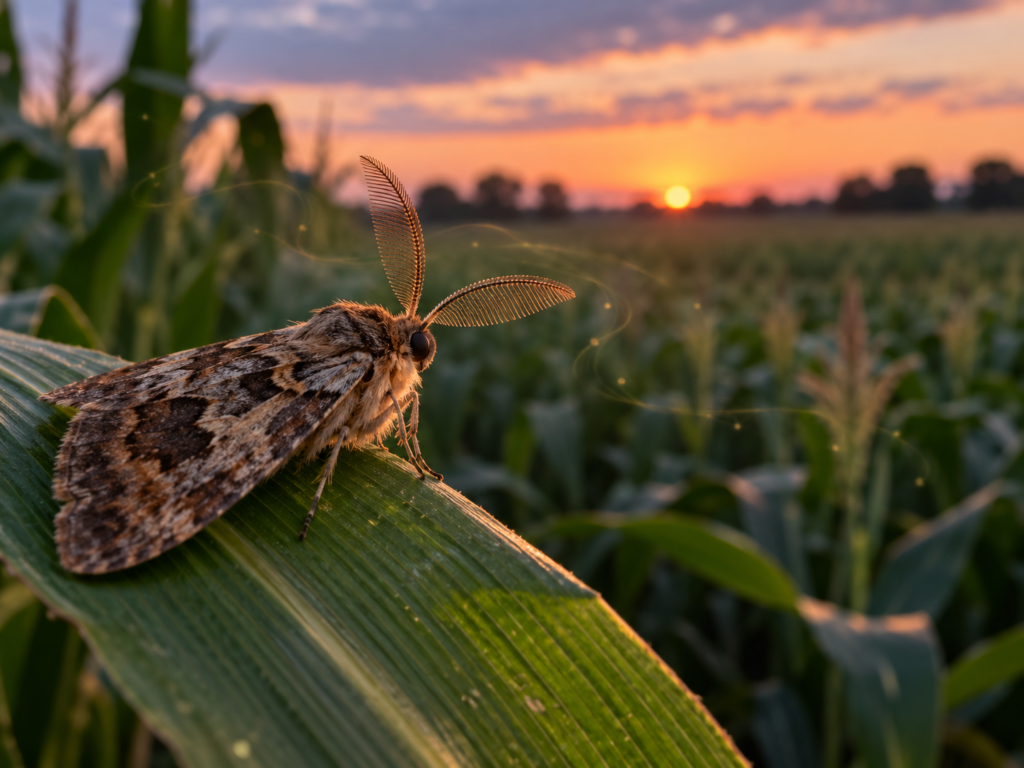
Researchers identified the lily moth sex pheromone by starting with insect scent receptors rather than the pheromone itself. The AI-supported approach could help speed pheromone discovery for emerging and invasive crop pests.
The Most Expensive Word in Farming is “Almost”
Canada invests heavily in plant breeding, seed certification and technology. But the real challenge may be turning that innovation into measurable value for farmers. We almost got that new variety […]
What CSGA’s New Executive Director Wants Farmers to Know

C.J. Noble outlines her vision for certified seed, regulatory modernization and the importance of demonstrating real economic value to farmers. Agriculture has been my professional home for decades and joining […]
Why Saskatchewan Seed Growers are Thinking Beyond Certified Seed

From defending research farms to tackling slow adoption, the Saskatchewan Seed Growers’ Association is making the case that seed growers are central to innovation
How to Track Your Seed from Field to Final Sale

Seed doesn’t move through a business in a straight line. On the journey to a customer, it gets inspected, cleaned, dried, tested and packaged, and by the time it’s ready […]
Great Wheat Traits Are Being Found. Why Aren’t More Reaching Breeders?
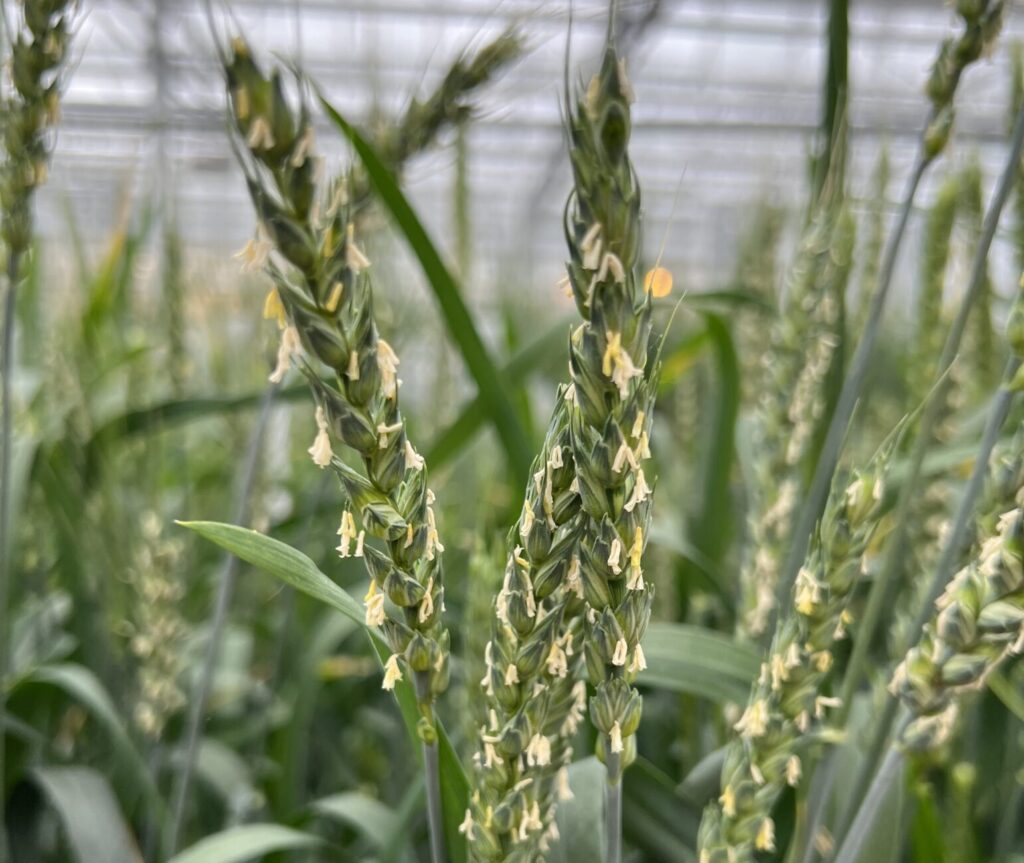
Niab will lead a three-year wheat pre-breeding project funded by BBSRC to move promising traits into elite European winter wheat backgrounds. The work will involve commercial breeders and international IWYP hubs across the UK, Europe, Mexico and the United States.
The Flavour Tomato Breeders Lost May Still Be Hiding in the Wild
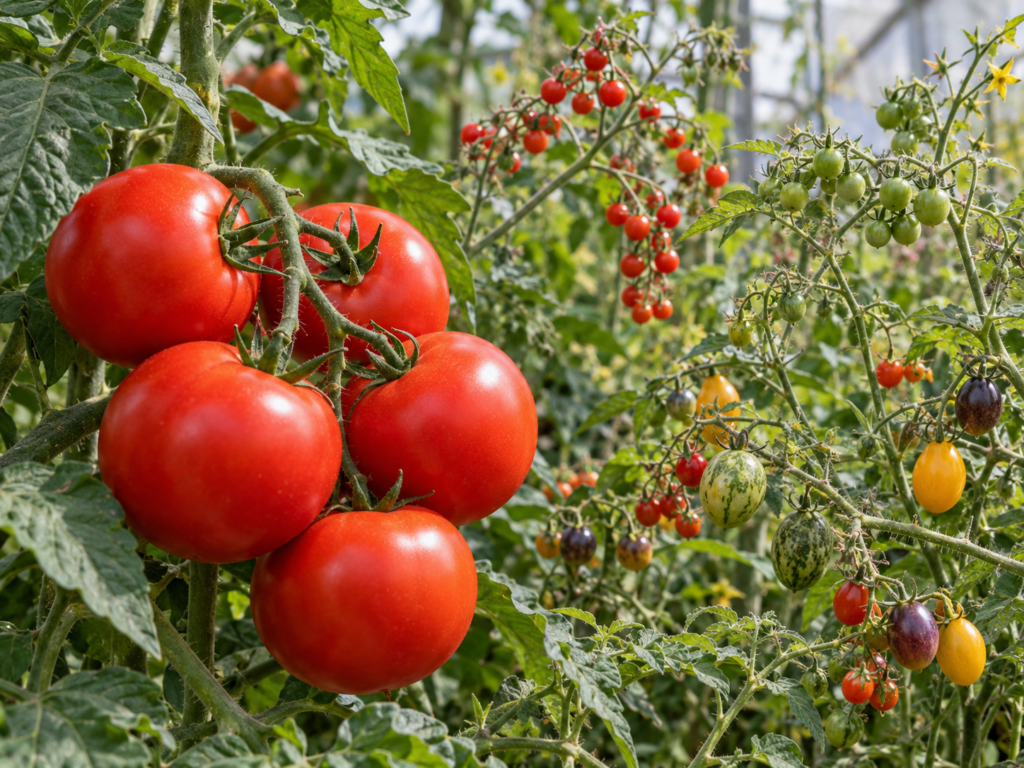
Research from the Boyce Thompson Institute shows how wild tomato relatives may help breeders recover flavour and nutritional traits without sacrificing yield, fruit size or shelf life. The study maps regulatory switches tied to tomato fruit quality.
What Genomic Prediction is Worth to Your Program

Genomic prediction pricing has turned into a rumor market. The figures you hear at breeding conferences, and will hear in Valencia at Euroseeds, span two orders of magnitude — and […]
Making a Case for End Point Royalties | On The Brink: Season 3, Episode 5
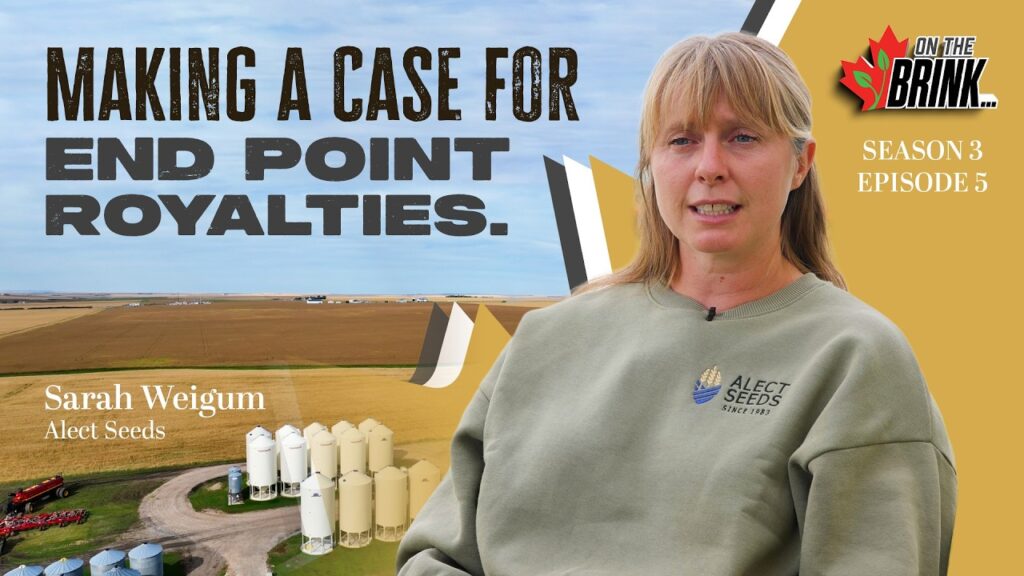
Could farmers’ variety choices help direct breeding investment? On The Brink explores the case for end point royalties, clearer costs and a return for public and private variety developers.
What Agricultural Innovation Looks Like Up Close
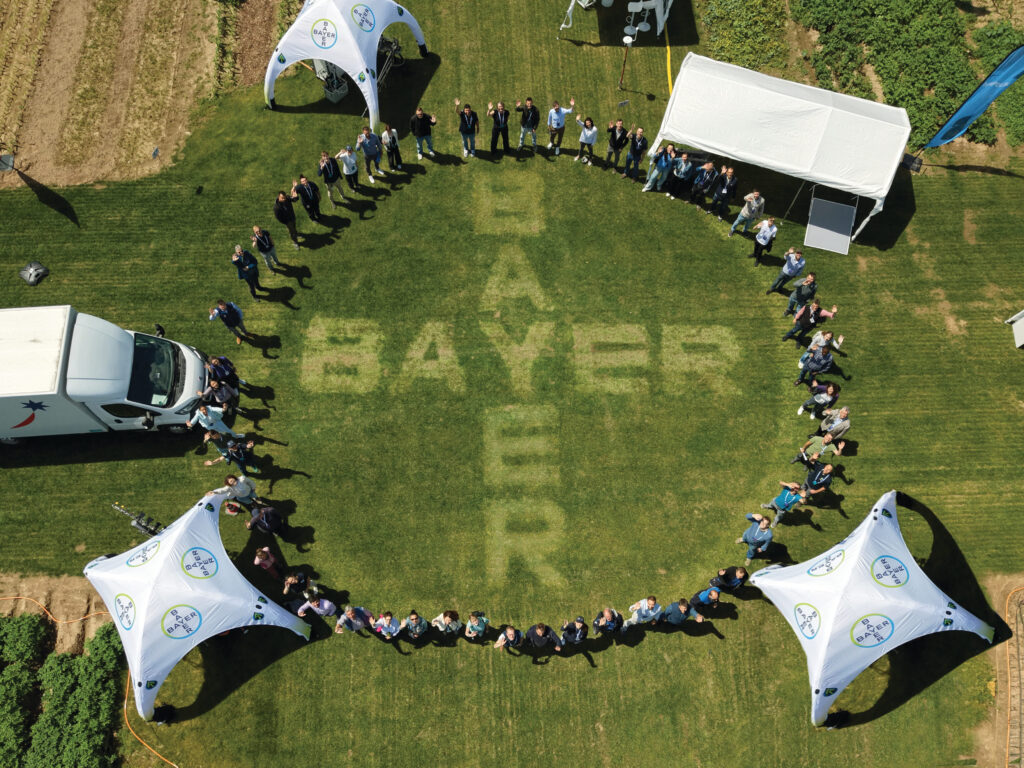
Agricultural innovation cannot eliminate uncertainty, but it can help farmers manage it. A visit to Bayer’s Crop Science headquarters in Monheim shows how advances in plant breeding, crop protection and biologicals are being developed with reliability in the field as the ultimate test.
Seed Sector 2045: Why Plant Breeding IP Matters for Europe’s Future
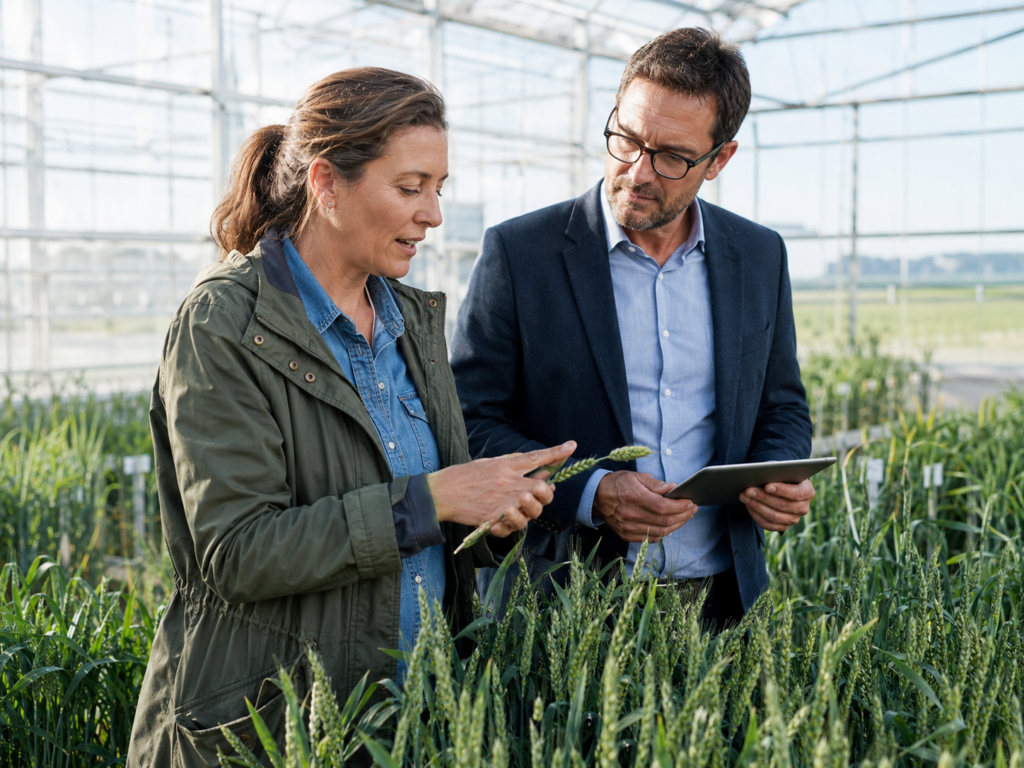
Plant breeding IP is becoming central to Europe’s seed innovation debate. This article explains how plant breeders’ rights, patents, licensing platforms and transparency tools can support both investment incentives and practical access to breeding material.
What If Half the Wheat Diversity in the Catalogue Was Not Really Different?
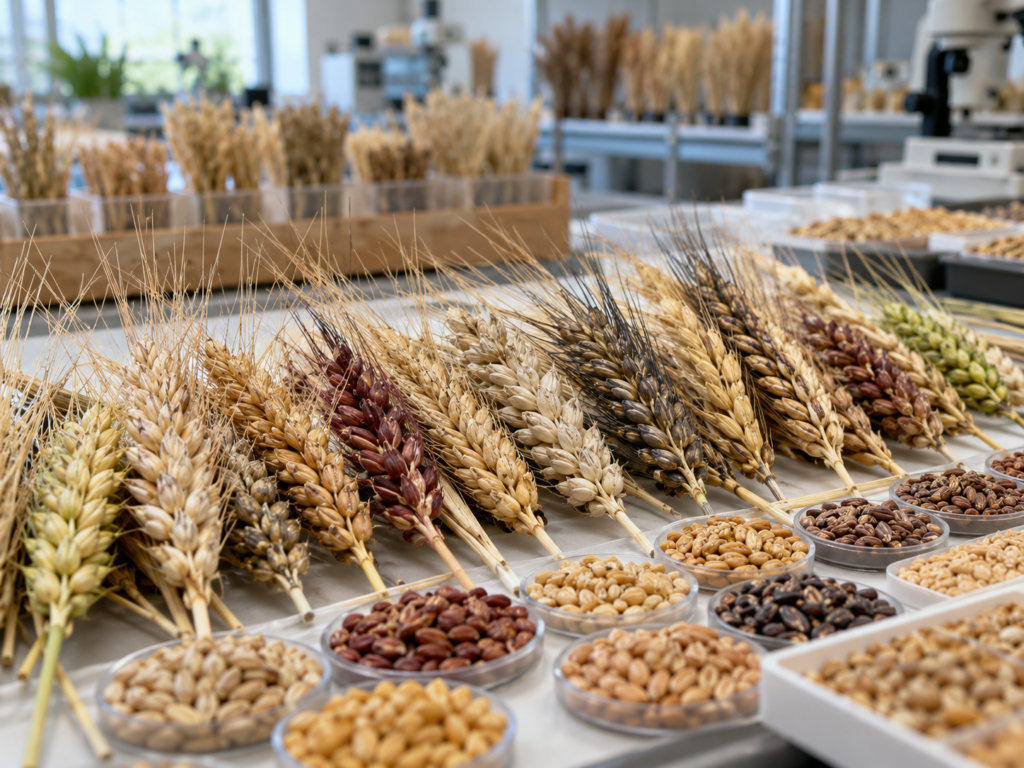
A University of Córdoba review found GLU-B1 diversity in wheat was overstated, with many recorded alleles duplicated or triplicated. The team has built a verified germplasm collection to help breeders study gluten quality and end-use traits.
USDA Invests $180 Million in National Plant Germplasm System
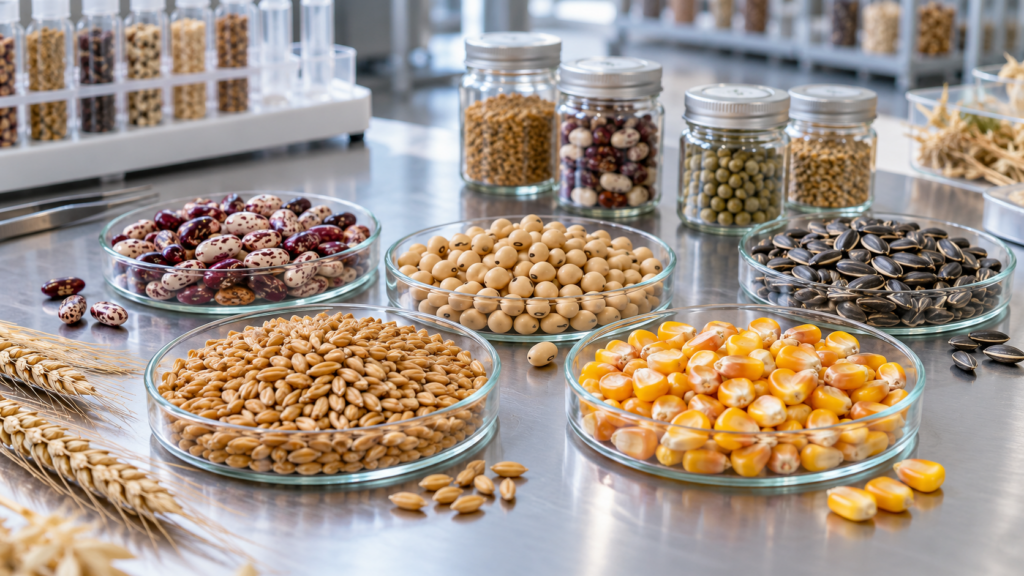
The National Plant Germplasm System will receive $180 million from USDA to strengthen seed banks, safeguard plant genetic resources and support crop breeding, research and future variety development.
Seed Innovators Need a Clear Path to Market
Seed innovators need more than scientific validation to attract capital. Paola de Almeida says credible commercialization depends on understanding the customer, matching financing to development milestones, and proving how a technology becomes a business.
Wheat Geneticist Jorge Dubcovsky Named 2026 World Agriculture Prize Laureate
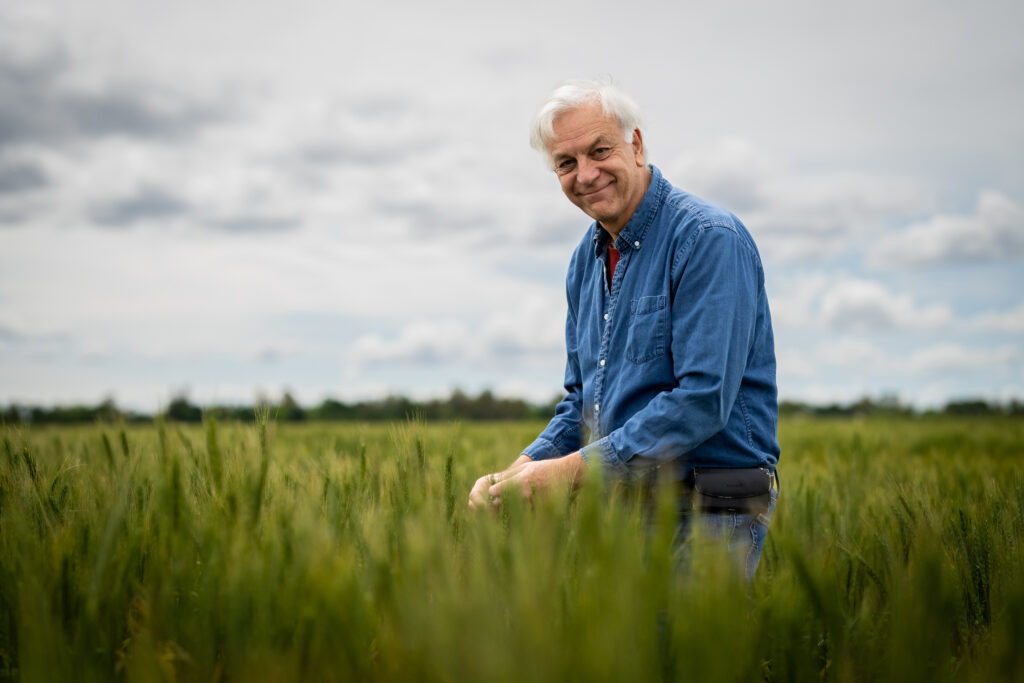
Jorge Dubcovsky, a wheat geneticist at UC Davis, has been named the 2026 World Agriculture Prize Laureate for his contributions to wheat improvement, disease resistance, yield and global food security.
Give Your Team an Hour to Grow

Webinars offer seed businesses a practical way to support professional development when travel and conference costs are high. Giving employees an hour to learn can spark new ideas, better processes and shared team growth.
The Corteva-Inari Case Is Settled… But the Bigger Questions Aren’t.

The Corteva-Inari settlement leaves larger questions unresolved about how seed innovation should balance intellectual property protection, access to biological material, licensing and freedom to operate in an era of faster gene-editing tools.
Vylor Is Open for Business: What Changes for Europe’s Seed Sector

Vylor seed genetics enters Europe with established brands, breeding programs and global R&D scale. Its leadership sees future growth coming from gene editing, new crops and a larger role as a genetics, technology and licensing partner for other seed companies.
Euroseeds Urges Focus on Variety Performance in Organic Breeding Rules
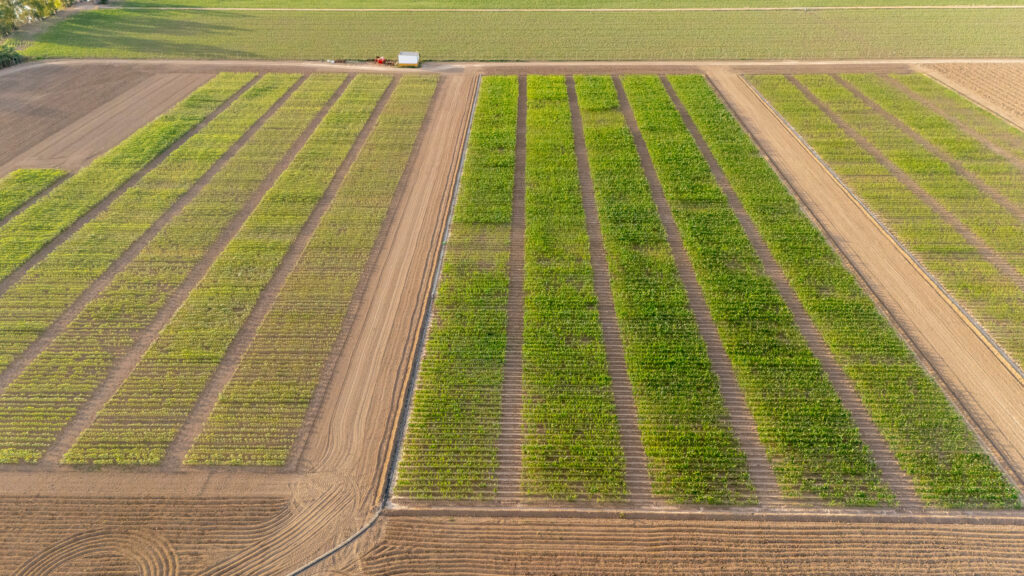
Euroseeds is urging EU policymakers to keep organic breeding rules focused on variety performance, warning that additional breeding-process requirements could raise costs, reduce genetic access and limit farmers’ variety choice.