
Embrapa Outlines Measures for Crop Climate Risks
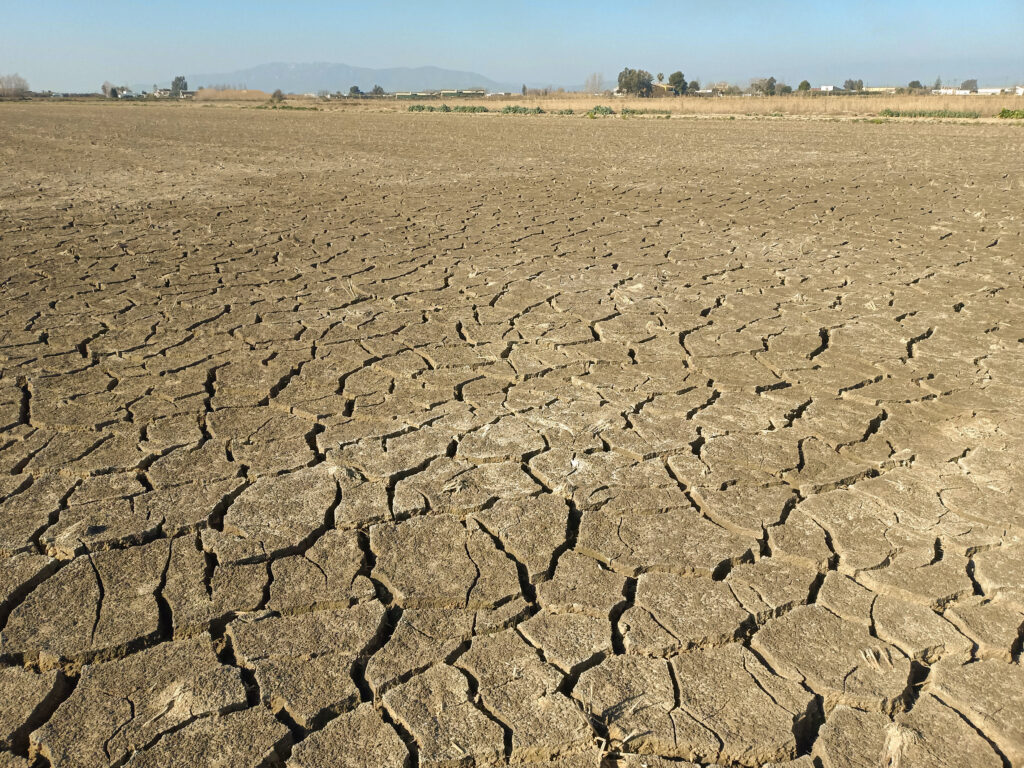
Embrapa has outlined 163 measures to help Brazilian crop producers manage climate risks including drought, excessive rainfall, heat, storms, frost and fire. The recommendations were developed in response to El Niño conditions expected during the 2026-27 growing season.
Seed Sector 2045: The Future Seed Sector May Be More Layered Than Larger

The seed sector of 2045 may be shaped less by size alone and more by layered innovation networks. Consolidation, specialist breeders, start-ups, public-private partnerships, IP frameworks and technology platforms could all influence how new varieties reach farmers.
What Got Us Here Won’t Get Us There | On The Brink: Season 3, Episode 2

Wheat Pete (Peter Johnson) explores the potential of wheat breeding, the lessons growers can learn through Great Lakes YEN, and why Canadian agriculture moves forward when we’re willing to try new things.
AI in Agriculture Brief Highlights Crop Production
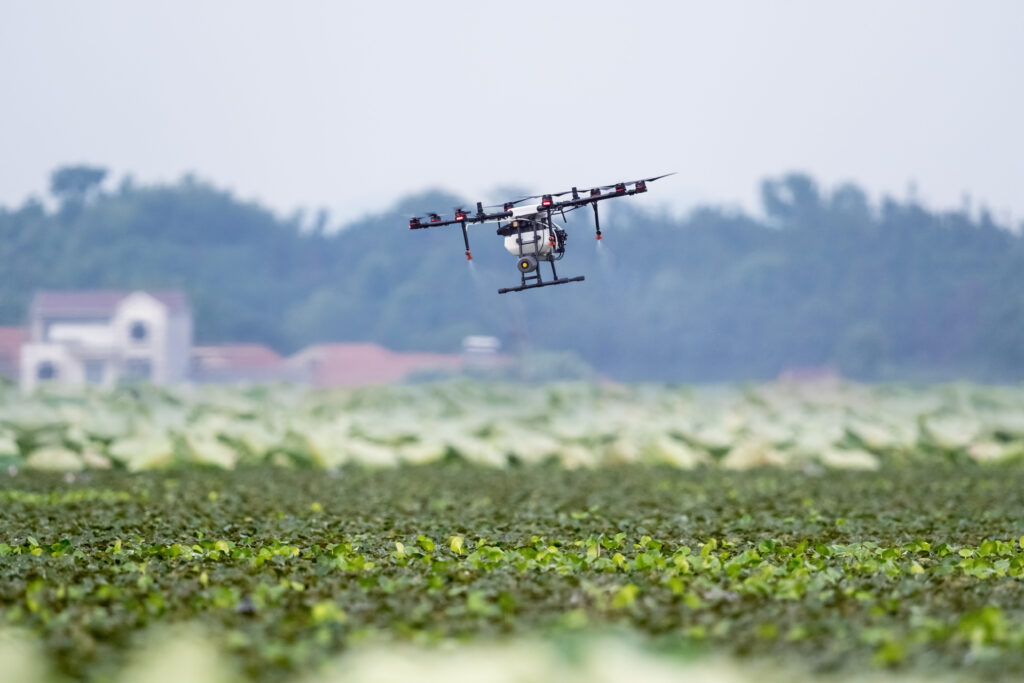
AI in agriculture is moving from research into commercial crop production, according to a new CAST policy brief. The report highlights applications in seed selection, autonomous weed control and precision agriculture while calling for stronger federal support for infrastructure, research and workforce development.
Embrapa presenta 163 medidas ante riesgos climáticos
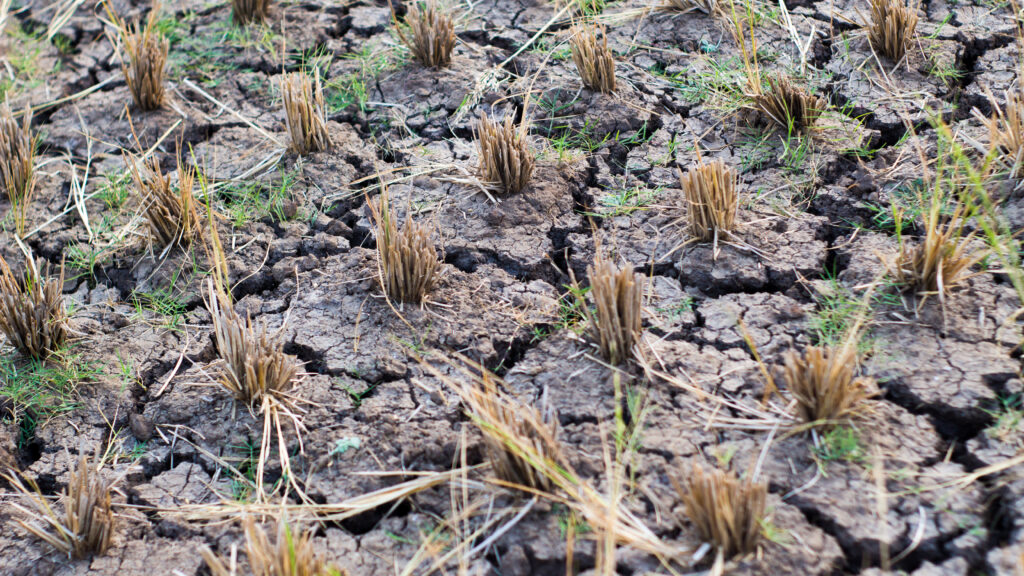
Embrapa presentó una nota técnica con 163 medidas para reducir pérdidas agrícolas vinculadas a riesgos climáticos en Brasil. Las recomendaciones abordan sequía, lluvias excesivas, calor, tormentas, heladas e incendios durante la temporada de El Niño 2026-27.
18% More Maize, 27% Less Nitrogen Loss?
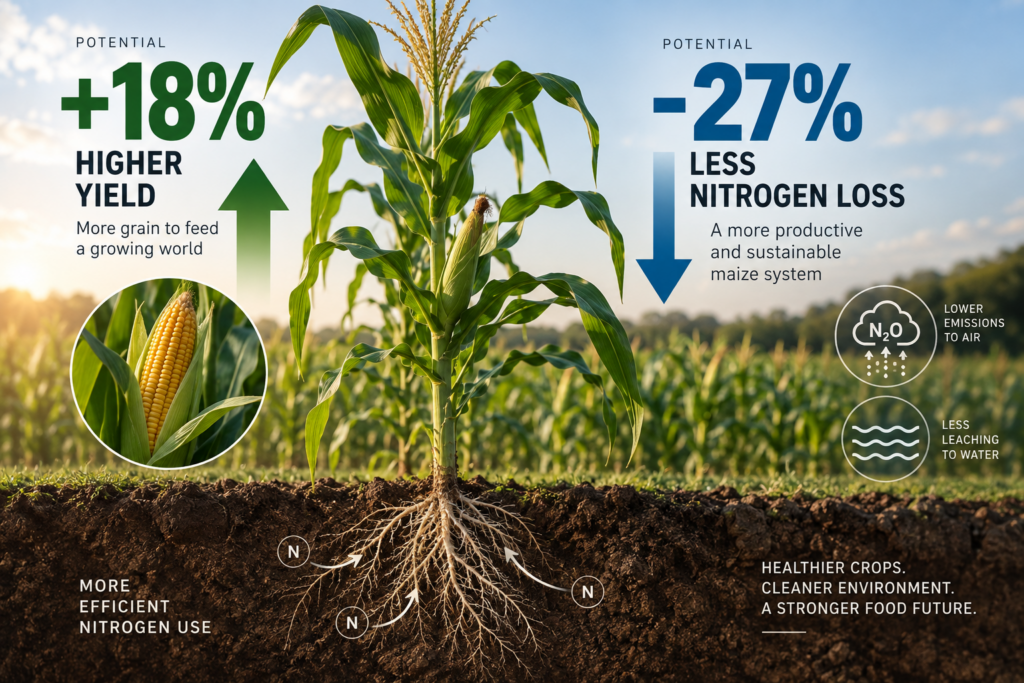
G&E maize varieties could help increase global maize production while reducing reactive nitrogen losses, according to new research. The study maps priority genomic regions and highlights the need to combine yield, stress tolerance and nutrient efficiency traits at scale.
Construidos sobre la confianza, listos para crecer
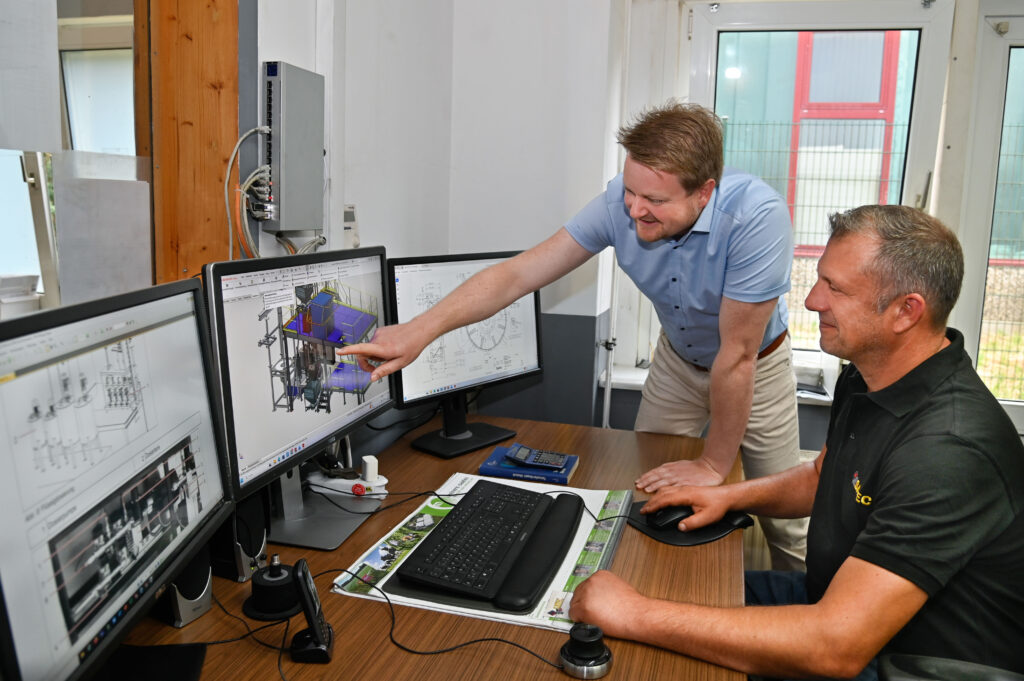
Hace más de una década, el ingeniero mecánico conoció al fundador de SATEC, Jens Hacklaender, a través de un grupo de cuernos de caza compartido en Alemania. Con el paso de los años, las conversaciones informales sobre el negocio evolucionaron hasta convertirse en algo mucho más grande.
CRISPR-Combo Speeds Gene-Edited Crop Regeneration
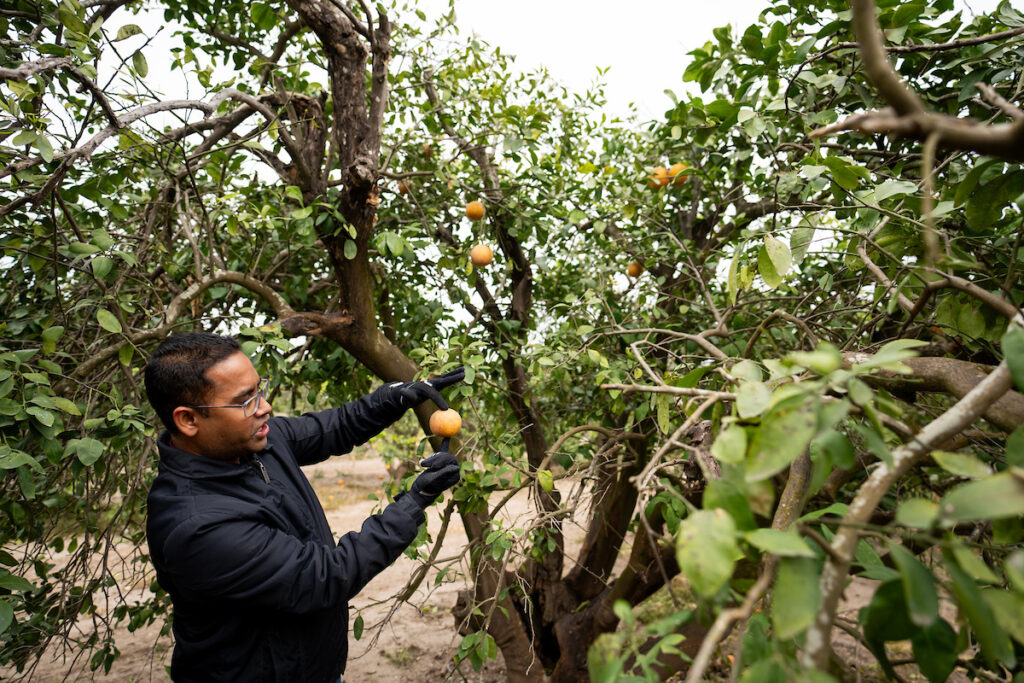
CRISPR-Combo could help researchers overcome a major bottleneck in developing gene-edited crops. The system improved plant regeneration in potato, citrus, strawberry and poplar by activating plants’ own morphogenic genes.
7 Simple On-Farm Tests for Measuring Soil Health

From shovel tests and earthworm counts to aggregate stability and Brix readings, these practical assessments reveal whether regenerative management is working
Soybean Cultivars to Be Tested Across the Americas

Soybean cultivars will be evaluated through RRECSO-Americas, a regional network involving Argentina, Uruguay, Paraguay, Colombia and Peru. The project will test maturity groups in more than 180 environments to support producers, seed companies and crop advisers.
One Tomato. Two Eggs’ Worth of Vitamin D?

Sunshine tomato, a precision-bred crop enriched with pro-vitamin D3, has passed a key regulatory milestone in England. Researchers say the biofortified tomato could support public health while moving closer to commercial sale.
Ukraine’s New GMO Law: What It Means for the Seed Sector and EU Integration
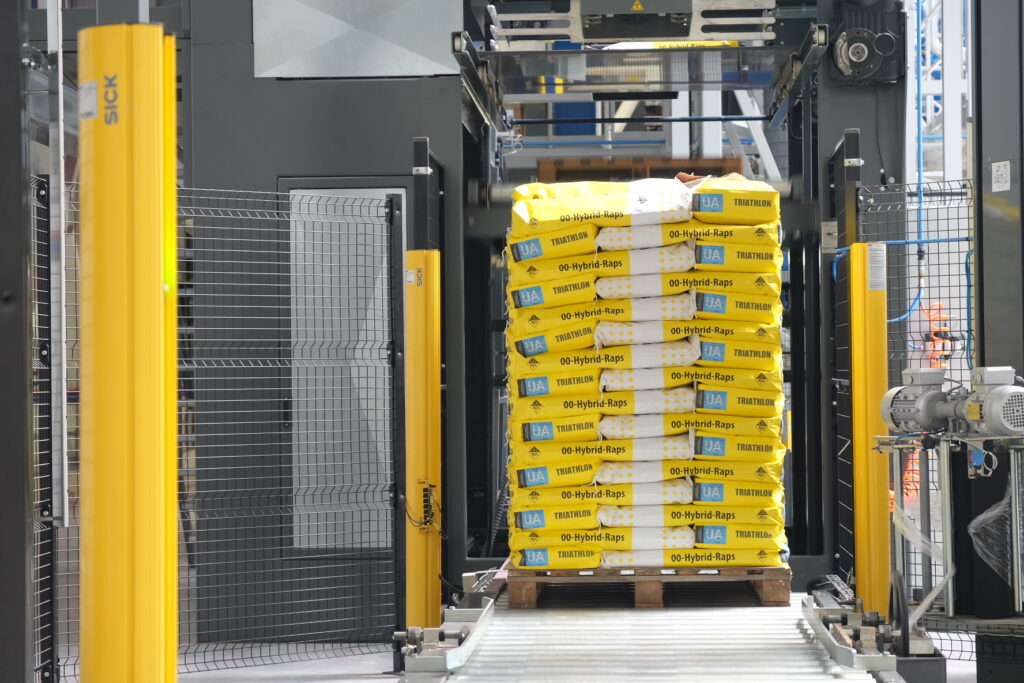
Ukraine GMO law will introduce a broader framework for genetic engineering, GMO registration, labelling, traceability and enforcement. For the seed sector, the reset raises practical questions about implementation, crop restrictions and future alignment with EU rules.
Kentucky Rye Could Create New Markets for Farmers
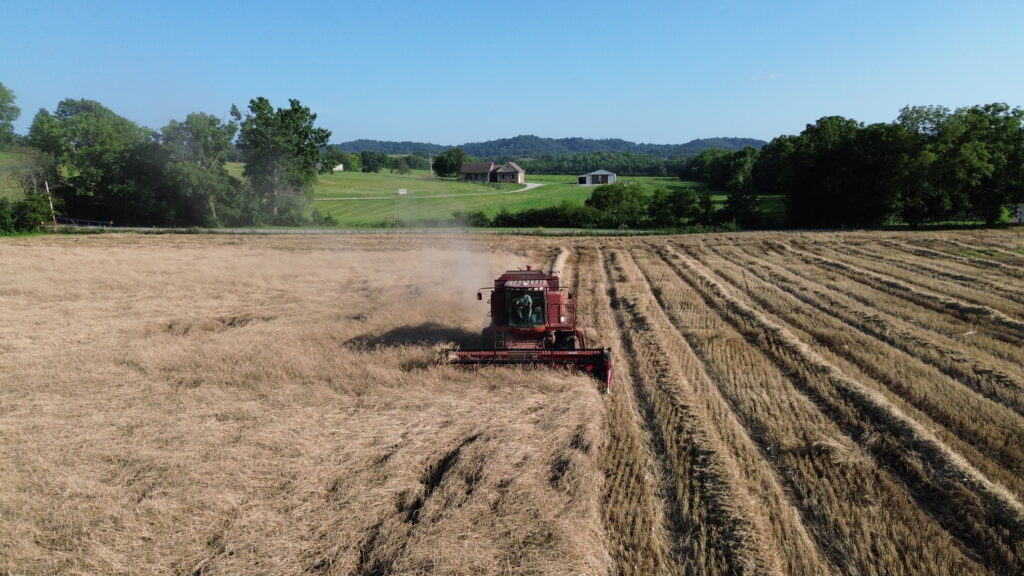
Kentucky rye research could help farmers turn a cover crop into a cash crop. University of Kentucky researchers are developing open-pollinated winter rye varieties adapted to local growing conditions and potential seed, grain, baking, brewing and distilling markets.
Red regional de soja evaluará variedades en América
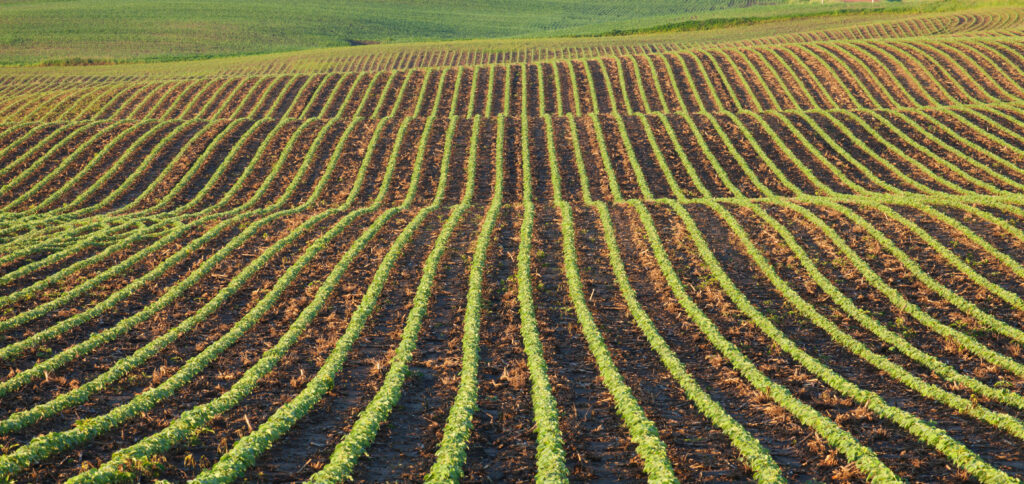
La red regional de soja RRECSO-Américas evaluará variedades en más de 180 ambientes de Argentina, Uruguay, Paraguay, Colombia y Perú. El proyecto busca generar datos comparables para productores, empresas de semillas y asesores agrícolas.
Breeders Who Embrace the Future Will Have the Edge

Genomic prediction, machine learning and artificial intelligence are reshaping plant breeding. To stay competitive, breeders need to understand data, improve traceability, collaborate across disciplines and get comfortable making decisions with calculated uncertainty.
Los mejoradores que abracen el futuro tendrán la ventaja
La predicción genómica, el aprendizaje automático y la inteligencia artificial están transformando el mejoramiento vegetal. Para mantenerse competitivos, los mejoradores deben comprender los datos, fortalecer la trazabilidad, colaborar entre disciplinas y tomar decisiones con incertidumbre calculada.
The Farm Gate is Sending Canada’s Seed Sector a Message

Todd Hyra, Mark Keating and Greg Stamp discuss changing customer demands and what they mean for plant breeding, seed retailers and Canadian varieties. Register now
Alfalfa Builds Soil Carbon in Semiarid Argentina
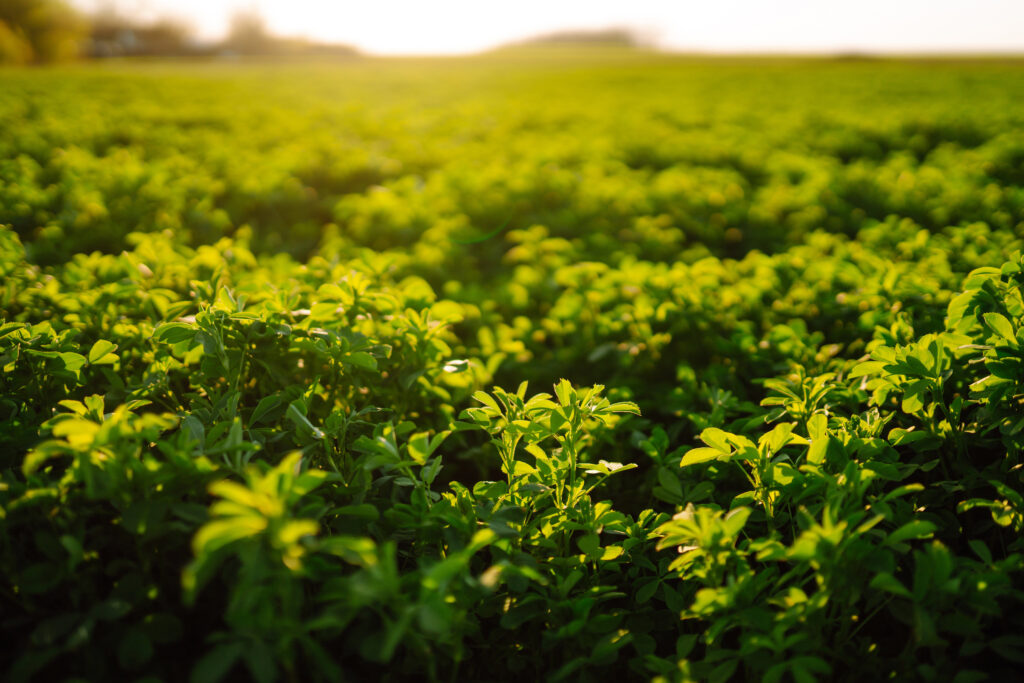
Alfalfa could help build soil carbon reserves in Argentina’s semiarid cropping systems. INTA research found that systems incorporating the perennial crop accumulated 25% more soil organic carbon than continuous cropping systems.
The Slowest Part of Plant Breeding May No Longer Be Biology

The countries that lead plant breeding will be those that connect data, people and investment quickly enough to respond to changing farm conditions
Alfalfa aumenta carbono del suelo en sistemas semiáridos
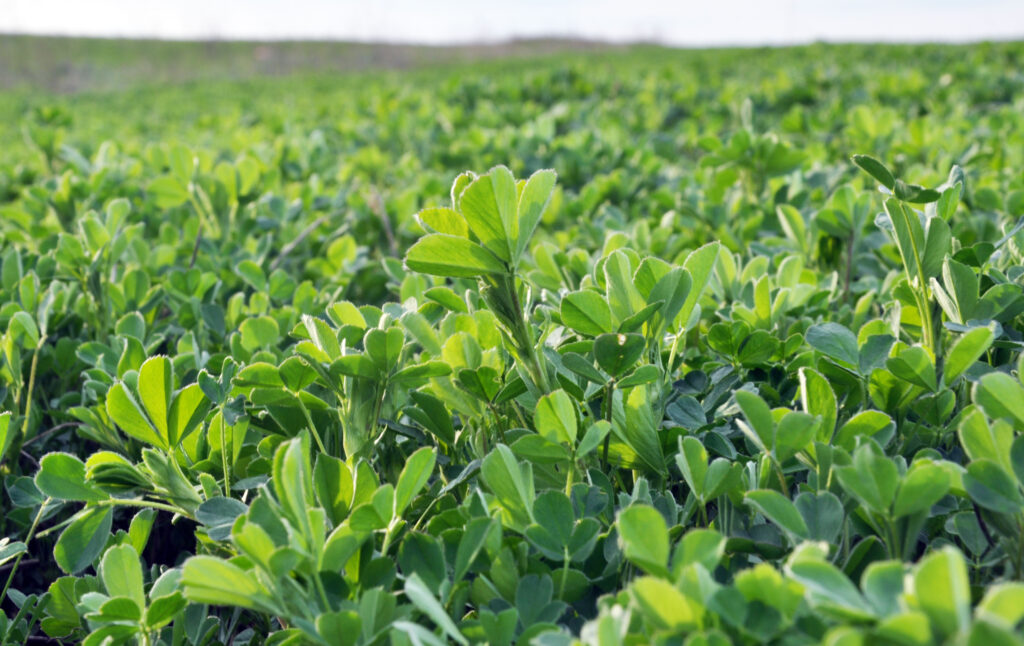
La alfalfa podría ayudar a mejorar el almacenamiento de carbono en suelos semiáridos de Argentina. Investigaciones del INTA San Luis revelaron que los sistemas con este cultivo perenne acumulan un 25 % más de carbono orgánico que la agricultura continua.
Corn Genetic Diversity Warning Issued by Researchers
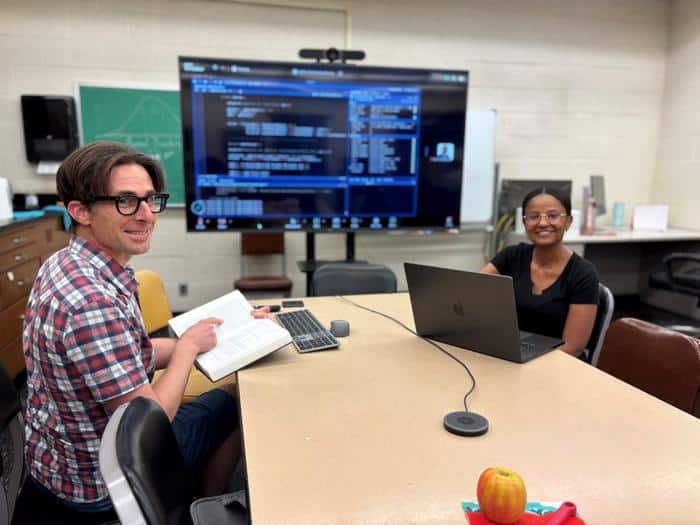
A new study warns that corn genetic diversity is critically low for grain yield in intermediate-maturity stiff-stalk lines. Researchers say the finding could limit breeders’ ability to develop high-yielding hybrids for changing growing conditions.
How Drought is Changing Canola’s Battle With Verticillium Stripe
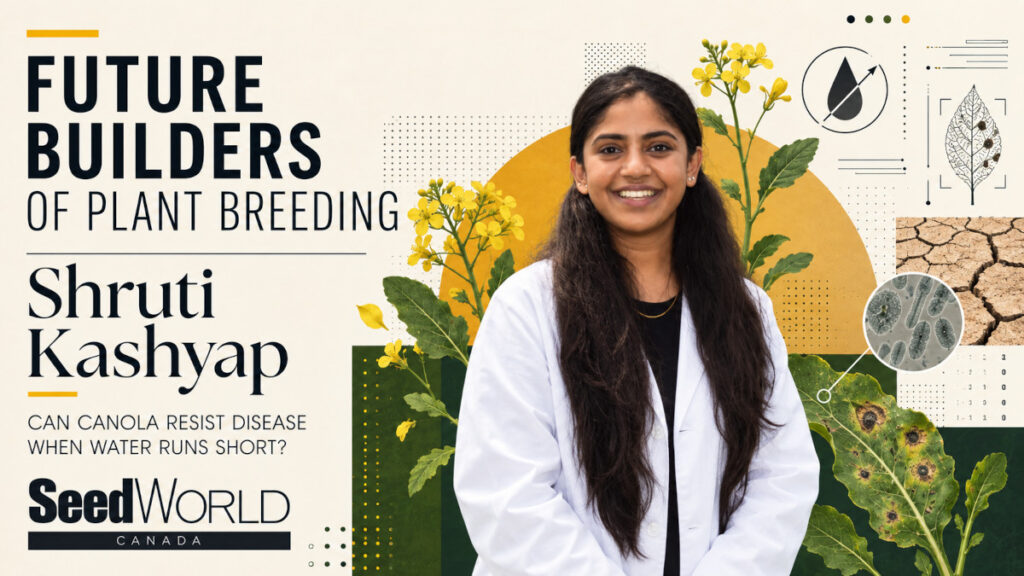
University of Manitoba researcher Shruti Kashyap is uncovering how water stress influences disease resistance — and what it could mean for future canola varieties. Meet the third in our 7 […]
AgRI 2040 Sets EU Agri-Food Innovation Priorities

AgRI 2040 and Food 2040 will guide EU-funded research, innovation and market deployment across agriculture, forestry, rural areas and food systems, with Euroseeds calling for sustained investment in plant breeding and seed innovation.
Millet Adoption Expanded Bronze Age Farmland
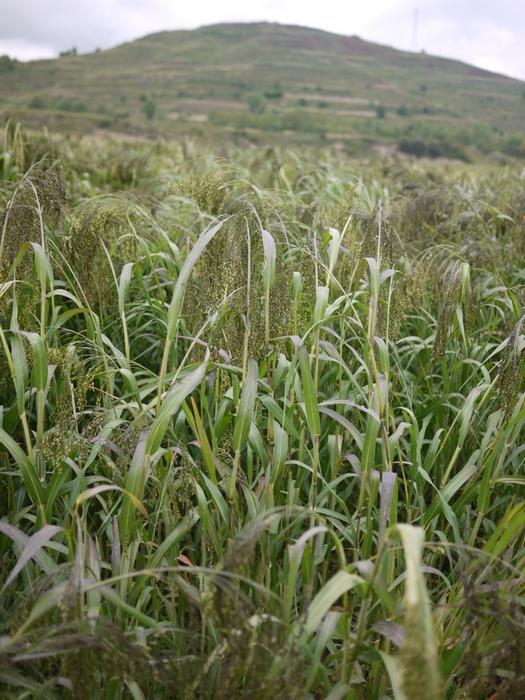
New research led by Vilnius University found that millet adoption helped Bronze Age communities in Central Europe expand farming onto drier, poorer soils. The findings suggest the crop spread locally rather than through large-scale migration.
Designed To Thrive | Welcome To On The Brink: Season 3
Canadian plant breeding is at a tipping point. Shawn Brook says it is time to move from possibility to action. Season 3 asks what helps it thrive.
A Big Lesson from NAPB ’26: Technology Isn’t Enough
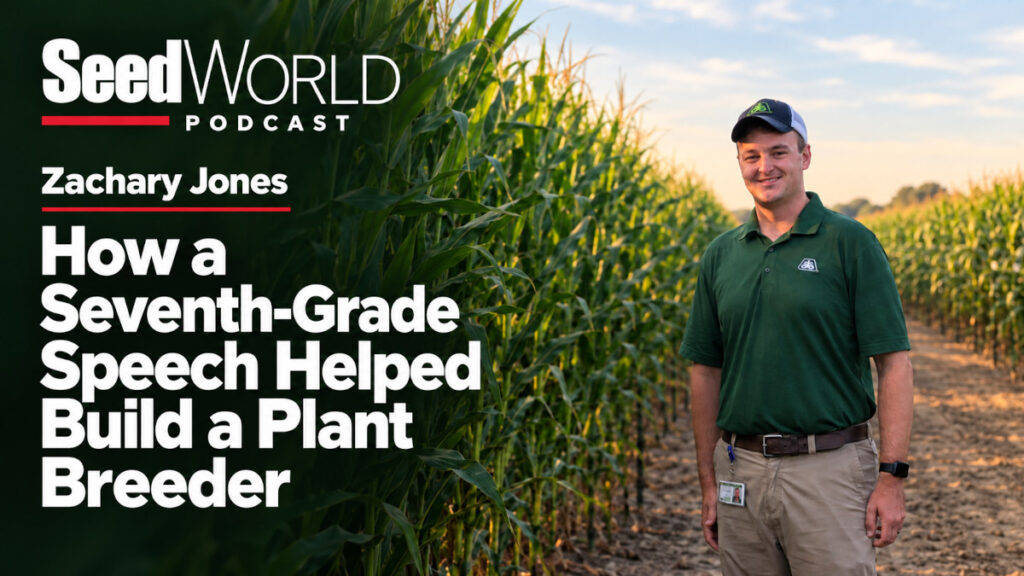
Corn breeder Zachary Jones explains why communication, confidence and a commitment to rural communities still matter in the age of AI
Salt Stress Germination System Identified in Seeds
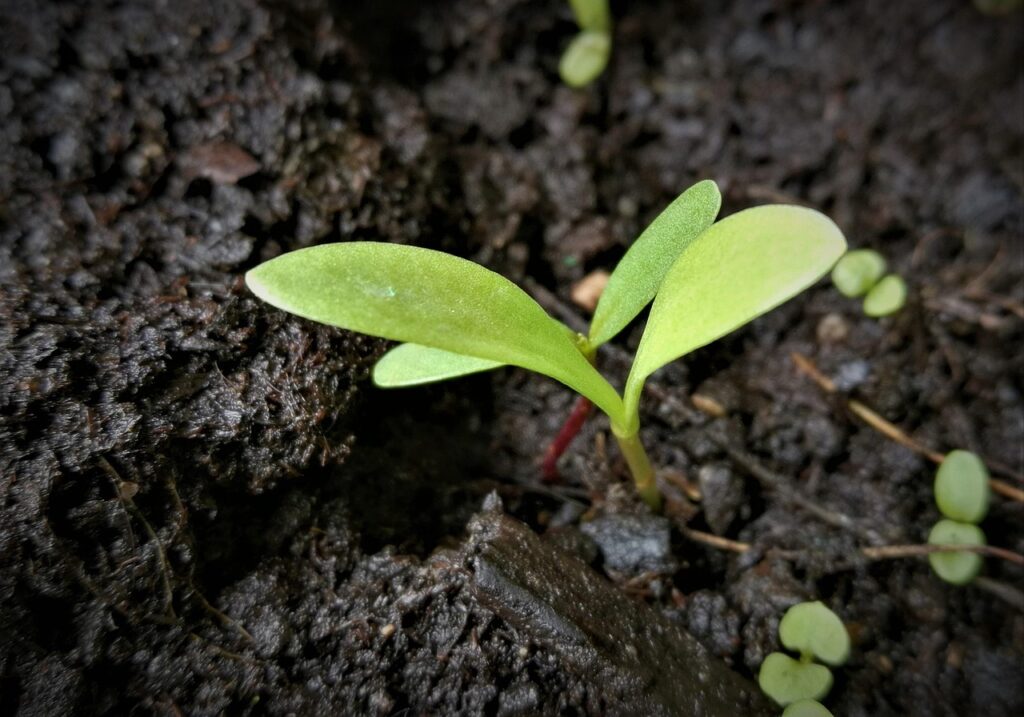
Researchers at the Hebrew University of Jerusalem identified a salt stress germination system that helps seeds retain potassium while limiting sodium buildup. The finding could support future work on crop establishment in saline soils.
Why Plant Breeders’ Rights Matter More Than Ever
As agriculture faces rapid technological change, the frameworks supporting innovation are evolving just as fast, notes the new president of the International Union for the Protection of New Varieties of […]
SUSTAINCrop to Measure Industrial Crop Footprints

SUSTAINCrop is a European Union-funded project that will develop a digital tool to assess the environmental footprint of industrial crops such as corn, canola, soybeans, sugar cane, cotton and sunflower under real production conditions.
OP-ED: Why Canada’s Plant Breeding Advantage is No Longer Guaranteed

Kenny Piecharka of KWS says conversations that once happened in the hallway are finally happening in the room. That’s progress. But optimism alone doesn’t attract investment
Açaí Nanofertilizer Boosts Corn and Sorghum Growth
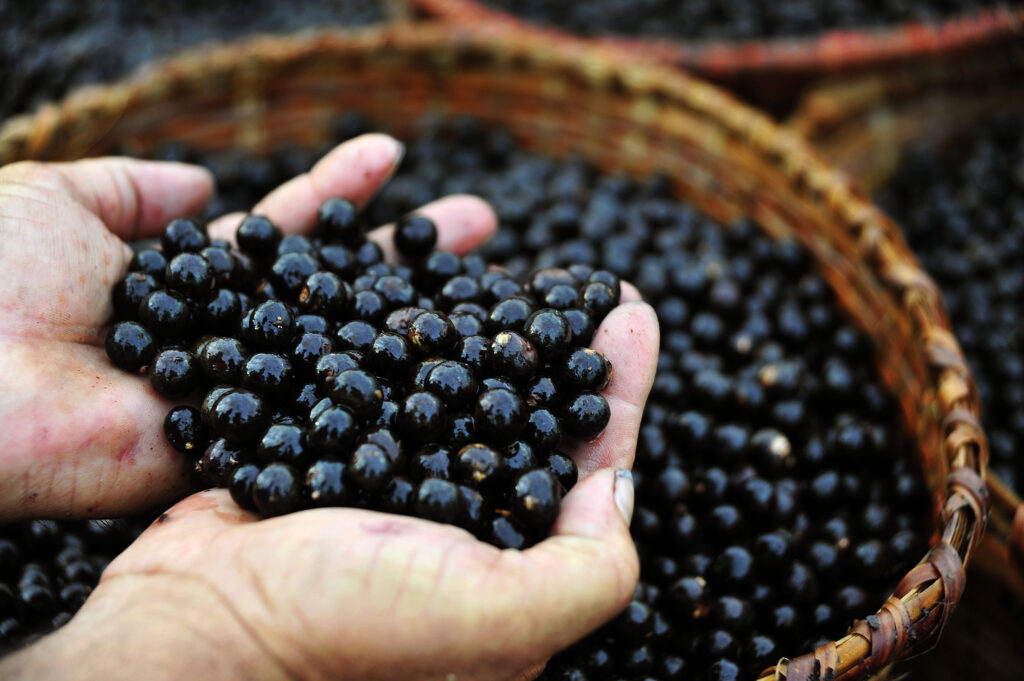
Açaí nanofertilizer developed by Embrapa and the Federal University of Ceará increased plant growth and root volume in short-season corn and sorghum varieties. Researchers say the product could turn processing waste into a more sustainable crop input.
SUSTAINCrop medirá la huella ambiental de cultivos
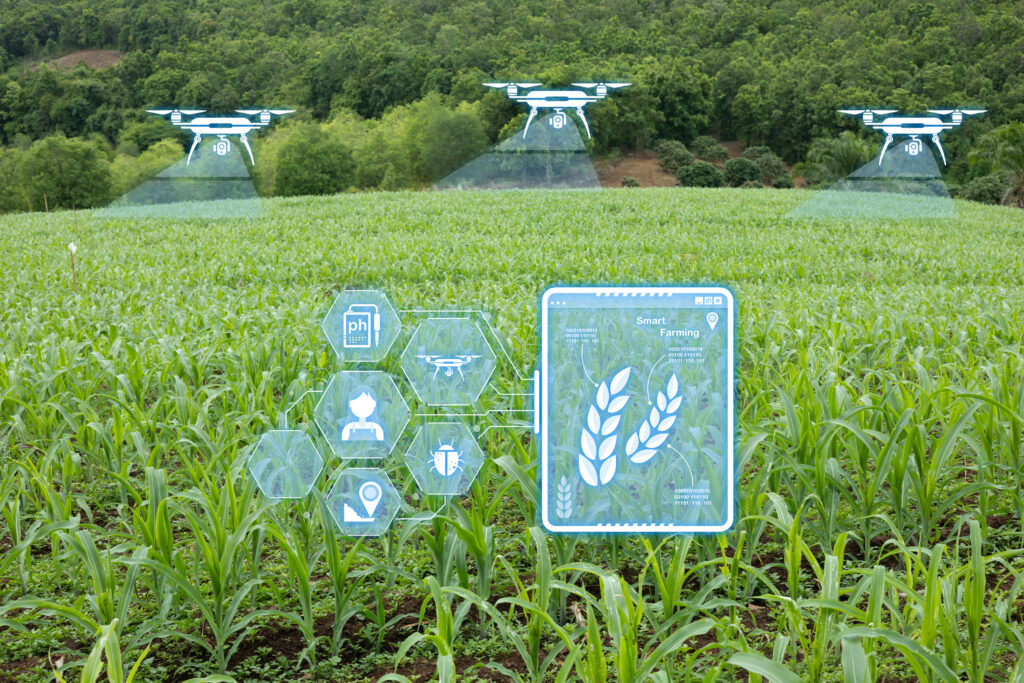
SUSTAINCrop es un proyecto internacional financiado por la Unión Europea que desarrollará una herramienta digital para evaluar la huella ambiental de cultivos industriales como maíz, canola, soja, caña de azúcar, algodón y girasol.
Plant Hormones Reveal Crop Disease Resistance Pathway
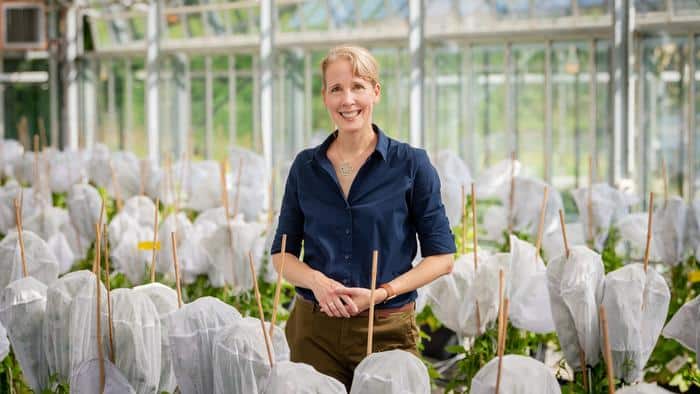
Technical University of Munich researchers have identified a hormone-controlled mechanism that regulates the trade-off between plant growth and crop disease resistance. The finding could help future breeding programs develop resilient, high-yielding varieties.
AI Crop Breeding Project Targets Stronger Cereals

A $6 million AI crop breeding project led by University of Idaho researchers aims to help breeders develop stronger wheat, corn and sorghum plants. The work will combine harvest-integrated sensors, plant genetics and predictive models to reduce stalk lodging.
Nanofertilizante de açaí impulsa maíz y sorgo
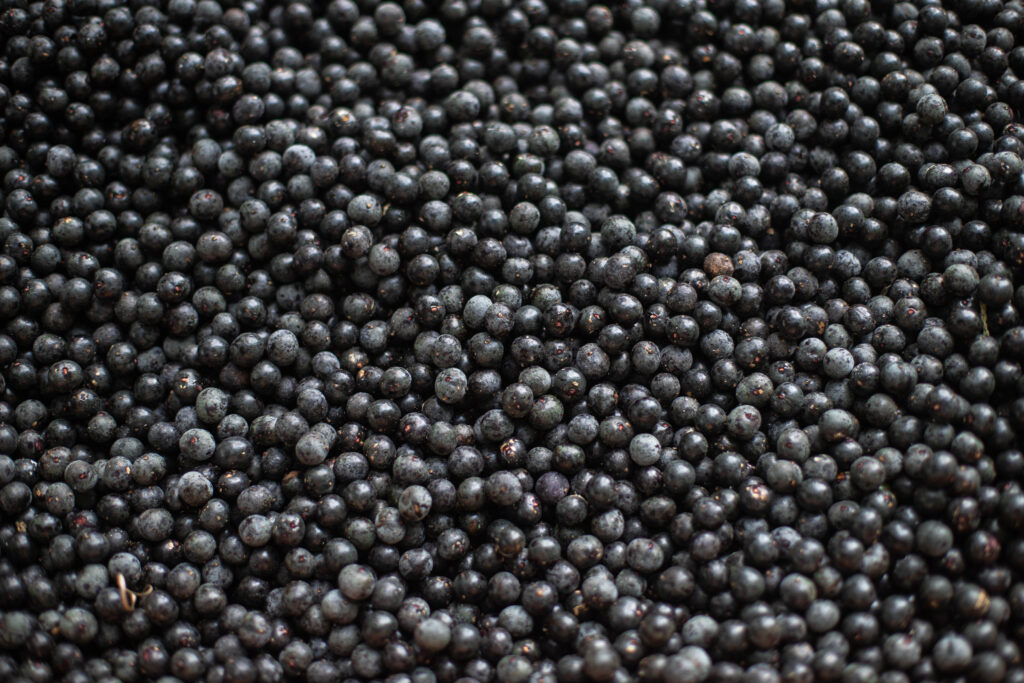
Un nanofertilizante elaborado a partir de semillas de açaí desechadas estimuló el crecimiento del maíz y el sorgo en ensayos de Embrapa y la Universidad Federal de Ceará. El producto aumentó el desarrollo vegetal y radicular en variedades de ciclo corto.
How Plant ETP Supports Plant Breeding Innovation
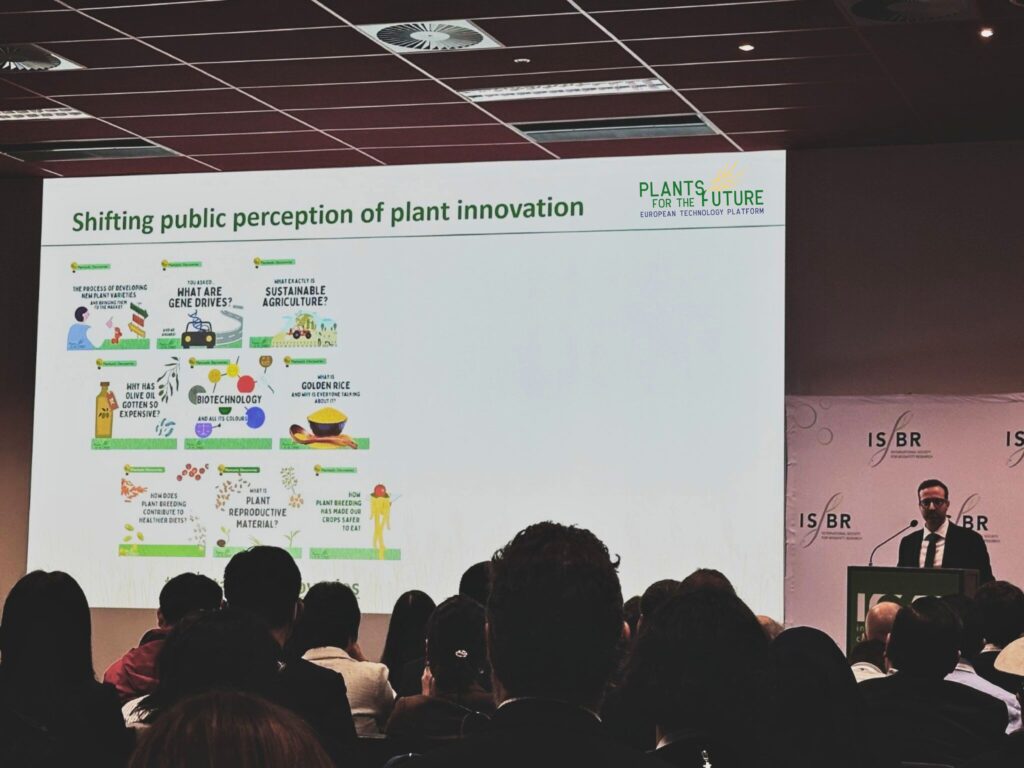
Plant ETP connects researchers, breeders, farmers and seed sector stakeholders to align priorities for European plant breeding innovation. Its work spans NGT implementation, future EU research funding, COLiBRI, climate resilience, skills development and communication across Europe’s plant innovation ecosystem.