

Farmers Gather for the First WCI Field Day in Lacombe
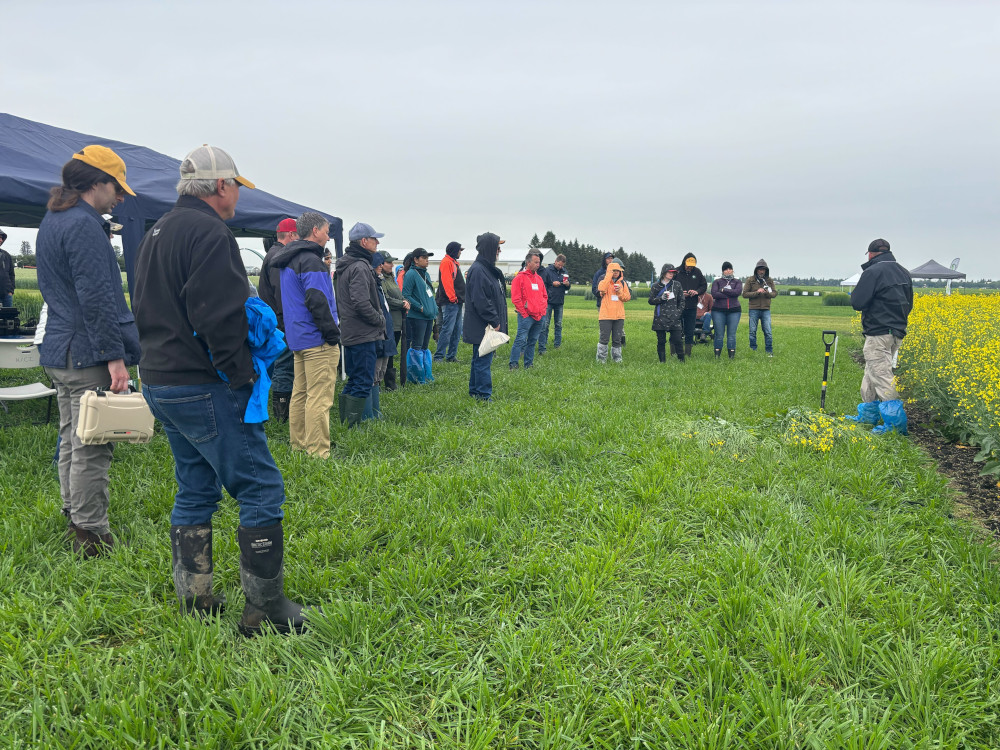
WCI may be a new name in applied research, but it’s already becoming a key player.
Two Natural Allies are Rewriting the Playbook on Downy Mildew
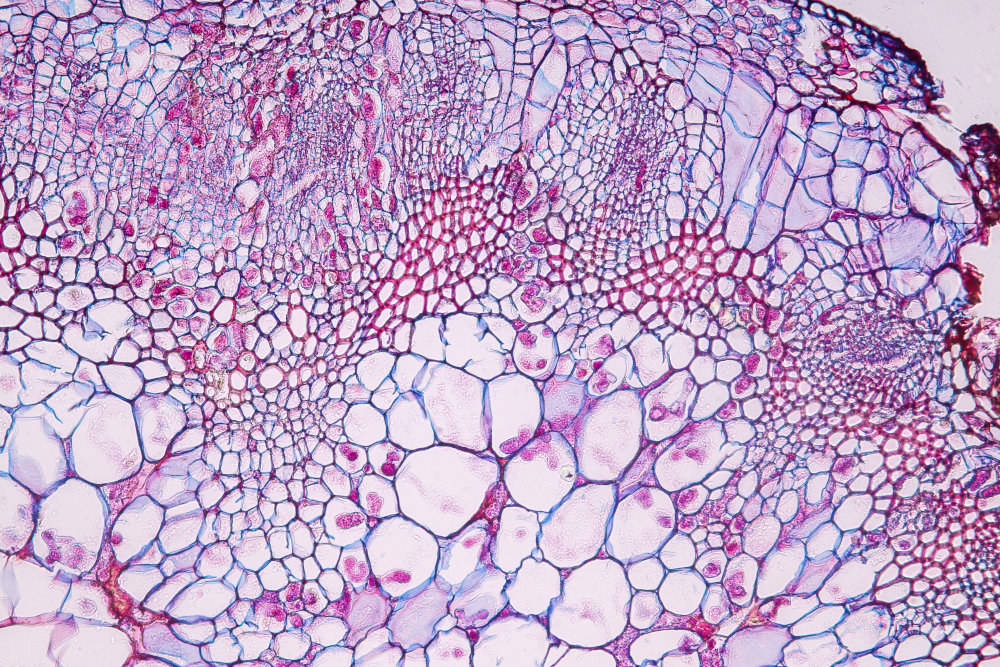
One’s a seaweed, the other’s a microbe — and together, they’re kicking this disease to the curb.
Tel Aviv University Researchers Record Audible Signs of Plant Stress

Tel Aviv University researchers have recorded high-frequency “clicking” sounds emitted by plants under stress, revealing a form of plant communication inaudible to humans.
Six Feet of Sand, No Playbook
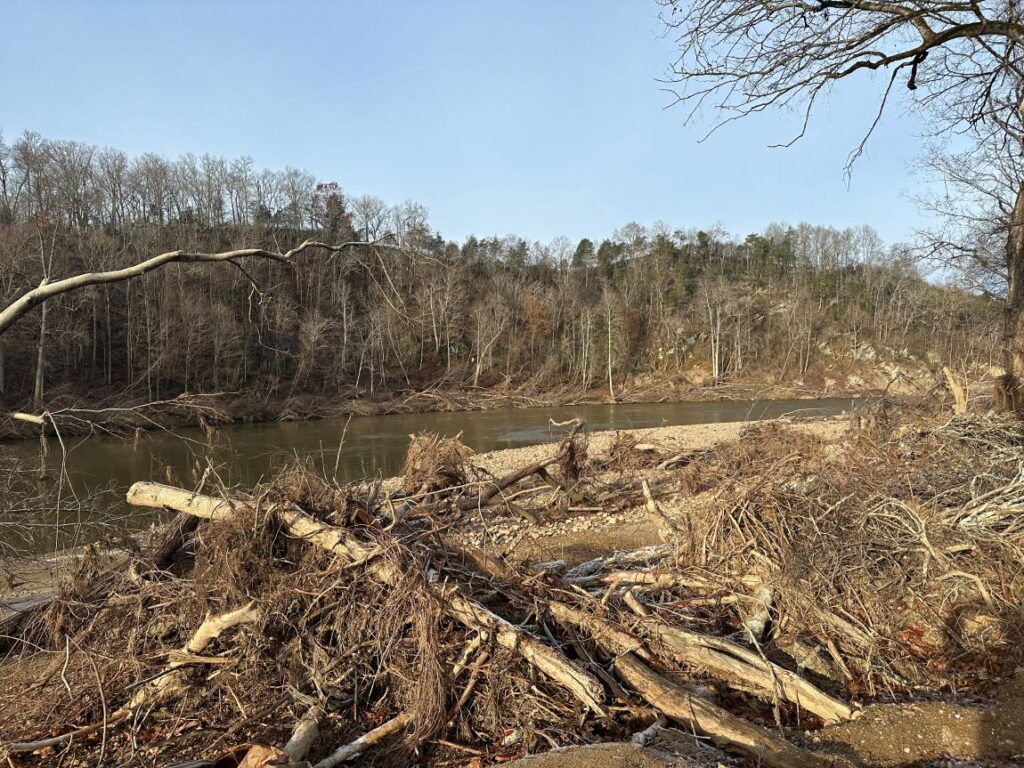
After Hurricane Helene devastated Upper East Tennessee, researchers are creating a recovery guide to help growers restore fields buried under sand and silt, rebuilding one site at a time.
Why the Smartest Professionals Invest in Their Personal Brands

Alison Mathews is showing seed gurus how to ditch the jargon, own your story, and finally get noticed online
Adoption Record: Transgenic Crops Reached 210 Million Hectares in 2024

Global adoption of genetically modified (GM) crops continues to grow, led by the U.S. with 75.4 million hectares and Brazil with 67.9 million. South America saw the highest regional growth, while countries like Vietnam, Uruguay, Spain, and Myanmar posted major percentage increases, driven by expanded planting and greater use of GM varieties.
Lupin, Quinoa, and Forgotten Crops Power Dutch Shift to Sustainable Farming

A new Dutch research project, REAP2SOW, led by Wageningen University & Research and funded with €6.8 million, aims to build a more sustainable food system. Focusing on white lupin, quinoa, and the ‘forgotten vegetable’ aardaker, the initiative promotes crops that boost biodiversity, improve soil health, and support climate-friendly diets—all while reducing reliance on synthetic fertilisers.
Mid-Season Corn Check: Five Tips to Keep Your Yield Potential High
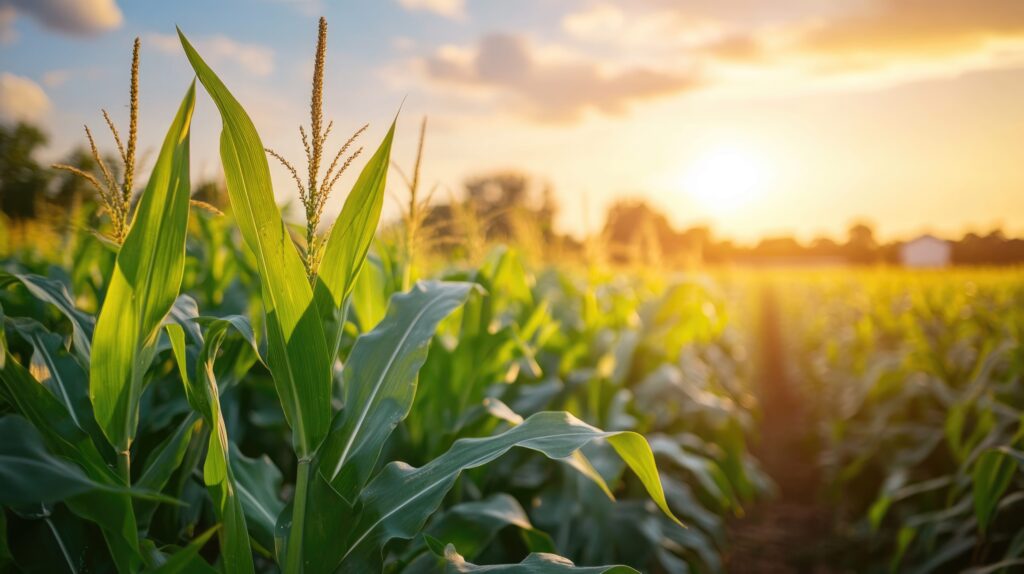
Mid-season is the time to monitor fields and weather closely. While you can’t fix a rough start, you can finish strong—here are five key factors I’m watching to maximize corn yield at harvest.
Kids Understand Inclusion. Adults Often Don’t. But we Can Learn

What if the secret to fixing diversity in the workplace is thinking more like a 10-year-old at recess?
5G-Connected Robotics Revolutionize Precision Crop Farming in Rural Scotland
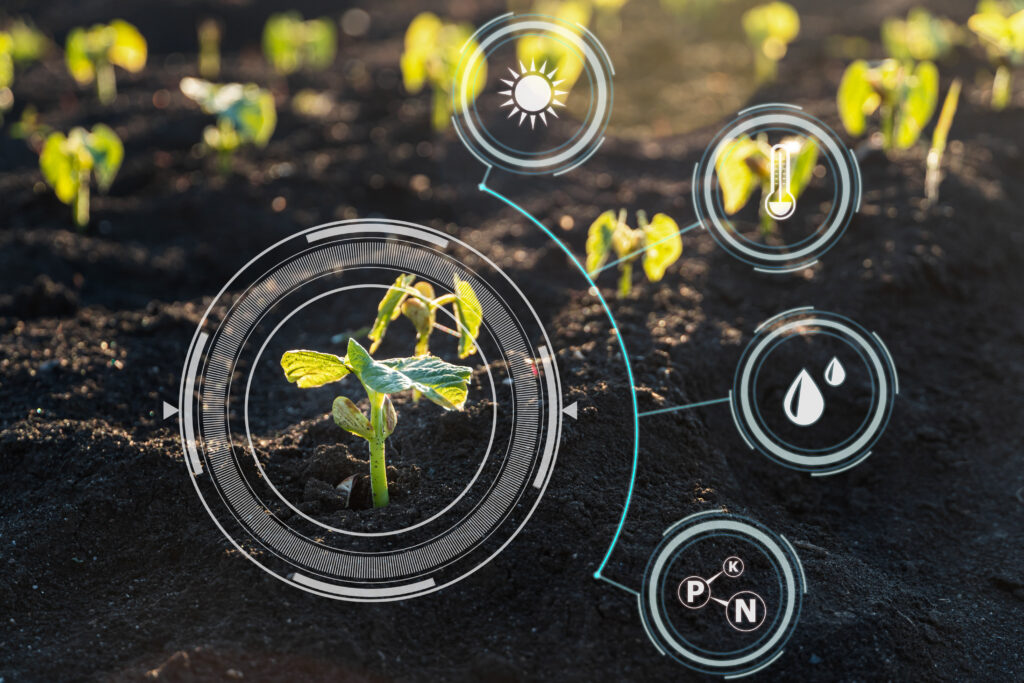
A new Scottish partnership is advancing 5G-connected robotics to support precision agriculture and improve rural connectivity. Led by top research institutions and tech partners, the project develops robots for crop monitoring, targeted fertilisation, and soil assessment. Powered by portable 5G networks, the systems offer real-time, plant-level data to help farmers boost efficiency, cut input costs, and farm more sustainably.
James Hutton Institute Delivers Over £15 for Every £1 of Government Investment
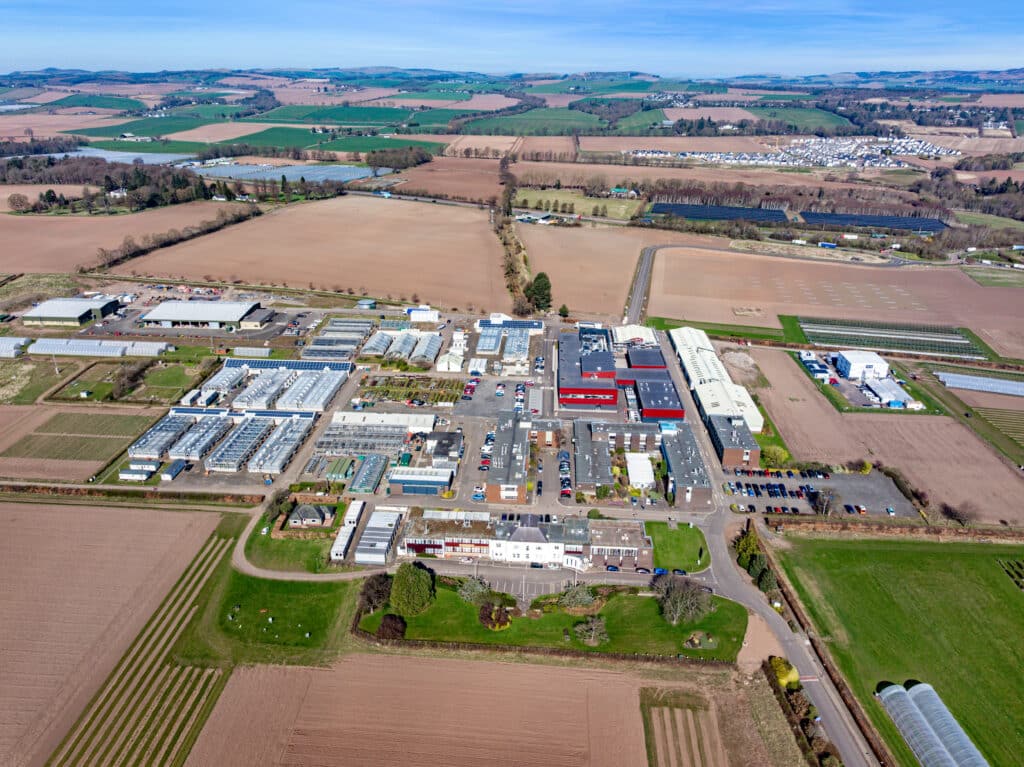
The James Hutton Institute has been recognized for its economic impact and scientific excellence, with evaluations highlighting the real-world value of its research in sustainable land, crop, and resource management.
Plant Breeders: The Unsung Heroes in the Battle Against Misinformation
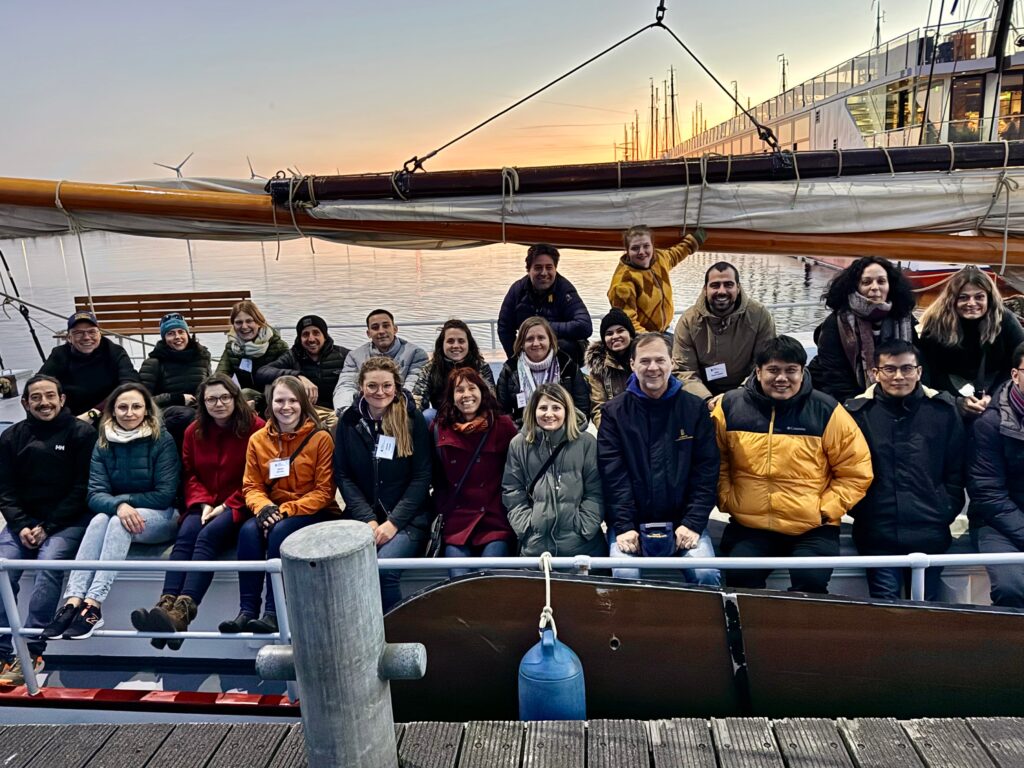
At the European UC Davis Plant Breeding Academy in the Netherlands, I highlighted the importance of communication in plant breeding, emphasizing that while breeders drive food security and sustainability, their crucial role often remains underrecognized.
Old School Genius, New School Rules: Corteva’s Klaus Koehler 1.0 Would Be Lost in 2025

He revolutionized corn breeding — now he’s walking away with a lesson no algorithm can teach.
Maizex Seeds is Making a Bold Move into Canola with a 2026 Hybrid Launch
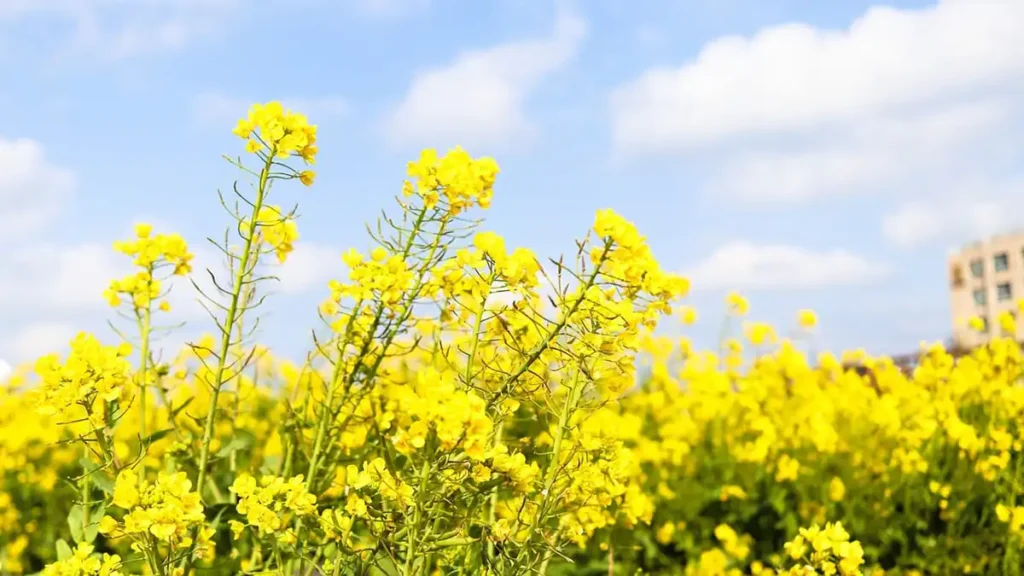
Maizex Seeds has announced the launch of its first canola hybrids under the Maizex brand, starting with the 2026 growing season.
Data Transparency. AI. Digital Tags. The Future of Seed Certification Was Unveiled in Victoria

What do AI, transparency certification, and digital tags have in common? CSGA just connected the dots.
La Personalización Crea Relaciones Significativas

Cuanto mejor conozca una empresa a sus clientes, mayores serán las posibilidades de forjar relaciones más sólidas y significativas que beneficien a ambas partes a largo plazo. La personalización de […]
Customization Creates Meaningful Relationships

Knowing clients deeply helps build stronger, lasting relationships. Genovix launched in 2019 with core features for most plant breeders while offering customization for unique customer needs.
Récord de Adopción: Cultivos Transgénicos Alcanzaron 210 Millones de Hectáreas en 2024

La superficie mundial de cultivos transgénicos sigue en expansión, con Sudamérica liderando el crecimiento (+3,5%), seguida por Norteamérica (+1,1%).
OECD–FAO Outlook: Crop Demand, Trade to Rise Over Next Decade

The OECD–FAO Agricultural Outlook 2025-2034 offers a 10-year forecast for global, regional, and national agriculture and fish markets, covering trends in cereals, oilseeds, sugar, biofuels, cotton, and more.
Food Adulteration Has a Long History

By 1860, the first Food Adulteration Act was passed in Britain, driven by Dr. Arthur Hassal, who revealed widespread food fraud—like chicory in coffee, indigo-colored tea, and iron-boosted meat pies—highlighting the public health risks of adulteration.
Seeds Canada Wants Bold Reform. CFIA Wants Stakeholder Consensus. Can Both Win?

One looks to modernize the rules while the other is pushing to rewrite the playbook
Coffee. Beer. Genetics. This Plant Breeder’s Teaching Style is Anything but Boring
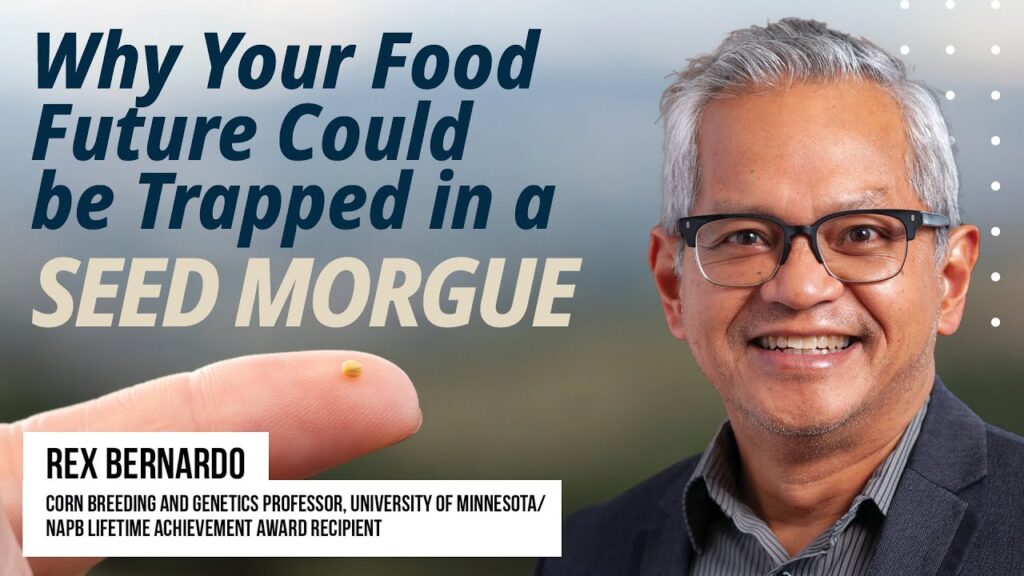
Rex Bernardo is using your favourite drinks to shake up how we teach science — and it might just change the way we think about food.
The Distribution Brand Dilemma: Worth the Risk to Brand Equity or Necessary to Stay Relevant?

Farmers still reminisce about Funk’s G decades later, highlighting its strong brand equity. It raises the question: would the Funk brothers have embraced a distribution brand?
Assosementi, UIPVE Unite to Support Ukraine’s Seed Industry

Assosementi and Ukraine’s UIPVE signed an MoU on July 14 to strengthen cooperation in the seed sector, promoting scientific, technical, and economic ties and supporting Ukraine’s food security.
Superar los Límites del Potencial de los Cultivos

ZeaKal impulsa la productividad agrícola con PhotoSeed™, una innovación que transforma la fotosíntesis en mayores rendimientos, mejor nutrición y sostenibilidad ambiental.
Youth in Agrifood Systems: FAO Report Highlights Challenges and Opportunities for 1.3 Billion Young People

The FAO’s new report, The Status of Youth in Agrifood Systems, underscores the crucial role of the world’s 1.3 billion young people in transforming agriculture. With 85% living in lower-income countries, greater youth inclusion could unlock major economic gains. The report calls for policy and technical support to create jobs, improve food security, and empower youth as key players in tackling global challenges like climate change and an aging farming workforce.
How a Global Crisis Changed Seed Production Forever

Five years after the pandemic disrupted international seed production, U.S. companies and their partners in Chile have permanently adopted innovations born out of necessity. From virtual field inspections and drone imagery to faster paperwork and digital certification, what began as crisis response has evolved into a more agile, efficient system for counter-season seed production. Industry leaders say improved connectivity, remote monitoring, and stronger local teams are now standard practice. The changes not only streamlined operations during COVID-19 but also helped boost seed quality, planning, and communication — creating long-term gains across the global seed supply chain.
PubPlant: El Google Maps del ADN Vegetal

Desde el genoma de Arabidopsis en 2000, se han secuenciado más de 1000 especies vegetales, generando un reto clave: organizar y compartir estos datos masivos.
PubPlant: The Google Maps of Plant DNA

In the past 20 years, plant science has sequenced over 1,000 species since the 2000 Arabidopsis genome, creating a data revolution—and a new challenge in organizing and sharing this wealth of information.
Embrapa and CIMMYT Strengthen Global Partnership on Wheat

Researchers from CIMMYT visited Brazil to strengthen their partnership with Embrapa on developing climate-resilient wheat. The collaboration focuses on exchanging genetic material to improve wheat varieties, supporting efforts to adapt to climate change.
Embrapa y el CIMMYT Fortalecen su Alianza Global en el Cultivo de Trigo

CIMMYT y Embrapa refuerzan su alianza en Brasil para impulsar el mejoramiento genético del trigo y desarrollar variedades más resistentes al cambio climático.
How Cucumbers Got Longer – And Why It’s A Big Deal For Farming

Cucumbers are helping advance genomic research beyond their role as a popular crop. A study by the John Innes Centre and CAAS explored genetic differences between wild and domesticated cucumbers, focusing on fruit elongation. The research highlights the role of non-coding “silent” DNA mutations—once overlooked—in shaping traits, offering new potential for precision breeding of high-yield, diverse crops.
Now Hiring — But Not Just Anyone

Summit Seed Coatings focuses on building a workplace where employees feel they belong. Hiring reflects our commitment to culture, ensuring new team members are the right fit and part of a company people want to join.
EU, Türkiye Urged to Resolve Seed Potato Dispute

The European potato sector faces rising concerns as Türkiye rejected over 5,500 tonnes of EU and UK seed potatoes due to pest detections, despite prior testing confirming compliance with international phytosanitary standards.
Las Reglas Para Utilizar la Estrategia del “Enemigo Común”

El liderazgo moviliza a las personas hacia un objetivo común; identificar un adversario compartido puede inspirar unidad, aunque mal aplicado puede dañar la cultura y reputación de la organización.
How Plants Know When to Heal Themselves

Scientists at the University of Helsinki have discovered how plants detect and repair damage to their protective outer layer, the periderm. Using Arabidopsis, they found that gas exchange—specifically changes in ethylene and oxygen levels—triggers regeneration when the barrier is breached. The findings could help improve crop resilience and shelf life.