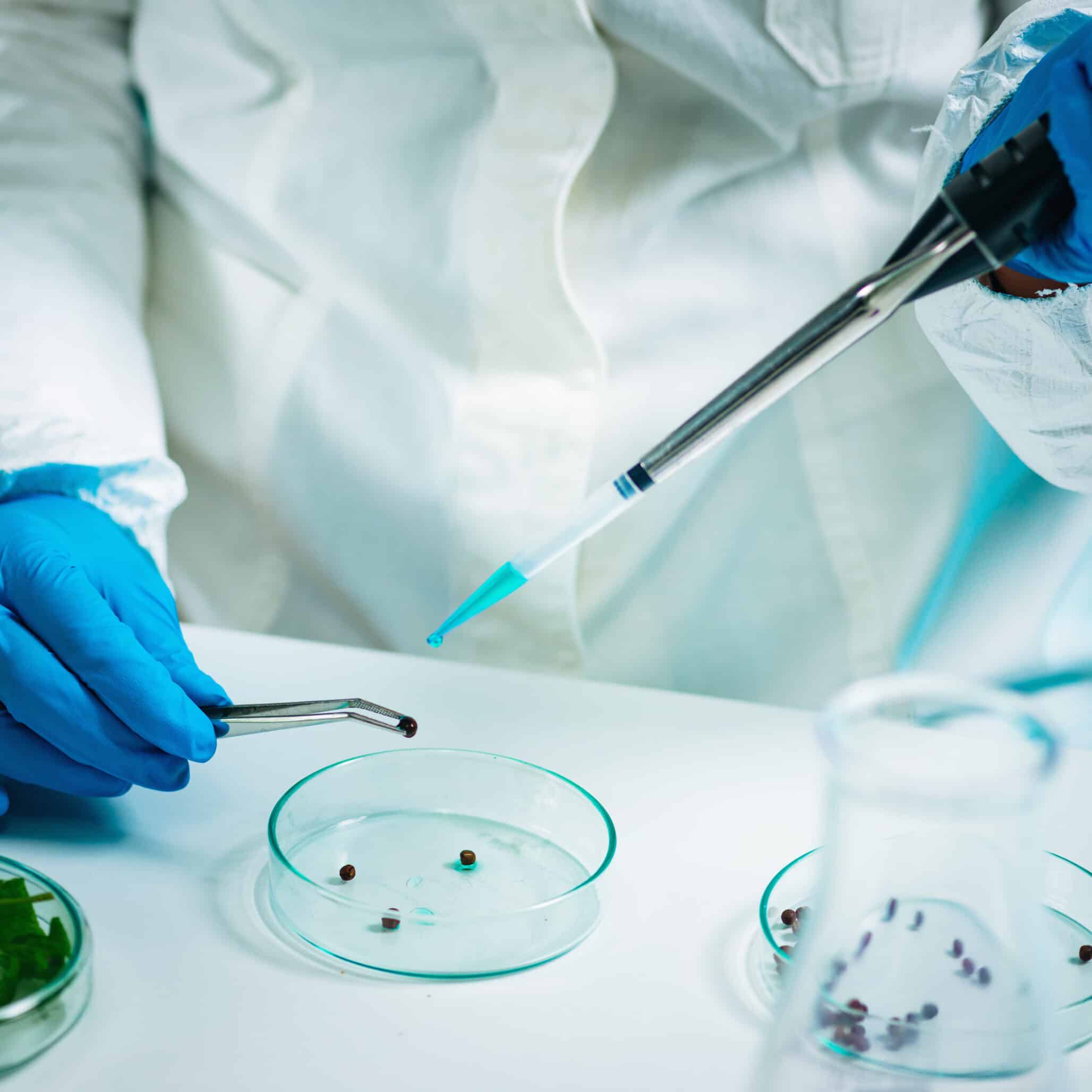
Peru’s Ministry of the Environment has approved new guidelines for determining the status of Modified Living Organisms (MVOs) developed using emerging biotechnological tools. The measure, enacted through Ministerial Resolution No. D000068-2026-MINAM-DM and published in the official gazette El Peruano, establishes scientific and regulatory criteria for assessing organisms created through modern gene-editing technologies such as CRISPR.
The regulation marks an important step in modernizing the country’s biosafety framework, as it sets out how to determine whether an organism developed through gene editing should be classified as an MVO under existing law.
This is particularly significant in Peru, where a moratorium on the cultivation of transgenic organisms remains in place until 2035 under Law No. 29811, later extended by Congress.
At the same time, advances in science have created new possibilities. Many changes produced through gene editing do not involve the introduction of DNA from other species, but instead generate precise alterations in the genome that may resemble mutations that could occur naturally. The new guidelines are intended to assess these differences on a case-by-case basis, making it possible to distinguish among technologies, according to a press release.
A Scientific Framework For New Biotechnological Tools
Signed by Minister Nelly Paredes del Castillo, the measure aims to align Peruvian regulations with recent developments in biotechnology. The resolution establishes a technical procedure for authorities to determine whether an organism produced using biotechnological tools should be regulated as an MVO or whether it falls outside that category, depending on the nature of the genetic change introduced.
As David Castro, director of Genetic Resources and Biosecurity of the Ministry of the Environment of Peru, explained in his LinkedIn profile, highlighted that the guidelines allow the evaluation of the products of new genomic techniques with a scientific basis, differentiating between technologies and results. This approach, he said, is consistent with what various countries are already implementing to manage biotechnological innovation in agriculture.
In public comments on the measure, Castro commented that “modern tools such as gene editing, for example CRISPR/Cas, allow us to develop crops better adapted to the effects of climate change, population growth and increasingly limited resources.” Regarding the Peruvian research ecosystem, I add that “now our research institutes, public and private universities, and companies have a framework of predictability and legal certainty.
“The conservation of biodiversity and the promotion of biotechnology can — and should — go hand in hand.”
Innovation For More Efficient Agriculture
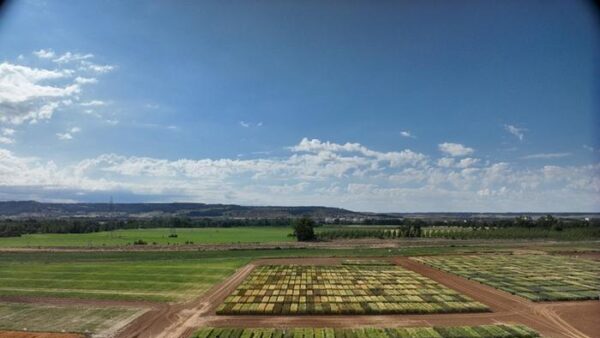
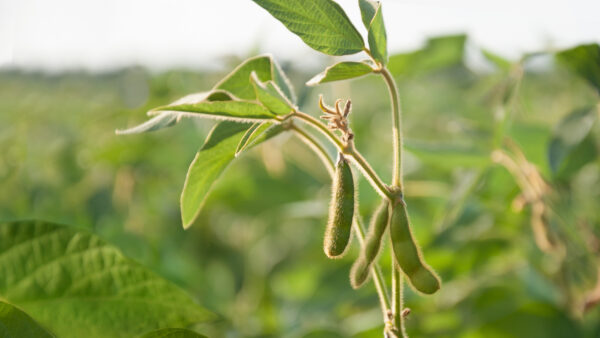
The approval of these guidelines could open up new opportunities for agricultural research and development in Peru. Genetic editing technologies allow the introduction of precise improvements in crops, such as:
- Resistance to pests and diseases, reducing the need for pesticides.
- Greater efficiency in the use of water and nutrients, key to climate change.
- Improvements in nutritional quality and product quality, relevant to international markets.
- Higher agricultural productivity, with less use of input and less use of agricultural area.
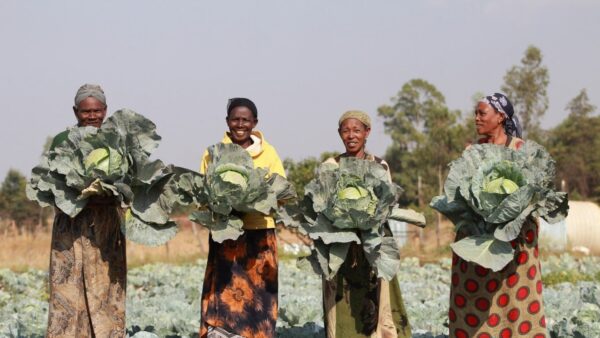
For Peruvian agriculture, the implications of this regulation could be especially important for crops such as potatoes and rice, which are central to domestic production, as well as for blueberries, grapes, avocados, and asparagus, which are key pillars of the country’s agro-export sector.
In these crops, gene editing creates opportunities to develop varieties with greater resistance to pests and diseases, improved efficiency in the use of water and nutrients, and enhanced quality, productivity, and post-harvest performance—traits that are becoming increasingly important in the context of climate change and the demands of international markets.
Global Trend in Biotechnology Regulation
Peru’s decision is in line with a broader international trend in the regulation of new genetic improvement techniques. In the region, Argentina and Chile were early pioneers, introducing the first regulatory frameworks for the commercialization of crops developed through new biotechnological techniques in 2015 and 2017, respectively. Since then, nearly 30 countries have followed, including Brazil, the United States, Canada, Australia, Japan, and the United Kingdom. More recently, the European Union has also moved forward with a regulatory approach that distinguishes between traditional genetically modified organisms and gene-edited organisms that do not contain foreign DNA.
This approach aims to support scientific and agricultural innovation while maintaining biosafety standards grounded in scientific evidence.
With the approval of these guidelines, Peru has taken an important step toward strengthening the regulatory and scientific capacity needed to assess — and potentially benefit from — the promise of new agricultural biotechnologies, at a time when food security, sustainability, and climate adaptation have become strategic global priorities.