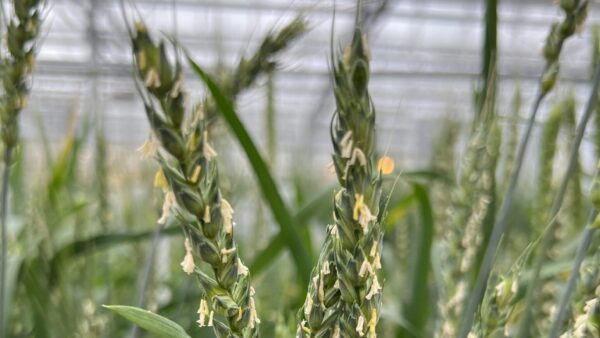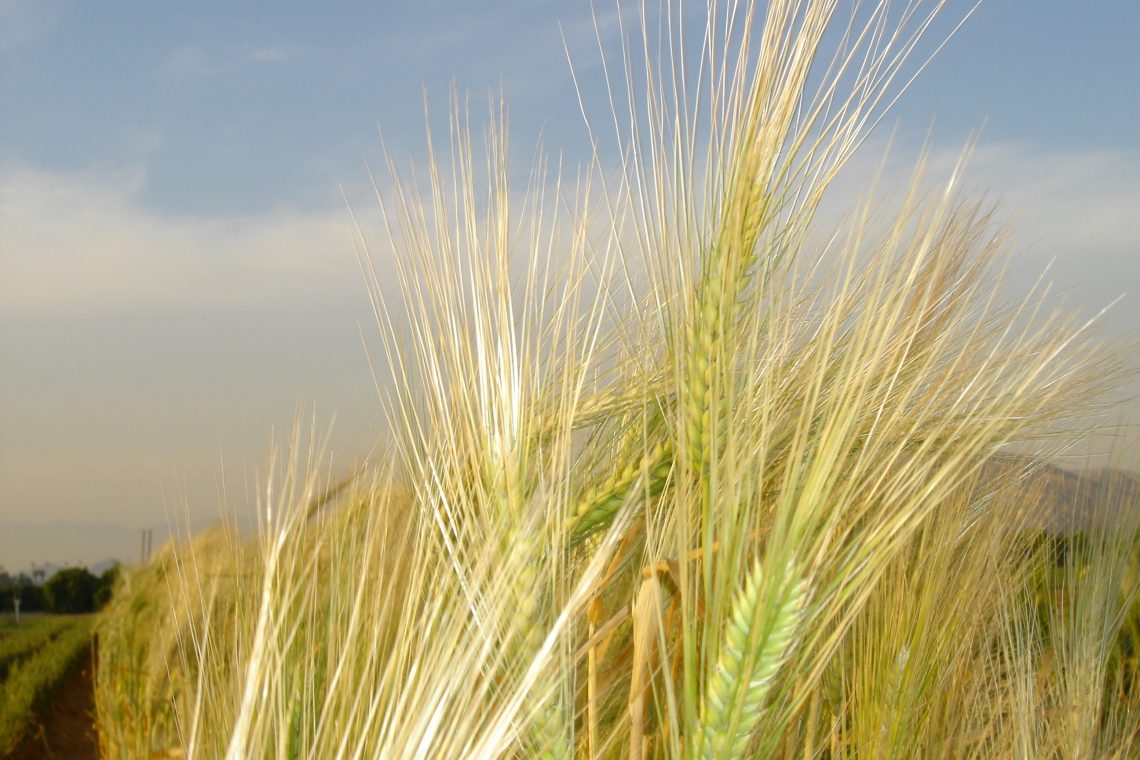
With 90% of grains reaching first-size caliber over the last three campaigns, INTA Bordenave and the Argentine Brewers Chamber say the crop is exceeding key industrial standards for malt production.
A Strong Signal for Malt Markets
Argentine barley is strengthening its position in the brewing market, supported by grain quality results that exceed the minimum requirements for malt production.
Over the last three campaigns, 90% of grains reached first-size caliber, a measure based on grain retained on a 2.5 mm sieve. That figure is well above the 85% minimum required by the marketing standard for barley to be considered suitable for malt.
For INTA Bordenave and the Argentine Brewers Chamber, which includes firms such as Boortmalt, AbInbev and Cerfoly, the result reflects the value of a nearly two-decade strategic alliance focused on evaluating barley materials for yield, quality and industrial performance.
Each campaign, the network evaluates between 12 and 14 commercial cultivars used as trial references. Up to three experimental lines contributed by each participant are also tested in at least three different environments.
That structure allows older commercial materials such as Andreia, registered in 2011, to be compared with new genetic releases such as Beatriz INTA, registered in 2026. The result is a clear view of how the crop is evolving, according to a press release.
Yield Matters, But Malt Quality Leads
Germán González, a researcher at INTA Bordenave and specialist in genetic improvement of forage cereals, said the network’s success is not measured only by yield, but by the ability of those grains to become export-quality malt.
“The production of barley for brewing has its own characteristics and requires materials that meet specific industrial requirements,” said the technician.
The network’s average yield reached 6,342 kilograms per hectare, while the Florence cultivar recorded the highest yield at 7,004 kilograms per hectare.
Other cultivars, including Fender, Malkia, Beatriz INTA, Verónica INTA and Overture, also exceeded the network average and ranked strongly for productivity.
Grain Size Supports Industrial Performance
For malt production, grain size is critical. According to the technical report from the INTA Bordenave team, the 90% average caliber supports uniform germination and higher extract yield during the brewing maceration process.
Beatriz INTA recorded the highest grain size value, reaching 94%. Andreia, meanwhile, led protein levels at 12.6%.
“The size and level of protein take on relevant importance,” González said.
The trials showed an average protein level of 12%, placing the crop within the industry’s optimal range of 9.5% to 13%.
Alongside grain size and protein, the marketing standard establishes other requirements for barley to access the malt category. These include maximum humidity of 12%, minimum germination capacity of 98% and a “low sieve” percentage, meaning grains smaller than 2.2 mm, of less than 4%.
González also warned that crop management must account for the relationship between yield and protein. “There is an inverse relationship between performance and protein levels, due to a dilution effect that occurs when yields skyrocket.”
Disease Pressure Remains a Key Risk
The crop’s productive potential comes with significant biological challenges. Barley faces a complex group of necrotrophic pathogens that survive in stubble and seed, reducing photosynthetic area and threatening crop performance.
The main foliar diseases include net blotch caused by Pyrenophora teres, scald caused by Rhynchosporium secalis, Ramularia caused by Ramularia collo-cygni and spot blotch caused by Bipolaris sorokiniana.
“In the Network we generate information about the genotypic response without applying fungicides to know the true resistance of each material,” explained the INTA Bordenave specialist.
A Practical Tool for Growers
The network’s findings are translated into a “traffic light” health profile, a visual tool designed to help producers and advisors identify cultivars with lower health risk for each production region.
By combining yield, grain quality and disease response, the system helps guide variety selection, optimize input use and improve overall production efficiency.
For Argentina’s barley sector, the results point to a crop that is not only productive, but increasingly aligned with the demands of the malt and brewing industries.