Experimental trials found that low doses of a nanofertilizer made from açaí processing waste increased plant growth and root development in short-season corn and sorghum varieties.
Researchers from Embrapa and the Federal University of Ceará have developed a nanofertilizer made from discarded açaí seeds that stimulated corn and sorghum growth in experimental trials.
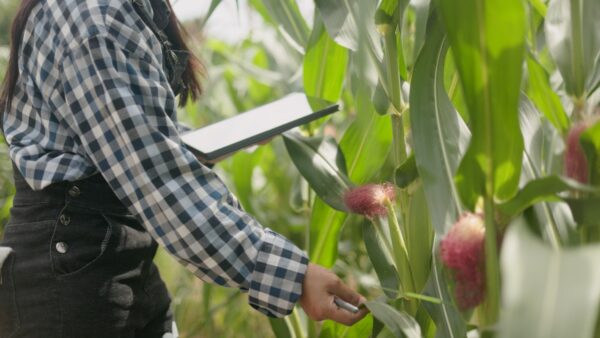
Applying the product at a concentration of 10 milligrams per litre increased relative plant growth by 24% in corn and 164% in sorghum compared with untreated plants. Root volume increased by 23% in corn and 59% in sorghum.
Researchers tested the short-season corn variety BRS Gorutuba and sorghum variety 2502, both recommended for Brazil’s semiarid region. The increased root development, particularly in sorghum, could help plants explore the soil more effectively and improve their ability to survive challenging growing conditions, according to a press release.
Converting Açaí Waste into Crop Inputs
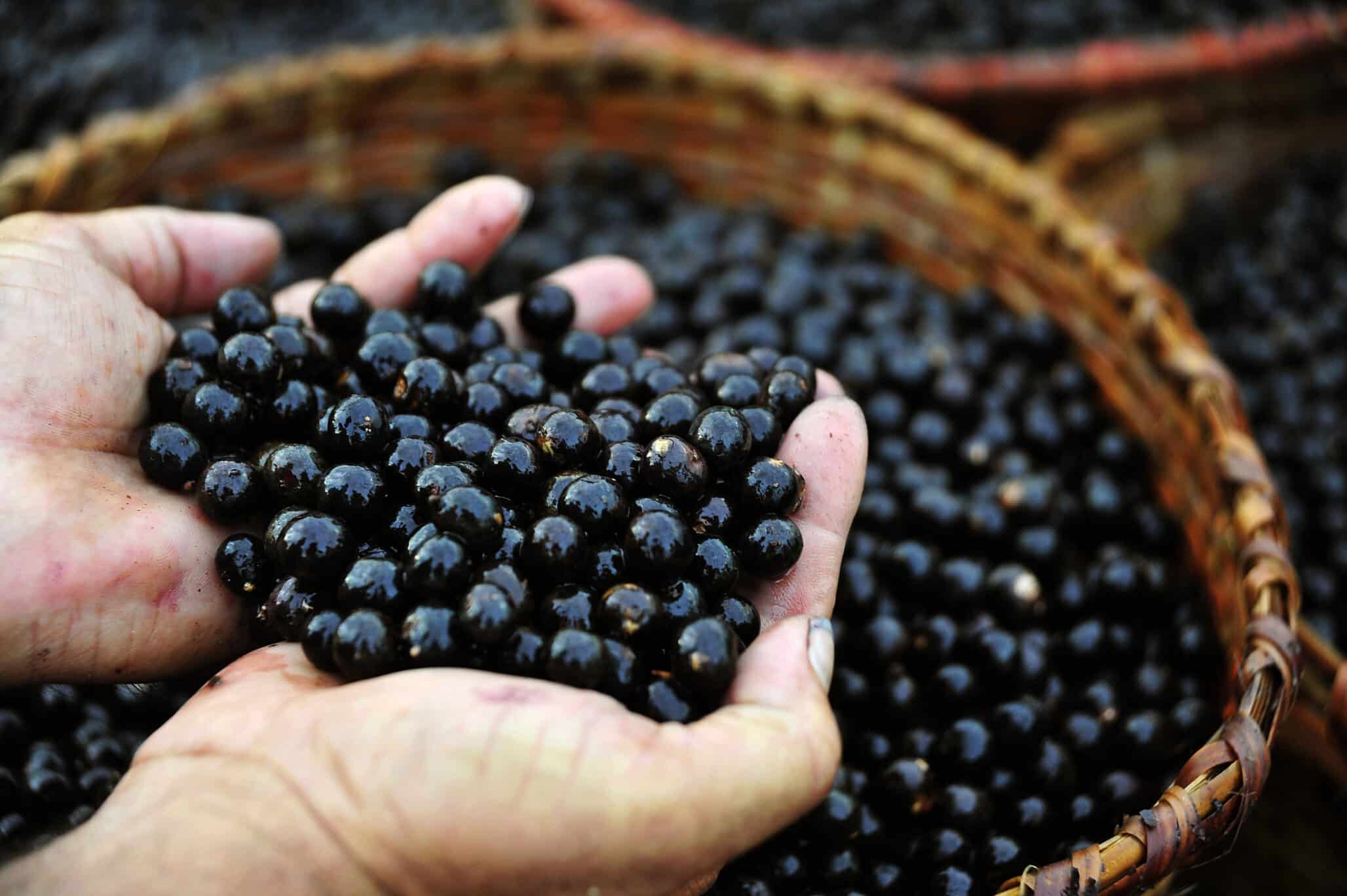
Açaí seeds are an underused byproduct of fruit processing. Extracting the pulp from one tonne of fruit generates approximately 700 kilograms of seeds, which are generally discarded or burned as boiler fuel.
The researchers converted açaí seed powder into fluorescent nanoparticles called carbon quantum dots using a process known as hydrothermal synthesis. The resulting particles are approximately four nanometres in size.
“Although there are few studies on the small-scale use of açaí seeds as biochar, for bioenergy production, or for the development of composite materials, this waste generally accumulates in urban centers in producing regions and in large cities,” researcher Cláudio Carvalho of Embrapa Tropical Agroindustry says.
Carvalho describes the açaí seed as a “natural survival kit” containing nutrients that help the plant grow under hostile conditions. Its carbon and mineral content makes it a potential raw material for producing nanofertilizers.
“It is a noble purpose, one that adds value to biomass while returning at least some of the mineral nutrients, especially micronutrients, to the production areas, resulting in savings on fertilizers,” he says.
Nanoparticles Deliver Nutrients to Plant Cells
Because of their small size, the particles can penetrate leaf tissue and deliver mineral nutrients directly at the cellular level. This may improve nutrient absorption compared with conventional foliar fertilizers.
The carbon quantum dots also absorb ultraviolet radiation and emit blue light. Researchers say this process may stimulate the plant’s photochemical system and improve photosynthetic efficiency.
The particles may also support energy transfer within plant cells and provide bioactive compounds that stimulate enzymes involved in processes such as managing oxidative stress.
“As opposed to conventional fertilizers, nanofertilizers generally result in less surface runoff and less contamination of soils and water bodies, making them potentially more sustainable,” Carvalho adds.
Additional Crops Could Be Tested
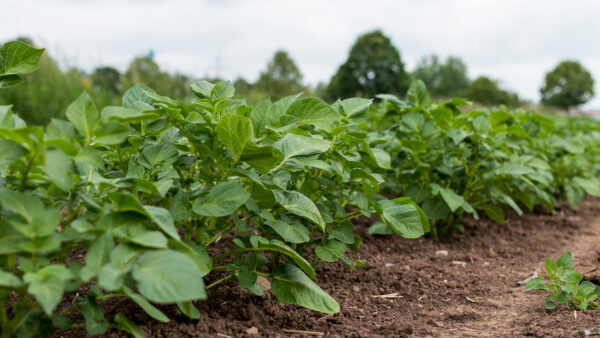
The researchers plan to evaluate the nanofertilizer on beans, sweet potatoes, pumpkins, vegetables and açaí palm seedlings.
“Once the production process has been finalized and scaled up, the nanofertilizer could become a major and safe way to return nutrients to the production system, whether in the cultivation of the açaí palm itself, in seedling nurseries, in protected cultivation, or in other applications,” Carvalho adds.
Professor Pierre Fechine, coordinator of the Advanced Materials Chemistry Group Laboratory at the Federal University of Ceará, says Brazil’s agricultural processing sector could provide a substantial supply of raw materials for similar products.
“In Brazil, large quantities of agroindustrial waste are generated, especially in the Amazon region, which represents an abundant and low-cost raw material,” Fechine notes.
However, regulatory and safety studies will be needed before the nanofertilizer can be used in agriculture at commercial scale.
Scaling Production Remains a Challenge
The findings were published in the paper Carbon-Based Nanopigments Derived from Açaí Seed Residues with Tunable Optical Properties and Biofunctional Performance in the journal Dyes and Pigments.
“We’ve shown that waste that would normally be discarded can be converted into a smart material that can interact with biological systems and produce measurable effects on plant growth,” Fechine says.
Researchers must now determine whether the material’s performance can be reproduced consistently at industrial scale.
“In the lab, we work with small quantities and maintain strict control over the synthesis conditions. In a factory, it is necessary to ensure that each batch has the same chemical, optical, and biological properties,” he explains.
Other challenges include lowering energy and purification costs and developing an efficient system for collecting and transporting açaí seed waste.