How EarthOptics goes beneath the surface and earned the No. 3 U.S. spot in the Seed World Global Innovation Showdown.
When it comes to maximizing yield, soil still holds secrets. EarthOptics is working to uncover them.
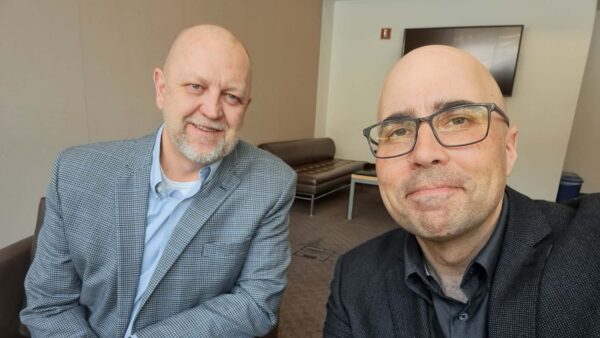
“Simply put, we’re a soil data company,” CEO Lars Dyrud says. “And we deliver soil data and the insights we derive from it to farmers and ranchers, but also sustainability stakeholders like carbon project developers and food and international aid companies and grocers.”
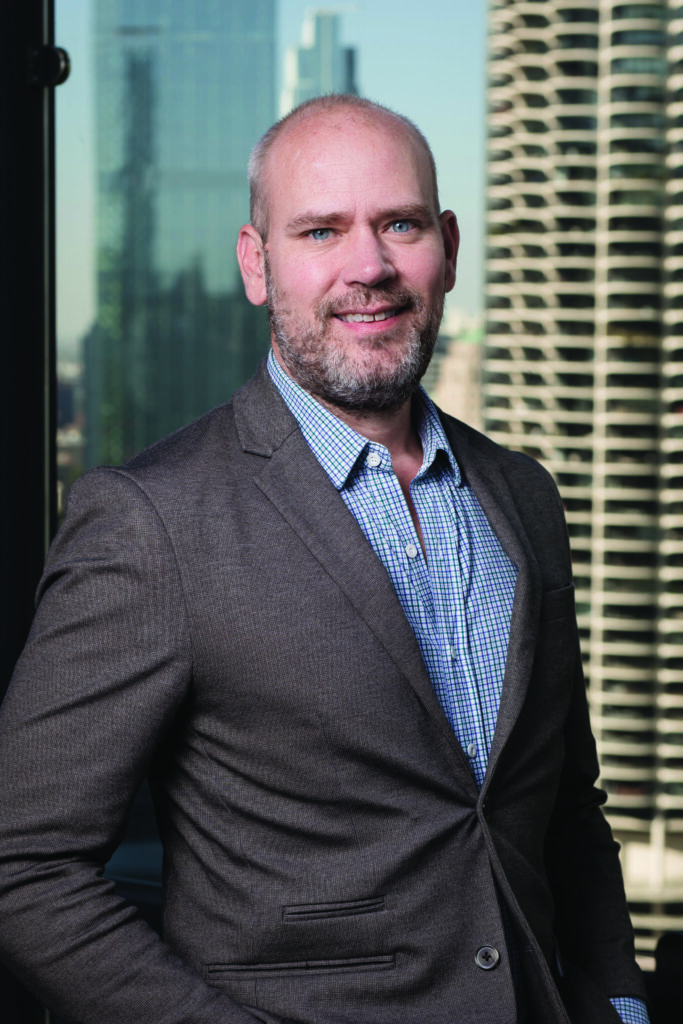
Since its founding in 2018 — and following a 2024 merger with Pattern Ag — Dyrud says EarthOptics has built a technology platform that helps identify what lies beneath the surface: compaction, nutrient flow, carbon levels and biological threats. The goal? Smarter seed placement, better trait performance minimizing input costs and vastly improving yields.
Smarter Decisions Below Ground
“Soil is so incredibly variable, in every way possible,” he says. “So obviously the physical characteristics vary over pretty short scales… but biology, for example, can vary on scales of feet.”
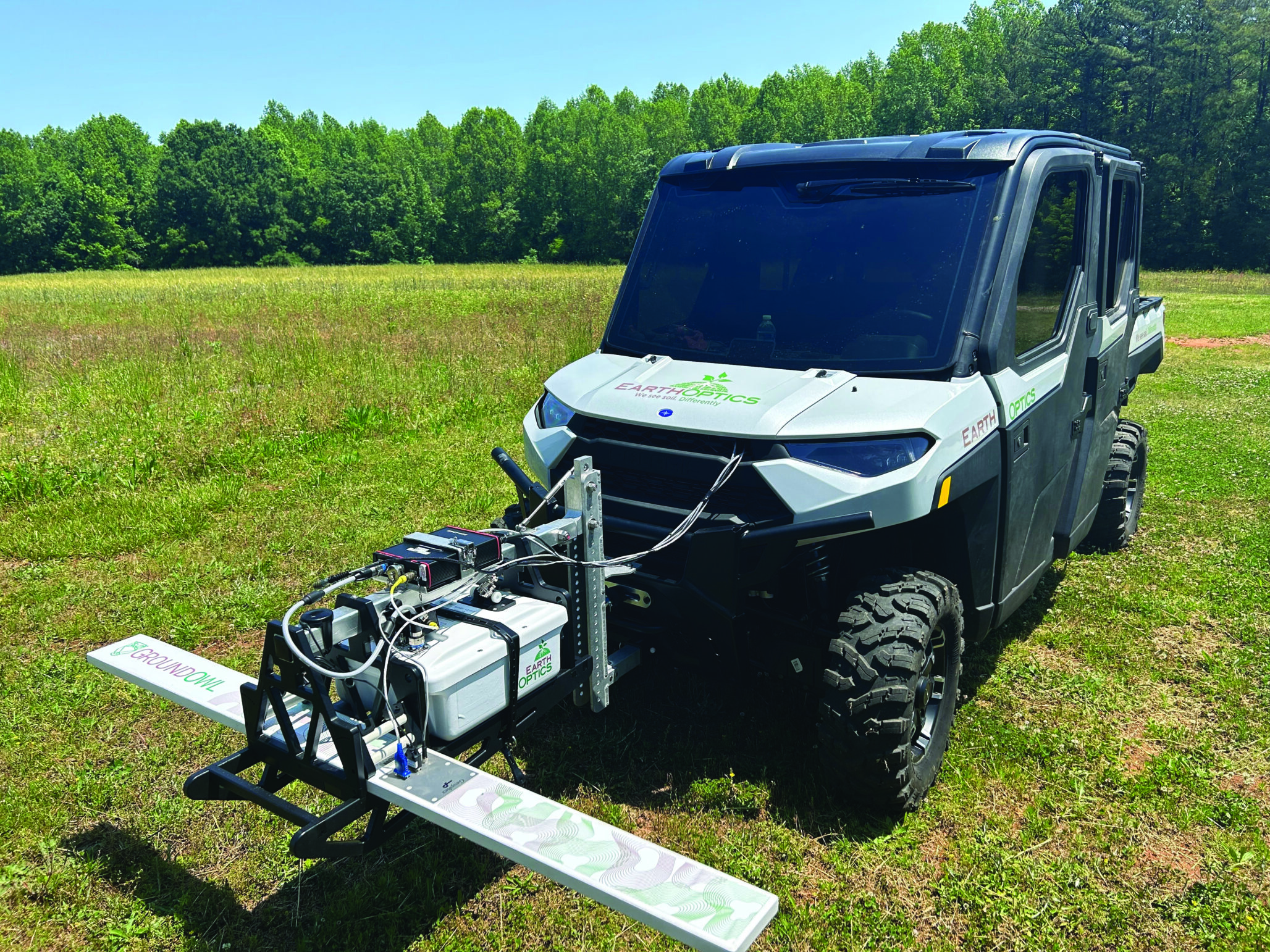
To capture that complexity, EarthOptics uses sensor-based scanning to reduce the number of physical samples needed and maximize the data pulled from each one. That data is layered with DNA analysis to build detailed physical, chemical and biological maps.
“Being able to get the high-res map allows you to place fertility precisely where it’s needed and not place too much where it’s not needed,” Dyrud says.
EarthOptics chief product officer Cam Norgate says those maps now inform a new level of accuracy for seed rate prescriptions and crop plans.
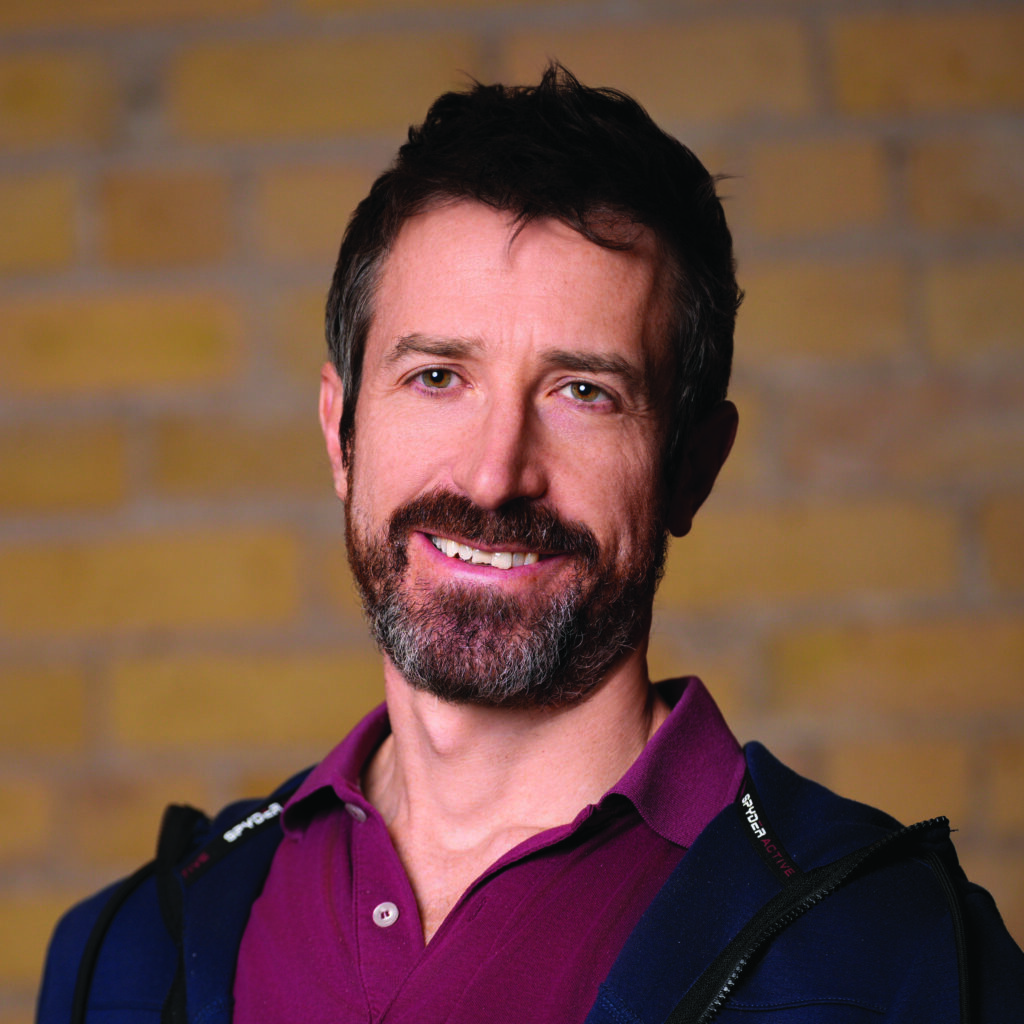
“You really want to make that based on a deep understanding of how your soil types vary, how that fertility and water is flowing throughout that field,” he explains.
Data That Protects Yield
EarthOptics goes beyond seed rate precision; it helps protect seed genetics from invisible risks.
“Our biological data allows us to have insight into the risks and opportunities that seed is going to face next season that we’ve never had before,” Norgate says. “You’re really making kind of a decision on which seed has a great yield potential…”
He said it’s essentially focusing on protecting yield potential while minimizing avoidable risks, such as placing a sensitive seed in a high-risk field.
Norgate adds: “These are all decisions farmers are making every year, but oftentimes they’re making their kind of a guess, right? It’s their best guess… and now they can actually know.”
A Partner, Not Just a Tool
EarthOptics works closely with seed companies and sees its platform as a natural fit for reps in the field.
“So, we see ourselves fundamentally as being a partner to the seed company and their reps… effectively a new, valuable tool in their tool kit,” Norgate says.
Some seed companies are already equipping their reps with baseline tools from EarthOptics, enabling them to create seed prescriptions using remote sensing and regional biological data. From there, they can dig deeper — literally — with full field scans and DNA-based analysis.
“That’s a bit of how we think about it,” Norgate says. “Bringing this tool set… getting it in the hands of their sales force to help them make better decisions for their farmers.”
EarthOptics is also helping seed companies improve how they run field trials.
“We work with a number of partners… doing the measurements for their seed trials,” Dyrud says. “We come in, do our full set of measurements, including chemistry and biology… and that allows us to start improving our models around the kind of placement that Cam’s talking to.”
Deeper Roots, Stronger Traits
With more traits focused on sustainability, nitrogen efficiency, and disease resistance, Norgate says EarthOptics is ready to help validate performance.
“So, if you know you have compaction, well, then that can help you to choose kind of which seed is going to perform well in that heavier compaction type environment,” Norgate explains.
Norgate says much of the breeding work is actually focused on disease resistance, and referring back to their biological data is a key part of that process.
Norgate explains that with new diseases constantly emerging, breeders are in a continuous cycle of responding by developing improved resistance through breeding efforts. “And knowing what you’re up against… really helps you to place those seeds that have kind of that privileged genetic line, making sure you get them in the right field.”
Dyrud adds: “There’s a lot of growers that are solving a compaction problem with the seed placement… They’re trying to solve problems that result from the compaction that they could actually just get that cleared up — or if they knew it was an issue — that there’s a different rated seed that they’d actually be going after.”
Biologicals, Bundles and the Path Ahead
EarthOptics also supports biological product recommendations — especially seed-applied biofertility treatments.
“We’re finding 10, 20-bushel yield gains when they get the right product into the right field on that seed,” Norgate says.
That’s not just added yield — it’s added value for seed reps, too. “That’s like a new business for them,” Norgate says. “They add that on top of the seed they’re selling.”
Looking ahead, Dyrud views artificial intelligence as the company’s next major advancement. He envisions a near future where soil samples are fed into a biological AI system that analyzes the microbiome’s DNA and provides precise recommendations to optimize field performance.
He still remains focused on the core mission. “Our biggest goal is, again, more farmers, more agronomists.”
Norgate says the foundational needs of agriculture aren’t going anywhere. “We will be continuing to sell seed and need to place that seed effectively and get that in the ground,” he says. “The core of agriculture… becomes more and more important in this future emerging world.”
Dyrud brings it full circle: “There are two sides of the equation … one is helping farmers maximize their yield, but with all this data and insight, we can also help them reduce spend across the board too. So, it’s really about maximizing the ROI on the investments you’re making in your crop every single year.”