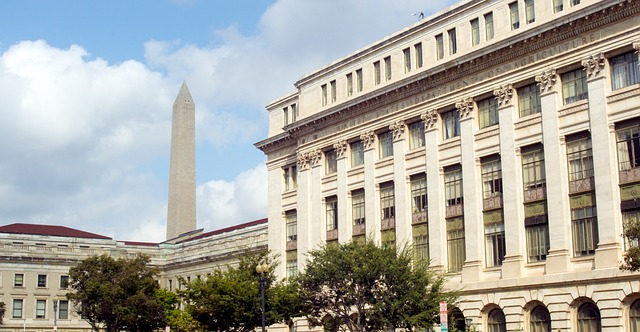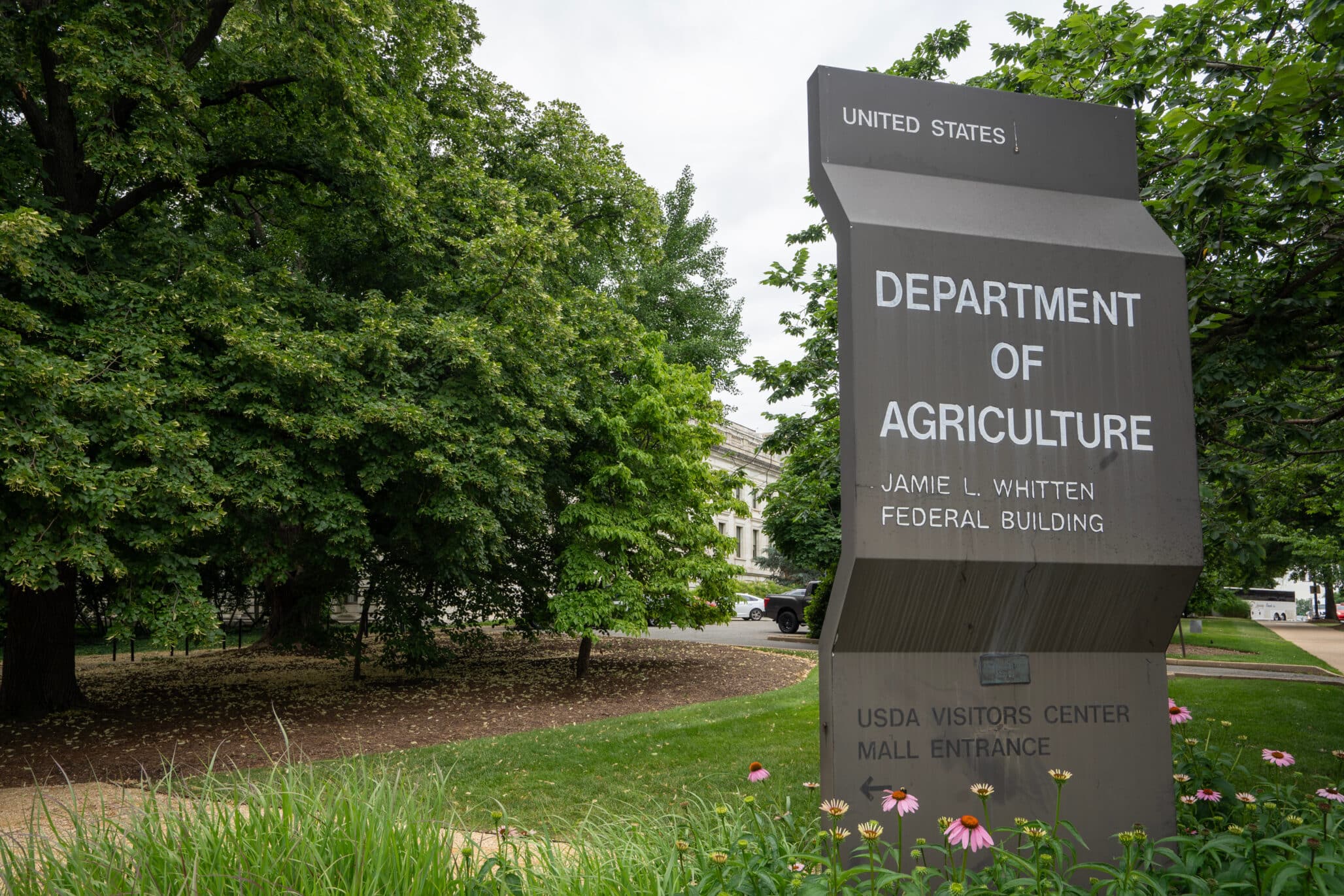
Recently, Secretary of Agriculture Brooke Rollins announced a sweeping reorganization of the U.S. Department of Agriculture. The initiative aims to realign the agency’s structure and staffing with what the department describes as its core mission — supporting American farmers, ranchers and foresters.
According to USDA leadership, the plan was prompted by budgetary constraints and a desire to improve service delivery to agricultural stakeholders. Over the past four years, USDA’s workforce grew by 8%, and employee compensation increased by 14.5%. The department notes these increases were not matched by proportional gains in service or output, and that much of the federal workforce in Washington, D.C., occupies buildings with costly deferred maintenance and underutilized capacity.
The restructuring focuses on four key objectives:
- Align workforce size with available resources and priorities
- Relocate staff closer to farming communities
- Streamline management layers
- Consolidate redundant support functions
One of the most significant changes involves relocating up to half of USDA’s National Capital Region staff—approximately 2,600 employees—to five regional hubs: Raleigh, North Carolina; Kansas City, Missouri; Indianapolis, Indiana; Fort Collins, Colorado; and Salt Lake City, Utah. These cities were chosen based on existing USDA presence and cost-of-living considerations.
USDA says all critical services will continue, including food safety, wildfire response, and national security functions. A federal hiring freeze remains in place, but key public safety and security roles have been exempted. The agency is also reducing its overall workforce. Most of those reductions, it says, have come through voluntary retirement programs, with more than 15,000 employees opting to leave through the Deferred Retirement Program.
This marks the first phase of what the agency describes as a multi-month process. More detailed information for specific offices is expected in the coming weeks.
What It Could Mean for the Seed Industry
For seed companies, breeders, exporters and researchers, the potential impact of USDA’s changes will depend on how relocation and workforce reductions affect daily operations. While the department promises continuity, history shows that large-scale moves often come with disruption.
Many USDA offices play vital roles in the seed industry. Agencies like APHIS, AMS and FAS oversee phytosanitary inspection, certification, trait approvals and trade facilitation. If these functions are slowed by staff turnover or organizational shifts, seed companies could face delays in everything from export shipments to regulatory reviews.
The reorganization may also reshape how seed professionals access USDA expertise. For those based near the new hubs, proximity could improve collaboration. But for national associations, policy teams, and research partners used to working closely with D.C.-based staff, the move could create new barriers.
Public-private breeding efforts could also be affected. Facilities like the Beltsville Agricultural Research Center are slated to be vacated. It’s not yet clear how those research programs will transition — or whether key partnerships in genomics, trait development, and seed systems will remain intact.
Finally, seed exporters will be watching closely. The announcement arrives at a time when global seed trade is increasingly complex. Disruption to trade-facing offices could lead to bottlenecks in export approvals, slower response times during phytosanitary emergencies, or gaps in international coordination.
This reorganization may bring USDA closer to some stakeholders — but farther from others. For the seed industry, the devil will be in the details: continuity, institutional memory and access to regulatory expertise matter more than ZIP codes.
As this process unfolds, seed companies and associations have a critical opportunity to offer input, advocate for seed-specific functions to remain strong, and ensure that USDA’s realignment doesn’t come at the expense of innovation, trade or the growers who rely on both.