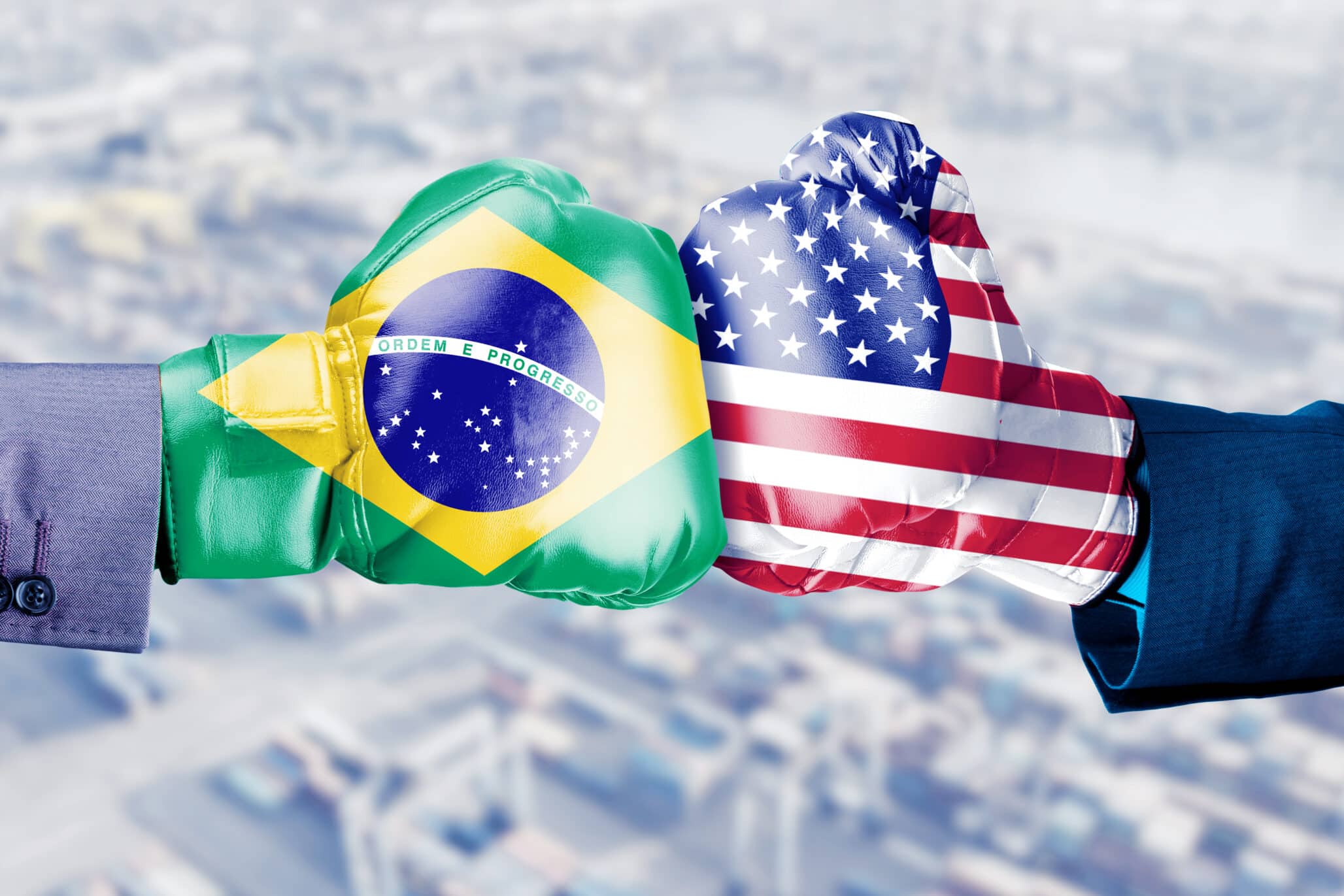
USTR probe underscores the link between trade policy, corn acres, and seed demand.
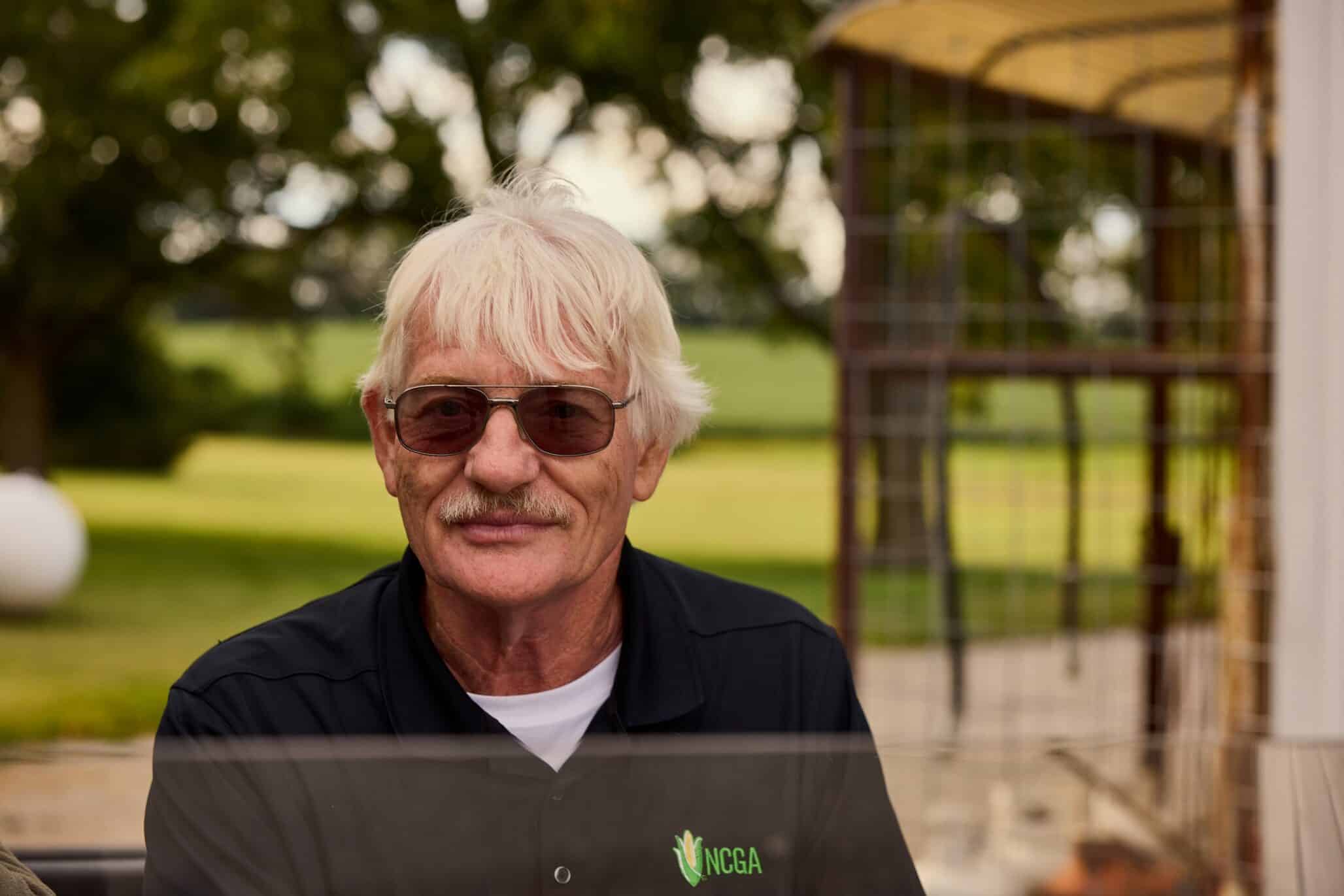
One of the nation’s top farmers pulled no punches this week while testifying before a U.S. trade panel. Illinois farmer and National Corn Growers Association (NCGA) President Kenneth Hartman Jr. told members of a U.S. Trade Representative Section 301 panel during testimony this week that Brazil’s actions are actively harming U.S. corn growers.
“Unfortunately, Brazil does not value a level playing field and unfairly penalizes U.S. corn growers,” Hartman said in a NCGA news release. “Over the past decade, Brazil has taken targeted trade actions aimed at evaporating current and future demand for U.S. farmers.”
The testimony follows USTR’s initiation of a Section 301 investigation into Brazil’s trade practices. At the heart of the dispute is ethanol. For years, U.S. corn growers and ethanol producers had a strong market in Brazil. That began to unravel in 2017, when Brazil imposed a 20% tariff on U.S. ethanol. Though briefly suspended, the tariff was reinstated at 16% and later raised to 18% in 2024.
The Impact Was Immediate
“Brazil was the top market for U.S. ethanol exports by far,” Hartman said. “But as soon as the tariff was reimposed, the market was in freefall decline. And while Brazil was imposing tariffs that resulted in a decline of American exports, Brazilian sugarcane ethanol was being imported into the United States at an increasing rate.”
NCGA has made the issue a top priority. Hartman stressed that if negotiations fail, the United States must be prepared to respond.
“We have thoroughly documented our views supported by evidence and stand ready to work with the Trump administration to fix years of economic harm and fight for what we deserve,” he said.
Why It Matters for the Seed Industry
At first glance, tariffs on ethanol may seem far removed from seed companies, but they ripple through the entire value chain. When ethanol demand shrinks, corn acres contract. Fewer planted acres mean fewer bags of seed sold. The situation in Brazil underscores how trade disputes can directly affect markets for seed companies and farmers alike.
Trade is about more than numbers; it’s about predictability. Farmers and the seed industry thrive when markets are open, transparent and reliable. When they aren’t, the whole system feels the shock.