Ask any grower what a good field looks like in mid to late season, and the answer is almost always the same: uniform stand, clean rows, plants that aren’t begging for help. But here’s what I’ve learned after walking hundreds of those fields — some of the best-looking crops aren’t the ones that got the most attention. They’re the ones that needed the least.
That might sound counterintuitive, but think about it: fewer rescue sprays, fewer replant conversations, fewer mid-season headaches. The growers who get to that point aren’t just lucky: they’ve built their season on early decisions that paid off quietly and consistently. That’s good agronomy AND smart business.
At the end of the day, economic sustainability matters. It’s not about chasing the highest yield at all costs. It’s about getting a return without over-investing in correction mode. More often than not, that starts with what’s on the seed.
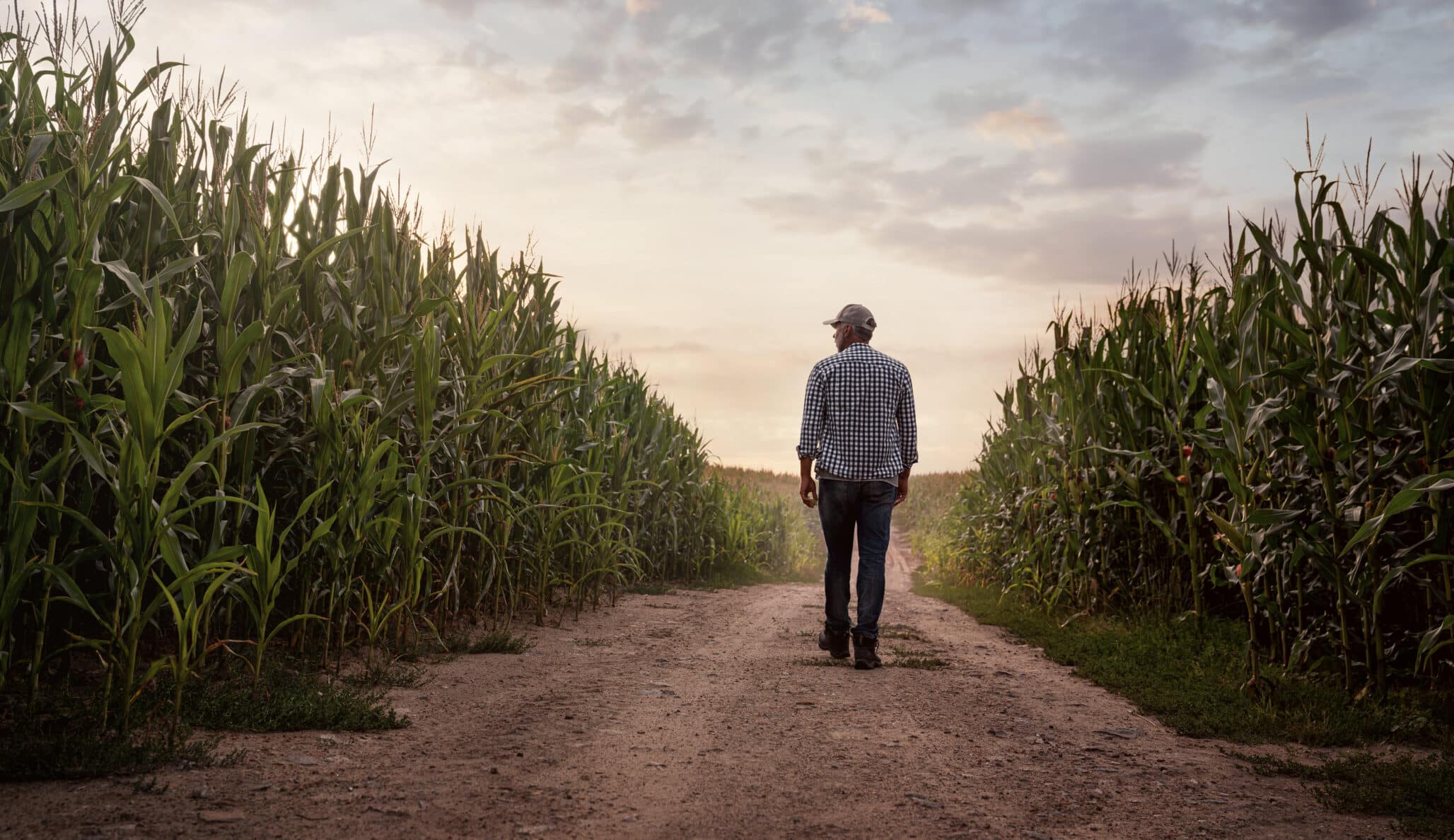
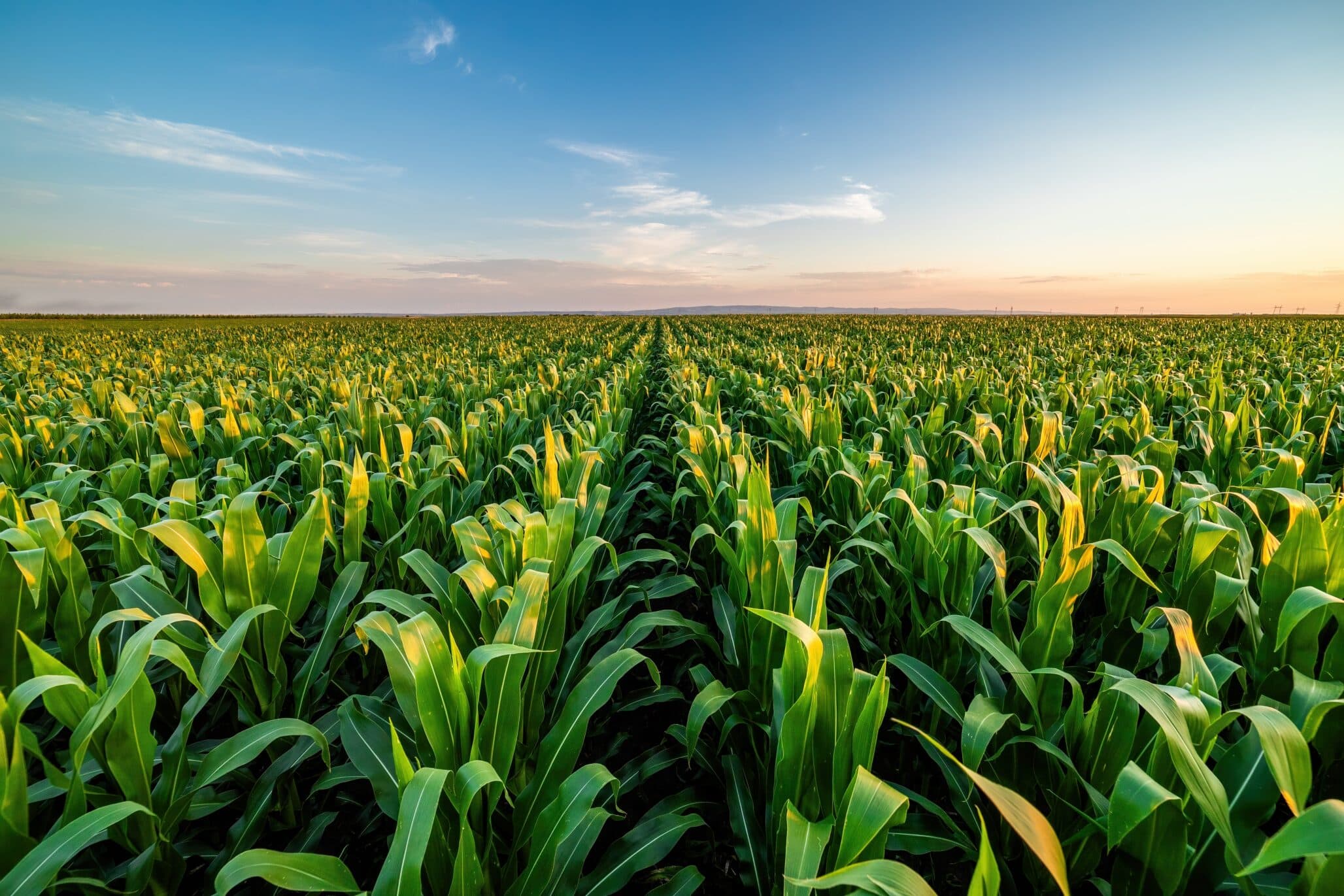
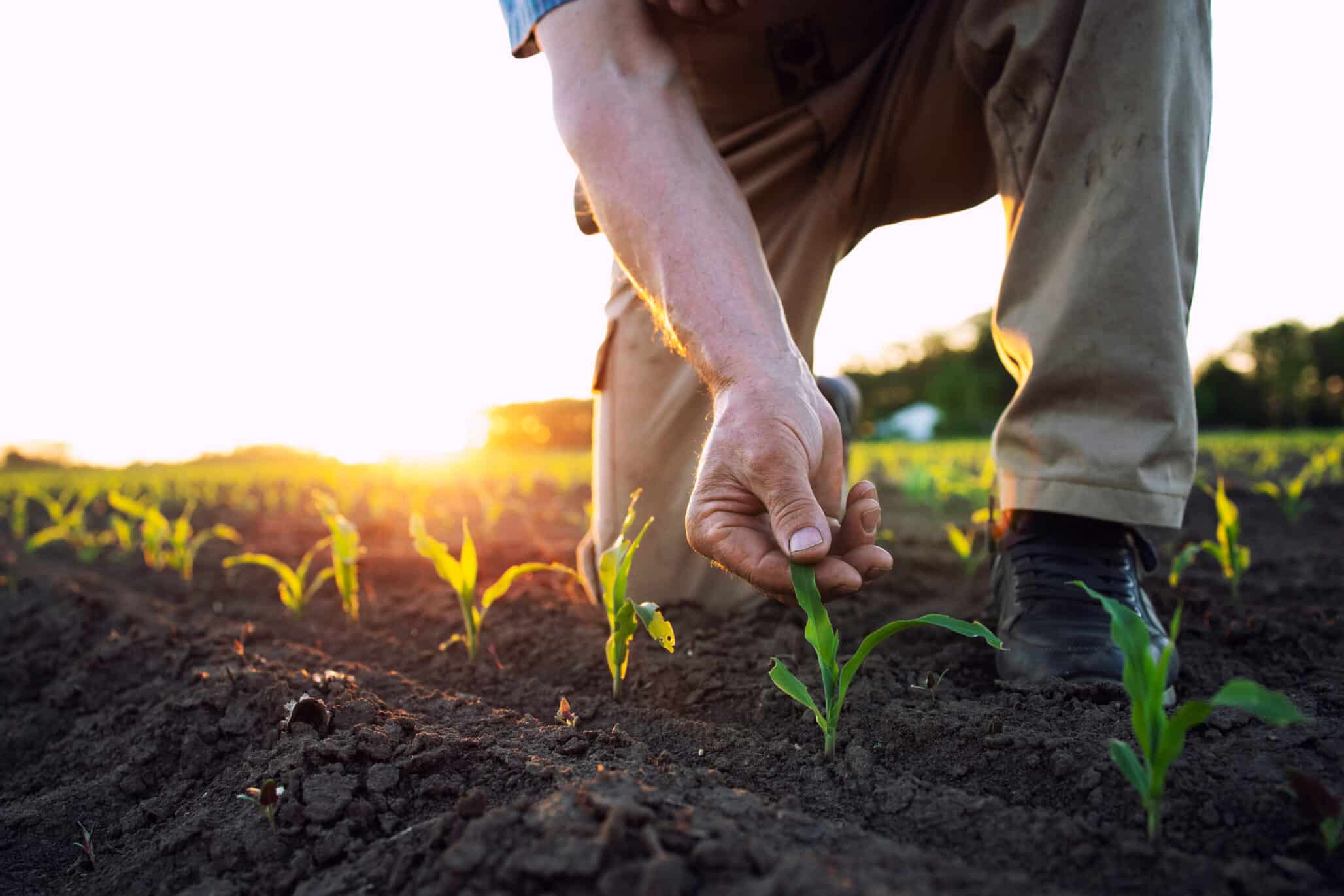
When I walk fields that are standing tall and even, it’s almost always because the crop got a clean start. Strong emergence, solid roots, and low early pressure: that’s the quiet work of the right seed treatment. It’s the kind of insurance that never makes a headline but sets the tone for the whole season.
On the flip side, I’ve also walked fields that look like they’ve been in a bar fight. You can usually trace it back: early disease, insect pressure, poor stands. And once that train’s off the rails, you’re chasing fixes with extra fungicides, insecticides, and fuel. It’s stress: on the crop, on your wallet, and on your time.
That’s why I think seed treatments are one of the most overlooked tools in making farming more efficient and sustainable in the ways that actually matter to growers. Fewer inputs, applied more precisely. Fewer trips across the field. Less compaction. Fewer broad-spectrum sprays. More resilience when weather or pressure shifts. That’s not just good for the crop; that’s good for the soil, good for margins, and good for peace of mind.
You won’t see a seed treatment’s impact in a single moment. But you will see it in the way a field holds up under stress, in how much less you need to intervene, and in how often you get to let a field do what it was meant to do: grow.
To me, that’s the real definition of sustainability: doing more with less, making every decision count, and setting yourself up to succeed again next season.