Political uncertainty keeps rising, but American Seed Trade Association (ASTA) chair Dave Treinen says the biggest risk isn’t regulation. It’s silence. He says innovation wins when the seed industry speaks up and stays close to growers.
The U.S. seed industry sits at a complicated intersection where government policy, global trade pressure, farmer economics, and scientific innovation converge. The path forward feels foggy some days, thanks to shifting political priorities, new regulatory debates, and lawmakers who rarely arrive with agricultural fluency.
Still, the industry isn’t stalled. It’s adapting, and in many cases accelerating.
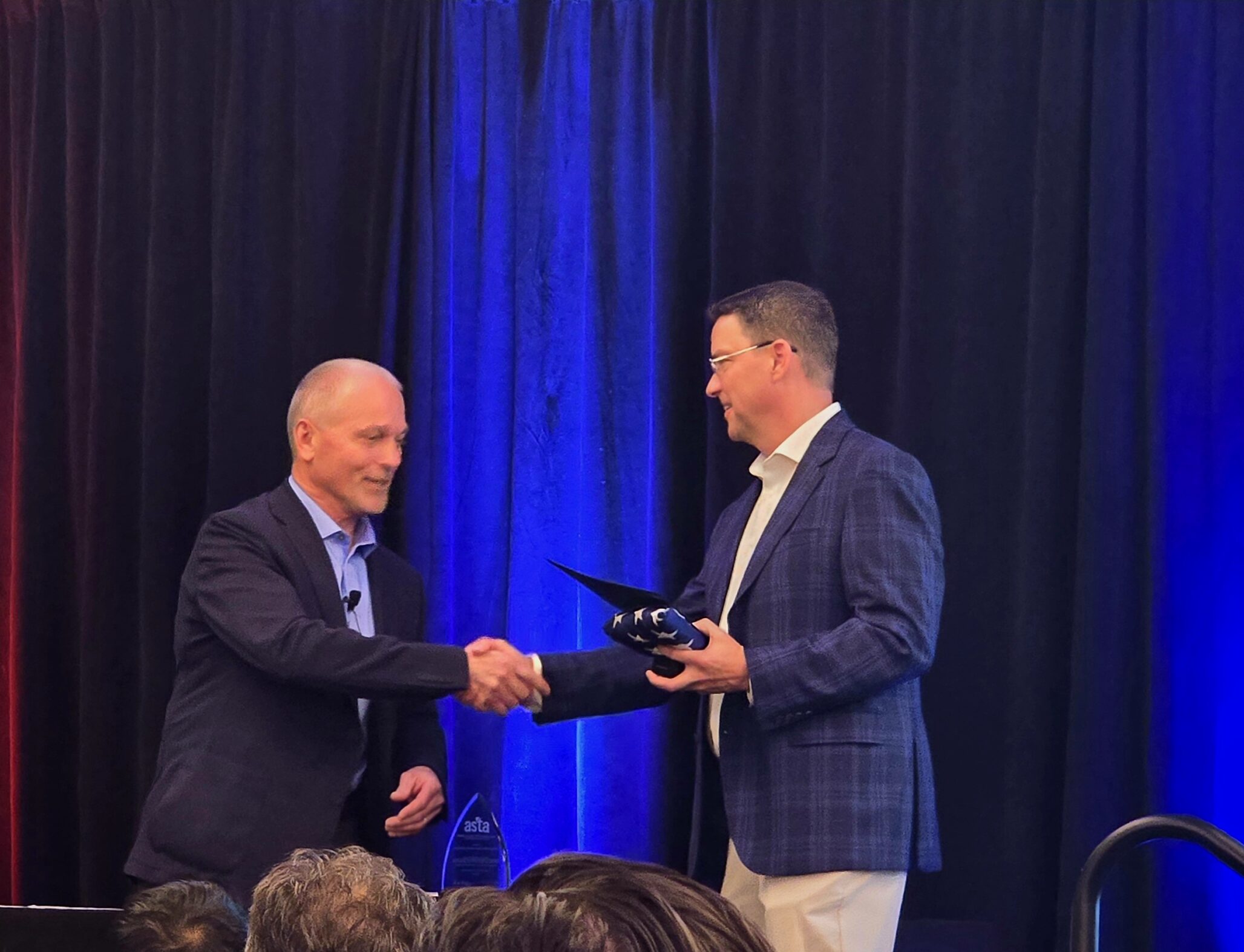
ASTA chair and Greenleaf Genetics head Dave Treinen argues that the next era of growth in U.S. seed industry policy depends not just on new technology, but on who shows up to explain it, defend it, and guide it through Washington.
“There’s a lot of uncertainty. There’s a lot of back and forth,” Greenleaf Genetics head and ASTA chair Dave Treinen says. “Our priorities remain the same, and that is to make sure that we’re bringing innovation through our members that ultimately get used by farmer customers.”
How is U.S. Seed Industry Policy Influenced by Politics and Public Perception?
Unlike many sectors that lobby softly from the sidelines, the seed industry sits at the beginning of the food chain, where regulatory shifts ripple outward into every agricultural market.
Treinen stresses that engagement isn’t optional.
“What we want to do is make sure that we’re having those conversations… we’re promoting and we’re advocating for agriculture and our members,” Treinen says. “Everything starts with seed.”
He believes policy misunderstandings aren’t rooted in hostility toward agriculture, but in a knowledge gap.
“We’re having purposeful and relevant conversations to enlighten people and to educate them on the impacts on political policy,” Treinen says. “And what that means in terms of potential upside, but more importantly, what the potential downside is for our members and our members customers.”
Why the U.S. Seed Industry Needs More Voices in Policy Conversations
The biggest limiting factor isn’t disagreement among seed companies. It’s the size of the chorus.
“We just don’t have a huge number of people that can tell the story,” Treinen says. “Everybody’s voice matters, and I don’t think we can take it for granted that somebody else is going to have a conversation.”
He argues that advocacy must start locally rather than relying on national groups to do all the heavy lifting.
“Everybody has a local Rotary Club, or everybody has a local school board, or they’re connected to their local politicians,” Treinen says. “It’s our responsibility to talk about agriculture and educate those that don’t know agriculture.”
U.S. Seed Industry Policy and Global Trade: Pressure That Drives Innovation
Regulation is only one force shaping seed markets. Trade relationships across North America and beyond remain in flux, adding pressure to both multinational and independent companies.
Treinen sees upside in discomfort.
“I bank on innovation and I bank on creativity,” he says. “Farmers and seed companies and our Association members are resilient at solving problems and bringing solutions given whatever the obstacles are that they’re faced with.”
But the risk comes when companies assume history is strategy.
“The risk is we think that we can keep doing things the same way over and over and over and expect a different result,” Treinen says. “We have to trust that innovation and creativity… perseveres.”
Independent Seed Companies Have a Strategic Advantage: Customer Proximity
With Greenleaf supplying genetics and technology to a wide range of independents, Treinen sees firsthand how grassroots insights shape product development.
“I get to work with a variety of different companies, large, small, intermediate, multi generational companies,” he says. “There’s a very diverse mindset, and there’s a very creative opportunity mindset.”
He believes policy strategy must connect to market reality, not the other way around.
“It starts with them understanding their customers needs and then bringing real solutions forward,” Treinen says.
Even as a technology supplier, Treinen rejects a transactional framing.
“We’re in this for a partnership,” he says. “We want to work alongside their businesses with their customers to provide and bring real solutions to the challenges that they face.”
The Future: Policy as a Platform for Innovation, Not a Barrier
For Treinen, the future of U.S. seed industry policy depends on who shows up, who educates, and who turns scientific progress into conversations that policymakers understand.
“Everything starts with seed,” he says. And the industry that controls the starting point will shape everything downstream — if it speaks up.