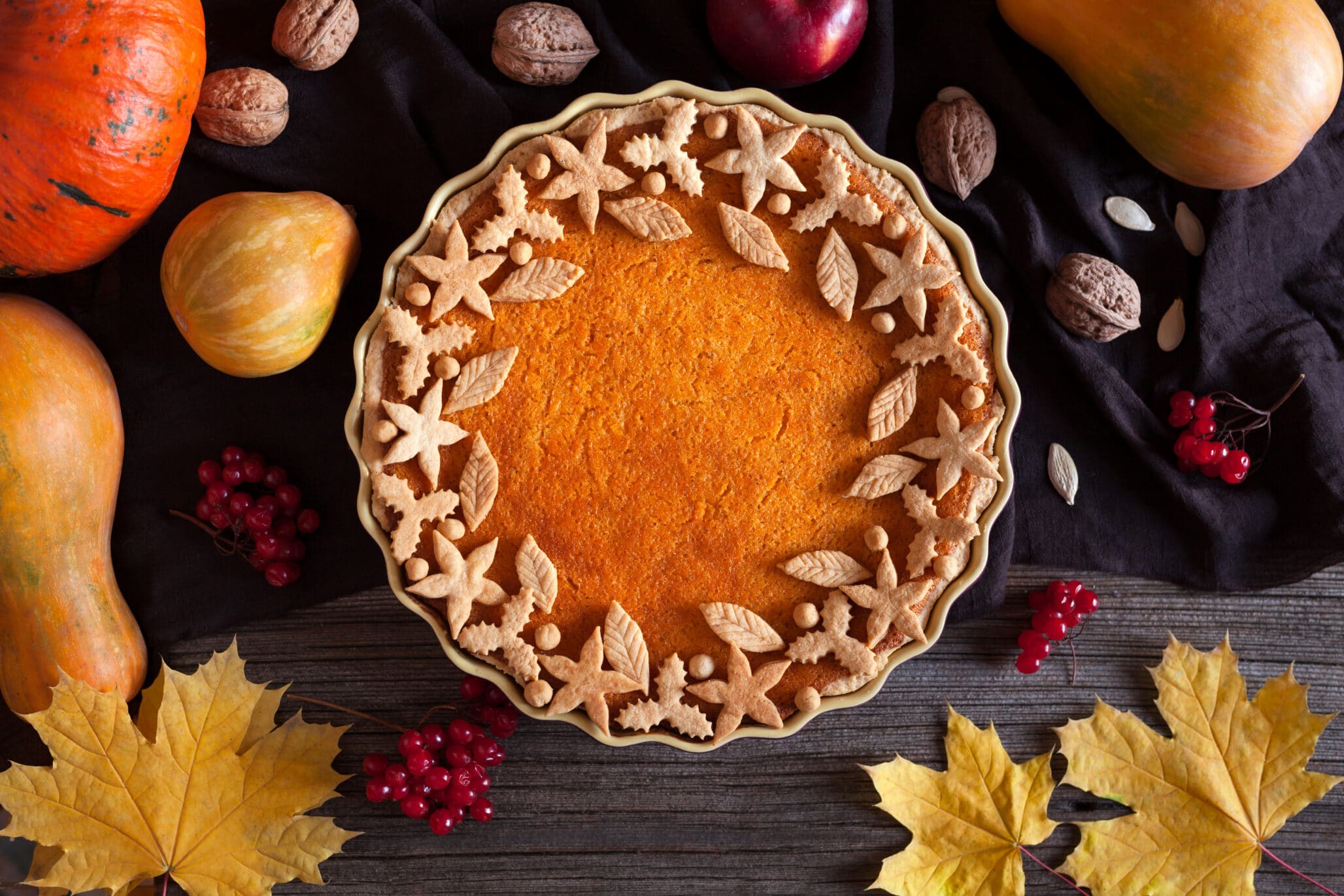
Thanksgiving pumpkin pie starts long before the baking begins. Specialized pumpkin seed varieties, seed oils and even the spice supply chain shape the flavors and textures that define the holiday.
Every November, kitchens across the country warm up with the same familiar ritual of preparing Thanksgiving pumpkin pie. Cans of pumpkin puree get stacked on counters, spices come out of the cabinet and pie crusts start to take shape. Most people never wonder where that smooth orange filling comes from. They assume it starts with the same pumpkin they carved a few weeks earlier.
But Thanksgiving pumpkin pie starts with a very different seed.
What Kind of Pumpkin Is Really in Thanksgiving Pie?
The pumpkin in almost every Thanksgiving pie is actually a Dickinson-type squash (Cucurbita moschata), bred specifically for dense flesh, rich color and a smooth texture that behaves predictably during processing.
The classic round, ribbed jack-o’-lantern on front porches in October is almost never used for Thanksgiving pies. Those carving pumpkins have been bred for size, color and sturdy handles that survive transport and display. They deliver great visual impact but produce thin, stringy flesh with limited flavor.
The pumpkin inside a Thanksgiving pie traces back to a completely different species. Most canned pumpkin comes from processing pumpkins that look more like butternut relatives than anything from the Halloween aisle. These varieties are bred for dense flesh, natural sweetness and a smooth texture that holds up through cooking and blending.
Thanksgiving depends on these genetics. Without them, pumpkin pies would collapse into a watery filling or turn out pale and bland. The seed behind the canned product carries traits that protect flavor, structure and the deep orange color people expect when they cut that first slice.
How Seed Traits Shape Thanksgiving Flavor
The pumpkins used for Thanksgiving don’t land on shelves by accident. They come from years of breeding focused on traits that matter to puree processors and the holiday market.
Dry matter levels drive the thick, custard-like texture people expect in pies. Carotenoid content controls the deep, rich color that signals flavor before anyone takes a bite. Genetics determine how much natural sugar develops without adding sweeteners. Flesh architecture influences how smoothly the pumpkin can be blended into puree.
Even consistency has a seed story behind it. Processors rely on varieties that behave the same way every season, despite weather shifts. Stability in the field leads to stability in the can, which leads to predictable results in Thanksgiving kitchens nationwide. These seed traits are the reason canned pumpkin stays consistent year after year, even when weather challenges supply in the regions where processing pumpkins are grown.
Where Do Pumpkin Seeds Go After Thanksgiving?
After Thanksgiving winds down, pumpkins don’t stop working. For processor varieties, the seed is the main product. The best seeds are selected, cleaned and stored for next year’s fields. These premium seeds carry the traits that keep the holiday supply chain reliable.
Surplus seeds move into other channels. Many go straight into livestock feed. Others enter specialty food markets, especially for hull-less pumpkin varieties used for protein powders, roasted pepitas or seed butters. For pumpkins grown primarily for seed extraction, the remaining flesh often becomes compost or cattle feed, adding value to a crop most people never see in raw form.
Thanksgiving demand drives all of these decisions. The holiday defines how many acres are planted, which traits get prioritized and how processors prepare inventories for the next season.
The Oils Behind Holiday Baking
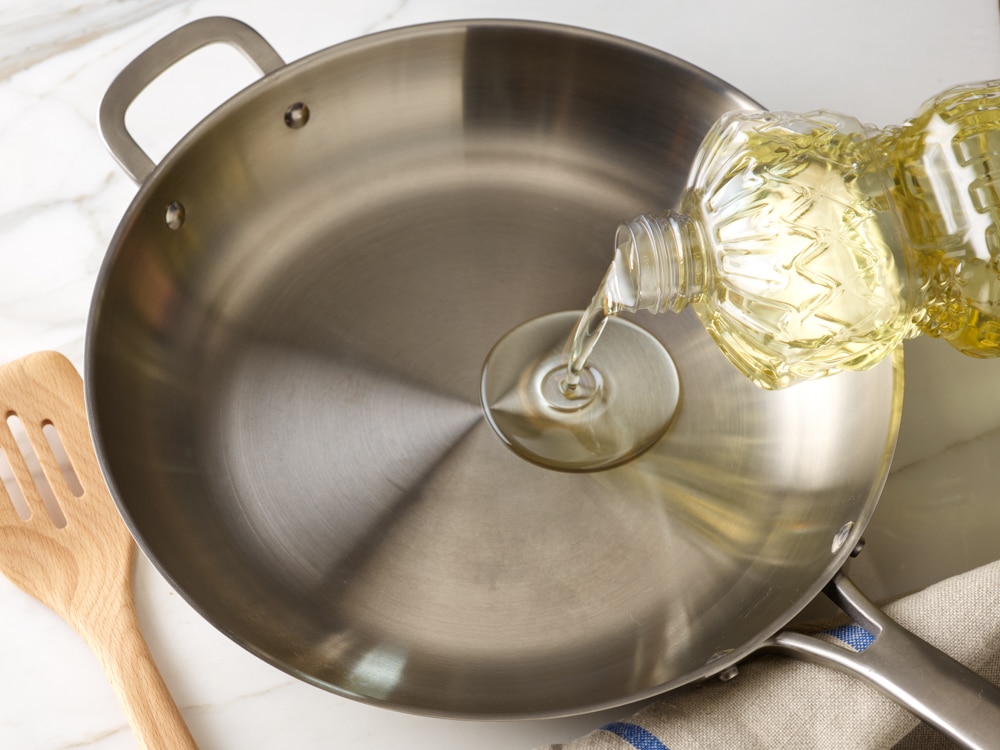
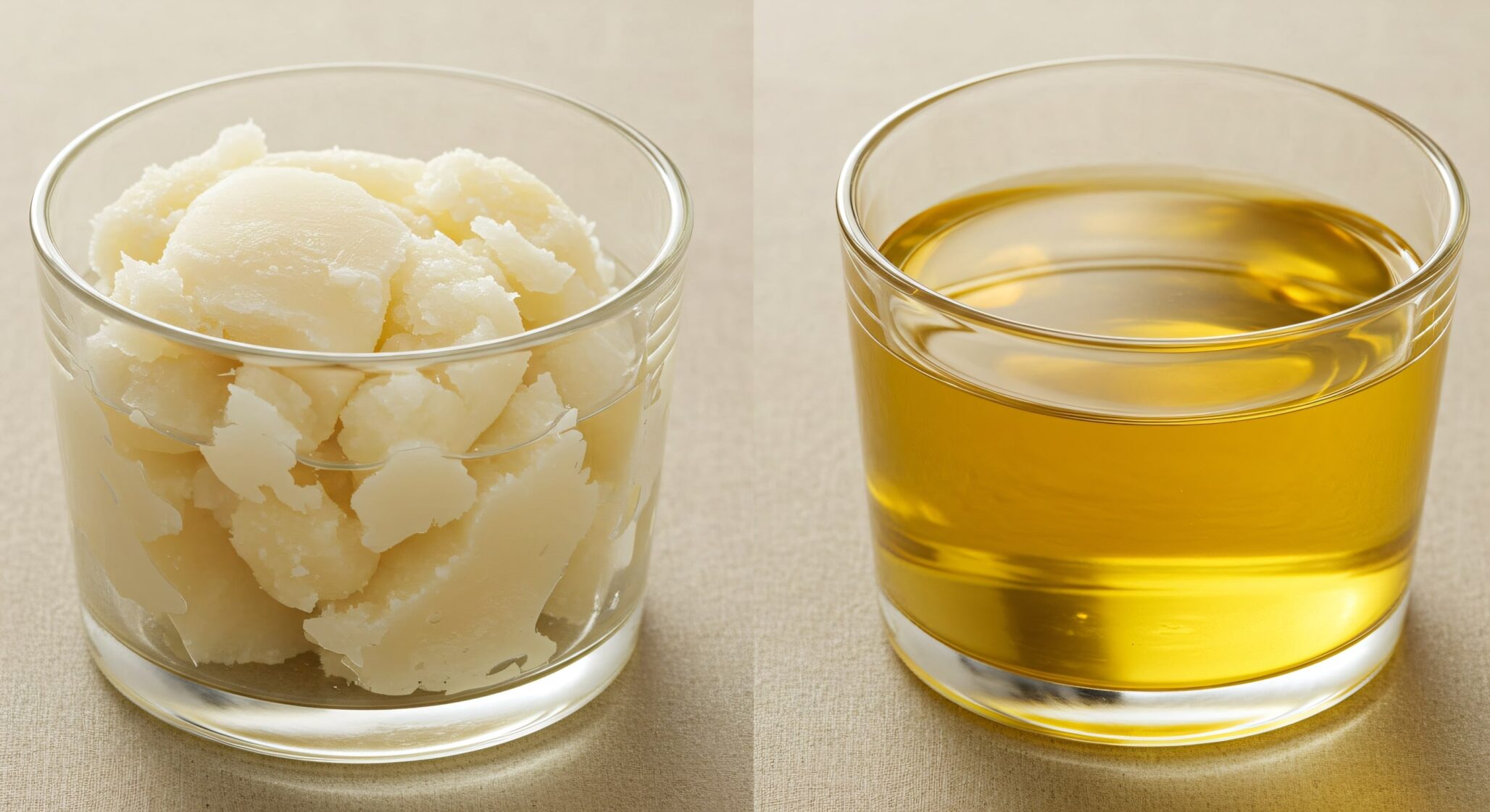
Pumpkin pie doesn’t stand alone at the Thanksgiving table. The crust often depends on the seed industry too. The neutral oils used in pie dough and holiday baking come from canola, soybean or sunflower varieties bred for specific fatty acid profiles.
These profiles determine whether an oil stays stable in heat, remains mild in flavor or creates the flaky textures home bakers want. The seed behind those oils has just as much influence on holiday desserts as the pumpkin itself.
Even the Spice Cabinet Depends on Seed
Pumpkin pie seasoning may seem far removed from the seed world, but the spice industry depends on uniformity and quality from seed-grown crops across the globe. Cinnamon, nutmeg, ginger and cloves carry their own seed stories upstream. Consistent flavor profiles allow processors and home cooks to maintain the iconic taste that anchors the holiday.
Thanksgiving flavors rely on predictability. That predictability is built into seed.
Protecting Future Thanksgiving Traditions
The demand for pumpkin puree peaks in November, and climate pressure has made consistent supply more complicated. Breeders are pushing for heat tolerance, drought resilience and stronger disease resistance to protect yields. Powdery mildew resistance continues to be a priority. As interest grows in hull-less pumpkins for seed-based foods, new market opportunities are emerging that may influence production acres long after the holiday season wraps.
Thanksgiving traditions feel timeless, but they depend on continuous innovation. Every slice of pumpkin pie represents years of breeding, selection and seed decisions made long before the can hits the shelf. As Thanksgiving evolves, the seed industry will remain central to protecting the flavors and textures families expect from pumpkin pie.
Read more about how seeds are the foundation of your holiday meals.
Sources for further reading: Hull-Less Pumpkin Seed Industry in Oregon; What are Dickinson Pumpkins?; Libby’s Pumpkins; Canola Oil Properties; Analyzing genomic variation in cultivated pumpkins and insights into Cucurbita spp. seed‑trait loci (PubMed).