Today’s seed innovation is about more than speed — it’s about delivering precision, resilience and sustainability for farmers.
AI, gene editing and real-world data are spurring collaboration and transforming how new genetics reach the field, and how quickly farmers reap the benefits.
Innovation in the seed industry has never moved faster — or felt more interconnected. From drones mapping thousands of plots to artificial intelligence predicting which hybrids will thrive before they’re planted, technology is rewriting how companies breed, test and deliver seed. Yet amid the data and discovery, a quieter transformation is taking root: collaboration.
Global Challenges, Local Solutions
In an era when consolidation dominates headlines, new alliances are forming between multinational research powerhouses and independent seed companies that know their farmers by name. Together, they are redefining what innovation means — not just more traits or higher yields, but greater access, diversity and choice. This shift reflects a more integrated ecosystem where ideas and technologies move fluidly from lab benches to local test plots, connecting science and soil in unprecedented ways.
Data Without Error
For Geoff Graham, Corteva global plant breeding lead, the pace of progress hinges on precision.
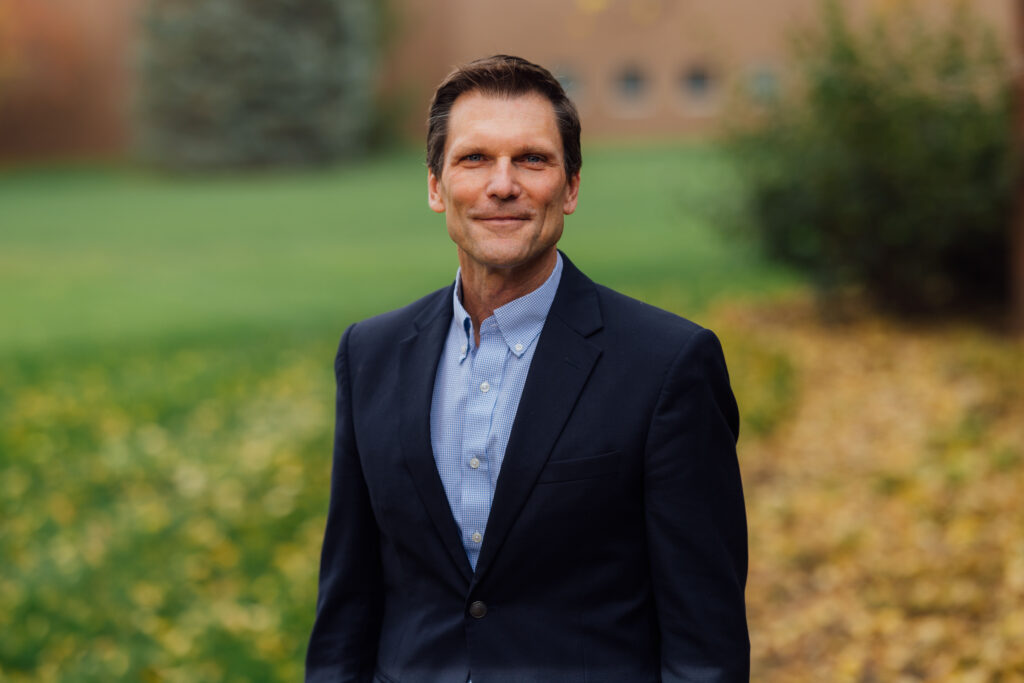
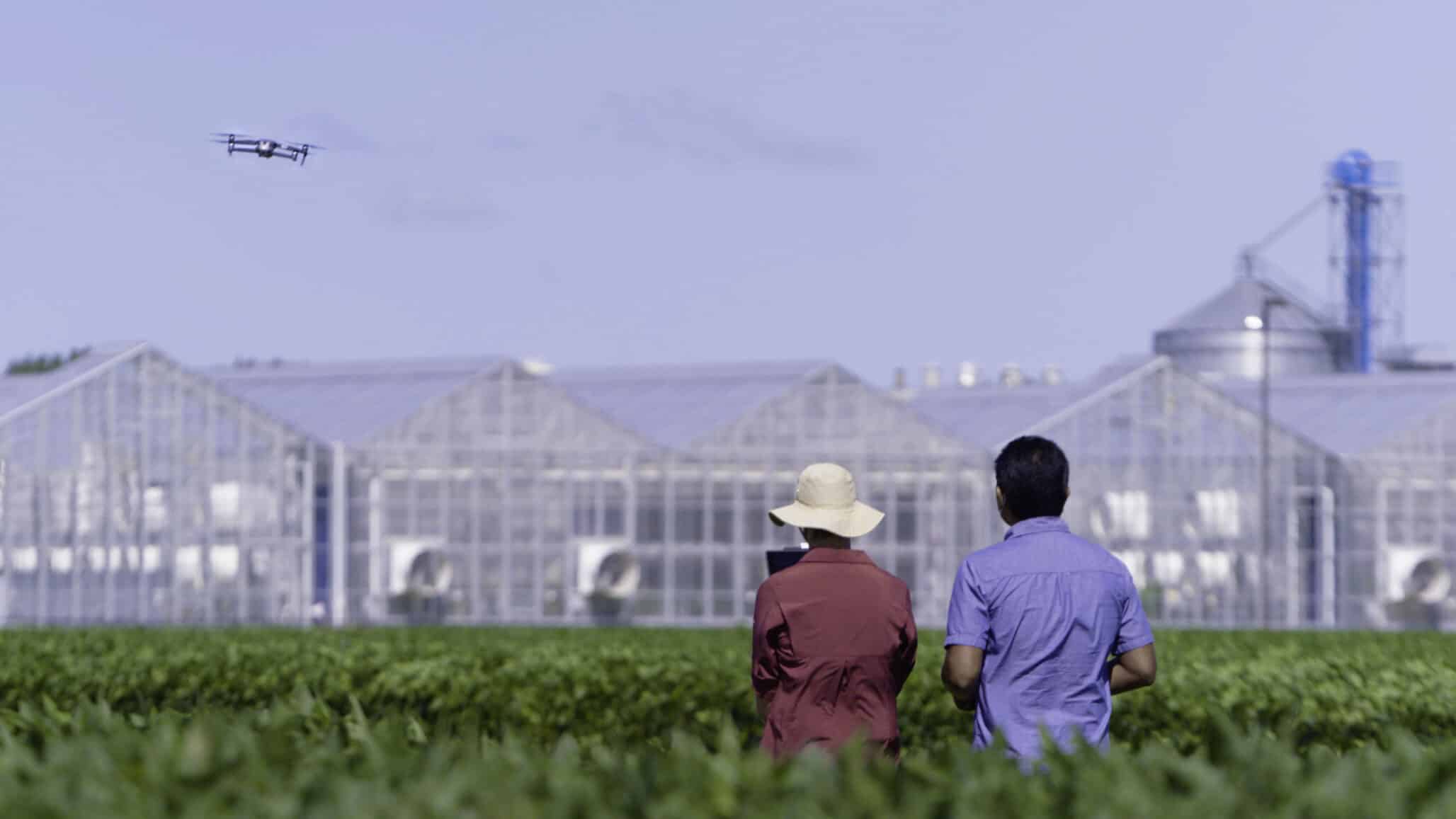
“We started collecting drone imagery back in 2012, before there were even regulations to fly them, so we did special training with our pilots,” he says. “This past year alone, we captured 80 to 100 million images across plots and experiments. The goal of so much data was simple: reduce error. Because if you have error in your system, you’re making bad decisions.”
The sheer scale of that data collection is staggering — and it’s changed the way research is done. Those millions of images are no longer just snapshots; they’re part of a living database that helps breeders predict how a seed will perform in different environments before it ever reaches a farmer’s hands.
That focus on refining data quality has fundamentally reshaped how Corteva moves from concept to commercial product.
“With the addition of genetic prediction tools, we have increased the accuracy in our early-stage pipeline, four to five-fold which allows us to bring better products to the market faster,” Graham says.
This leap in efficiency means farmers receive products that are not only delivered quickly but are also tested and tailored for reliability in real-world conditions.
By removing uncertainty, breeding programs gain both speed and confidence — and that opens new opportunities for collaboration. More importantly, it ensures that farmers see the benefit of precision long before the seed arrives in the bag. As data quality improves, collaboration across teams and disciplines ensures every advancement is grounded in real-world impact for growers.
From Traits to Teamwork
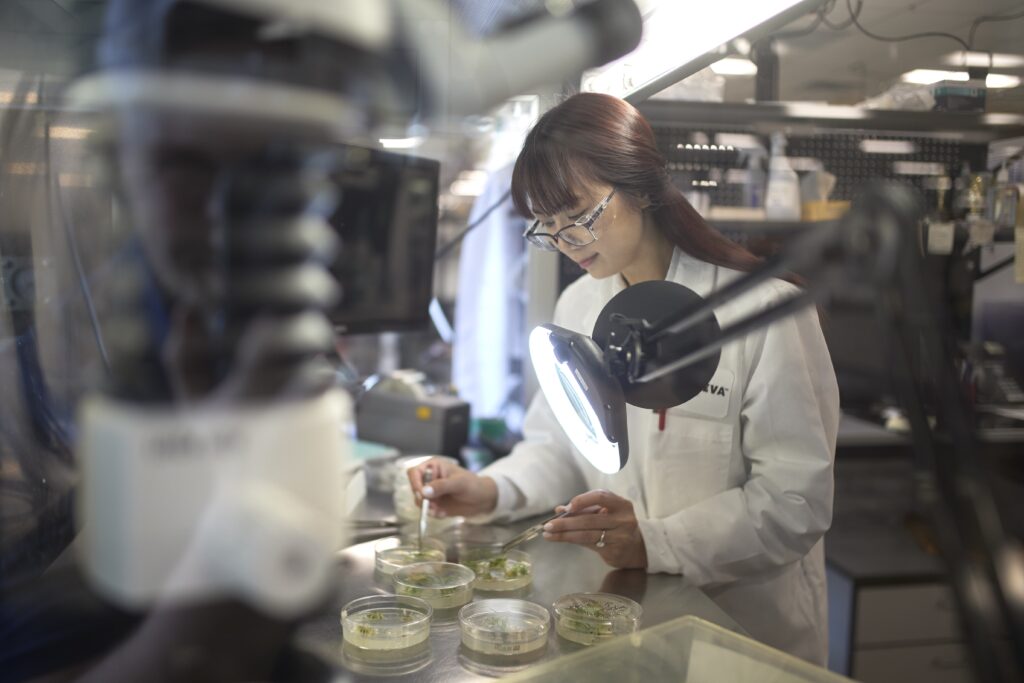
Wendy Srnic, Corteva’s biotechnology lead, sees the next frontier not just in creating traits but in combining them. While AI accelerates discovery, its greatest impact is in enabling more precise, reliable solutions for growers and supporting resilient agriculture.
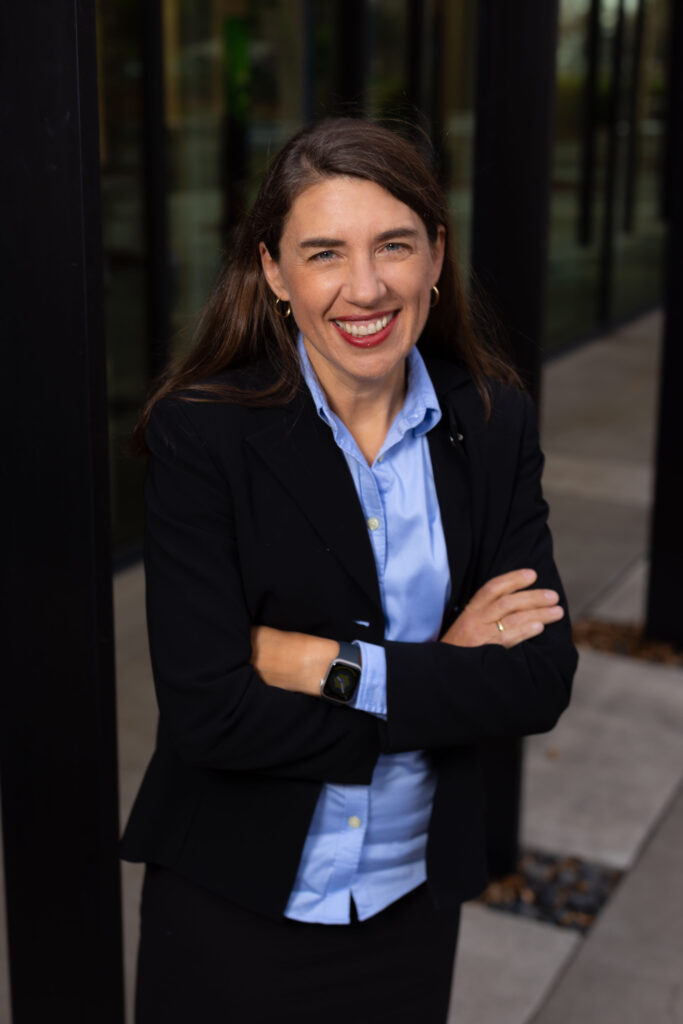
“For years, growers had to choose between strong roots or disease protection — rarely both,” she says. “Now, with gene editing, we can will be able to bring those genes together much faster. It’s like giving growers baseline insurance in the seed itself.”
Her team’s work in trait discovery and gene editing underscores how science has evolved from reactive to proactive. Instead of waiting for new pests or pathogens to threaten yield, researchers can now anticipate problems and design plants ready to withstand them.
“We’re finally able to enhance what nature already does. Everything we’re creating exists somewhere in the natural world. We’re just helping it get to the field faster and more reliably.”
Srnic believes artificial intelligence is accelerating that work at a rate no one expected.
“Everything that you hear about going on in terms of AI and computational biology is just helping bring these innovations to life faster, so it’s an exciting time,” she says.
The integration of AI into biology has compressed decades of trial and error into just a few years, giving scientists a clearer roadmap for discovery.
Opening the Pipeline
While research accelerates, business models are evolving to keep up. For Scott Schulz, who leads Corteva’s U.S. seed licensing and distribution business, innovation isn’t just about internal breakthroughs — it’s about access.
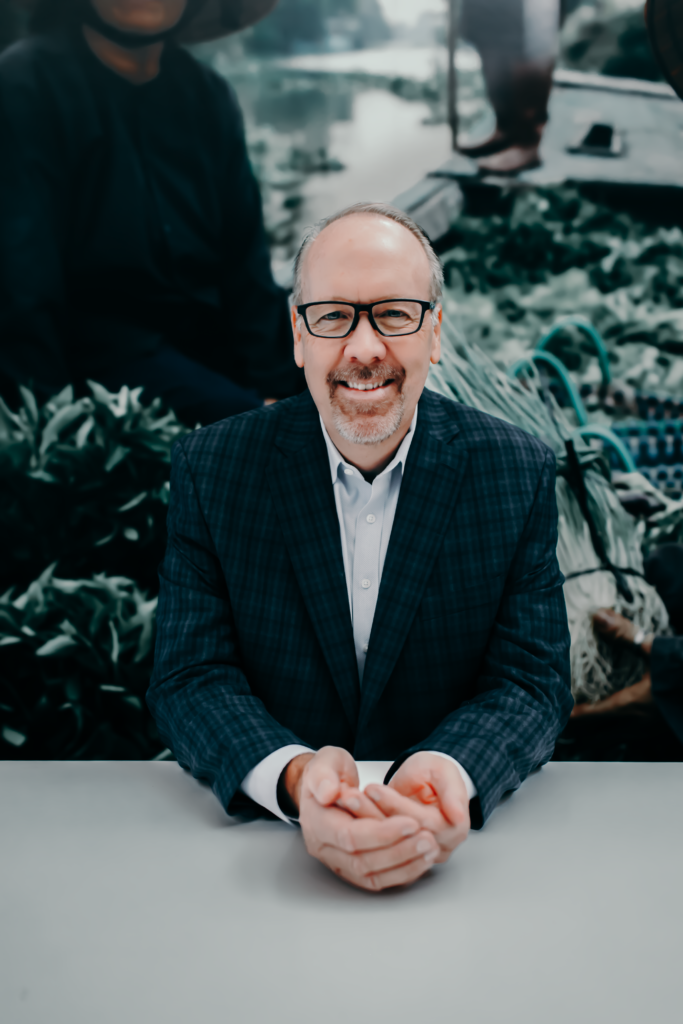
“We’re now able to out-license traits and germplasm to companies that reach growers we haven’t historically served,” he says. “That gives independent companies new options and farmers more choice.”
Licensing, often seen as transactional, becomes a platform for shared progress when done strategically. Schulz says partnerships with independent brands ensure technology doesn’t remain siloed within a few global players.
“We invest about $4 million a day in R&D, but the real question is where and how we invest it — and how that investment creates value at the farm level. That’s what drives lasting relationships.”
This shift marks a subtle but important evolution: innovation no longer stops at discovery. It extends through distribution and into the farmer’s experience, making high-end genetics and trait packages more broadly available than ever before.
Independent Voices, Shared Goals
For independent companies like Rob-See-Co, collaboration opens doors without losing their identity. Jim Robinson, who will take over as CEO in January, says the company’s strength lies in staying local while plugging into major R&D pipelines.

“Our model is built on simplicity, relationships and technology,” Robinson says. “Working with Corteva gives us access to high-performing genetics and traits that we can tailor to our customers’ environments. But we’re still focused on local data and how those products interact with biologicals and nutritionals on real farms.”
That emphasis on simplicity and trust resonates deeply with growers who value long-term relationships over short-term sales. Robinson says his team builds credibility by combining local testing with cutting-edge inputs.
“We create our own local data that reflects what our customers actually see in their fields. That information is valuable to Corteva, too. It’s a two-way exchange that helps both sides learn faster.”
He adds that for independent companies, balance is key.
“You never want to lose what makes your brand unique, but partnerships can strengthen what you do best,” he says. “The goal is to deliver profitability and trust back to the farmer.”
Diversity in the Marketplace
While consolidation continues to reshape the seed industry, partnerships like these sustain diversity and innovation at the same time. By bridging the gap between large-scale R&D and regional expertise, they give farmers options and preserve competition.
For Graham, it’s proof that agriculture continues to evolve even under pressure.
“Agriculture keeps finding new ways to thrive,” he says. “When you look at productivity per acre over the last century, it’s incredible. Even with climate challenges, output has gone up, not down — and that’s because innovation keeps pushing what’s possible.”
Srnic agrees, noting that the next wave of breakthroughs will happen faster than anyone expects.
“We’re combining AI, genetic modification, gene editing and global data networks with human expertise and local testing. The opportunities are only limited by imagination.”
The Future Is Collaborative
For Schulz, the most exciting part isn’t just what happens in labs, but what happens when technology reaches the field.
“At the end of the day, (our stakeholders) have to see value. If we deliver that clearly and make it easy to do business with us, then everyone wins,” he says.
The future of seed innovation, it seems, won’t be defined by size or geography but by connection — between data and biology, between science and soil and between companies once seen as competitors now working toward a shared goal: feeding the world with smarter, stronger seed.
As the boundaries between research, business and farming blur, one truth stands out: progress in agriculture depends on those willing to share ideas as readily as they share results. And in that exchange, the next great chapter of the seed industry is already being written.