For many seed companies, testing is treated as a regulatory necessity. Germination is checked, reports are filed, and attention quickly shifts to the next step in the process. But that narrow view may be overlooking critical opportunities.
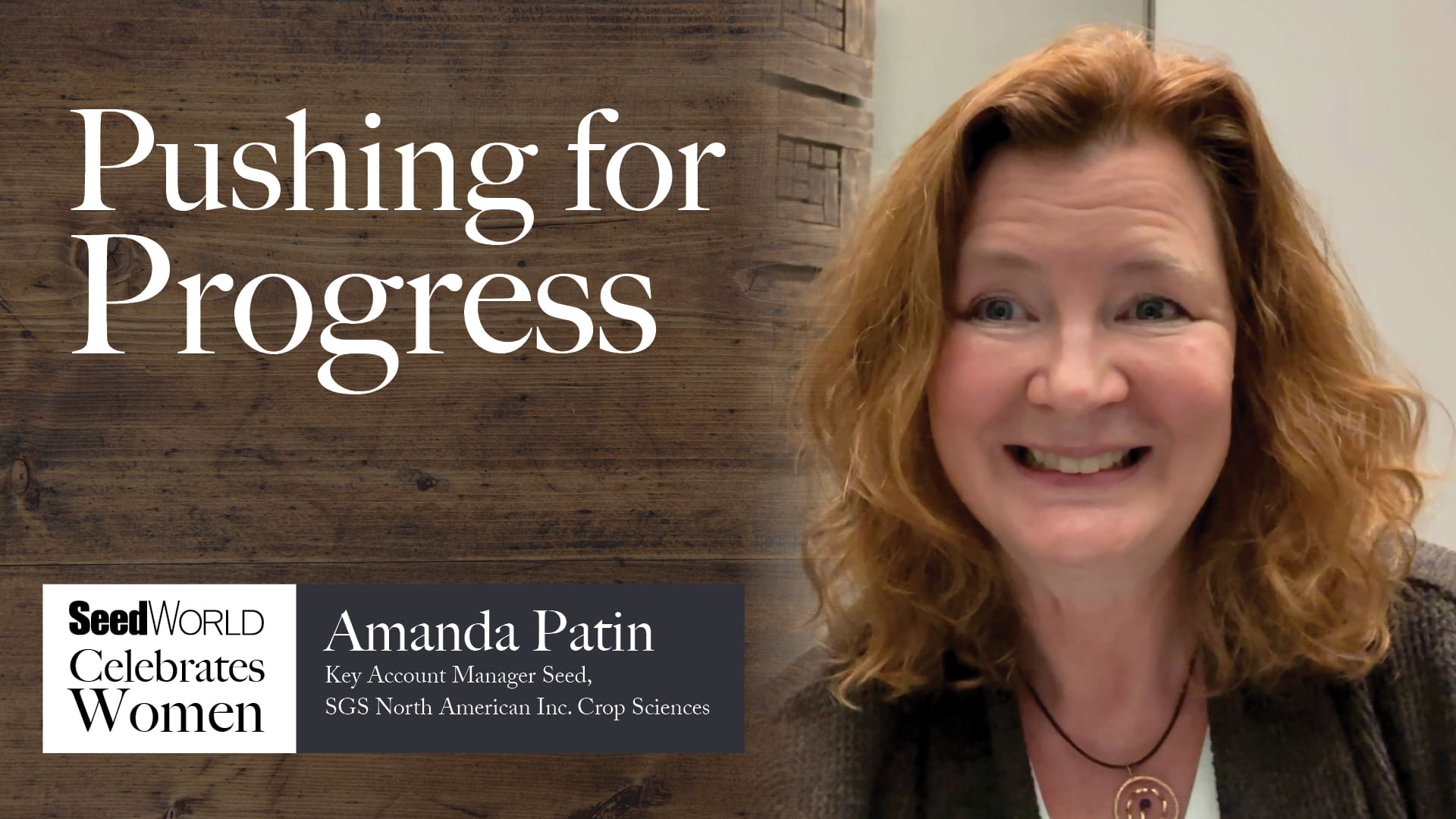
In this interview SGS U.S. Crop Science North America business development director Amanda Patin challenges the idea that seed testing is simply about compliance. She argues that while germination is essential, it represents only a small part of how seed quality shows up in the field. How seed responds to handling, stress, planting conditions, and pressure over time can vary widely, even when basic test results look similar on paper.
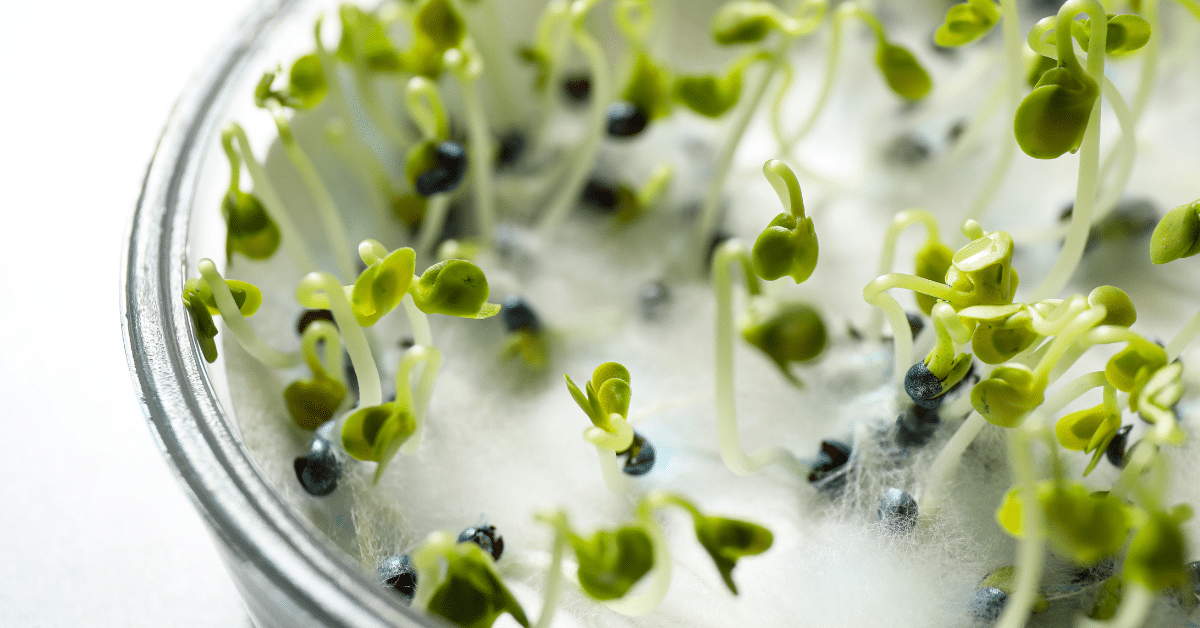
That’s where deeper testing comes into play. Factors such as vigor, mechanical damage, and pericarp integrity can influence performance in ways that aren’t always obvious but often become very clear once seed is in the ground. When those differences aren’t understood, it becomes harder to explain why one seed lot performs better than another, or why a product is better suited to specific conditions.
Patin also points to the business implications of this gap. When testing is treated as a checkbox, seed companies can lose opportunities to differentiate, build confidence with customers, and protect value. From an ROI standpoint, she suggests the cost of deeper insight is small compared to the cost of failure in the field.
This conversation pushes seed companies to think differently about what testing can reveal, how results are interpreted, and how closely they work with their labs.
Watch the full Seed World interview with Amanda Patin of SGS to hear why seed testing may be one of the most overlooked competitive tools in the industry.