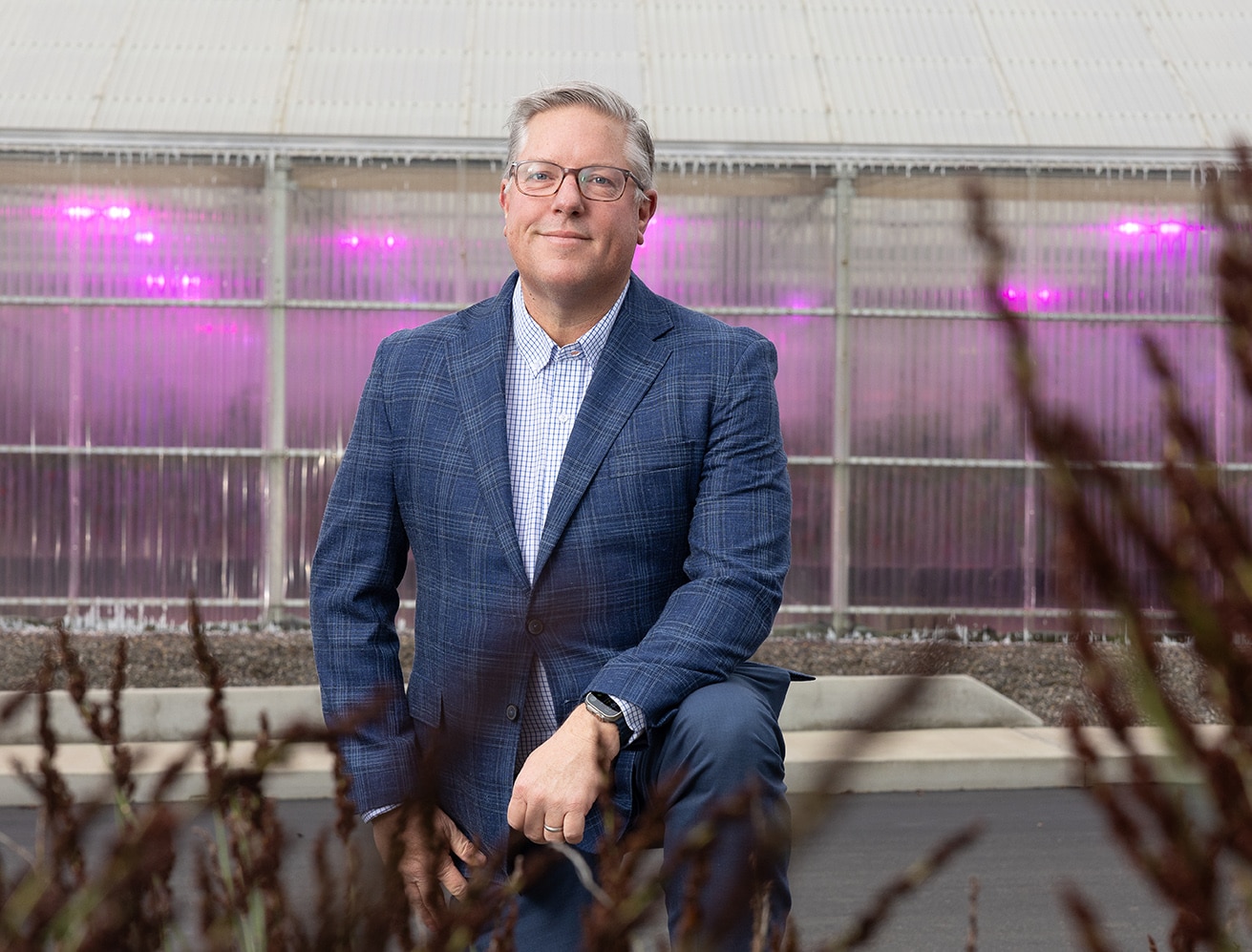
From AI-accelerated breeding to supply chain reality checks, Sakata Seed America’s Justin Davis explains where momentum is building, where risk is hiding and why culture may matter more than scale in the next five years.
Justin Davis has been around the vegetable seed business long enough to know that momentum can be misleading.
New tools arrive with promise. New platforms promise efficiency. New ownership structures promise scale. But Davis, chief operating officer, vegetable business at Sakata Seed America, has learned to measure progress differently. After nearly three decades in seed, beginning in production fields and moving through supply chain leadership and sales, he tends to look past the headline and focus on whether change improves execution.
Right now, he sees a sector moving quickly, but unevenly.
“The vegetable seed sector is moving fast and ever changing with the new breeding technology and AI and all these other great things,” Davis says. “So that gives me confidence that small and mid sized players can compete in this market against the larger, more capital funded companies.”
That confidence, however, is grounded in pressure rather than optimism. Consolidation continues to reshape the seed industry, narrowing ownership while increasing expectations. Grower consolidation adds another layer, shifting buying power and compressing margins at the same time.
“There’s a lot of consolidation in the market right now, both on the grower side as well as in the seed breeder part,” Davis says. “There’s a lot of smaller companies being bought.”
Vegetable and flower seed often avoid the sharpest volatility seen in row crops, but Davis says they still feel the downstream effects. Capital, attention and internal resources are frequently pulled toward larger acreage crops, leaving vegetable seed teams expected to perform with fewer people and tighter budgets.
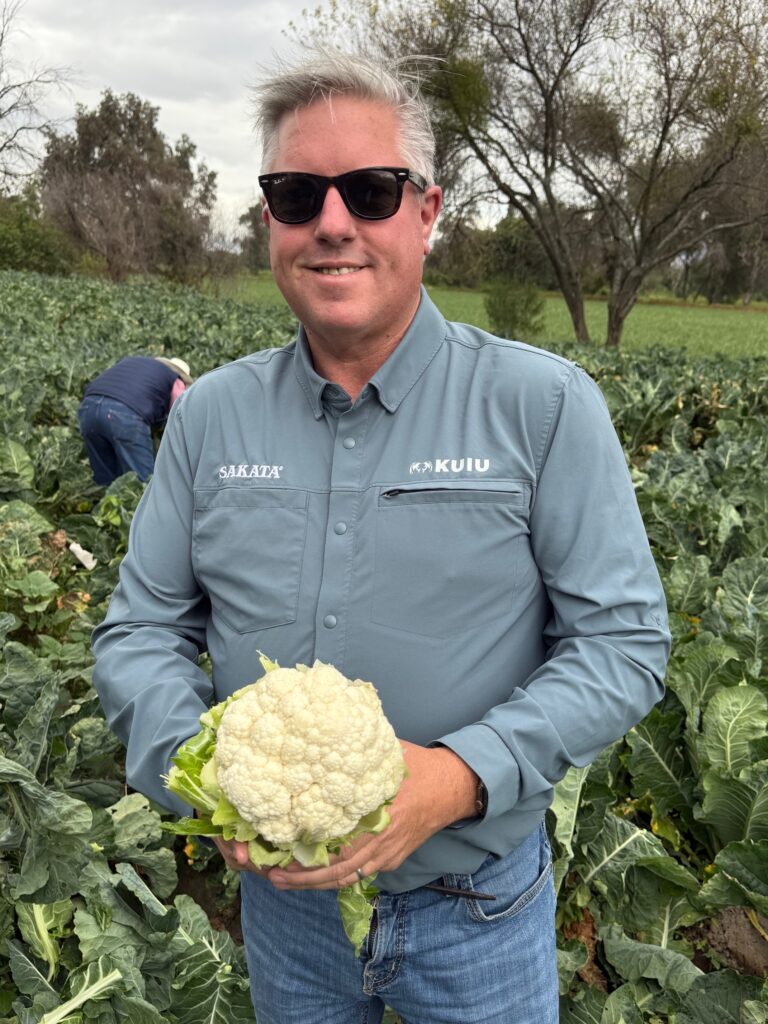
“Because we’re such a small sector, we’re sometimes treated like a rounding error,” he says. “But we’re very important, and we have to be nimble and move quickly, because the markets are shifting fast.”
That need for speed collides with a reality unique to seed. Variety development remains a long game, even as the world around it accelerates. Labor shortages, water constraints, disease pressure and shifting trade policy can all change faster than a breeding cycle.
“In a world where it takes 10 years to make a new variety, we have to do that faster,” Davis says. “But we also have to look into the future.”
For Davis, the challenge is not simply reacting quickly but reacting wisely.
“We have to change all the time,” he says. “We have to be nimble and fast enough to react but not overreact so much that we hurt ourselves.”
Global Scale, Local Decisions
One of the ways Sakata has managed that balance, Davis says, is by resisting distance. While the company operates as part of Sakata Seed Corporation, headquartered in Yokohama, Japan, decision making remains closely tied to local production regions.
“We’re a global company, but we act local,” Davis says. “And we have a lot of localized breeding.”
That philosophy shows up most clearly in how breeding programs are structured. Rather than centralizing decisions far from the field, Sakata maintains breeders and product development teams within key production regions, including Florida for East Coast tomatoes.
“We have a breeding center in Fort Myers where our breeder and product development team are right there with the growers,” Davis says. “Breeders are interacting face to face.”
That proximity changes the cadence of decision making. Feedback loops are shorter. Problems surface earlier. Adjustments happen before risk compounds.
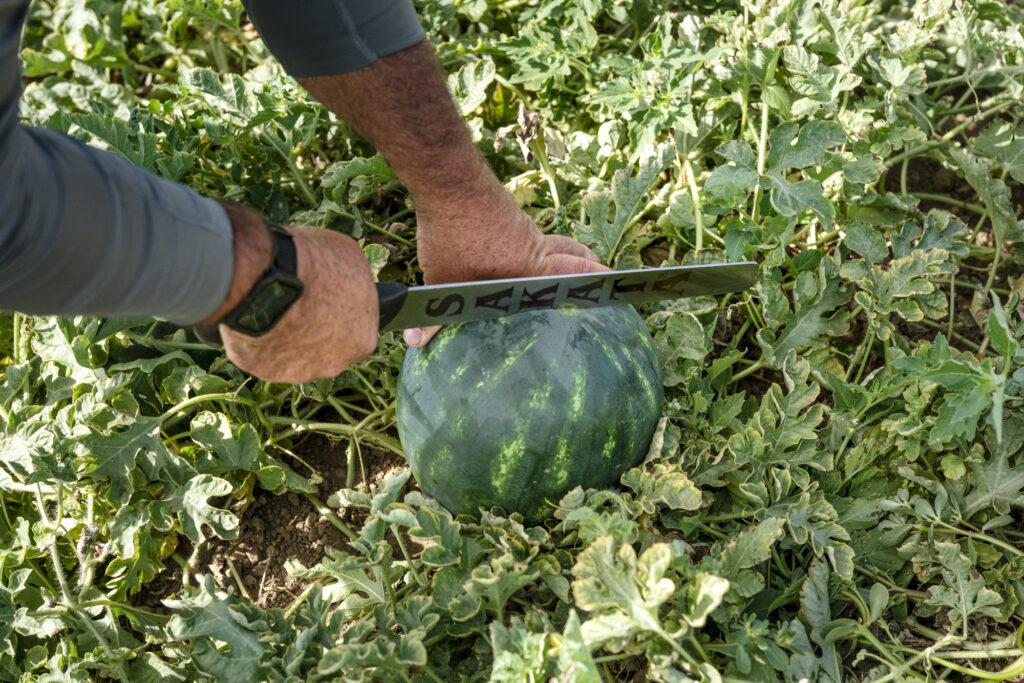
“We don’t have a lot of layers,” Davis says. “If we want to go a different direction, we can switch in a hurry.”
Speed Changes Everything
Advances in breeding technology are accelerating that responsiveness. Marker-assisted breeding, expanded genomic tools and early-stage artificial intelligence are compressing timelines that once defined the industry.
“These new breeding techniques and all the different genetic tools are rapidly changing,” Davis says. “It’s making things go fast.”
That speed has consequences beyond internal efficiency. Faster development allows seed companies to respond more quickly to emerging diseases, labor constraints and consumer expectations around quality and flavor.
“It helps the grower make money and helps the consumer want a more tasty or delicious vegetable,” Davis says.
AI, Davis adds, is still in its early stages within seed, but its influence will extend beyond breeding itself, reshaping how teams work, plan and scale.
“With AI and other tools, we’re going to be able to go really fast and productive,” he says.
The Leg Everyone Forgets
As breeding cycles accelerate, Davis worries the industry risks repeating an old mistake, only faster. Seed production, he says, is too often treated as a downstream concern rather than a strategic partner.
“One thing that’s really going to be important is remembering the seed production side,” Davis says. “That’s something that’s always kind of forgotten.”
Davis began his career in seed production, where he learned how quickly promising genetics can stall when production realities are ignored. Yield stability, isolation distances, harvest timing and quality thresholds impose constraints that cannot be solved after the fact.
“Seed business is a three-legged stool,” he says. “You’ve got research, product development and production.”
When one leg lags, failure is predictable.
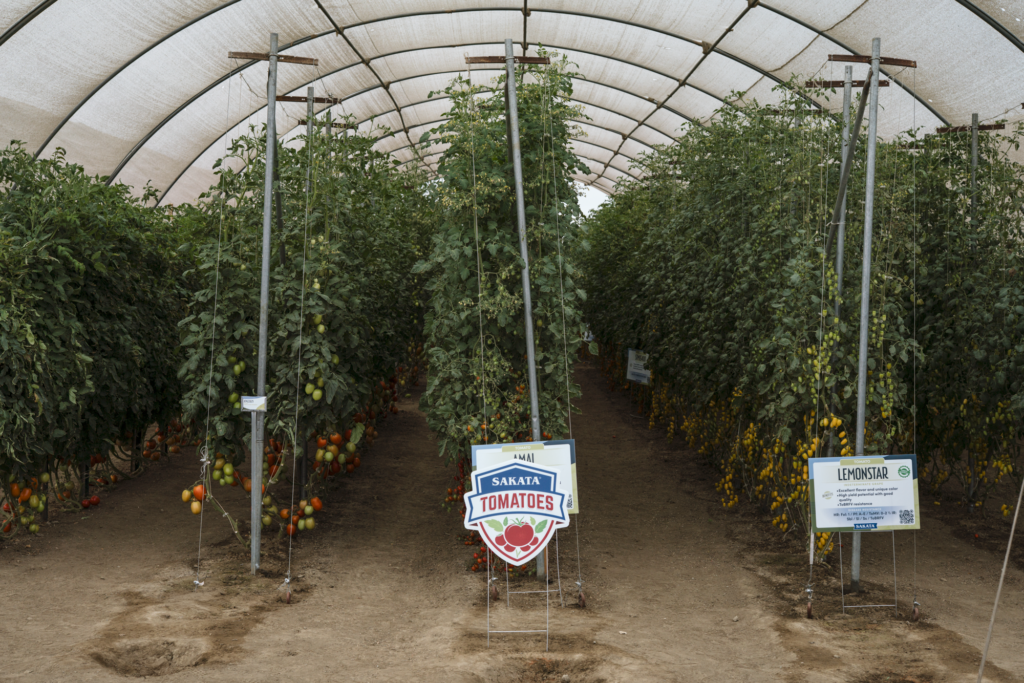
“The product development team says this is the best thing since sliced bread, and then the production team can’t produce it,” Davis says. “Well, everyone fails.”
For Davis, alignment is not about avoiding blame. It is about protecting speed and credibility.
“Bring the supply chain in early,” he says. “Make sure something’s producible from the start.”
When Genetics Get Crowded
As breeding tools become more accessible, Davis expects differentiation to compress. Traits that once took decades to develop may soon be replicated in just a few cycles.
“There’s going to be a lot of genetics that are quick and maybe a me too that’s just as good,” he says.
In that environment, competitive advantage shifts away from novelty alone. Execution becomes the separator.
“The difference is the quality of the seed and how fast we can deliver it,” Davis says.
That shift places new pressure on organizational structure and culture. Teams that operate in silos struggle to execute at speed.
“Take the walls down between departments,” Davis says. “Make them see we’re all part of the same team.”
Value Starts at the Farm
Growers today are operating under tighter margins and higher expectations. Input costs continue to rise, sharpening scrutiny on every purchasing decision.
“There’s no doubt they’re getting higher input costs, including seed costs,” Davis says.
Davis argues that rebuilding value at the farm gate requires clarity rather than persuasion. Growers are not looking for hype. They are looking for performance that reduces risk.
“We only focus on vegetable and flower breeding,” he says. “We’re not spread out.”
That focus allows Sakata to frame value in practical terms: fewer spray passes, reduced water use, labor efficiency and consistent performance.
“We’re not just trying to sell the next shiny thing,” Davis says.
He then distills the paradox that has long defined the seed business.
“Seed is the smallest input,” he says. “But it has the largest impact.”
Subhead: Five Years, One Big Gap
When Davis looks ahead, technology is not his primary concern. People are.
“In the next five years, there’s going to be a lot of retirements and succession going on in the seed business,” he says.
Davis started at Sakata as an intern in 1995. Many of the people who trained him are still in the industry, carrying decades of institutional knowledge that exists largely outside formal documentation.
“Trying to teach 30 years’ worth of knowledge in two or three years is really hard,” he says.
The Coming Brain Drain
That loss of experience is not unique to seed, but Davis says agriculture feels it acutely.
“We’re seeing this across agriculture,” he says. “At seed companies and at the grower level.”
Recruitment alone will not solve the problem. The challenge is how to transfer judgment, intuition and field-level understanding to the next generation.
“What tools can we leverage to get the next generation engaged and excited about this business?” Davis asks.
He points to digital platforms, media and new learning models as underutilized tools for education, not just marketing.
“This is a great business,” Davis says. “We have to find better ways to show that.”
Efficiency is No Longer Optional
Rising costs, labor constraints and trade uncertainty make efficiency less of a competitive advantage and more of a baseline requirement.
“We have to invest in efficiency,” Davis says. “We’re going to have to do it with less people.”
That reality applies across the value chain. Seed companies, like growers, must do more with fewer hands.
“Can we embrace AI and new technologies and really leverage them?” Davis asks.
Tariffs and global trade friction add urgency.
“Costs are going up all over the world,” he says. “We have to be nimble.”
Built From the Ground Up
Davis’ perspective reflects a career shaped by movement across functions rather than a straight climb. He started in seed production, moved into planning and leadership roles, transitioned into sales and now bridges supply chain, quality and commercial operations.
“Being in production made me a better sales manager,” he says. “And being in sales made me a better production person.”
That cross-functional view makes rising quality expectations impossible to ignore.
“Back in the late 90s, we paid bonuses for 93% germ,” Davis says. “Now customers are turning down 96%.”
Culture as an Edge
As standards rise and timelines compress, Davis believes culture increasingly determines whether companies can execute under pressure.
“We’re big enough that we’re dangerous, but small enough that we’re still a family company,” he says.
Protecting that culture as Sakata grows, he adds, is not sentimental. It is strategic.
“That,” Davis says, “is the secret sauce.”