Collaboration across the supply chain, from breeding programs to grocery shelves, is becoming the defining force behind future vegetable markets.
The vegetable seed industry is entering a quieter, but more consequential shift.
It isn’t being driven by a breakthrough trait or a single disruptive technology. It’s being shaped by something more fundamental — market signals that are growing louder and harder to ignore.
Freshness. Flavor. Trust. Proximity to the consumer.

Those themes surfaced during a discussion at the American Seed Trade Association (ASTA) Vegetable and Flower Conference titled “Shaping Tomorrow’s Markets Together.” But the conversation reflects something broader than one session. It reflects how retailers and processors are increasingly influencing what gets bred, and where.
For seed companies, the message is clear. The market is no longer downstream. It is upstream, shaping breeding decisions long before a product ever reaches a shelf.
Consumer Trust Is Now A Breeding Priority
The vegetable business has always revolved around yield, disease resistance and agronomic performance. Those remain nonnegotiable. But retail voices are reframing the definition of quality.
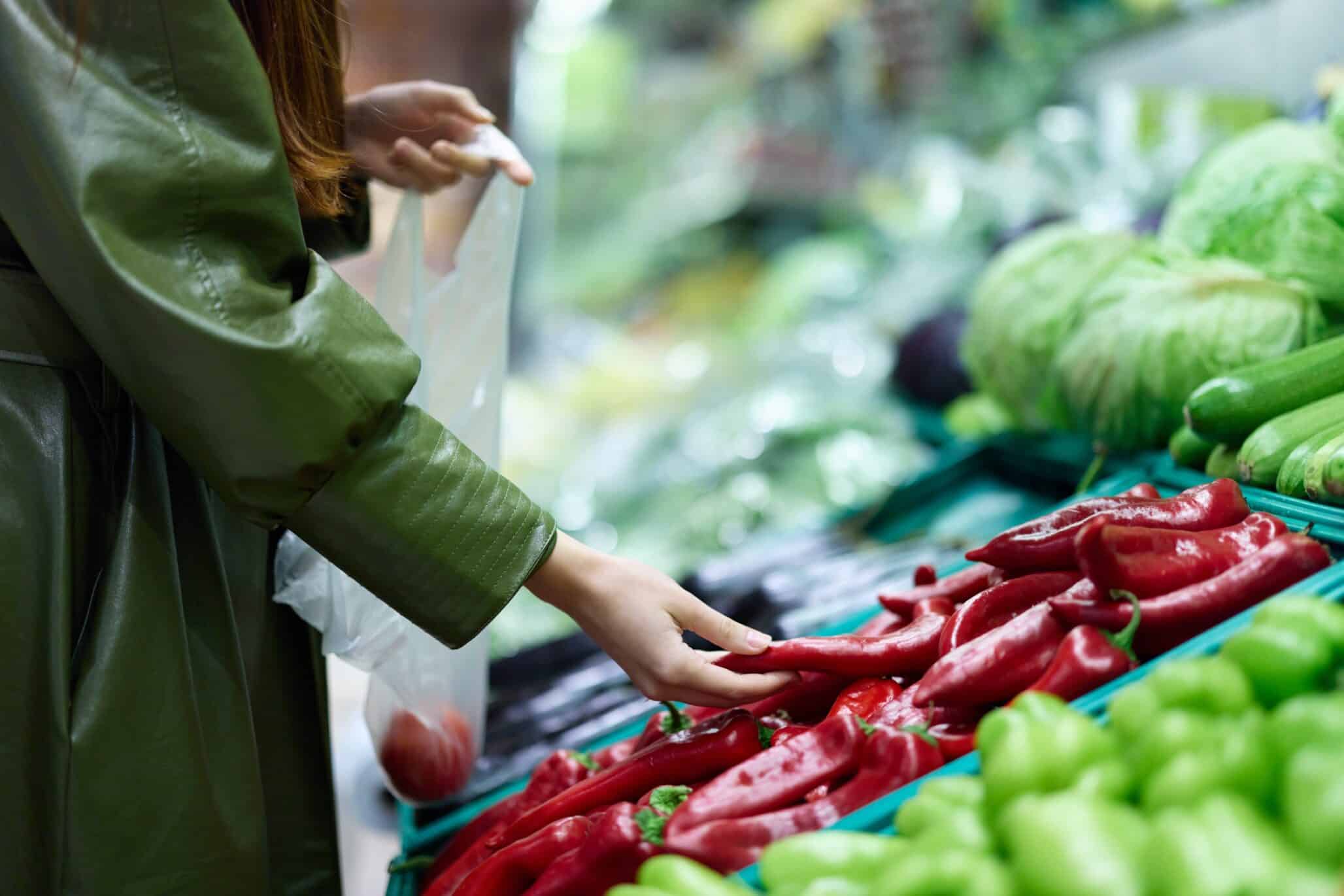
“If we’re not able to get the customer product and let it sit in the customer’s fridge for seven to 10 days without rotting or sticking, then we’re not doing our job,” says Meghan Diaz, Sprouts Farmers Markets senior director of sourcing and innovation. “The supply chain doesn’t end when it gets to the retail store. The supply chain ends in the refrigerator.”
That statement lands right in the seed industry’s territory. Durability, shelf life and consistency are no longer just postharvest issues. They are genetic questions. A variety that performs beautifully in the field but breaks down in the kitchen fails the trust test.
“A lot of times, folks will see retailers as the gatekeepers to consumers,” Diaz says. “But for us, each category within produce, it’s the customer in the middle. Because the customer’s who keeps us in business, the customer’s who tells us yes or no.”
For breeders, that reframes success. It is not simply about meeting grower specs. It is about delivering a product that earns repeat purchase from consumers.
Freshness Is Driving Geographic Recalibration
If trust is the outcome, freshness is the mechanism.
Leonard Batti, Taylor Fresh Foods vice president of business development describes freshness not as a marketing word, but as a structural strategy.
“I think if we’re going to grow the market, if we’re going to expand consumption, it begins with freshness,” Batti says. “Then of course just keeping it going, whether that’s flavor, whether that’s texture.”
The push to farm closer to population centers is accelerating. Batti says regional production is no longer a niche idea. It is a competitive advantage.
“Most of our value-added items have about 16 days shelf life,” Batti says. “That’s not because the salads are just as good at day 16 as they were at day one. That’s to get product through the North American supply chain. If we can shorten that time, we can give the consumer a fresher product and that’s how we grow consumption.”
For seed companies, that geographic recalibration matters.
Breeding programs historically optimized for California and Arizona production windows must now consider Florida, the Northeast, the Midwest and emerging regions. Climate variability, labor constraints and regional growing conditions are shaping what traits matter most.
What performs consistently across those environments? What travels less and therefore tolerates different stress patterns? What maintains eating quality through shorter but more fragmented supply chains?
Those are seed questions.
Flavor And Versatility Are Market Accelerators
If freshness gets product in the consumer’s basket, flavor determines whether they come back for more.
“What does the consumer want from vegetables? It’s basic,” Diaz says. “It’s trust. It’s versatility across meals. And it’s consistency — doing more things that taste good, consistently across the year, across the seasons, across regions.”
Vegetables, unlike fruit, are rarely impulse purchases. They are habitual. That makes consistency essential and versatility valuable.
“If you have an item that goes across different uses or different abilities, they get more merchandising,” Diaz says. “And merchandising sells products.”
Versatility increases turns. Turns reduce shrink. Reduced shrink increases retailer confidence. Confidence accelerates adoption. Flavor, long treated as secondary to yield, is regaining prominence.
“I don’t know that price is as big of a barrier as we sometimes make it to be,” Batti says while referncing super sweet pineapples. “If the eating enjoyment is there, I’ll pay the difference.”
For seed companies, that suggests a rebalancing. Yield still matters. Disease resistence still matters. But the industry can’t sacrifice the eating experience without consequence.
Collaboration Is No Longer Optional
Perhaps the most significant shift is structural. For years, the supply chain operated in silos. Breeders handed off to growers. Growers handed off to shippers. Shippers handed off to retailers. Feedback moved slowly upstream.
Diaz and Batti suggest that model is eroding.
“I would really push people to create partnerships across the supply chain together, being transparent,” Diaz said. “It’s not about jumping around folks; it’s bringing everybody to the table so you can move things forward a lot faster.”
Earlier collaboration means retailers influencing variety decisions before commercialization. It means processors providing real-time feedback on performance. It means seed companies participating in conversations about merchandising and shrink.
The timeline of seed development has not shortened. If anything, regional adaptation and climate variability make it more complex.
“It’s a long-term play,” Batti said. “At least a 10-year development. It doesn’t just happen.”
But alignment can accelerate adoption once those varieties are ready. For seed leaders, the question is no longer whether the market will shape breeding strategy. It already is. The question is whether breeding programs are structured to listen early enough, and respond fast enough, to signals coming from the shelf, the processor and ultimately the refrigerator.
Freshness. Flavor. Trust.
Those words may sound simple. But in today’s vegetable market, they are quietly redefining future breeding strategies.