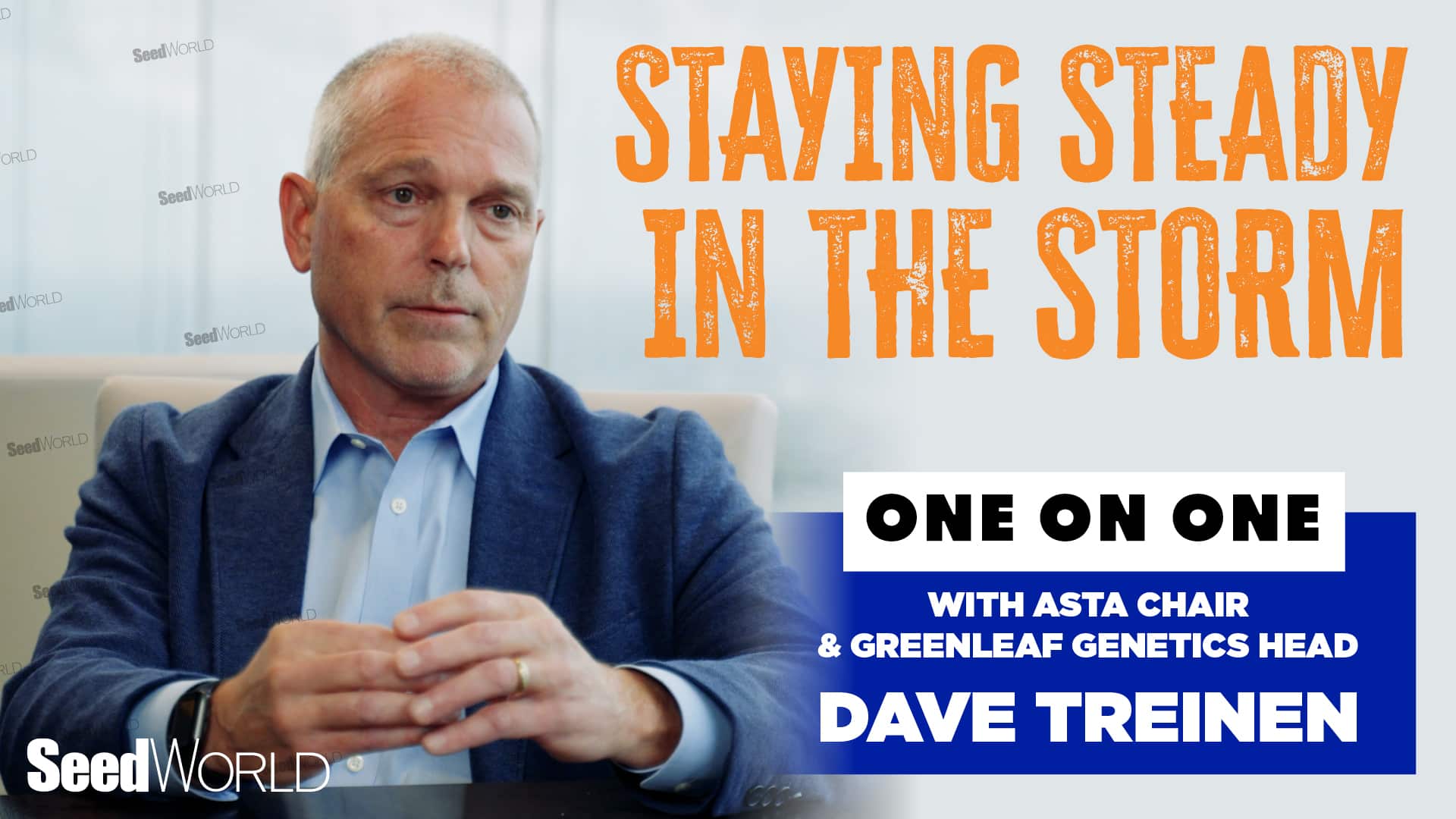
I recently had a great chat with current American Seed Trade Association (ASTA) board chair Dave Treinen. You’ll find it in the December 2025 issue of Seed World U.S.
Treinen calls on seed industry professionals to raise their voices — from Capitol Hill to backyard conversations — to share agriculture’s story and protect its future.
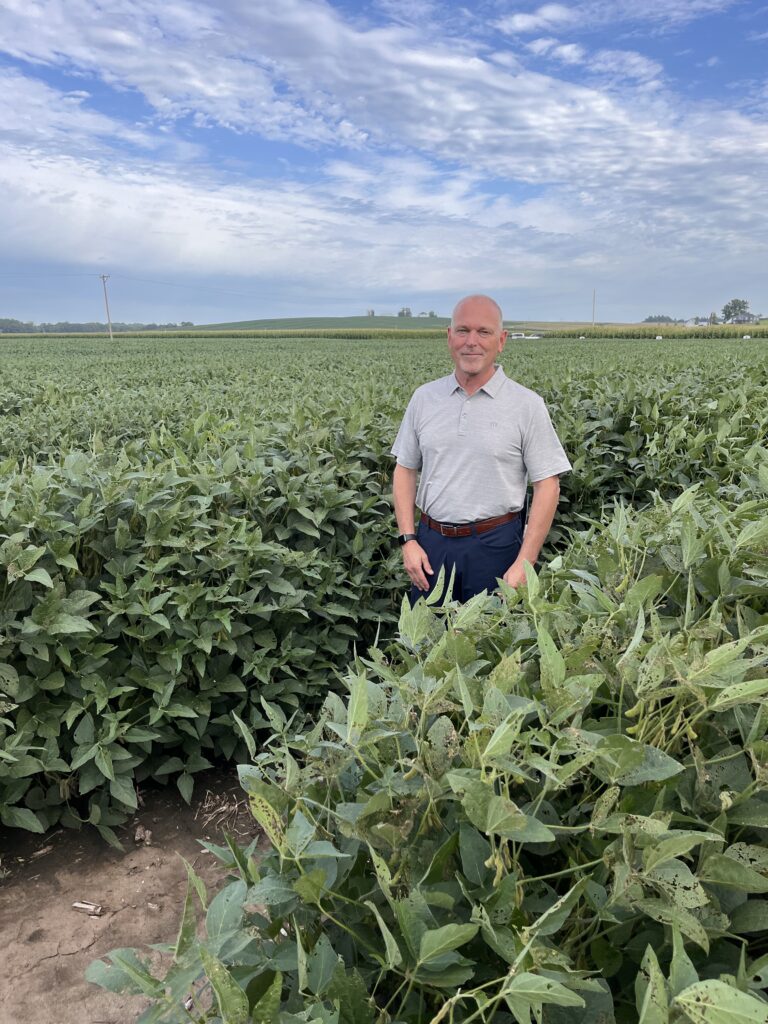
Treinen leads GreenLeaf Genetics, a Syngenta business that supports independent seed companies through access to genetics, traits and technologies. As the current chair of the American Seed Trade Association (ASTA), he brings decades of experience in crop protection, biotechnology and agricultural advocacy. In this conversation, Treinen shares reflections on his path into the seed industry, the enduring principles that guide GreenLeaf, the importance of trust and transparency and why advocacy at every level matters for agriculture’s future.
SW: When you became ASTA Chair, you talked about moving from “activation” to “advocacy.” What does that mean to you?
Treinen: Activation, as my predecessor Dan (Foor) emphasized, is a process, not an event. We’ll always look for ways to activate our members. But advocacy means taking it further — being willing to have conversations at every level, whether that’s on Capitol Hill, in your rotary club or with a neighbor who doesn’t know much about agriculture. Without seeds, there is no food. We’re called to be advocates, even if we don’t say it perfectly.
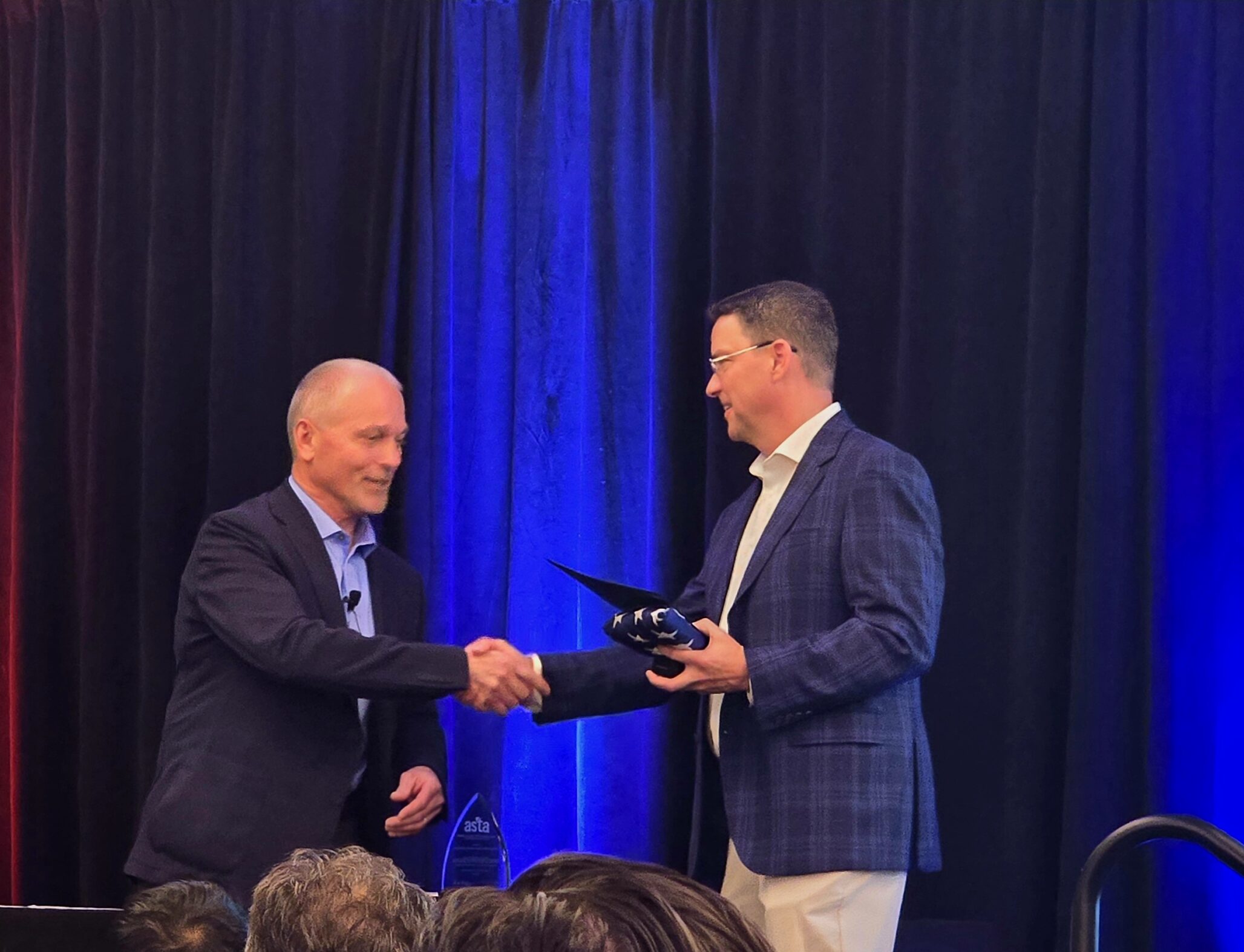
SW: You were also at the ASTA Leadership Summit in Washington D.C. this summer. In advocating for the seed industry, we met with more than 80 congressional leaders. That was quite an experience. Is there anything that stays with you from that day?
Treinen: There’s a lot that sticks out to me, but probably the most impressive was the group that organized on behalf of the American Seed Trade Association — our passion for agriculture and the willingness to spend a day with legislators to tell our story. We all came from different roles, backgrounds, companies and sectors within the seed industry, but we organized around one common thread: having a voice for agriculture. I couldn’t be happier with how the day turned out.
SW: You’ve talked about watching agriculture evolve — from Roundup Ready crops to multiple traits — and how that fuels your passion. What first drew you to the seed industry, and what continues to drive you?
Treinen: Right out of college, I was in the crop protection business, launching novel chemistry in the early 1990s. My wife and I were living in Fort Wayne, Indiana, eight hours from home, with two kids, and we wanted to get back to Iowa. I went to work for Monsanto in the mid-to-late 1990s, when they were launching Roundup Ready soybeans. I was on the crop protection side, but I saw Monsanto’s vision to transform from delivering crop protection products to delivering those products through seed. I like to say I was in the right place at the right time — able to get in on the ground floor of Monsanto’s biotechnology evolution — and that carried through the rest of my career.
SW: GreenLeaf launched in 2005 to support independent seed companies. You’ve said 75% of the company’s first-year clients are still with you; what does that mean to you?
Treinen: Yes, it’s amazing. We celebrated our 20-year anniversary at Winterfest last year and called out that statistic. I think it speaks to the resiliency and strength of independent seed companies. We were a new, unproven player in the mid-2000s, but we offered choice and differentiation to independents. Those core values remain in place today.
SW: The industry has changed a lot in 20 years. What hasn’t changed?
Treinen: When we started, it was about providing choice, but also having the right framework and the right people in place to understand the business, embrace challenges and drive for choice and innovation. When I came in eight years ago, I was blessed to inherit that same foundation and team. At the end of the day, the core principles are still trust and transparency. That’s how we started, and that’s how we operate today.
SW: How should the seed industry balance sustainability pressures, complex regulations and the need for innovation while still meeting farmer needs?
Treinen: It starts with the hard work the ASTA team does every day. Without freedom to operate, without critical conversations, and without pushing for regulatory clarity, we can’t do what we love. At Syngenta, our top priority is bringing value and innovation to farmers. But regulations that stifle innovation hurt everyone. We’ve got to find ways to balance science and policy so that innovation reaches the farm gate.
SW: You’ve also talked about embracing the next generation of seed professionals. What does that take?
Treinen: I’m a good example of that — someone who came from crop protection and never looked back. I stayed in the seed business because people more experienced than me took the time to help me, answer my questions and bring me into conversations. Sometimes that happens formally, but often it’s informal — just opening a door for someone, supporting them and giving them experiences they wouldn’t have otherwise. There’s no single recipe, but we need to acknowledge that there’s always a talent transition happening, and we have great people willing to teach and others eager to learn.
SW: Looking ahead, how do you see the next 10 years for independent seed companies and technology providers?
Treinen: Independent seed companies will continue to innovate and adopt technology that brings value. They know their farmers, soils, and environments better than most because they’re often regionally focused. But we’re going to lose ground—literally—in the next five to 10 years. That means we’ll have to do more with less and adopt technologies that drive yield and productivity.
SW: What emerging trends do you see as most transformative?
Treinen: The obvious answers are data-driven insights and artificial intelligence. They’ll play a role across the ag value chain. But I believe the relational piece — the trust between farmer and provider — will remain the glue that connects innovation to adoption and value creation on the farm.
SW: How did you grow up? Tell me about your early years and your core family.
Treinen: I grew up in a small farming town in north central Iowa. I didn’t grow up on a farm, but in agriculture—my dad was a veterinarian, my mom a dietitian. I originally wanted to follow my dad into veterinary medicine, but my mom talked me out of it. I started at Iowa State University in the College of Agriculture and never looked back.
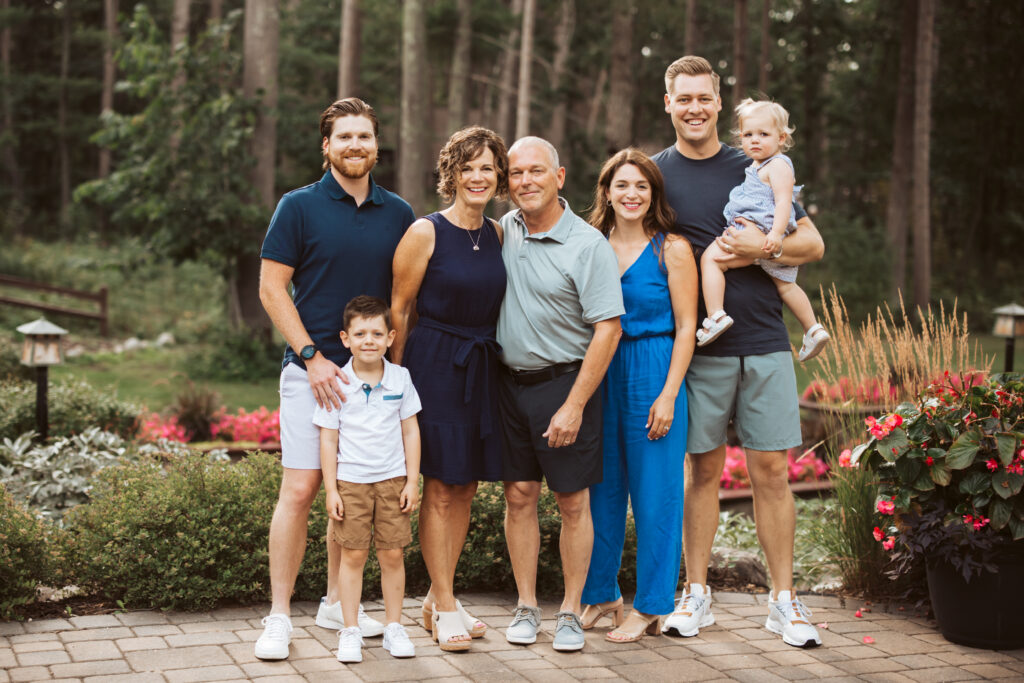
I married my high school sweetheart — we’ve been married almost 35 years. We have two kids: a daughter, 33, and a son who’s about to turn 30. My daughter is married with two kids, ages six and three, and they live nearby in central Iowa. We’re very blessed to have them close.
SW: What do you like to do outside of work?
Treinen: Family time is most important. Beyond that, I like to golf, garden, and read. When I’m not working, I focus on quiet time, recharging, and seeing where a good book takes me.
SW: Can you give us a preview of Winterfest?
Treinen: We’ll be in Indianapolis in January 2026. We’ll hold our customer event Monday night, then Winterfest will run Tuesday morning before handing things off to (Independent Professional Seed Association) IPSA team. We’ll talk about our investments, our innovation and new rootworm technology, which will be in customer trials in 2026 for planting in 2027. We’ll also reinforce Syngenta’s focus on customers and innovation — and at GreenLeaf, we get to license that technology to what I believe are the best customers in the business: independent seed companies.