Eating a blend of non-toxic corn and genetically modified toxic corn can lead corn earworm moths to develop longer, narrower and more tapered wings shaped more like those of a fighter jet.
The change allows the insects to fly farther and potentially spread resistance traits more widely across agricultural landscapes.
Researchers found that when corn earworm pests, Helicoverpa zea, feed on a mix of corn that produces Bt toxin and a small percentage of toxin-free corn, their wing shape can change in just one generation. The altered wings are more aerodynamic, allowing moths to travel longer distances and increasing the likelihood that resistance to Bt corn will spread.
The findings add to a growing body of evidence showing how crop diets influence pest movement and resistance dynamics.
The research team at North Carolina State University compared moths raised on four different diets: blended Bt and non-Bt corn, non-Bt corn alone, Bt corn with two toxins and Bt corn with three toxins. Most corn and cotton grown in the United States contains Bt traits designed to kill insect pests.
“Wings from insects eating a blended toxic and non-toxic corn diet were stiffer and more able to travel in higher wind speeds,” says Dominic Reisig, North Carolina State University professor and extension entomology specialist. “These insects are able to get up into the winds and ride them longer distances.”
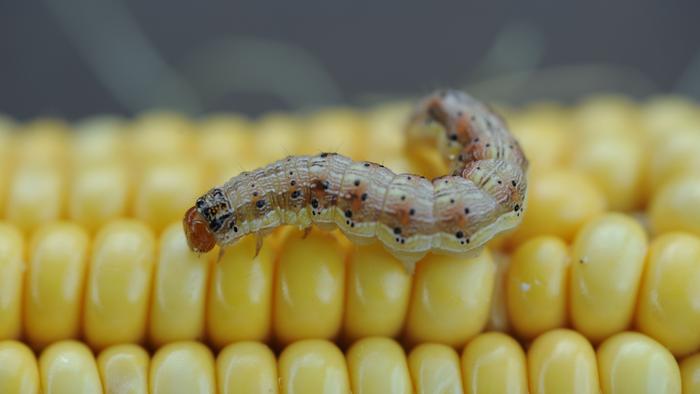
Corn earworms primarily feed on corn ears, where yield losses are typically limited. The greater concern comes later, as populations move into soybeans, tomatoes and cotton.
“Corn is basically like a factory for this insect,” Reisig says. “Corn earworm can overwinter in our state, slowly build up its generations early in the season, and then in July, when corn silks, those moths go in and lay eggs. Almost every single ear of corn produces at least one caterpillar that becomes a moth when it grows up. That’s a lot of bugs. All of that activity also funnels into cotton and soybeans, and that’s why they’re such a big problem.”
When researchers examined wing structure, they found that moths raised on the three non-blended diets had wings that were less aerodynamic and more brittle or deformed. Those physical traits made long-distance flight less likely.
In contrast, moths raised on the blended diet showed significant wing shape changes after just one life-cycle generation.
“It appears that resistance occurs faster when worms eat these blends, creating individual moths that have multiple resistance mutations,” Reisig says. “This is one more piece of evidence that blending Bt and non-toxic corn pollen is really dangerous for resistance.”
Reisig adds that his team continues to study how Bt and non-Bt corn diets influence corn earworm biology, including mating success and population spread.