Cuts affecting sites like Lacombe, Scott and Indian Head could leave major production zones without data for evaluating new lines.
Yield bumps, forage potential and strong disease packages were all on the table as the Prairie Recommending Committee for Wheat, Rye and Triticale (PRCWRT) meets this week in Banff, Alta. for the Prairie Grain Development Committee (PGDC) meetings. But so, too, are deep concerns about federal research cuts and the loss of key testing sites across the Prairies.
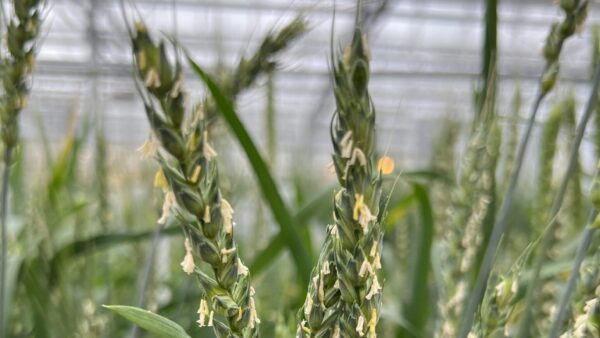
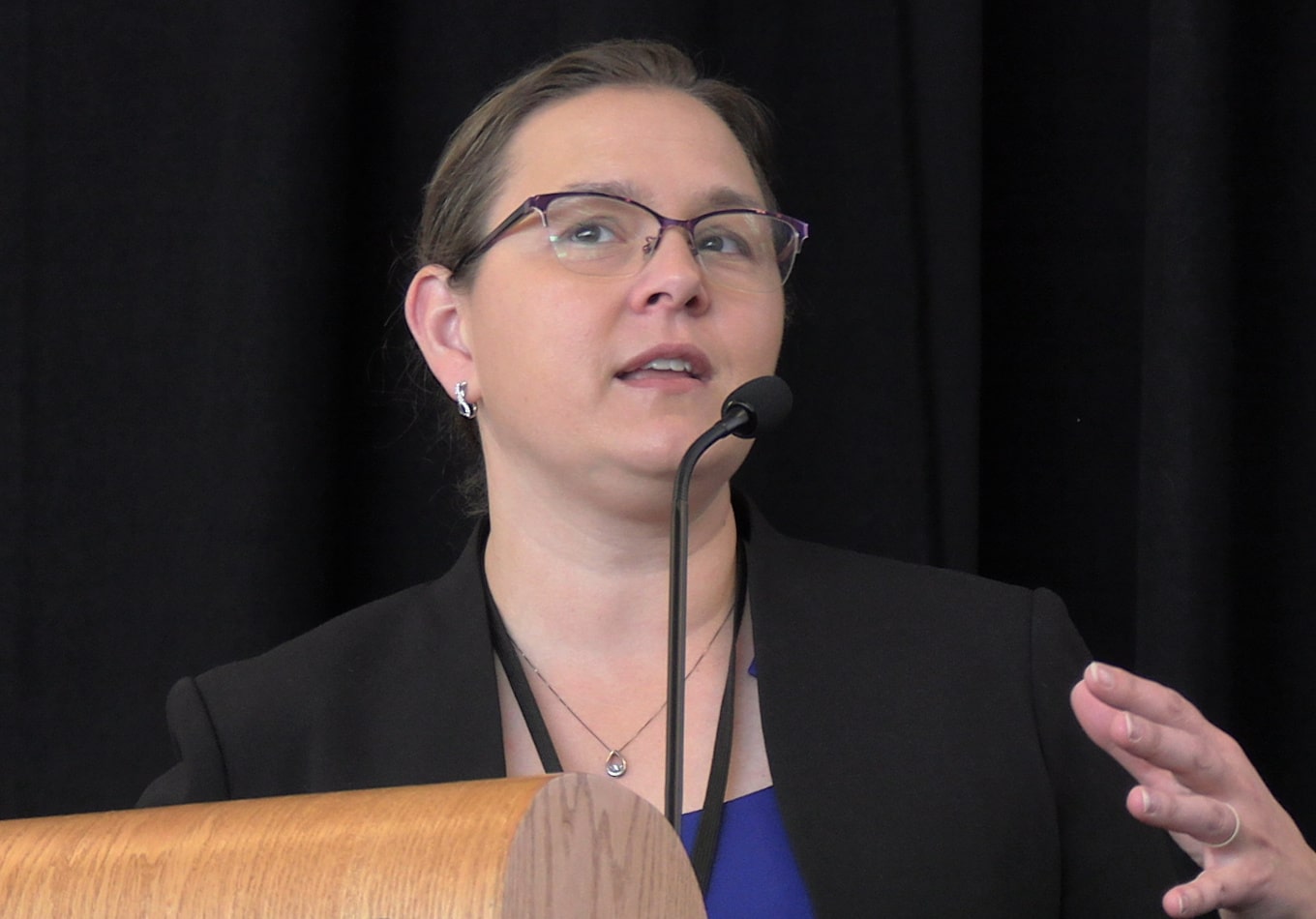
Dana Maxwell, chair of the PRCWRT, said 17 lines are up for consideration this year across multiple classes, including one spring wheat, three fall rye, one winter wheat, two durums, one CNHR, four CPS and two triticale lines from Western Crop Innovations.
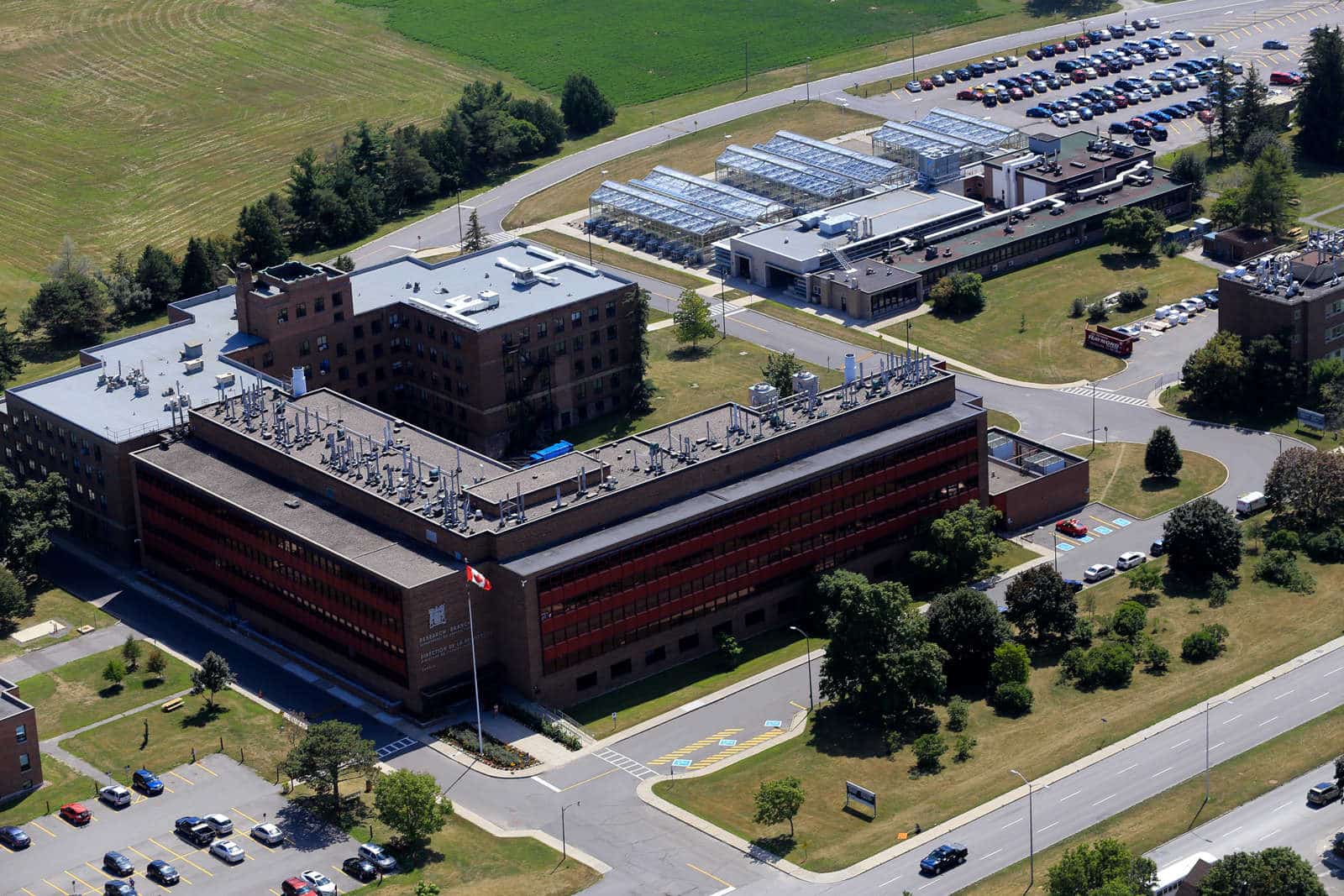
But as promising as the data may be, Maxwell warned that looming Agriculture and Agri-Food Canada (AAFC) cuts — and associated station closures — threaten the integrity of the Prairie testing system. The committee is now wrestling with how to adapt.
“We really need to figure out, can we pull some extra sites from anywhere? Can anyone contribute more sites? How are we going to structure things going forward?” Maxwell said. “Do we use this as an opportunity to consider restructuring some of the registration tests, to put things together in a different way, leverage what we have?”
At the same time, she stressed that not all environments are interchangeable.
“We also need to acknowledge the Lacombe environment is unique. None of the other testing we have reflects that environment,” she said, referring to the research site in Lacombe, Alta., which is on AAFC’s chopping block. “That’s a huge geography that’s not reflected — and we can’t reliably predict performance in that region. That’s a bit of a problem.”
Sites such as Lacombe, Indian Head and Scott — along with satellite locations — each represent distinct agroecological zones, she added.
“Variety development is genetics by environment by management. And in the registration testing, it’s a lot of genetics by environment. If we’re missing those environments, it’s a challenge.”
She pointed to Indian Head as an example of a site that captures a major production zone.
“If we look at what there is along Highway 1 between Brandon and Swift Current, those are really different zones,” she said. “We already lost Regina in 2012, and that was a different zone yet from Indian Head. We’re losing a big zone, and that reflects a large area of production. Same for Lacombe. Same for Scott.”
The loss of Portage adds further strain.
As the committee debates both promising new genetics and the shrinking infrastructure needed to test them, Maxwell said the stakes are clear.
“If we don’t have the environments, we don’t know,” she said. “And that makes it challenging to reliably predict whether these varieties are going to have fit — and whether there are weaknesses in certain environments. That’s the risk.”