Researchers on the Prairie Recommending Committee for Pulses and Special Crops (PRCPSC) say protein content in yellow peas and processing advantages of small-seeded faba beans are becoming key breeding targets.
New pulse crop lines reviewed in Banff, Alta., this week by the Prairie Recommending Committee for Pulses and Special Crops (PRCPSC) highlight the growing importance of protein content in yellow peas and processing efficiency in faba beans.
The committee considered 18 candidate lines this year across several pulse crops, but some of the most notable developments involve traits linked to the expanding plant-protein sector.
Field peas and faba beans remain key crops for protein-focused innovation.

Yellow pea protein a key trait
Among the five field pea lines under review, four are yellow peas, and protein levels are a major point of interest, says Parthiba Balasubramanian, chair of the PRCPSC.
“These four yellow field pea lines have protein content that are similar to or greater than the check cultivars CDC Spectrum and AAC Profit,” Balasubramanian said.
Protein levels have become increasingly important as yellow peas are widely used in fractionation for plant-based protein ingredients.
“Because the pea is fractionated, you want to ensure there is good protein content,” he said.
The fifth line is a green field pea, but most of the focus is on yellow peas due to their role in the rapidly expanding protein processing sector.
Smaller faba beans may aid processing
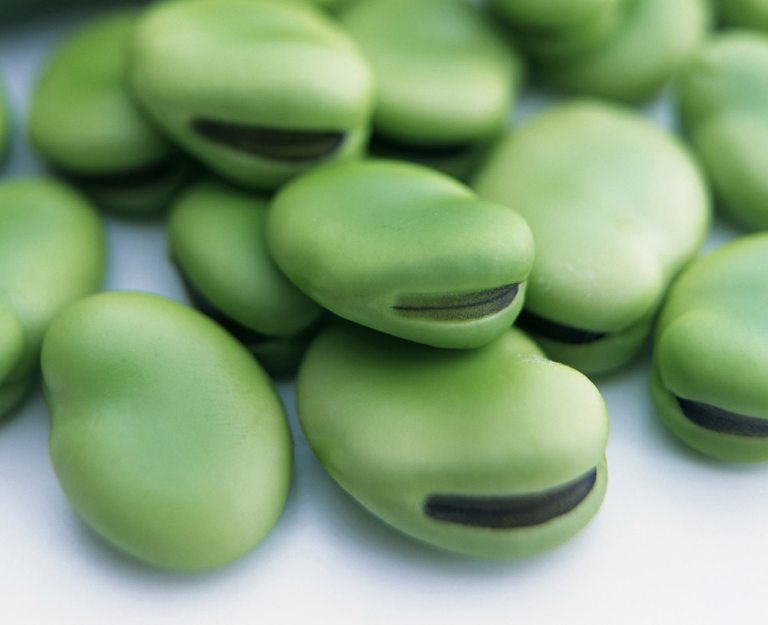
The committee also reviewed one faba bean line, notable for its smaller seed size.
According to information submitted with the variety application, smaller-seeded faba beans may offer advantages during processing.
Processing benefits include improved efficiency in fractionation and starch extraction compared with larger-seeded types.
“They say small-seed faba beans are easier to process and for protein fractionation and for obtaining starch, it makes it much easier compared to a large-seeded faba bean,” Balasubramanian said.