Researchers from Skoltech, the International Maize and Wheat Improvement Center in Mexico, the Research Center for Cereal and Industrial Crops in Italy, and other international partners have developed new durum wheat lines that can better withstand freezing temperatures while preserving the grain quality needed for premium pasta. Published in Frontiers in Plant Science, the study outlines a breeding strategy that could help make durum wheat production more resilient as weather becomes less predictable.
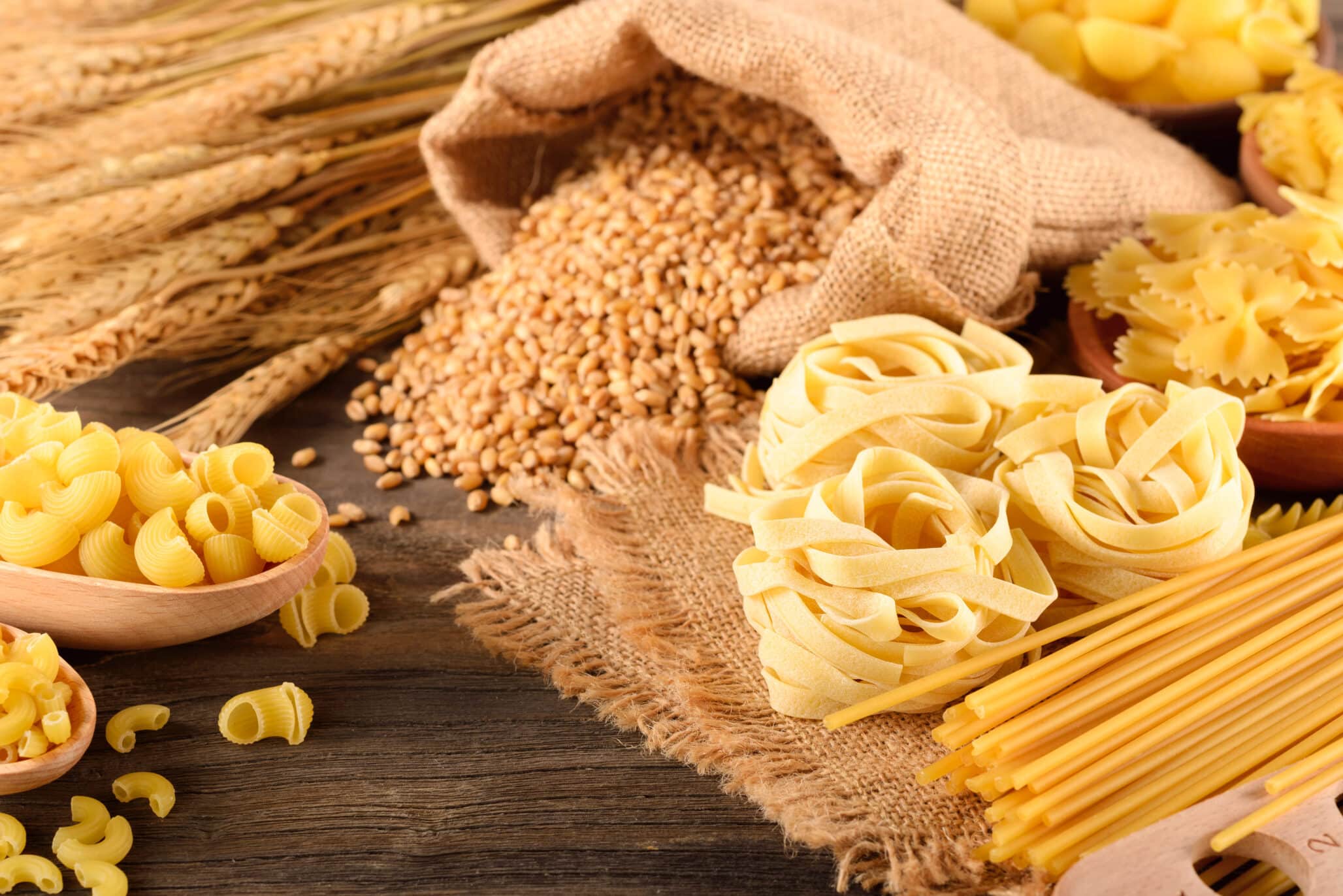
Durum wheat is the main ingredient in pasta, but it is highly sensitive to sudden cold snaps. As climate variability increases, unexpected freezing events are becoming a bigger threat to production. At the same time, breeders need to maintain the strong gluten quality that gives pasta its texture and cooking performance.
Analyzing the Genetics of Cold Tolerance
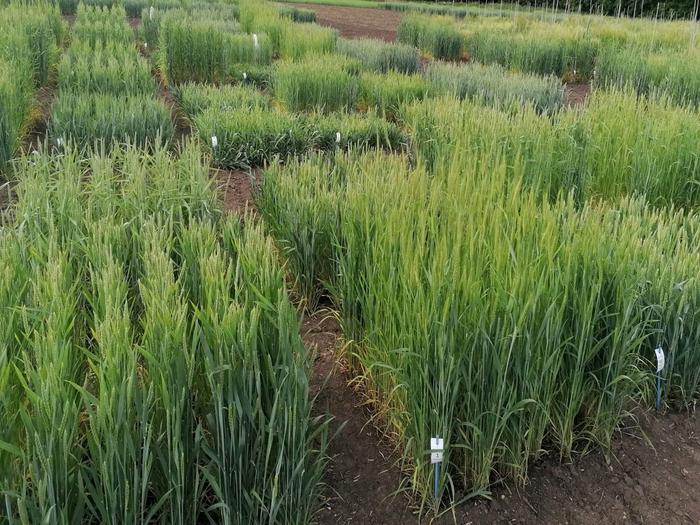
To tackle this challenge, the researchers studied 250 durum wheat accessions from across Europe, combining genetic and field data to identify the regions of the genome linked to freezing tolerance and grain quality. Their analysis showed a clear split between Southern European varieties, which were mainly bred for pasta quality, and Eastern European lines, which are better adapted to cold conditions, according to a press release.
The team focused on a well-known region on chromosome 5A, called the Fr-A2 locus, which plays a major role in freezing tolerance. This region explained more than a quarter of the differences in cold survival among the wheat lines studied. They also confirmed a genetic marker associated with gluten strength, an important trait for pasta-making quality.
Using Genomic Tools to Improve Breeding
Building on these results, the researchers used multi-trait genomic selection, a method that uses genome-wide marker data to predict how breeding lines will perform. They combined this with simulated crosses to identify the most promising parental combinations before field testing.
This approach helped the team choose the best parent lines earlier in the breeding process, reducing the need for costly and time-consuming trial-and-error breeding. The study also marks one of the first examples of genomic selection being integrated into a practical durum wheat breeding pipeline in Russia.
“The approach was validated in real breeding populations, where molecular markers from genome-wide association studies were used to identify progeny lines carrying favorable alleles for both freezing tolerance and gluten strength. The results confirmed that the genomic breeding pipeline can successfully combine these traits, providing a scalable strategy for developing climate-resilient durum wheat,” commented Junior Research Scientist Yawar Habib from the Skoltech Biomed Technologies Center, the lead author of the paper, who came to study at Skoltech from India and graduated from the Agrobiotechnologies and Engineering Ph.D. program.
As a result, the researchers identified around 60 new durum wheat lines that combine improved cold tolerance with strong gluten quality. This marks a step toward more stable production of high-quality pasta under increasingly variable climate conditions. The approach could also be used to improve other complex traits in crop breeding.