As funding concerns grow and research capacity tightens, tools like the Variety Use Agreement and a reset in Seeds Canada leadership signal a sector starting to respond in real time.
I keep circling back to this idea of a “turning point.”

We say it a lot in this industry. Honestly, probably too much. It’s one of those phrases that starts to lose meaning if you’re not careful.
But this week… I don’t know. This one feels different.
I don’t think there’s any way around it anymore — Canada has a real problem when it comes to seed innovation. Not a short-term dip, not something that just needs a tweak. It feels deeper than that. Structural, maybe. And those are always the hardest things to fix.
At the same time, through Episode 4 of On the Brink, we’re hearing from someone who isn’t talking in theory. He’s talking about labs closing, programs shrinking, opportunities disappearing. It’s not dramatic in a headline sense, but it adds up. You can feel the weight of it when you start putting those voices together.
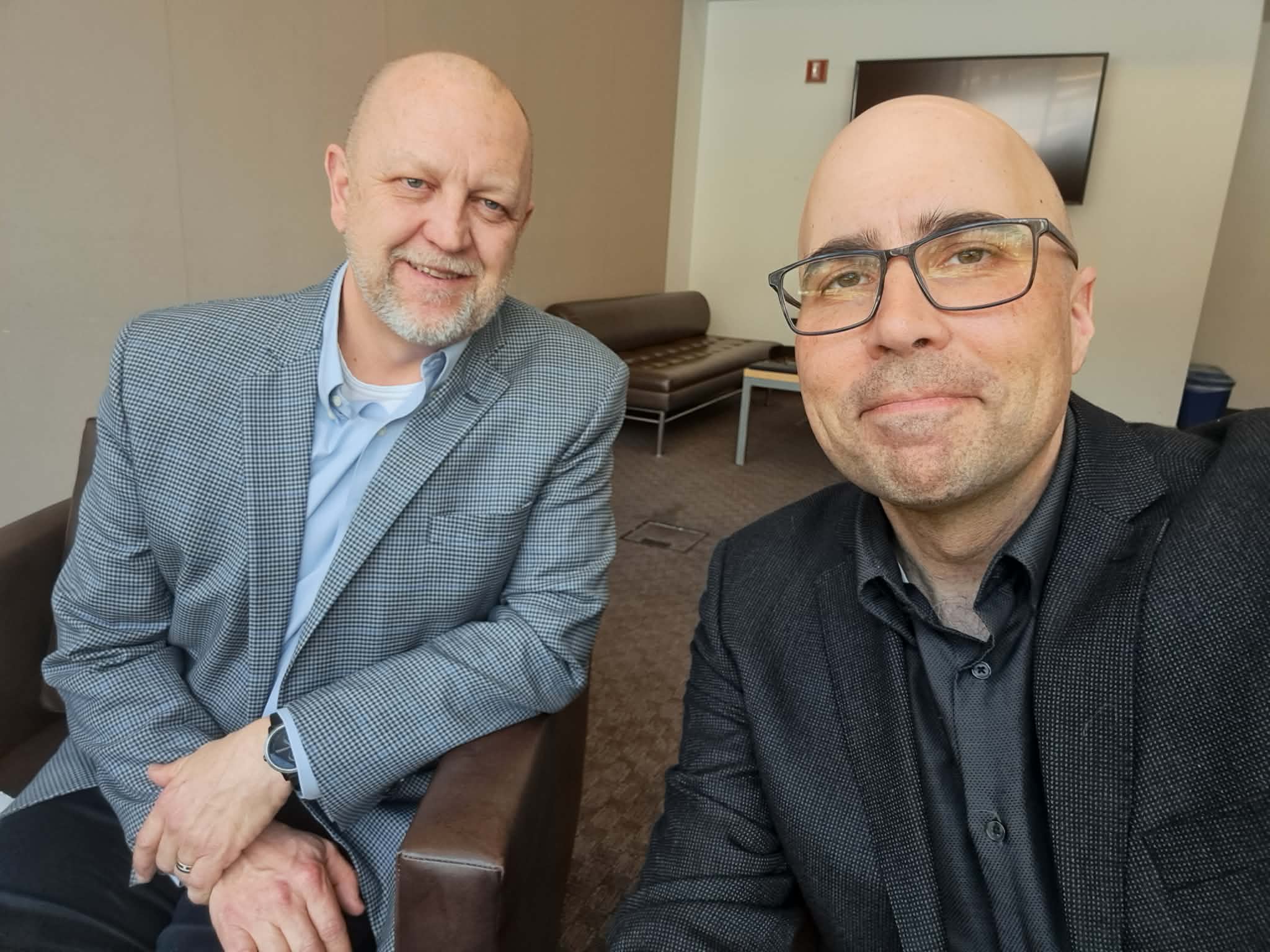
And then you’ve got Dan Wright stepping in at Seeds Canada and, well, not rushing.
Which, if I’m being honest, is a bit unexpected. Society is used to new leaders coming in with a grand plan, a loud message, a much-touted list of priorities. Instead, he’s listening. Taking his time. And maybe that’s exactly what this moment calls for — or maybe it just reflects how complicated this all is. Probably both.
But here’s where I think it gets interesting.
Because alongside all of that — the pressure, the uncertainty — you’ve also got things like the Variety Use Agreement, tools we can use to drive innovation. People are showing up, digging into how the system actually works, asking questions, trying to connect dots that, let’s be honest, don’t always get connected.
And I don’t think we should gloss over that. When systems start to strain, people tend to retreat into their corners. Focus on their piece. Protect what they can control. So seeing the opposite — people leaning in, trying to understand the bigger picture — that matters. Even if it’s messy, even if it doesn’t lead to immediate answers.
Then you layer in the upcoming Seeds Canada AGM.
And yeah, AGMs are… AGMs. We all know the drill. Reports, motions, governance. Necessary stuff, but not always where you expect big shifts to happen.
But we live in different times.
Because all of these conversations we’re having — about funding, about research capacity, about where plant breeding fits in Canada’s future — they don’t just live in articles or podcasts. At some point, they have to show up in rooms like that. In decisions. In priorities. In, you know, actual direction.
And I’m not sure we fully know what that looks like yet.
That’s kind of the point.
And I think that’s what ties all of this together, even if it’s a bit uncomfortable to say out loud: we’re moving out of the status quo, whether we’re ready or not.
What replaces it? That’s still pretty unclear.
There are signs of response — more honest conversations, more willingness to admit things aren’t working the way they should. That’s good. Necessary, even.
But it’s also early.
And the stakes are high, whether we talk about it that way or not. Seed is upstream of everything. We all know that, but we don’t always sit with what it really means. The decisions we make now — or don’t make — show up years down the road. There’s no quick reset button. So yeah, maybe “turning point” isn’t the wrong phrase this time. It’s just, well, unfinished.
And that’s probably why it feels a bit uneasy.