Genebanks provide a public good. It may seem that supporting genebanks does not give immediate benefits to individual companies. But jointly making sure that genebanks can continue to operate and improve in their key roles towards both the conservation and use of crop diversity, serves the global community of breeders and thus each company.
Breeders always maintain a working collection of their most important gene pool as potential parents for their work. Several companies have invested in a much wider collection for future use. National and international genebanks on the other hand aim to safeguard the global diversity of crops and their wild relatives.
Even though researchers appear to be the largest user of genebank materials for large scale allelic diversity screening, gene function analysis and the like, practical breeders in both the public and private sectors are the next largest user group. Genebanks are essential for breeders; breeders are essential for global nutrition security and agricultural development in the face of changing climates and demographics.
Genebanks are therefore part of the essential infrastructure of the global agricultural community. Their content is an important public good, albeit subject to national sovereign rights and international agreements. The Convention on Biological Diversity puts an important responsibility on governments to conserve and make available biological diversity, which logically would involve the management and funding of their genebanks. However, governments may not be able to avoid disruptions due to natural or human-made disasters, which might lead to an unrepairable loss of certain genetic resources. Also, government financial priorities may shift.
The Crop Trust was established to provide a solid financial foundation for the most important collections through an Endowment Fund. Governments have contributed very significantly to the fund, which currently stands at some US$ 400 million. The returns currently cover the essential operations of key international genebanks, but the funds are not yet sufficient to fully fund the conservation efforts in perpetuity yet. Companies have contributed smaller amounts to the endowment, which sends an important positive message, but the seed industry is not expected to contribute the remaining millions needed.
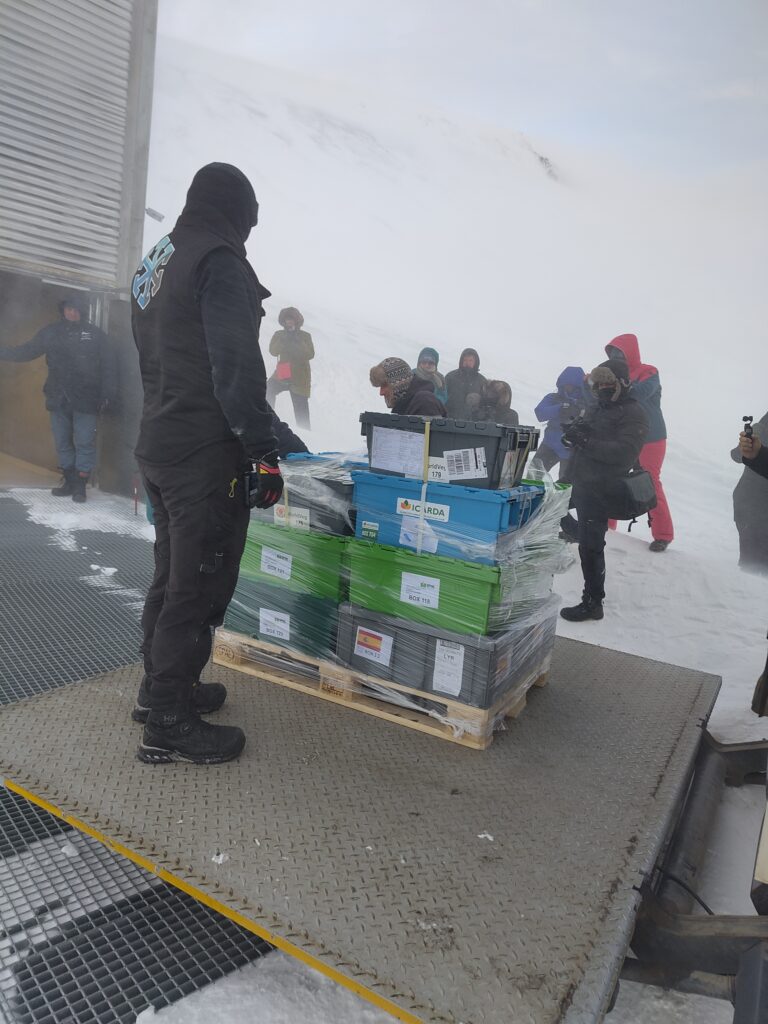
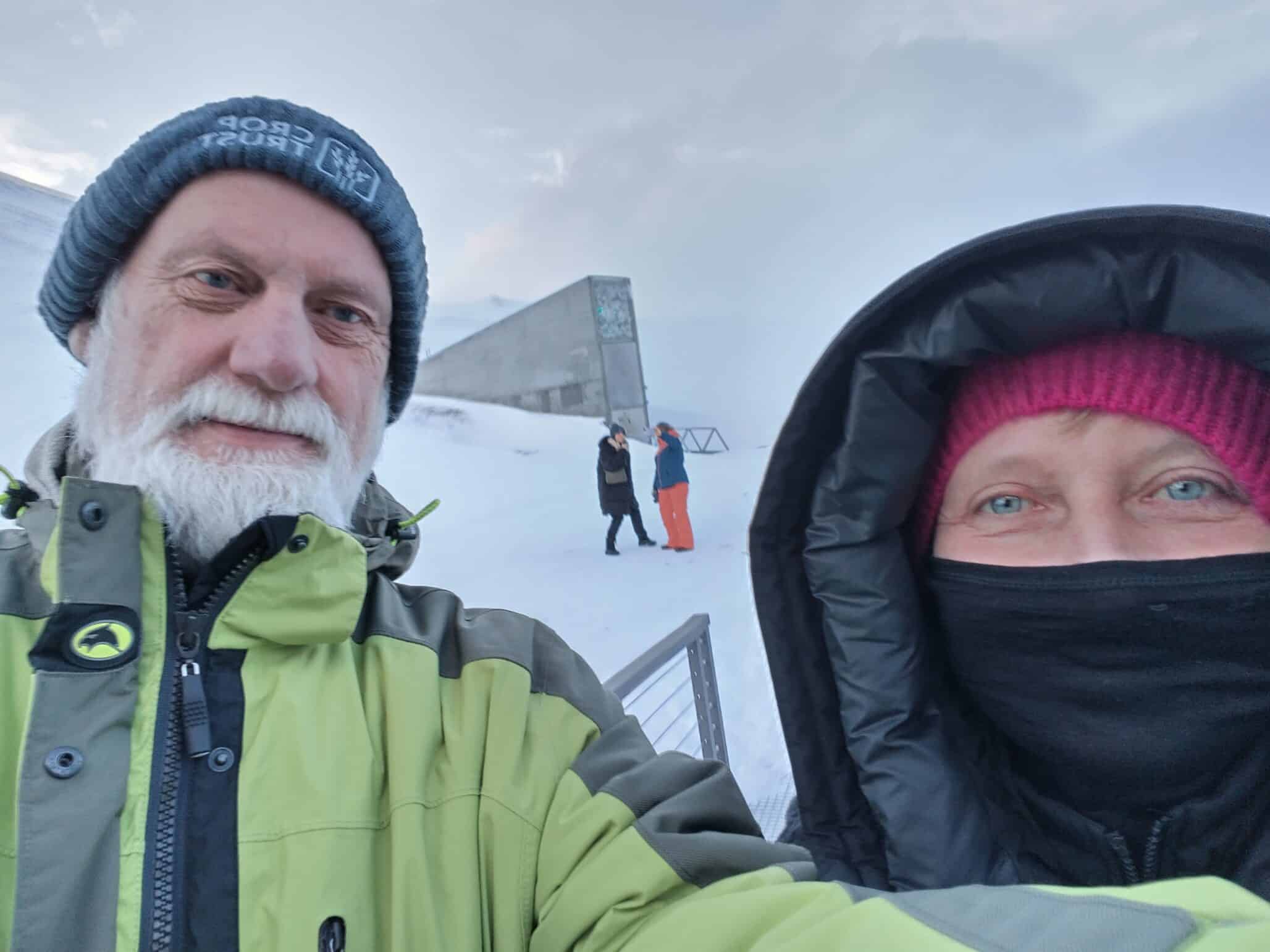
Together with the government of Norway and the joint genebank of the Nordic Countries NordGen, the Crop Trust has established the Global Seed Vault in Svalbard, a secure facility for safety back-ups of an increasing part of national and international genebank collections worldwide. Last February the doors of the Global Seed Vault opened during an ice storm to receive boxes of samples from genebanks in countries as diverse as Guatemala, Niger and Germany, and from international genebanks such as the World Vegetable Center. On that occasion, the second Svalbard Dialogue was held, with a particular focus on how the private sector can support genebanks and the Crop Trust.
The private sector has an important role in communicating the importance of genebanks and the diversity they hold, stressing their essential role in the resilience and sustainability of our food systems, i.e. for humanity. This communication is relevant for the wider public, but especially important for governments and other potential funding agencies. They need to hear that investment to safeguard crop diversity is essential, both in the Crop Trust Endowment Fund and in their national and regional genebanks. Working together to build a strong global genebank system is essential.
Several companies already support the operation of genebanks, sharing knowledge and facilities, and in some instances financially. In the Netherlands, the upgrading of the genebank infrastructure in Wageningen would not have been possible without both the push and generous donations by companies.
Supporting genebanks is support towards future food system resilience and is not of immediate self-interest. A good start has been made to discuss the different ways that the seed sector can provide support by and others to do so. These discussions will continue!
Editor’s Note: Niels Louwaars is Member of the Executive Board of the Crop Trust