Why Canada’s Variety Marketplace Needs Work
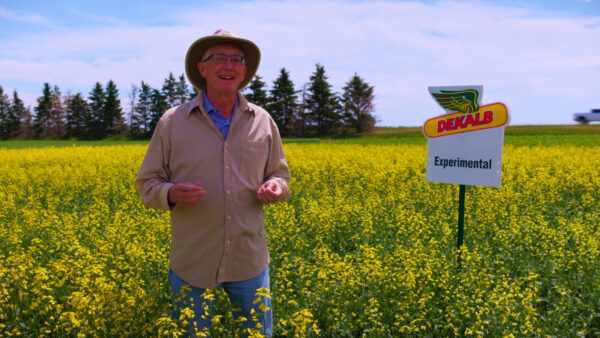
For the past 20 years, Greg Stamp has been planting seed on his Western Canadian farm. That long experience has given him time to come to the conclusion that Canada’s variety marketplace is “broken and needs work,” he says.
The core problem, he notes, is structural. The way variety development is currently funded “unintentionally picks winners and losers”, he says, and in doing so, keeps investment out of the marketplace that may otherwise flow in. Private companies, public institutions, and partnership models all still have a role to play, but right now the incentives aren’t aligned to attract the full range of capital the system needs to thrive, he adds.
What Stamp proposes is a wide-open marketplace: one where private, public, and partnership players all have full confidence that bringing better genetics to Canadian farmers will generate a return on their investment. That revenue signal then drives deeper investment, investment that ultimately produces better varieties, helping keep Canadian farms competitive on a global scale.
How Variety Use Agreements Can Rebuild the Investment Pipeline in Canada
The mechanism Stamp points to is farmer contribution — specifically, the idea that farmers who choose to use a new variety should have a meaningful way to contribute to the genetics behind it. These are known as VUA agreements, a system where farmers pay a royalty at the point of seed use, generating revenue that flows back into breeding programs.
“I think we need to encourage a way for farmers to really contribute to the varieties they’re using if they choose to use that new variety, that new technology, more so than we currently are. And that will then create more capacity for genetics to come to our doorstep.”
The logic is direct, he says: plant breeders need a revenue model that rewards investment in new genetics. Without it, private capital stays on the sidelines and public funding has to carry more than it can sustain. He believes variety use agreements can create that model — and in doing so, give the entire system the confidence to invest at the scale Canadian agriculture actually needs.
It’s important to note that the use of VUA agreements for crops are still being understood in the Canadian market, as the concept is a new one for farmers and breeders alike.
Stamp is also clear that not everything belongs in the commercial lane. Some of the most important plant breeding work — developing germplasm to protect against diseases that aren’t yet widespread, for example — doesn’t generate obvious near-term returns. That kind of pre-competitive research belongs in the public funding domain. He says VUAs don’t replace public investment; they complement it by generating private revenue the public system was never designed to produce on its own.
“Just having those genetics available and the system in place to generate revenues for the people that bring those to us and our customers, that’s key.”
Canadian Plant Breeding Has Always Delivered — This Helps To Sustain It
Stamp’s argument isn’t theoretical. He can point to exactly what sustained Canadian plant breeding investment has delivered on his own farm. Sclerotinia resistance was a significant liability in the varieties available when he returned to farming two decades ago. Breeders worked that resistance into newer CWRS varieties, then bred yield back in alongside it. Durum is now following the same trajectory — a crop category catching up to the gains wheat has already made.
That kind of compounding, trait-by-trait progress is the direct result of an investment pipeline that has remained reasonably intact — until recently. Variety use agreements are one of the clearest mechanisms available to bring the investment back, he says, ensuring the breeders who deliver those gains have a sustainable path to generate revenue from them.
“If I could have one wish for farmers, it’s to really understand more about how those genetics end up on their farm.”
The breeding system and the end consumer are two ends of the same chain. Farmers who understand both ends are better positioned to advocate for the investment that keeps it running.
Subscribe To On The Brink
On the Brink is a cross-country storytelling project about plant breeding in Canada. The goal is to spark an open, multi-perspective, ongoing conversation about what’s possible, what’s at stake, and how to seize opportunities ahead. On the Brink releases new episodes every Wednesday. Watch Episode 6 featuring Andrew Campbell and subscribe to have future episodes delivered directly to your inbox.
More Episodes
Be Part of this Conversation
We need your help to grow and evolve this conversation!
- Nominate individuals you think should be part of the On the Brink video series. Know someone who would add to the conversation? Email us at OnTheBrink@seedworldgroup.com
- Help expand the conversation by liking and sharing weekly episodes across LinkedIn, Instagram, X, and Facebook.