A first-person look at how hospitality experience helped shape a role in agricultural seed testing.
I like to think I started at the other end of the story.

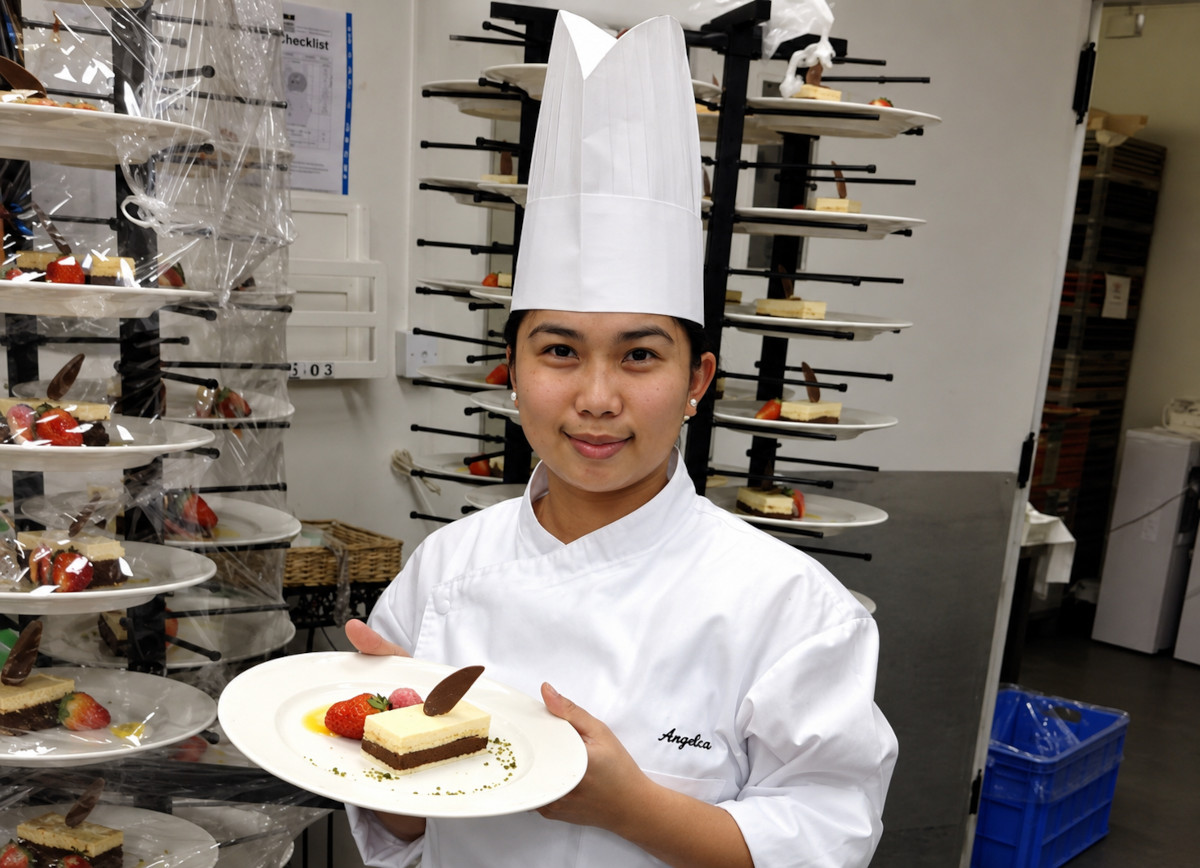
Long before I ever handled a seed sample or talked to a grower about germination tests, I was standing in a kitchen in North Luzon in the Philippines at three in the morning, helping my family prepare food for the day ahead. Our restaurant wasn’t fancy. It was fast, convenient Filipino cooking. Dozens of dishes laid out, ready for people to choose. No menus, no waiting. Just good food and hard work.
That was my first education.
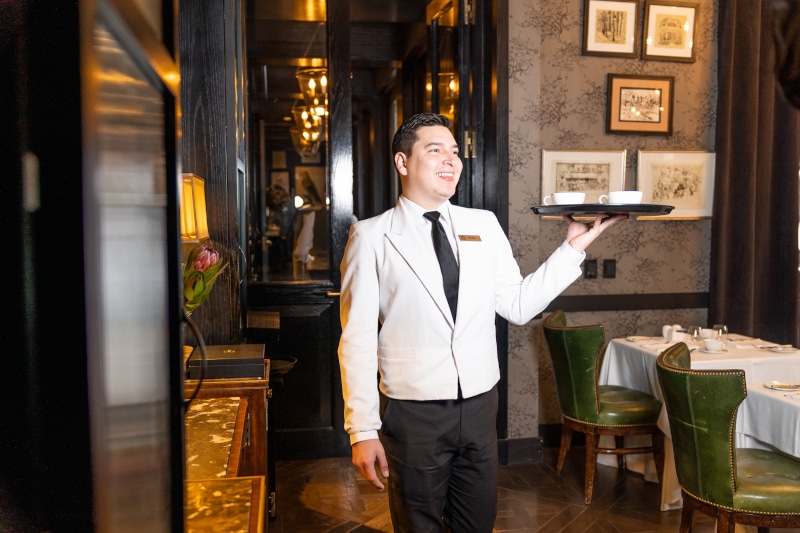
I went on to study business: hotel, restaurant, hospitality and tourism. I later built experience in Dubai, working in both culinary and administrative roles. Everything I did revolved around people. Listening to them. Understanding what they needed. Making sure they felt taken care of.
Agriculture, especially seed testing, was never part of the plan.
When I came to Canada in 2022, I had studied technical management and services in B.C. and expected to build a career somewhere along those lines. Alberta wasn’t even on my radar at first. But life has a way of surprising you. When I saw an opportunity in client services in the seed industry, I was curious more than anything.
Honestly, I didn’t know what to expect.
Back home, farming is simple in many ways. You buy seed, you plant it, and as long as it grows and feeds your family, that’s what matters. There isn’t the same level of testing or analysis. So when I entered this industry, I was amazed.
There is so much science behind something I once thought was so straightforward.
Every day, I learn something new about seed health, about testing methods, about the technology that ensures crops are strong before they ever reach the field. It opened my eyes to how much happens before food even begins its journey.
And yet, despite how different this industry is from where I started, one thing feels exactly the same: people.
That’s the thread that connects everything I’ve done.
In hospitality, you learn very quickly that people want to be heard. My mom used to tell me, “Even if a customer complains, you give them your best. That’s how they come back.” It’s about trust. It’s about consistency. It’s about making someone feel like they matter.
I carry that with me every day in my role.
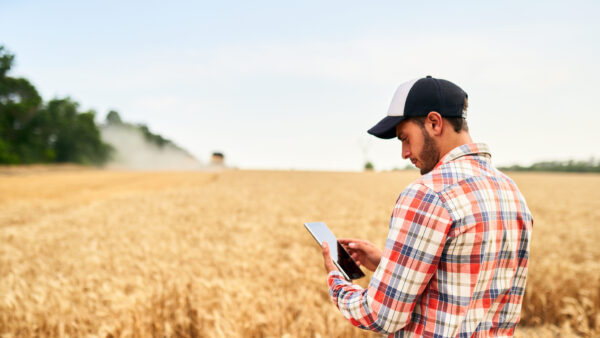
At first, I was nervous. Many of the growers I meet have decades of experience, far more than I do. But I learned by watching, by listening, and by asking questions. Simple things, like asking how the farm is doing or how the weather is affecting their crops, open the door to real conversations.
And those conversations matter.
Growers have incredible knowledge. Many are passing it down to their children and grandchildren. When they share their stories, I learn — not just about agriculture, but about resilience, tradition, and the realities of feeding communities. In return, I try to make sure they feel heard and supported, whether that means helping them find the right test or connecting them with the right service.
That connection builds trust. And trust is everything.
What excites me most now is how much there still is to learn. New testing methods like ELISA, advancements in herbicide resistance testing — these aren’t just technical developments. They’re tools that help growers succeed. Being part of that, even in a small way, feels meaningful.
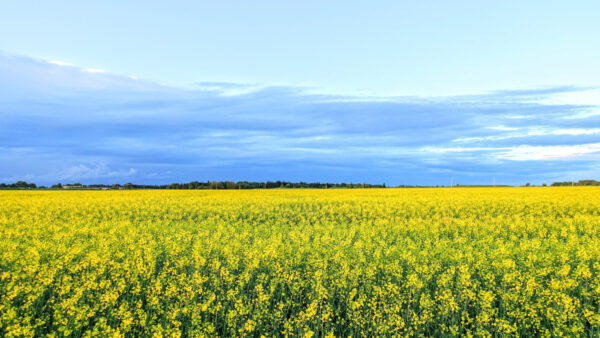
Sometimes I think about how far this journey has taken me from a small restaurant in the Philippines to working in Canada’s seed industry. From preparing food at the end of the chain to now seeing where it all begins. It’s like watching the full story unfold.
I may not have grown up on a farm, but I understand the importance of food, of hard work, and of serving people well. Those lessons started in my family’s kitchen, and they continue to guide me today.
No matter the industry, that part never changes.