Discovery from teosinte could give breeders a new tool to raise maize protein levels without reducing yield.
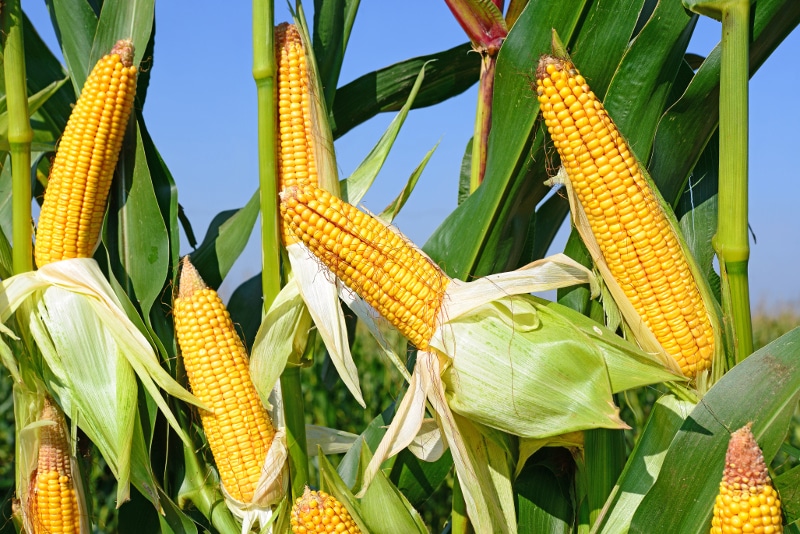
Maize is one of the world’s most important food and feed crops, but modern varieties often contain relatively low levels of seed protein. This is partly because, during thousands of years of domestication and breeding, protein content was not a main selection target. As maize was improved for other traits, some useful gene variants linked to higher protein levels were gradually lost.
Gene From Wild Maize Ancestor
Chinese researchers have now identified a valuable gene from teosinte, the wild ancestor of maize, that can significantly increase protein content in maize seed. The gene, called Teosinte high protein 3, or THP3-T, was discovered by research teams from the Chinese Academy of Sciences, Shanghai Normal University and Sichuan Agricultural University. The findings were published in Nature on June 3, according to a press release.
Helping Maize Use Nitrogen
The researchers found that THP3-T helps maize use nitrogen more efficiently to produce protein. However, this beneficial gene became very rare during domestication and is now found in only about 2.1% of modern maize lines.
Higher Protein Without Yield Loss
The team also found that THP3-T works especially well when combined with another high-protein gene, THP9-T. When both genes were introduced into Zhengdan958, a widely grown elite maize hybrid in China, seed protein content increased from 8.5% to 12–13%. Whole-plant protein content also rose from 7% to more than 9%, with no reduction in grain yield.
A Tool for Future Breeding
The study shows how useful traits from maize’s wild relatives can be brought back into modern breeding programs. By reintroducing rare genes such as THP3-T, breeders may be able to develop high-protein maize varieties that support both food production and livestock feed needs, while reducing dependence on imported protein sources such as soybean meal.